



South Korea's higher education grew very quickly from the 1990s. This created many graduates, especially in STEM fields, but it also brought problems such as youth unemployment, job mismatches, and a sharp drop in vocational training. However, these same pressures led to a positive change. Through university-industry cooperation, schools turned extra educated talent into startup energy. Policies like LINC and BK21 helped universities become innovation centers. Soongsil University shows this clearly. It built incubators and courses over many years, and then launched its AI-focused AX program, revealing how strategic reforms can harness demographic pressures for self-sufficiency. Similarly, Pusan National University created a maritime and digital green technology hub, supporting dozens of local startups and hundreds of new jobs. This portray that education can solve its own challenges when linked to practical needs.
#university-industry linkage #startup ecosystem #higher education
South Korea achieved one of the most rapid expansions of tertiary education worldwide during the late 20th and early 21st centuries. The gross enrollment ratio in tertiary education rose from approximately 74.7 percent in 2000 to a peak of 103.1 percent in 2008, before gradually declining and stabilizing at high levels around 93 to 106 percent in subsequent years (UNESCO Institute for Statistics, 2025). This surge reflected korea’s sustained economic growth, a deep cultural emphasis on education as a pathway to social mobility, and deliberate government policies that broadened access to universities and colleges. Much of the foundational vision for this human capital investment can be traced back to President Park Chung-hee’s policies in the 1960s and 1970s, which prioritized technical and vocational education and long-term economic planning. These foundations were expanded in the 1980s and 1990s through successive administrations that dramatically increased university capacity and enrollment, creating the conditions for rapid tertiary massification.
President Chun Doo-hwan (1980–1988) introduced the Graduation Quota System in 1981, which sharply raised the number of university admissions slots and encouraged the establishment of new private universities and junior colleges. This policy was followed by President Roh Tae-woo (1988–1993), who liberalized university establishment regulations in the late 1980s, leading to a proliferation of private institutions and a significant increase in enrollment capacity. The momentum continued under President Kim Young-sam (1993–1998), whose Globalization Initiative (Segyehwa) in 1995 further expanded higher education by promoting competition among universities and increasing government funding for facility expansion and student access. These 1980s and 1990s reforms collectively created the structural conditions for the explosive tertiary growth observed from the late 1990s onward.
The surge produced a large cohort of graduates, especially in Science, Technology, Engineering and Mathematics (STEM) fields, driven by policies that prioritized science and engineering as pillars of industrialization. Conglomerate (chaebols) offer of high salaries, job security, and prestige for universities graduate further exacerbated the supply of university graduates. However, chaebols could only abosrb small fraction (roughly 10 percent) of the large graduate cohort creating a mismatch between the supply of educated workers and labor market demands. Youth unemployment rose in the 2000s, and signs of over-education appeared as many graduates entered jobs below their qualification levels or faced delayed entry into stable employment (World Bank, 2025). These pressures highlighted the limits of quantitative expansion alone and prompted a policy reorientation toward qualitative improvements and practical application of knowledge.
Korean authorities responded to these challenges in the 2000s by prioritizing university-industry linkages as a means to connect academic training and research more directly to economic needs. The shift aligned with broader efforts to build an innovation-driven economy and address graduate employment difficulties.
The most transformative legal change came with the 2003 amendment to the Promotion of Industrial Education and University-Industry Cooperation Act (originally from 1963 but strengthened significantly in 2003). This amendment established legal mechanisms for universities to create industry-university cooperation foundations, own and manage intellectual property from faculty inventions, operate technology transfer offices (TTOs), and form spin-off companies. Universities gained authority to share revenue from commercialized inventions with researchers and to reward faculty for industry engagement. These changes mirrored aspects of the U.S. Bayh-Dole Act and enabled universities to pursue commercialization directly, leading to a marked increase in patents, technology transfers, and professor/researcher-led startups (from around 337 professor startups in 2000 to over 1,000 by the mid-2000s).
Building on this foundation, the Brain Korea 21 (BK21) project, launched in 1999 with Phase II (2006 onward) emphasizing department-level excellence and stronger university-industry links, allocated substantial funding ($1.4 billion in Phase I, $2.1 billion in Phase II) to elevate graduate research capacity. BK21 supported R&D that fed into collaborative projects, encouraged performance-based incentives, and promoted centralized fund management to strengthen ties with industry. Economic evaluations indicated that BK21 contributed to structural reforms in universities through focusing resources on high-performing departments and enhanced collaborative research outputs, including those leading to spin-offs and technology commercialization (RAND, 2008).
The Leaders in Industry-University Cooperation (LINC) program, which was launched in 2012, with iterations like LINC+ and LINC 3.0, operationalized these linkages at scale, particularly for regional universities. It provided matching grants, joint R&D support, student internships, and entrepreneurship training to foster firm participation. LINC designated universities as regional innovation hubs and channeled resources toward practical outcomes, including technology transfer and workforce alignment. Studies of LINC-participating institutions show positive effects on organizational capabilities, technology transfer performance, and regional startup activity, with funding (around $230 million annually for 50–60 universities) amplifying allied company collaborations and venture creation.
Other policies, such as the 2000 Technology Transfer Promotion Act, which laid groundwork for incentives and regional programs like NURI (2004–2008), complemented these core efforts but played supporting roles in expanding the ecosystem without matching the scale or direct impact of the 2003 amendment, BK21, and LINC.
Top institutions translated these national frameworks into operational structures. KAIST established Startup KAIST in 2013, which has supported over 148 spin-offs and startups, with recent figures indicating continued growth in deep-tech ventures such as AI, robotics, and semiconductors. Seoul National University (SNU), Yonsei University, and Korea University developed similar ecosystems through dedicated entrepreneurship centers and technology transfer offices. SNU's efforts, have showned to contribute to hundreds of student-led ventures annually, with top universities producing 205 student entrepreneurs in 2024 alone, a notable share of the national total. These centers offer dual majors combining engineering with business, consulting for commercialization, and incentives such as funding and professor rewards for industry collaboration.
Moreso, Soongsil University, one of the oldest institution, have advanced in specialized areas, particularly AI integration and ethical innovation, building on the same policy foundations to support student and graduate startups in converging technologies. The combined effect of these institutional changes transformed universities from providers of general education into active contributors to Korea's startup ecosystem. National policies supplied the legal and financial backbone, while universities adapted them to produce tangible bridges between knowledge generation and venture creation.
The policy reorientation of the 2000s did not immediately eliminate the structural presssures created by mass higher education. Even after the institutionalization of university-industry linkages, many graduates continued to face prolonged transitions into the workforce. Job searches often lasted nine months or more, and mismatch remained widespread, with nearly half of university alumni working in roles unrelated to their majors, one of the highest rates among OECD countries (OECD, 2019). This resulted in lower earnings, frustration, and a growing sense of unfulfilled potential.
A culture of deferred dreams took hold. Young people accumulated further qualifications at the expense of immediate employability, pushing Neither in Employment, Education, nor Training (NEET) rates higher, from 18.5 percent in 2009 to 19.6 percent in 2019, well above declining OECD averages. The job market revealed stark divides: prestigious roles in conglomerates or public service, absorbing only about 10 percent of workers, drew fierce competition, while small enterprises grappled with talent shortages because many graduates viewed them as less desirable. High STEM graduate output, representing over 27 percent of degrees, saturated traditional sectors, leaving many with advanced skills yet few outlets, fostering frustration and economic inactivity.
What happened following the rollout of university-industry linkage policies introduced a compelling twist in this tale, channeling these downsides toward entrepreneurial innovation. Reforms such as the 2003 amendments, BK21's applied research focus, and LINC's collaborative frameworks equipped universities to nurture startups as an escape from saturation. Entrepreneurship courses proliferated, drawing over 474,000 students by the late 2010s, while incubators at institutions like KAIST and SNU catalyzed student ventures, elevating annual outputs to hundreds. Hybrid initiatives with Meister high schools bolstered vocational relevance, achieving 70 to 90 percent employment for graduates against 40 to 50 percent in standard programs. STEM surpluses found new purpose in tech-driven startups, where oversupply in conventional jobs fueled a boom in AI, biotech, and digital enterprises.
This entrepreneurial pivot succeeded in intriguing ways, transforming structural overload into creative momentum. Policies worked through accessible supports like mentorship and funding, which democratized venture creation and aligned STEM prowess with market gaps, reducing mismatches in innovation clusters and boosting self-employment rates. Cultural barriers to risk softened over time, as success stories from university ecosystems inspired broader participation, turning job market rigidity into a springboard for economic dynamism. The sharp fall in youth unemployment after 2020, from 10.3 percent in 2020 to 8.1 percent in 2021, then down to 5.4 percent in 2023 and 6.5 percent in 2024, was one important outcome to which university-linked entrepreneurship contributed, accelerated by the COVID-19 pandemic's push toward digital and remote ventures. Declining absolute enrollments, reaching around 2.4 million by end of 2025 amid demographic shifts, further eased supply pressures, converting potential inactivity into productive innovation.
This entrepreneurial shift is evident in the structure of employment. The figure below illustrates the employed population by economic activity between 2000 and 2024. The share of workers in manufacturing and agriculture continued to decline minimally, while employment in the service sector rose sharply post covid. The increase stemmed from the pandemic’s acceleration of digital and remote work, which created strong demand for professional, technical, and information services. University-linked startups played a central role in this change. Graduates who launched ventures in AI, digital platforms, data analytics, and remote solutions generated new jobs precisely in these service sector. The entrepreneurial pathway therefore not only lowered youth unemployment but also drove the expansion of high value service employment, reducing reliance on traditional manufacturing.
Nevertheless, the transformation remained incomplete. Benefits concentrated among graduates from elite and well-resourced universities, leaving regional institutions and less privileged students with fewer opportunities. Persistent stigma around entrepreneurial failure continued to limit broader participation. Vocational decline at the secondary level persisted, as reforms focused more on tertiary-level fixes than on revitalizing earlier pathways. These limitations showed that while university-industry cooperation could absorb educated talent effectively, full equity and nationwide impact required deeper structural adjustments.
In this positive light, Korea's policy landscape shines as a model of timely reforms, where strategic interventions like BK21 and LINC not only mitigated massification's challenges but also harnessed them to cultivate a vibrant startup culture. The approach demonstrated remarkable foresight, evolving universities into inclusive hubs that empowered diverse cohorts, diminished failure stigma through celebrated achievements, and revitalized vocational elements at the tertiary level. Demographic trends aligned serendipitously with these efforts, broadening access to entrepreneurial opportunities and ensuring sustained equity in an innovation-driven future.
Korea's higher education policies have increasingly positioned universities as vital tools for addressing youth unemployment, particularly through regional development strategies that decentralize innovation and turn graduate surpluses into entrepreneurial assets. Amid the post-massification era's graduate pooling, where high enrollment ratios rose from 74.7 percent in 2000 to a peak of 103.1 percent in 2008 and stabilized around 93 to 106 percent through the 2020s, universities channeled educated youth into self-directed paths to ease job saturation (World Bank, 2025).
Soongsil University provides a focused case of this evolution, evolving from its founding in 1897 as Korea's first modern institution into a leader in AI-driven entrepreneurship that directly tackled growing youth graduate surpluses and the attendant employment pressures. Building on the Policy Shift Toward University-Industry Cooperation, Soongsil institutionalized mechanisms to bridge academic talent with market creation.
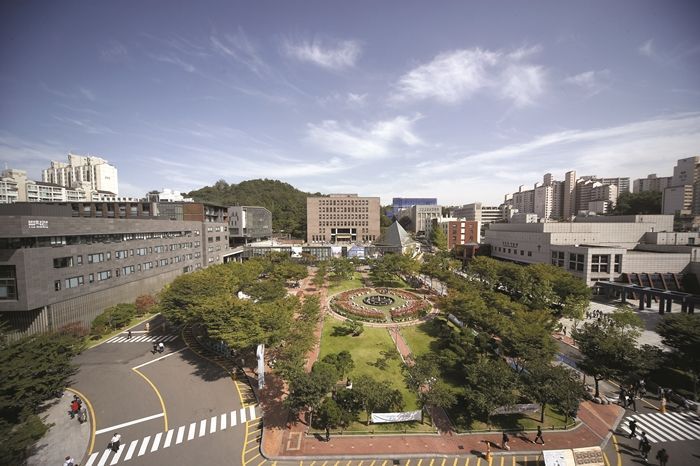
Prior to the October 2025 AX initiative, the university had already laid substantial groundwork through sustained engagement with these national policies to cultivate an entrepreneurial culture among its students and graduates. Soongsil participated actively in the LINC program, which positioned the university as a regional innovation anchor by facilitating industry partnerships, joint R&D projects, and practical training that aligned academic outputs with local economic needs. This involvement supported the establishment of incubators and startup support centers on campus, where students received mentorship, seed funding, and access to industry networks for commercializing ideas. The university also benefited from BK21 funding phases that enhanced research excellence in fields like information technology and engineering, fostering collaborative environments that encouraged spin-off activities. As early as the 2010s, Soongsil operated startup-related courses integrated into the regular curriculum, ran dedicated incubators for student entrepreneurs, and supported startup club activities, reflecting the broader government push to promote university entrepreneurship amid employment difficulties for graduates (Ye, 2025).
These efforts produced measurable progress in graduate-led ventures before the AX pivot. Enrollment remained stable at approximately 16,000 to 17,000 students annually from the 2010s onward, providing a consistent talent pool. Graduate startups grew steadily, contributing to national trends and Soongsil supported hundreds of student and alumni ventures by the mid-2020s, with a focus on technology and IT convergence sectors. The university's participation in programs like the "Early Startup Package" in 2020 offered practical courses, Naver-linked training, and AI advancement platforms, leading to increased spin-offs in emerging fields. The startup-to-enrollment ratio improved over time, rising from lower levels in the early 2010s to more substantial outputs by 2024, demonstrating how policy-enabled infrastructures turned steady enrollment into entrepreneurial momentum rather than exacerbating job saturation (Korea JoongAng Daily, 2022; Asia Economic Daily, 2020).
Post-AX, Soongsil has tremendously accelerated to becoming Korea’s first fully AI-focused campus, integrating generative AI tools across operations, establishing a dedicated AI college, and expanding computing infrastructure with an ethical, human-centered emphasis (Korea Times, 2025). Partnerships with 15 firms, including Doosan Robotics and Upstage, secured joint research and funding pipelines, expanding startup support to advanced mobility and next-generation technologies by early 2026 (Chosun Biz, 2026). This phase succeeded through causal integration of booming AI trends with policy-enabled mechanisms, enhancing venture outputs in real-time data analytics, robotics, and predictive modeling.
Soongsil's practical impact on Seoul's entrepreneurial landscape underscores the role of university-industry linkages in regional development. The university's Campustown initiatives supported the creation of hundred startup projects, contributing to Seoul's overall startup boom where the city hosts approximately 73 percent of Korea's ventures (Korea Herald, 2025). Infrastructure support, including co-working spaces and AI labs, facilitated the rise in graduate startups, with annual outputs reaching hundreds and survival rates around 60 percent, causally tied to policy grants and partnerships that lowered entry barriers (Asia Economic Daily, 2021).
A parallel process of regional decentralization took shape outside the capital. Pusan National University (PNU) in Busan re-entered the LINC 3.0 program in 2022 and was designated the first technology innovation leading university in the southeast region. The university received an initial 5.27 billion won in funding and is eligible for approximately 5.5 billion won annually for six years (Channel PNU, 2022). PNU adopted a region-specific entrepreneurship approach by establishing a maritime and digital green technology hub that links academic research directly with local port industries, shipbuilding firms, and carbon-neutral initiatives through the “Tech alliance” model. The university integrated capstone design projects, field practice, and entrepreneurship/startup courses across 27 departments from seven colleges, and this strategy enabled PNU to support over 50 startup projects and create more than 300 new jobs in the Busan region between 2022 and 2025, focusing on practical ventures in smart logistics, marine biotechnology, and renewable energy technologies.
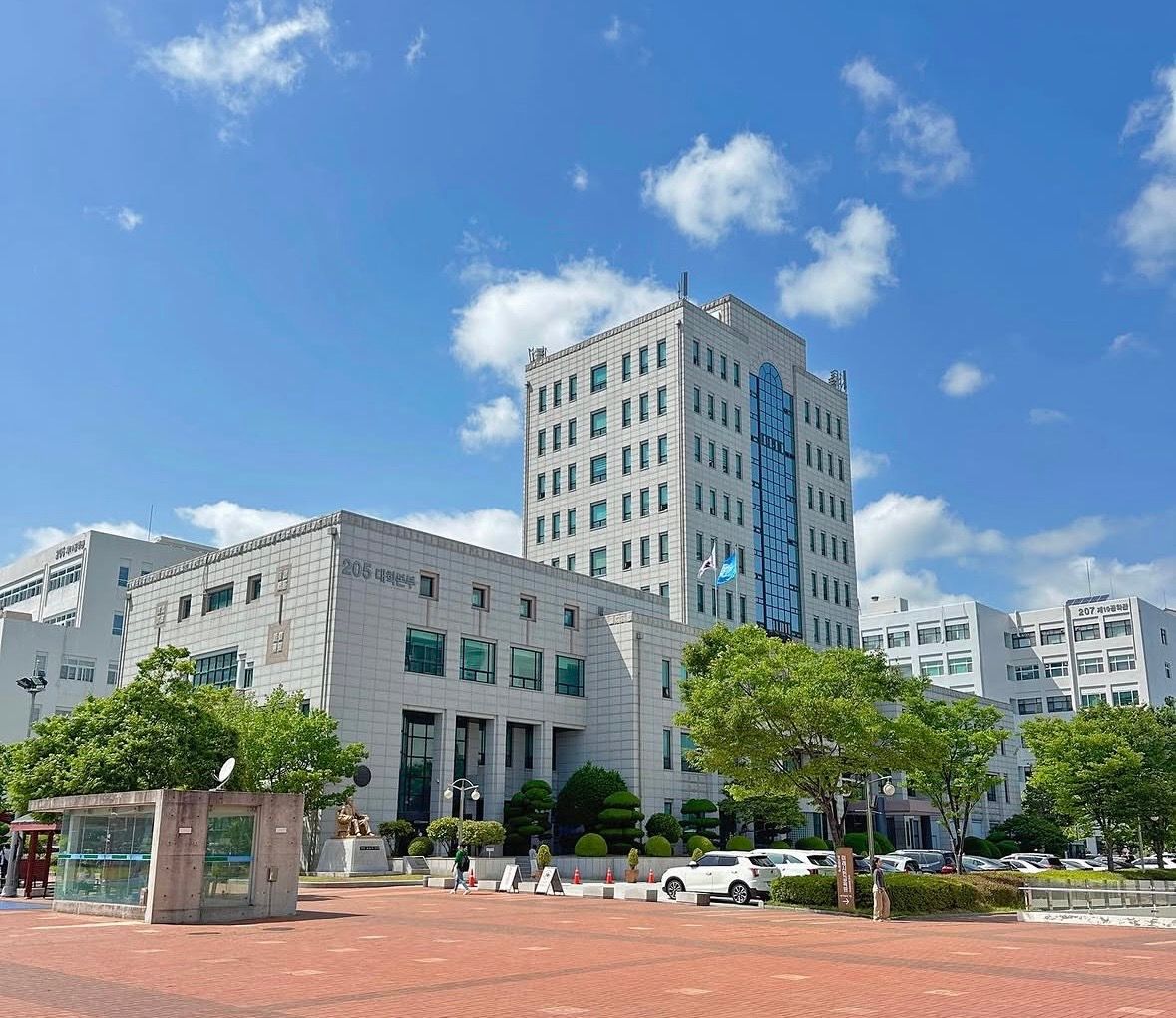
These targeted efforts by PNU is a part of greater efforts that have strengthened Busan’s startup ecosystem. PNU’s hub has supported dozens of local ventures and contributed to the creation of new jobs in maritime innovation and green tech sectors. Busan has emerged as a rising second hub, with plans for a dedicated startup campus in the North Port by end of 2026 and growing activity in fintech and marine-related fields. The city now hosts 152 startups with total funding exceeding $43.68 million, showing steady growth independent of Seoul (StartupBlink, 2025). This development demonstrates reduced dependency on the capital: PNU’s local partnerships and region-specific focus have built an independent innovation base that retains talent and generates employment without relying on Seoul’s networks. As a result, university-industry linkages are helping to balance Korea’s previously Seoul-dominated startup landscape (73 percent of national ventures) and promote more equitable regional development (Korea Herald, 2025; OECD, 2019).
South Korea's higher education transformation demonstrates that massification's structural challenges (i.e., youth unemployment, skill mismatches, and credentialism) can be converted into innovation assets through deliberate university-industry cooperation. The policy shift in the 2000s, reinforced by institutions like Soongsil university and PNU, enabled universities to evolve from degree providers into regional entrepreneurial hubs, channeling graduate talent into startups and contributing to post-2020 youth unemployment declines.
The core perspective remains: university-industry linkages offer an effective bridge between expanded higher education and a dynamic startup ecosystem. Korea's experience proves that strategic reforms can turn demographic and educational pressures into sources of resilience and regional development.
This trajectory directly addresses the question of how university-led models can adapt to regional development in contexts with growing youth graduate populations. Korea's approach succeeded because it combined legal mechanisms for commercialization, sustained funding through BK21 and LINC, and targeted regional designation of universities as innovation anchors. These elements allowed institutions to absorb surplus graduates by creating self-directed entrepreneurial pathways rather than depending solely on limited formal-sector absorption. The model proved particularly effective when universities focused on emerging technologies (such as AI at Soongsil) and aligned with local economic strengths, as seen in both Seoul's Campustown and Busan's maritime-tech hub around Pusan National University. This suggests that regional development benefits most when universities are empowered to act as localized engines of job creation and innovation.
From this perspective, adaptation to contexts with growing youth graduate populations appears most feasible under three conditions. First, the presence of legal and financial frameworks that enable technology transfer and reward entrepreneurial activity is essential; without them, academic knowledge remains disconnected from market application. Second, targeted funding and industry-partnership mandates for selected regional universities can help decentralize economic activity and reduce urban-rural divides, provided infrastructure and local industry clusters are gradually strengthened. Third, integration of emerging technologies with ethical and human-centered training aligns graduate skills with high-impact sectors, but only when accompanied by long-term collaborative ecosystems that evolve with economic needs. Short-term or fragmented initiatives are unlikely to generate the cumulative momentum required for self-sustaining entrepreneurial output.
While Korea's centralized state capacity and established industry base facilitated rapid results, the underlying logic, which is, turning graduate surpluses into regional innovation assets, remains transferable. In contexts where youth populations are expanding faster than formal job creation, universities can play a similar role if policy tools are adapted to local governance structures and resource realities. The Korean case therefore offers a compelling demonstration that higher education, when purposefully linked to industry and regional priorities, becomes a foundation for equitable development rather than a source of imbalance.