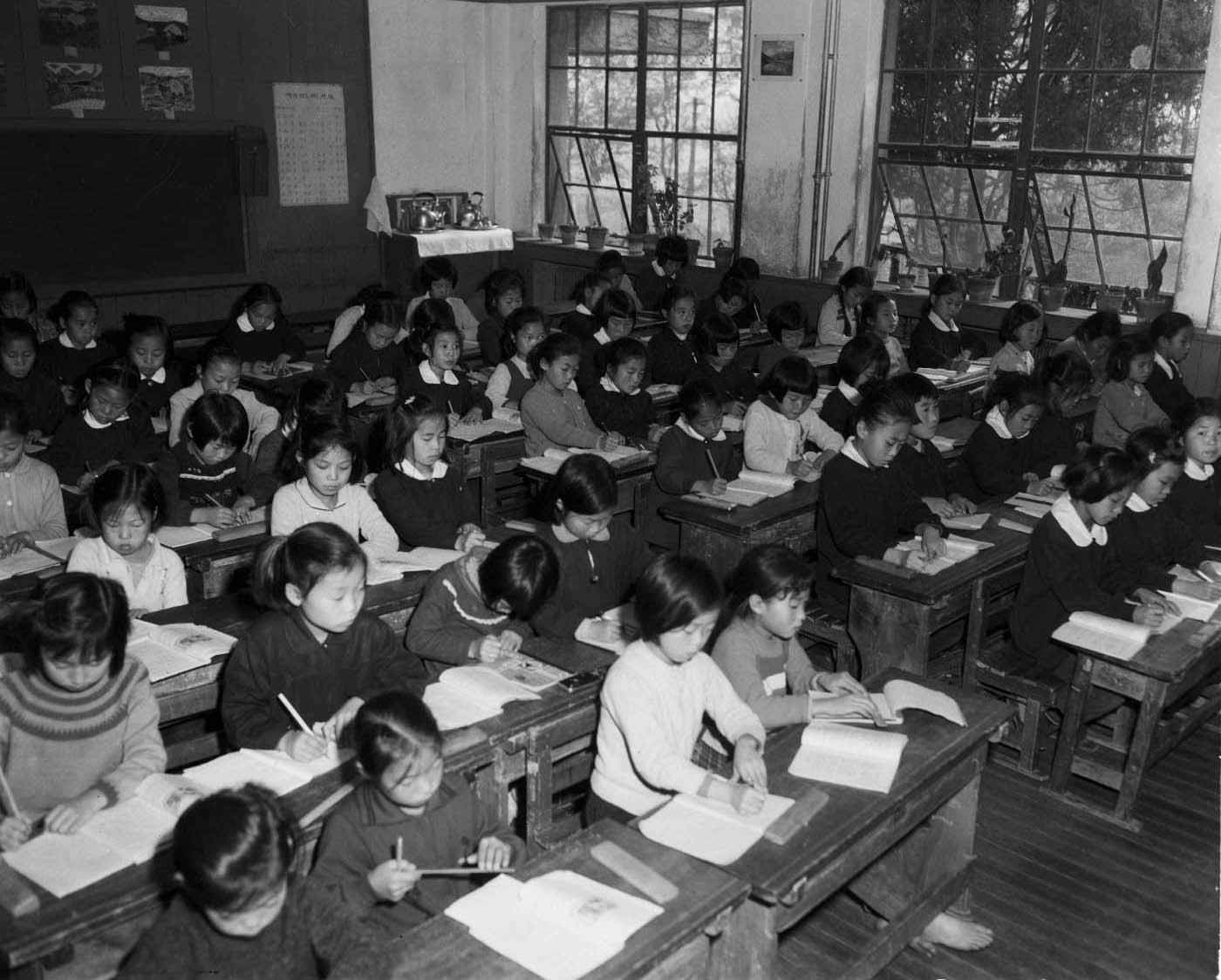
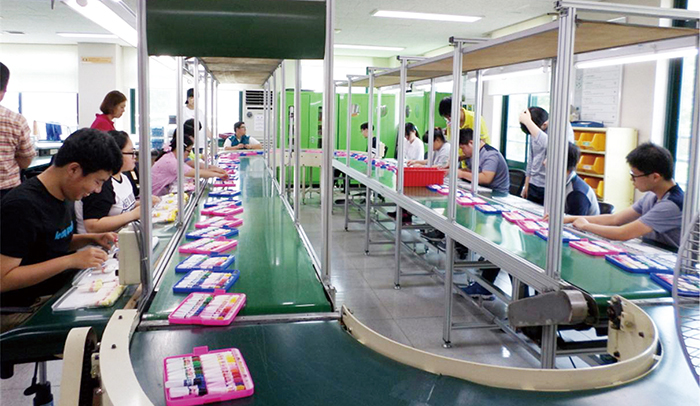
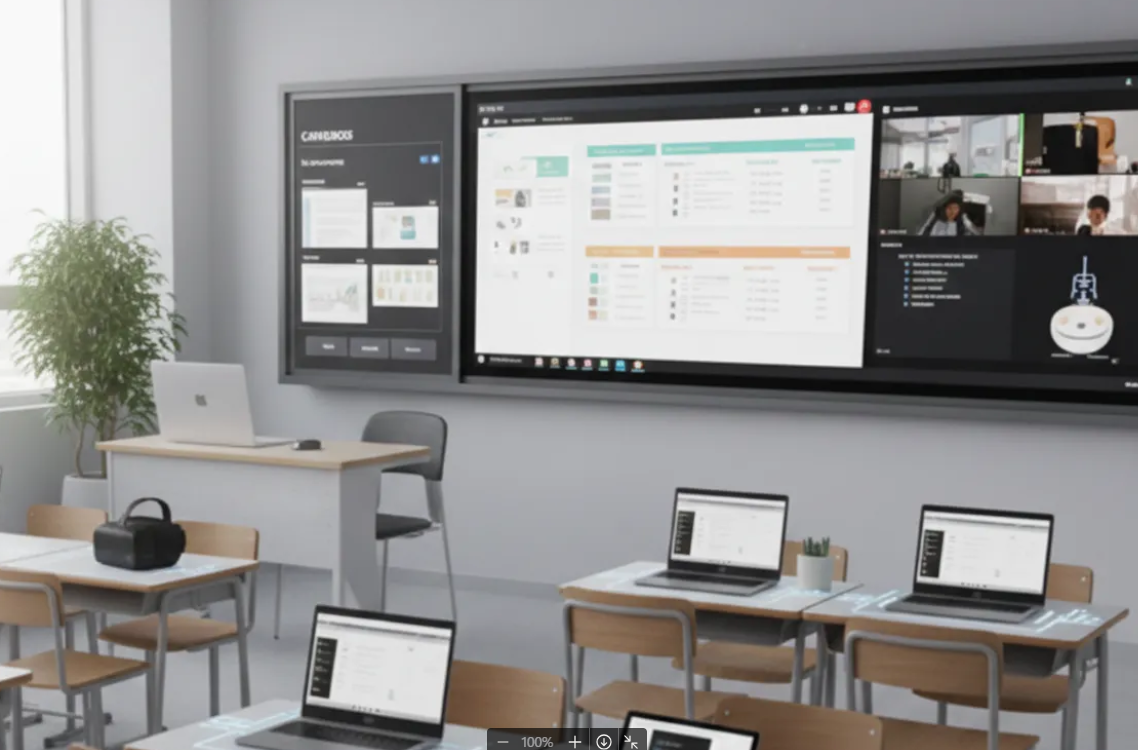
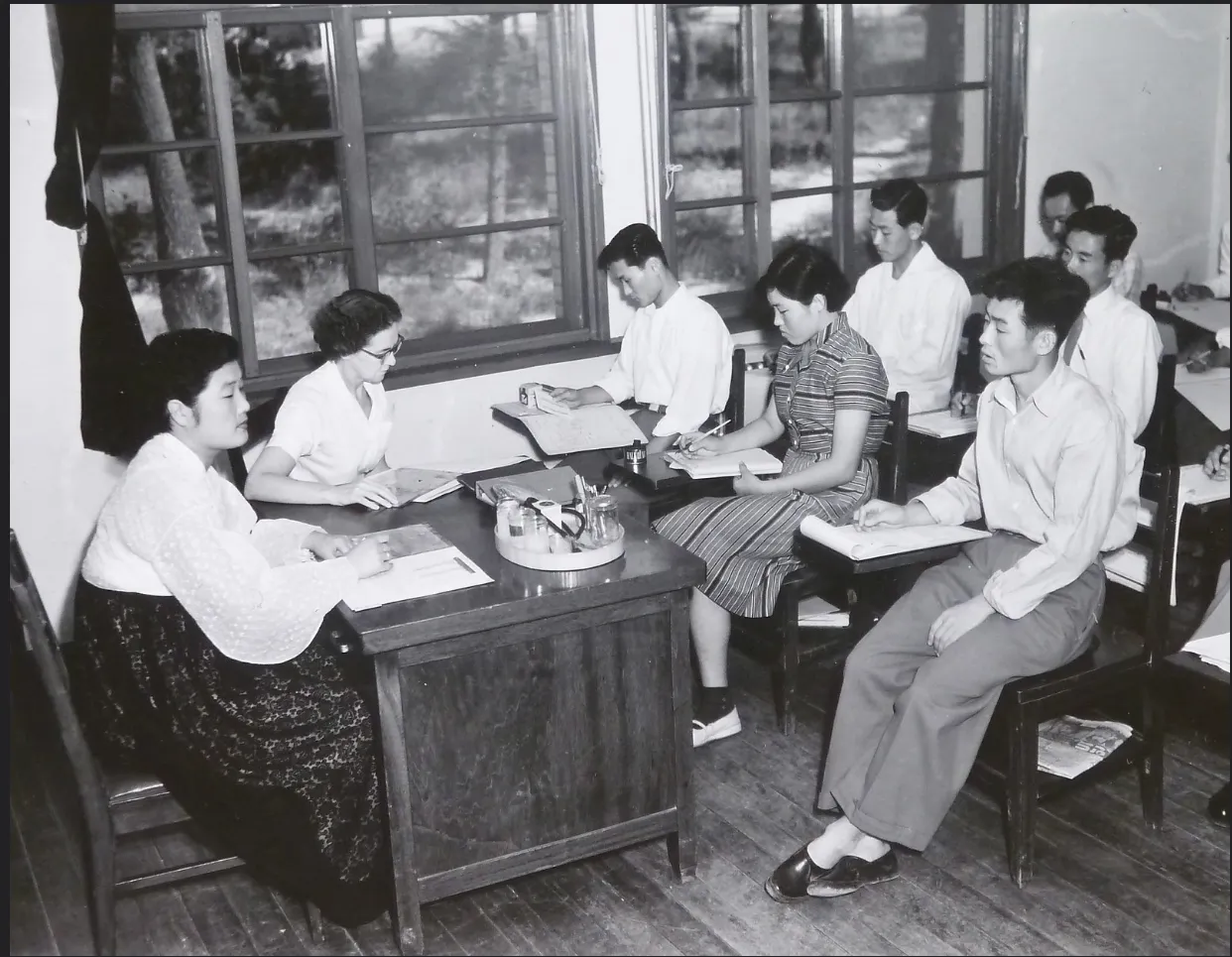
South Korea’s vocational training system for persons with disabilities has developed in response to demographic change, labor market gaps, and employer demand for job-ready skills. While persons with disabilities account for a stable share of the population, labor force participation and employment rates remain significantly lower than those of the general population, alongside a rising share of older persons with disabilities. Employer surveys indicate that skills mismatch and a lack of suitable positions are key barriers to hiring. To address these gaps, Korea expanded vocational competency development as a core employment policy, supported by an employment quota system and contributory charges. Over time, fragmented training provision was consolidated into a more systematic, demand-oriented model, with diversified training modalities including specialized, integrated, and firm-linked customized programs. Empirical evidence shows that vocational training substantially improves employment probability, wages, and job satisfaction, including for persons with severe disabilities. These experiences offer policy-relevant lessons for building inclusive, demand-responsive training systems.



.jpg)
.png)