K-DEV Originals

Original content produced and curated by the K-Developedia team, translating Korea’s development experience into structured, data-driven narratives.

Series

Foreign Aid to Korea

Series's Description
Topic
Clear
Year
Clear
Thank you! Your submission has been received!
Oops! Something went wrong while submitting the form.
Filtering by:
Tag
Operator
Value
There are no available cars matching the current filters.
Reset All
Filter
Date
Thank you! Your submission has been received!
Oops! Something went wrong while submitting the form.
Taxation Policy for Legalizing the Underground Economy
K-Dev Original
April 23, 2026

In the aftermath of the 1997 Asian Financial Crisis, South Korea faced a paradox familiar to many emerging economies: a shrinking tax base colliding with an expanding fiscal need. With nearly a quarter of GDP circulating in the shadow economy and cash-based self-employment operating beyond the reach of the National Tax Service, the government turned to an unconventional solution. Rather than intensifying audits on sellers, it redesigned the incentive structure for buyers, recognizing that consumers, properly motivated, could do the work of tax administration. The strategy leveraged three converging conditions: acute post-crisis fiscal pressure, a maturing ICT infrastructure, and a political moment in which reform carried the legitimacy of national recovery.The result was a two-stage experiment that would transform one of Asia's most cash-dependent societies into one of its most transaction-transparent. The Credit Card Income Deduction Program in 1999 rewarded earned income taxpayers for shifting consumption into traceable channels, and the Cash Rceipt System of 2005 extended the same logic into remaining cash transactions. Nearly two decades later, these programs remain embedded in Korea's tax code, having weathered repeated sunset debates. Yet their legacy also includes a credit card delinquency crisis, a regressive distributional pattern, and a political lock-in that has made reform difficult.

The Crisis That Rewrote the Tax Base

South Korea's 1997 foreign exchange crisis precipitated one of the most severe economic contractions in its postwar history. GDP contracted by 5.5 percent in 1998, corporate bankruptcies cascaded through the industrial base, and the government secured a USD 21 billion stabilization package from the International Monetary Fund. The crisis was simultaneously a liquidity shock and a legitimacy shock, creating political space for structural reforms that had been considered politically infeasible in prior decades.

Central to the post-crisis reform agenda was the question of fiscal capacity. Meeting IMF conditionalities, financing the restructuring of distressed financial institutions, and eventually repaying the stabilization loan all required a tax base substantially larger than what formal economic activity could supply. Schneider et al. (2010) estimated Korea's underground economy at approximately 25 percent of GDP in 1998, a figure attributable in large part to tax evasion among self-employed individuals whose cash-based transactions remained invisible to the National Tax Service (NTS).

This invisibility was not simply a function of willful evasion. It was also a product of transactional norms: consumers routinely paid in cash, merchants routinely underreported sales, and no administrative mechanism existed to reconcile the two sides of a transaction in real time. Any credible strategy to legalize the shadow economy would therefore need to address the structural logic of cash itself, making it less attractive relative to traceable alternatives.

Engineering Transparency: The Credit Card Income Deduction Program

In 1999, the Korean government introduced the Credit Card Income Deduction Program, a policy instrument that reconfigured the incentive structure of everyday consumption. Rather than targeting self-employed taxpayers directly, the program offered earned income taxpayers a deduction from their taxable income proportional to the amount they spent via credit card. The savings to the consumer were modest on any single transaction, calculated as the deducted amount multiplied by the marginal tax rate, but accumulated meaningfully over a year of routine spending.

The design logic was elegant in its indirection. By rewarding the buyer, the government enlisted consumers as de facto tax auditors. Each credit card transaction generated a data trail that flowed to the NTS, rendering the seller's revenue visible whether or not the seller wished it to be. Self-employed individuals who had previously underreported cash sales now faced a consumer base with a direct financial interest in leaving a paper record.

A second, more politically sensitive objective was horizontal equity. Wage earners in Korea were often described as "glass wallets," their salaries reported monthly by employers and therefore fully visible to the tax authority. Business income earners, by contrast, retained significant discretion over what they disclosed. Under the progressive tax regime, this asymmetry meant that two individuals with identical economic income could face substantially different effective tax rates depending on how they earned it. The income deduction, available only to earned income taxpayers, partially offset this imbalance and defused a longstanding source of political grievance.

The program's feasibility, however, rested on infrastructure rather than policy design alone. Its introduction coincided with a venture capital boom and rapid expansion of Korea's ICT sector, which supplied both the technical expertise and the hardware necessary to build a nationwide, real-time transaction recording network. Credit card terminals proliferated across retail establishments, credit card companies scaled aggressively to meet surging demand, and the government's administrative capacity to ingest and analyze transaction data grew in parallel. Without this convergence, the policy would have been a blueprint without a foundation.

The results were immediate and dramatic. Private sector credit card spending rose from USD 530 million in 1998 to USD 115 billion in 2000, a 216-fold increase over two years. The share of credit card spending within total domestic private consumption expenditure moved from 0.24 percent to 40.34 percent over the same period. By 2002, credit card transactions accounted for more than 60 percent of private consumption.

Closing the Last Gap: The Cash Receipt System

Despite the rapid adoption of credit cards, a substantial portion of the economy remained outside the transparency perimeter. As of 2004, cash transactions still accounted for approximately 50 percent of total domestic private consumption expenditure. The government concluded that a parallel mechanism was necessary to capture transactions that, for reasons of consumer preference, merchant incentive, or transaction size, continued to bypass the credit card network.

The Cash Receipt System, introduced in 2005, extended the logic of consumer-targeted incentives into the cash economy itself. Retailers whose primary business involved direct consumer sales, such as restaurants and convenience stores, were required to register as cash receipt issuers unless their annual sales revenue fell below KRW 24 million (approximately USD 20,000). When a consumer made a cash purchase and presented either a registered cash receipt card or a mobile phone number, the merchant was obligated to issue a cash receipt and transmit the transaction record to a Cash Receipt System Operator, which in turn forwarded the data to the NTS at least daily.

The infrastructure underpinning the system was notably frugal. Rather than building a parallel hardware network, the government deployed a small chip that could be installed in existing credit card terminals, allowing the same device to handle both card and cash transactions. The NTS provided these chips to registered merchants at no cost, and new credit card devices were manufactured with cash receipt capability built in. By leveraging the infrastructure already deployed during the credit card rollout, the government achieved nationwide coverage at a fraction of the cost that a standalone system would have required.

Incentives were calibrated across all three participants in the transaction chain. Consumers received the same income deduction benefit for cash receipts as for credit card purchases, with the cash receipt deduction rate eventually rising to 30 percent (double the 15 percent rate for credit cards) from 2012 onward. Registered merchants received a Value Added Tax credit equal to 1 percent of the total cash receipt amount, capped at KRW 5 million annually, with additional small-ticket incentives for micro-transactions below KRW 5,000. System Operators received KRW 17,500 per terminal installed, along with per-issuance credits that offset their transmission costs.

Enforcement relied on a bounty mechanism rather than audit capacity alone. Merchants who declined to issue a cash receipt when one was requested faced a penalty of 50 percent of the unissued amount. Consumers who reported such violations received 20 percent of the unissued amount as a bounty, converting each transaction into a potential compliance audit conducted by the counterparty. This design eliminated a common merchant tactic, offering discounts in exchange for foregoing receipts, by aligning the consumer's financial interest with reporting rather than collusion.

Merchant registration grew rapidly, exceeding one million in the program's first year and reaching approximately 2.8 million by 2014. Transaction volumes followed a similar trajectory, with cash receipt issuances rising from 45 million in 2005 to 519 million in 2014, and total issued amounts expanding from USD 16 billion to USD 77 billion over the same period.

Taken together, the two programs established a transactional architecture in which nearly every consumer-facing exchange, whether by card or by cash, generated a reportable record. The shadow economy did not disappear, but its informational foundation was substantially eroded.

Measuring the Payoff: Tax Base Expansion and Its Costs

Quantifying the effect of these programs on the underground economy is methodologically fraught, as the shadow economy is by definition unobserved. Nonetheless, empirical work has attempted to estimate the marginal impact. Ahn et al. (2010) found that a one percentage point increase in the ratio of combined credit card and cash receipt spending to GDP corresponded to a 0.13 percentage point decrease in the ratio of the underground economy to GDP. Given the scale of the underlying expansion, the aggregate effect on the shadow economy's relative size was substantial.

The fiscal cost of this visibility, however, was not negligible. Because the income deduction reduces taxable income rather than offering a direct tax credit, the Korean government forgoes personal income tax revenue every year that these programs remain in effect. Between 2005 and 2014, foregone income tax averaged over USD 1 billion annually, peaking at USD 1.58 billion in 2009 before moderating in subsequent years as the program matured and deduction ceilings were adjusted.

Additional costs accrue through the Value Added Tax credits extended to registered merchants and system operators, which the NTS reports average approximately USD 80 million per year. The initial setup cost of the Cash Receipt System, encompassing equipment and software development, amounted to approximately USD 25 million. Relative to the tax base these programs exposed, these expenditures are modest, but they establish a permanent fiscal obligation that any future reform would have to reckon with.

The Shadows of Success: Credit Delinquency and Regressive Redistribution

The aggressive expansion of credit card usage during the program's early years produced a second-order consequence that Korean policymakers did not fully anticipate. To maximize the reach of the transparency mechanism, the government encouraged credit card companies to issue cards as broadly as possible, and issuers complied by extending credit to applicants who would not have qualified under more conservative underwriting standards. The number of credit cards in circulation rose from 42 million in 1998 to 105 million by 2002.

The consequences surfaced within two years. Households accumulated debt on cards issued without adequate income verification, and defaults cascaded through the consumer credit system. The number of credit delinquent borrowers rose from 1.93 million in 1998 to a peak of 3.72 million in 2003, at which point the government and financial institutions were forced to intervene with restructuring programs to contain the fallout. The crisis demonstrated that policies designed to promote one behavior (credit card usage for tax transparency) could not be insulated from the broader credit market dynamics they inadvertently stimulated.

A second structural critique concerns distributional incidence. Because both programs operate as deductions from taxable income rather than as tax credits, their value to any individual taxpayer depends on that taxpayer's marginal tax rate. Under Korea's progressive income tax schedule, high-income taxpayers face higher marginal rates and therefore capture larger absolute tax savings from identical deduction amounts. A program ostensibly designed to rebalance the tax burden between wage earners and the self-employed thus reproduced, within the wage-earning population itself, the regressive pattern it was designed to counteract.

Restructuring these benefits as tax credits rather than deductions would neutralize this effect, as credits provide equal absolute value regardless of marginal tax rate. Such a redesign has been proposed repeatedly in Korean tax policy debates but has not been implemented, in part because the political coalition that benefits from the current structure has grown considerably since 1999.

The Lock-In Problem: Why Success Makes Reform Difficult

By 2010, the extraordinary growth in credit card usage had given way to a stable plateau. Credit card spending continued to rise in absolute terms, from USD 344 billion in 2010 to USD 418 billion in 2014, but its share of private consumption expenditure stabilized in the range of 65 to 67 percent. The policy had achieved saturation; its original objective of shifting payment behavior toward traceable channels had been substantially met.

This maturation raised a question that Korean policymakers have been unable to resolve: if the program has accomplished its original purpose, should it be allowed to sunset? The case for phasing out the Credit Card Income Deduction rests on several considerations. The marginal behavioral effect of the deduction has diminished as credit card use has become default behavior, the fiscal cost continues to accrue annually, and the regressive distributional effects persist indefinitely under the current design.

The case against sunset, however, has consistently prevailed in legislative debate. Over two decades, the deduction has evolved from a tax transparency mechanism into a significant tax relief for wage earners, who constitute the majority of the program's beneficiaries and who perceive its removal as a de facto tax increase. Each sunset clause since 2010 has been met with organized political resistance, and each time the program has been extended. Korea's experience in this respect offers a general lesson that extends well beyond tax policy: programs that distribute benefits to broad constituencies develop political constituencies that outlast their original policy rationale, and the difficulty of unwinding such programs is often greater than the difficulty of enacting them.

What Korea's Experience Teaches

The Credit Card Income Deduction Program and the Cash Receipt System remain, two decades after their introduction, unique instruments in the global taxation toolkit. Korea demonstrated that a cash-dominant economy could be formalized through consumer incentives rather than through intensified enforcement on the supply side, and that the combination of fiscal pressure, technological infrastructure, and political legitimacy could enable reforms that might otherwise be considered infeasible. For economies with substantial shadow sectors and developing digital payment infrastructure, the Korean model offers a replicable design logic.

Yet the Korean case also illustrates the importance of anticipating second-order effects. The credit card delinquency crisis of 2003 originated not in the tax program itself but in the adjacent credit market dynamics that the program inadvertently accelerated, a reminder that policies designed to change behavior in one domain rarely leave adjacent domains unchanged. The regressive distributional pattern, embedded in the choice of deductions over credits, accumulated over time into a structural feature rather than a correctable anomaly. And the political lock-in that now surrounds the program points to a broader principle: the conditions that enable the introduction of a consumer-facing tax incentive are not symmetric with the conditions required to retire it.

For policymakers studying this experience, the most transferable insights may be procedural rather than substantive. Korea succeeded in part because it sequenced its interventions carefully, using the credit card program to establish transactional infrastructure before extending the transparency logic into the cash economy. It calibrated incentives across all actors in the transaction chain rather than relying on any single pressure point. And it invested in administrative capacity commensurate with the data volumes its policies would generate. Each of these choices was enabled by a specific confluence of crisis, capability, and consensus that other jurisdictions will need to construct rather than assume.

Civil Service Training: Nurturing the Driving Force of Economic Development in Korea
K-Dev Original
April 13, 2026

South Korea successfully ensured its civil service training programs supported specific national economic development policies by establishing a centralized and legally mandated system where training content directly reflected major cabinet decisions. This system, viewed as an important tool for both capacity building and bureaucratic control, provided officials with the necessary knowledge, skills, and ethics required for development. The Ministry of General Affairs (MOGA) was required by law to establish an annual training plan that explicitly reflected major government policies, thereby maximizing the effect of training on organizational capacity. Additionally, Public Service Ethics Training acted as a crucial communication channel to justify major policies and mobilize officials by cultivating a loyal, disciplined public servant mindset. Finally, the introduction of commissioned overseas training allowed the government to benchmark advanced scientific and technological knowledge, which was subsequently used for policy development and implementation vital for trade-driven economic growth.

Overview: South Korea’s Civil Service Training System

For several decades, beginning in the 1960s, South Korea's civil service served as the primary engine of its remarkable economic development. Central to this achievement was a system of comprehensive and systematic training programs designed to equip government officials with the knowledge, skills, and ethics required to fulfill their responsibilities. These programs were instrumental in providing the human capital necessary to execute ambitious national policies.

The foundation of this system is a 9-Grade rank classification structure, resembling that of the Chinese bureaucracy, where Grade 1 is the highest and Grade 9 is the lowest. Entry into the civil service is highly competitive, managed through rigorous examinations administered by the central government for positions at the Grade 9, 7, and 5 levels. Korea employs a "closed career corps system," which prizes the cultivation of generalists. Unlike position classification systems that emphasize specialization, this model recruits officials based on broad, foundational knowledge. As they gain experience, they are rotated through various positions and entrusted with increasingly complex tasks, a practice that builds versatile capabilities and ensures the consistency of public administration regardless of political changes.

The government's approach to civil service training was strategic and centralized from its inception. The Korean government has regarded civil service training as an important tool both for building the capacity of government officials and for controlling government bureaucracy since the 1960s. It established a formal system guided by a master plan and detailed annual plans, which were closely supervised to ensure implementation. These plans were not generic; they were specifically designed to support major government policies and foster the skills necessary to achieve national objectives. A strong emphasis on public service ethics was woven throughout, aiming to enhance competence while simultaneously securing the loyalty of the bureaucracy.

The training framework is organized into three primary categories, as detailed in Table 1. First is public service ethics training, designed to shape the mindset of officials and secure their support for the government. Second is job training, which is subdivided into grade-based basic training (including programs for new employees, refresher training, and training for newly promoted officials) and specialized job training focused on functional skills. The third category is commissioned training, which utilizes external public and private institutions, both domestically and overseas, to provide advanced or specialized education. This structured approach ensured that every aspect of an official's development was deliberately linked to the needs of the state.

Reflection of Government Policy Needs

A foundational principle of Korea's civil service development was the strategic decision to structure the entire government training system to directly reflect and serve national policy needs. This alignment was not an afterthought but a deliberate and centrally managed effort to ensure that the bureaucracy was prepared to execute the nation's ambitious development agenda.

The institutionalization of this system began in earnest in 1961 under the military government. The Supreme Council for National Reconstruction (SCNR), the highest policymaking body of the era, enacted the Government Officials Training Act (GOT Act) and established the Central Officials Training Institute (COTI). To manage this from a central government perspective, an Education and Training Department was created within the Ministry of General Affairs (MOGA).

This created a clear division of labor: MOGA was responsible for central planning and establishing the annual training plan, while COTI was responsible for providing the training programs and supervising other government training centers as they were established. A parallel structure existed for local officials, with the Local Administration Training Institute (LATI) operating under the Ministry of Home Affairs (MOHA).

Division of Labor Between the Ministries

The government actively and systematically bridged its economic development policies with specific training programs. By law, MOGA was required to formulate an annual education plan that directly reflected the major policy decisions of the Cabinet. When new national priorities emerged, training programs were developed or reorganized to support them. For instance, the "Planning Program" was created to teach planning skills to officials in support of the First Five-year Economic Development Plan. Similarly, in 1967, as the government prepared for the Second Five-Year Plan, COTI added courses on new managerial techniques—including Program Evaluation and Review Technique (PERT), Critical Path Method (CPM), Operational Research (OR), and the Program Planning and Budgeting System (PPBS)—to equip mid-level officials with the advanced tools needed for complex policy implementation.

The overall training system for government officials was structured to reflect government policy needs. This approach was notably preemptive, providing officials with advanced knowledge and techniques before they were required to design and execute development policies. This forward-looking strategy ensured that the civil service was not just a follower of policy but a capable and prepared instrument for its success, thereby establishing the technical foundation upon which a deep ideological commitment could be built.

Public Service Ethics Training

Perhaps the most distinctive feature of the Korean civil service training system is its profound emphasis on public service ethics. This training was not merely a supplement to technical skills but a core strategic pillar with two primary goals: securing the loyalty and support of government officials to maintain administrative control, and fundamentally reshaping the public servant mindset to one of national service and mission, as illustrated in an excerpt from a training textbook below.

Mission of Government Officials and Discipline

As government officials we are confident in our responsibility as guides of national restoration. If we perceive a government position as a means of living only, we will fail to invest the energy and empathy needed to advance the country. And with that thinking we may indulge in corruption in order to make atonement for needed money because a government position is not a lucrative job. When we as government officials take the lead in national restoration, our futures will be bright.

Needless to say, government administration exists only for the people’s interest and happiness, and the master of government administration is the people. Government officials are qualified delegates—those who are entrusted by the people as public authorities. Government officials are public servants who work for the people.*

Public service ethics training was delivered through three distinct methods. First, it was operated as a separate, independent program under various banners that shifted with the political regime, such as "Anti-communism Training," "Saemaul Training", and "Ideological Training."

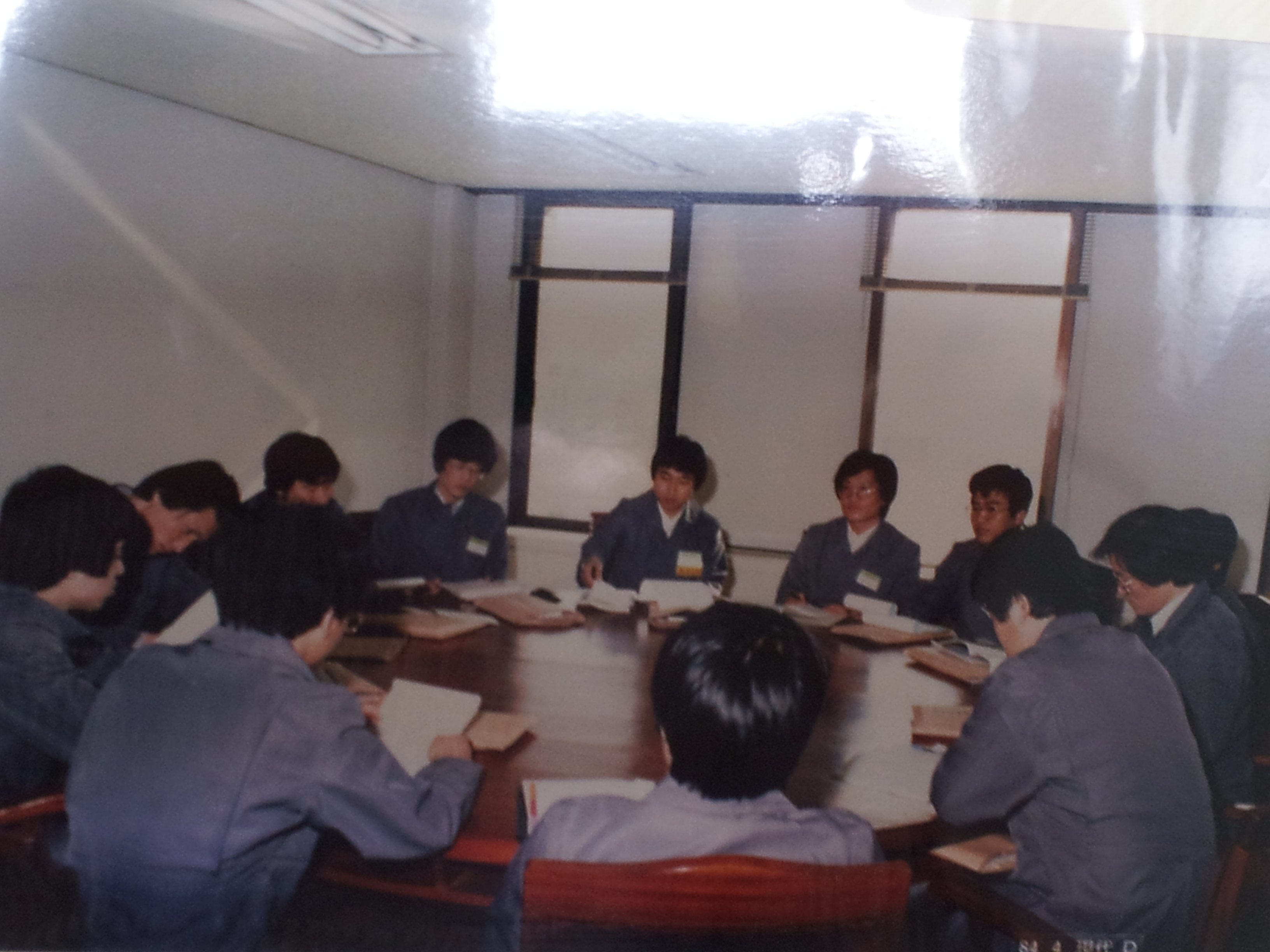
Second, ethics training was integrated as a significant component within standard job training programs. In the 1970s, for example, it accounted for over 20 percent of total class hours and included politically charged courses such as Analysis of Corruption in the Public Administration of the Previous Government during the military government and International Situation and Defeat of Communism during the Fourth Republic. Finally, the training made extensive use of field activities to cultivate a public servant mindset. Trainees participated in team projects, engaged in group ceremonies like the candle ceremony, and undertook field visits to rural areas and industrial complexes to gain a deeper understanding of national development in practice.

Examples of Field Activities (i.e., Group Discussion, Candle Ceremony)

Source: The National Human Resources Development Institute

While it was sometimes used to justify undemocratic political regimes, it was highly effective in building esprit de corps, loyalty to the nation, and a powerful sense of mission among officials. It also enabled the government to tighten organizational discipline and secure the intangible resources—commitment, morale, and unified purpose—necessary for major policy initiatives. For each government, public service ethics training was a useful communication channel to justify the importance of major policies and mobilize government officials to push forward such policies. This internal focus on mindset and loyalty was complemented by commissioned training programs, which offered officials a valuable external perspective.

Commissioned Training

Commissioned training refers to programs conducted by external public or private institutions, distinct from the government's own training centers. This approach was strategically employed to provide officials with specialized knowledge, advanced academic learning, and global perspectives that were not available through standard in-house training. It is divided into two main categories: domestic and overseas training.

Domestic commissioned training consists of several programs tailored to different needs. These include one-year, long-term programs for director-general and manager-level officials conducted at public institutions. The government also provides financial support for selected mid-level officials to attend college and post-graduate programs, often at evening graduate schools to earn master's degrees. Shorter-term programs are also available, including foreign language training and special skills courses at private institutions.

Overseas training was introduced in 1977 to benchmark science and technology from advanced countries and was expanded in 1979 to cover all government ministries. These programs, which saw steady participation, fall into two types: professional job training, where officials work or conduct research in international organizations or foreign governments, and a two-year academic degree program at overseas graduate schools. The selection process is rigorous; each ministry selects candidates based on job performance and language proficiency, after which the Ministry of Personnel Management (MPM) makes the final decision, typically sending one or two applicants from individual ministries for the degree program each year.

The contributions of overseas training to the capacity of government officials were significant and multifaceted. First, it allowed officials to absorb advanced knowledge directly applicable to their policy areas by studying at prestigious universities. Second, immersion in other countries naturally enhanced their language proficiency and understanding of foreign cultures and international norms. Third, it broadened their global perspective and enabled them to build cooperative networks with international scholars and foreign officials.

Given Korea's reliance on international trade for its economic development, such experiences are vital for formulating new policies that correspond to rapid changes in the international arena. These multifaceted benefits, born from a commitment to external learning, highlight just one component of a holistic system whose overall success offers profound lessons for developing nations.

Lessons and Implications

In the 1980s and 1990s, many capacity-building programs in developing countries failed to produce lasting improvements, often due to demotivating organizational cultures, the underutilization of skilled personnel, and a "brain drain" to the private sector. The Korean model, however, stands out as a remarkable success. Its achievements were not accidental but the result of a holistic and strategically aligned system that offers several key lessons for national development.

One of the most critical lessons lies in the system's foundational principles. From the very beginning, the government established a solid legal and institutional framework that provided a durable basis for continuous civil service development. This structure legally mandated a "training first, assignment later" approach, a preemptive strategy ensuring that newly employed or promoted officials were fully equipped with the necessary skills before taking on new responsibilities. This ensured that job responsibilities could be carried out accurately and effectively from day one.

The effectiveness of these programs was then amplified by a deliberate strategy of linking training content directly to national policy objectives. The Korean training system which bridged government policy and training contents maximized the effects of training on the capacity development of government officials. This technical preparation was powerfully complemented by an equal emphasis on public service ethics training, which cultivated a public servant mindset, solidified loyalty, and ensured that advanced skills were paired with a strong sense of national mission. Finally, the entire system remained relevant and practical by being designed from the trainee's perspective; the government conducted regular needs analyses to ensure that programs reflected what officials actually needed to perform their duties, balancing top-down policy directives with bottom-up functional requirements.

In conclusion, South Korea's success in nurturing a world-class civil service was the product of a deliberate, comprehensive, and deeply integrated training system. By systematically aligning legal frameworks, institutional capacity, policy needs, and ethical development, Korea built a bureaucracy that was not merely an administrative body but the decisive driving force behind its national economic transformation.

South Korea's E-Government Journey: From Foundation to Digital Transformation
K-Dev Original
April 13, 2026

South Korea's e-Government evolved from a response to administrative inefficiency during rapid economic growth into a globally recognized digital government model. This report traces the journey through two major phases: Foundation (1970s–2016) and Digital Transformation (2016–present). Korea ranked first in the UN E-Government Development Index in 2010, 2012, and 2014, and first in the OECD Digital Government Index in 2019. The nation's success rests on three pillars: integrated e-Government systems (G2G, G2B, G4C), visionary leadership sustained across four decades, and robust ICT, financial, and administrative infrastructure.

Overview

During the 1960s and 1970s, South Korea achieved a period of transformative economic growth, often referred to as the "Miracle on the Han River." Yet, behind this economic success, the modernization of its administrative procedures and public service delivery systems lagged significantly. This disparity between a modernizing economy and a traditional bureaucracy created increasing pressure for comprehensive reform.

In response, the Korean government adopted a strategic solution: an ambitious, Information and Communication Technology (ICT)-based e-Government initiative designed with a dual purpose — to enhance internal administrative efficiency through Government to Government (G2G) systems and to fundamentally improve the quality of public services for citizens (G4C) and businesses (G2B). The success of this strategy has been remarkable. According to the United Nations E-Government Survey, South Korea's ranking in the E-Government Development Index rose dramatically from fifteenth place in 2001 to first place in 2010 (United Nations, 2010; 2012; 2014), a position it successfully defended in 2012 and 2014 before ranking third in 2016. South Korea was also ranked first in the OECD's Digital Government Index in 2019.

South Korea's journey from a developing nation to a digital powerhouse was not accidental. Its success can be attributed to three critical factors: the advanced features of its integrated e-Government systems, the visionary and sustained leadership that drove the initiative across decades, and the robust infrastructure that formed its foundation. This report explores these pillars and traces how Korea's e-Government further evolved into a citizen-centric digital government in the era of digital transformation.

Core Pillars: G2G, G2B, and G4C Systems

A core pillar of South Korea's e-Government strategy was its balanced and timely development of both internal administrative applications (back-office) and external public services (front-office). This dual focus created a virtuous feedback loop: internal efficiencies, such as faster data retrieval, directly improved the quality and speed of external services, which in turn drove citizen adoption and created demand for further internal improvements. This approach prevented the common pitfall of building systems that are either technologically advanced but disconnected from public needs, or popular but lacking robust administrative support.

Government to Government (G2G): The On-Nara System

The On-Nara system is an exemplary G2G initiative designed to reform bureaucratic culture by enhancing transparency and accountability. Its core feature is a task planning system based on the Business Reference Model (BRM), which standardizes administrative processes. This standardization makes tasks transparent and less dependent on informal, opaque traditions, directly supporting the goal of cultural reform. The system enables officials to handle daily tasks entirely online, documenting and tracking the complete history of a task from creation to finalization and creating an environment of organizational learning.

Main Features of On-Nara Systme(G2G)

Government to Business (G2B): KONEPS

For businesses, the Korea Online E-Procurement System (KONEPS) serves as a powerful G2B platform. Introduced in 2002, KONEPS evolved from earlier platforms into an integrated, single-window portal for all public procurement. It provides a unified digital space where government organizations and private firms conduct every step of the procurement process electronically. All bidding information is accessible through KONEPS, and suppliers need only register once to participate in any public bid. This innovation has made the entire procurement process more organized, efficient, and transparent.

Source:  Public Procurement Service Annual Report 2007

Government for Citizens (G4C): From Minwon 24 to Government 24

The Online Civil Appeal System (Minwon 24) empowered citizens by bringing public services directly to them. Built on a foundation of e-authentication, e-documents, and e-payment systems, it allowed individuals to access a wide range of services online. The government updated its legal framework to ensure that electronically issued documents hold the same legitimacy as their paper counterparts — a vital step in driving public trust and adoption.

This system later evolved into the Government 24 portal (gov.kr), the cornerstone of South Korea's digital service delivery today. Government 24 provides citizens with 24/7 online access, giving information on some 5,000 types of civil services, enabling online access to over 3,000 of them, and allowing the online issuance of 1,000 essential documents. This integrated portal consolidates services from central administrative agencies, public institutions, and local governments, dramatically reducing costs and inconvenience for citizens.

Government 24 portal

Visionary Leadership: A Four-Decade Commitment

South Korea's e-Government is not the product of a single administration but the culmination of a long-term vision sustained for over four decades. This unwavering commitment from the nation's top leadership was a story of compounding investment, where each stage was a necessary prerequisite for the next.

Park Chung-hee Administration (1970s): Laying the Foundation

The journey began in the 1970s, when President Park Chung-hee's administration introduced the first five-year plan for administrative computerization, creating the initial layer of digital records. This was essential for the National Basic Information System (NBIS) project in the 1980s to digitize core databases like residence and vehicle registrations. Without these digitized assets, the high-speed broadband network built in the 1990s would have been an empty highway.

Kim Dae-jung Administration (Late 1990s): E-Government as National Agenda

A pivotal moment came after the 1997 Asian financial crisis, when the Kim Dae-jung administration established e-Government as a core component of its administrative reform program. President Kim created the Special Committee on E-Government (SCEG), which proposed the 11 cornerstone projects that became the system's blueprint. To ensure executive buy-in, he issued an order creating a Chief Information Officer (CIO) position in every national agency, making them directly responsible for their organization's information systems.

This vision was executed by key institutions. The National Computerization Agency (NCA), later renamed the National Information Society Agency (NIA), was instrumental in managing and implementing the e-Government projects. Acting as a coordinating body, the NCA worked in close collaboration with private IT companies to develop the targeted systems, translating high-level policy into functional reality. This deliberate, layered approach ensured that when the Kim Dae-jung administration declared e-Government a national agenda, it was building on a 30-year foundation, not starting from scratch.

Institutional Structure of Promotion and Implementation Organizations for Korean E-Government

Special Committee for E-Government 2003, 59. Recited from Kim and Choi(2016). P.24

The Foundation: ICT, Financial, and Administrative Infrastructure

Visionary leadership and advanced systems could only succeed because they were built upon a set of intentionally developed ICT, financial, and administrative infrastructures.

ICT Infrastructure

Recognizing that a digital government requires a digital highway, the government took a proactive role in building the nation's ICT backbone. The Korea Information Infrastructure (KII) Plan of 1994 exemplifies this approach. Rather than waiting for the private market, the government drove a coordinated effort with industry to construct a high-speed broadband network. This government-driven model established a robust, nationwide digital infrastructure that became the essential prerequisite for all subsequent e-Government services.

Financial Infrastructure

Large-scale, long-term projects require stable and predictable funding. To avoid reliance on fluctuating annual budgets, the Korean government established the National Information Promotion Fund in 1996, based on the Framework Act of National Informatization. This dedicated fund provided a secure source of capital for ICT infrastructure, e-Government development, and related R&D projects, ensuring that critical initiatives could proceed without interruption.

Administrative Infrastructure: The Residence Registration Number

Perhaps the most critical piece of administrative infrastructure is Korea's national identification system. Every citizen is assigned a unique 13-digit Residence Registration Number (RRN) at birth. Originally introduced in 1968 for security purposes, the RRN has become the essential "linchpin" for integrating disparate government databases. Because this unique identifier is used across all public agencies, it allows for the seamless merging of information related to an individual's residency, taxes, and welfare. Without this common linking point, the kind of integrated, citizen-centric services that define South Korea's e-Government would be nearly impossible to achieve.

The Paradigm Shift: From E-Government to Digital Government

Understanding the conceptual evolution from e-government to digital government is crucial for appreciating the strategic depth of modern public sector innovation. This transition is not merely semantic; it reflects a paradigm shift propelled by the broader forces of digital transformation.

The OECD defines e-Government as governments using ICT, especially the internet, to achieve a better government. In contrast, Digital Government refers to a digital government ecosystem comprising government actors, non-governmental organizations, industry, civic associations, and individuals who use digital technology to create public value (OECD, 2014). The core difference is that digital government is an advanced, expanded concept that moves beyond the transactional focus of e-government. While e-government primarily used the internet to improve operational efficiency, digital government utilizes a broader suite of technologies — including social media, mobile platforms, big data analytics, and AI — to foster deeper interaction and enhance citizen participation. This represents a strategic move from providing generalized "citizen-oriented" services toward offering personalized, proactive, individual-oriented services.

Based on OECD (2014), Recommendation of the Council on Digital Government Strategies.

South Korea's Strategic Policy Roadmap (2016–2020)

In response to AI technologies and the digital transformation era, the South Korean government announced a series of strategic plans from 2016 to 2020 (Chung, 2020a).

E-Government 2020 Basic Plan (2016)

This plan set forth the vision of "Enjoy Your e-Government!" aiming to provide citizens with emotionally resonant services and build an advanced, intelligent administration. Its five core strategies included redesigning government services to be paperless and mobile, using intelligent information technology for predictive decision-making in disaster management, creating an e-government ecosystem that coexists with private industry by developing new services using AI, 3D printing, and drones, building a trust-based infrastructure including IoT platforms, and promoting South Korea's global leadership through international cooperation.

Digital Government Innovation Master Plan (2019)

With a vision of "a good world enabled by digitalization," this plan was a direct response to the era of AI and cloud-centric digital transformation. It outlined six priority tasks: reforming services for citizens, facilitating MyData in the public sector, improving platforms for citizen engagement, establishing a smart working environment, facilitating cloud and digital services, and establishing open data ecosystems.

COVID-19 Response Add-ons (2020)

In an agile response to the pandemic, the government revised its 2019 plan to address the urgent shift toward non-face-to-face interactions. Key add-ons focused on expanding "contact-less" services including mobile identification cards, and utilizing public data for data-driven administration, such as developing mask availability and contact tracing apps in collaboration with private companies.

Digital Inclusion Promotion Plan (2020)

Recognizing that rapid digital transformation could intensify the digital divide, this plan was established with the vision of "Realizing a digital inclusive world that everyone can enjoy together." Its four policy areas aimed to ensure no citizen is left behind by providing comprehensive digital capabilities and supporting vulnerable groups in easily using digital technologies.

Landmark Innovations in Practice

South Korea's strategic policies translated into tangible, innovative public services that have reshaped citizen-government interactions.

Public MyData Service (2021)

Launched in February 2021, the Public MyData Service is a groundbreaking innovation that strengthens citizens' data sovereignty. This service empowers individuals to directly utilize their own administrative data, which is scattered across various public institutions, to apply for services without submitting numerous paper documents. Initially applied to eight services operated by six institutions, it streamlined applications for micro-enterprise funds, youth interview allowances, and bank credit loans. This not only streamlines application processes but also improves the efficiency and accuracy of administrative work, marking a decisive shift from document-oriented to data-oriented public services.

Public Secretary Service (2021)

The Public Secretary Service acts as a "virtual assistant for the public," delivering personalized and proactive notifications about important administrative tasks. Launched in April 2021, the service informs citizens about COVID-19 vaccination appointments, driver's license renewal dates, scholarship periods, and traffic fines. Citizens can receive alerts through popular mobile apps like KakaoTalk or Naver. This service is a representative example of a public-private partnership, leveraging the reach of private platforms to ensure citizens receive timely and essential information.

COVID-19 Vaccine Reservation System Improvement

In July 2021, the online COVID-19 vaccine reservation system was overwhelmed when millions of citizens tried to book appointments simultaneously. The government formed a public-private joint task force with 18 leading technology corporations. Through intense collaboration over just two weeks — a process that would normally take months — the team identified critical bottlenecks. A key optimization to the vaccination institute search function reduced the responding time from 2.58 seconds to a remarkable 0.004 seconds. This dramatic improvement enabled the system to handle simultaneous access from 12 million people in 10 minutes.

Implications for Developing Countries

South Korea's transformation into a global digital government leader offers valuable lessons for other nations seeking to enhance administrative efficiency and improve public service quality.

1) Presidential Leadership as the Driving Force

Sustained political leadership is imperative. By positioning e-Government as a national agenda, South Korea's presidents guaranteed the mobilization of necessary resources. This top-down support was essential for overcoming bureaucratic resistance, coordinating across ministries, and driving complex, large-scale changes to existing organizational structures and practices. Critically, e-Government was pursued as an instrument for broader administrative and government reform, which secured political buy-in and created synergies with other national initiatives.

2) A Coordinated Promotion System

South Korea successfully employed a committee-based approach to drive digital government policy. Establishing committees separate from existing ministries created a powerful mechanism for cross-governmental coordination, deliberation, and policy formulation. This structure ensured that the functions of policy-making and implementation were effectively managed across different government bodies, supported by robust ICT governance to align efforts and resolve conflicts.

3) Foundational Infrastructure First

Success requires secured financial resources, and a dedicated mechanism like the National Information Promotion Fund ensures long-term stability for development. Equally vital is a unique national identification system. South Korea's Residence Registration Number acted as the linchpin that made data integration possible, enabling the creation of seamless, user-centric services.

4) From Government-Led to Partnership-Driven

Perhaps the most crucial lesson is the evolution from a government-led, supplier-oriented e-government model to a citizen-centered digital government framework. This shift recognized that the government could not, and should not, act alone. The success of recent innovations, like the vaccine reservation system overhaul, was built on public-private partnerships (PPP) that brought together the government, businesses, and citizens as joint participants.

5) Human and Organizational Factors

It is essential to develop strategies for overcoming inter-agency conflicts, particularly over data sharing. South Korea's unique "settlement after investment" approach allowed projects to advance without full initial consensus, preventing delays. Furthermore, prioritizing human resources development and providing sufficient user training are critical to ensure system adoption and avoid resistance.

Forging a Shield: The Evolution of South Korea's National Defense, 1948-2008
K-Dev Original
April 3, 2026

We are going to examine how South Korea’s national defense evolved between 1948 and 2008, from a war-ravaged, aid-dependent force into a modern military operating under democratic civilian control. We trace this transformation across three broad phases: an early period shaped by existential threat and near-total reliance on the United States; a prolonged push for self-sufficiency driven by industrialization, authoritarian rule, and intensifying inter-Korean rivalry; and a later stage marked by professionalization, institutional reform, and recalibrated alliance management. As we move through these periods, we show that South Korea’s defense development was never a purely military or technical process. Instead, it unfolded in close interaction with political regimes, economic strategies, and shifting regional security dynamics, while repeatedly reshaping the relationship between the military and society. By following this long arc, we can better understand how South Korea forged a defense system that balances autonomy, alliance partnership, and democratic accountability in the contemporary era.

The Early Phase (1948–1972): Foundation in the Shadow of War

The first quarter-century of South Korea's national defense was a foundational period where its strategic identity was forged amidst the devastation of the Korean War and the intense pressures of the Cold War. Defined by an ever-present threat from North Korea and a profound dependence on its alliance with the United States, this era saw the creation of the legal, institutional, and operational bedrock upon which the nation's future military would be built.

The Post-War Landscape: A Nation Divided

Between 1948 and 1972, South Korea navigated immense political, economic, and social turbulence. This period spanned the first three Republics, marked by the rule of President Rhee Syngman, the brief Second Republic, and the military-backed government of President Park Chunghee. In the aftermath of the Korean War, the nation was one of the poorest in the world, grappling with the challenges of reconstruction while experiencing rapid social change and population growth.

This domestic environment was set against the backdrop of the global Cold War, which manifested on the peninsula as an intense rivalry between the "Northern Triangle" (the Soviet Union, China, and North Korea) and the "Southern Triangle" (South Korea, the United States, and Japan). In this context, the United States emerged as South Korea's most reliable ally, acting as a patron in the development of nearly every aspect of its national defense, from military buildup and training to economic aid.

Defense Posture: Facing a Superior Northern Threat

At the outset of the Korean War in 1950, South Korea's military was vastly inferior to its northern counterpart. With North Korea's invasion, the South was forced to rely on American and UN forces to repel the aggression. The disparity was stark: South Korea possessed 105,752 troops, 1,048 cannons, 28 naval ships, and 22 aircraft, compared to North Korea's 198,350 troops, 2,280 cannons, 30 naval ships, 210 aircraft, 242 tanks, and 54 armored vehicles. At the time of the war, the South Korean military was neither comparable in size to its northern counterpart, nor did it possess the same level of competence.

Following the 1953 armistice, North Korea continued its military buildup and engaged in persistent provocations, dispatching spies and armed guerillas, including a 1968 attempt to attack the Blue House. These acts of aggression clearly revealed the North’s ambition to reunite the Korean peninsula by communizing the South. In response, South Korea focused on reinforcing its own military, and by the end of 1971, it had surpassed the North in troop numbers. However, North Korea maintained a significant advantage in its Air Force. The period was also marked by South Korea's deployment of combat and noncombat troops to the Vietnam War between 1964 and 1972.

Building a Military from Scratch

The core defense policies of this era focused on establishing fundamental legal and organizational structures. Immediately after the government's formation in 1948, the Act on the Organization of the National Armed Forces (AONAF) was enacted, followed by the Military Service Act (MSA) in 1949, which established a universal conscription system.

A defining feature of the period was South Korea's military dependence on the United States. During the Korean War, operational command over South Korean forces was transferred to the UN Command. After the war, a conceptual change occurred when the UN's operational command formally changed to operational control on October 7, 1954, a subtle but significant shift in the command relationship. In the years that followed, military buildup relied almost exclusively on American grants-in-aid. This aid was crucial for modernizing the entire Korean military, particularly through equipment exchanges based on the Ambassador Brown Memorandum, which was Washington's pledge of support in exchange for the deployment of Korean troops to Vietnam.

The Military's Role in a New Nation

The relationship between the military and civilian society evolved significantly during this early phase. Under President Rhee, the military largely maintained its professionalism and political neutrality despite the president's attempts to divide officers into factions. However, the short-lived Second Republic saw the military become increasingly politicized.

Under the Third Republic led by President Park Chunghee, the military elite assumed a dual role, charged not only with national defense but also with leading national development. Military officers were appointed to key government posts, and the military's manpower and equipment were actively used for economic development projects and public education campaigns to end illiteracy, which produced a total of 989,886 graduates by 1970. Despite these indispensable contributions, the military was also frequently mobilized to repress labor and farmer resistance, fostering a growing public distrust of the institution.

This era of dependence laid the groundwork for the nation's armed forces, but it also highlighted the critical need for greater autonomy in national defense.

The Drive for Self-Sufficiency (1973–1992): Industrialization and Instability

This period marked a decisive strategic pivot towards defense self-sufficiency. Spurred by geopolitical shifts and domestic imperatives, South Korea embarked on an ambitious military modernization program, the "Yulgok Project." This drive for autonomy unfolded against a backdrop of astonishing economic growth, escalating inter-Korean rivalry, and profound internal political instability under a succession of military-backed regimes.

A Nation in Transition

From 1973 to 1992, South Korea was governed by the Fourth, Fifth, and Sixth Republics, led by military-officers-turned-presidents Park Chunghee, Chun Doohwan, and Roh Taewoo. Politically, the era was characterized by authoritarian rule and repression, which fueled significant political instability, including the assassination of President Park and the tragic Gwangju Democratization Movement.

Economically, however, the nation experienced development at an astonishing pace, joining the ranks of middle-income countries and nearing the league of advanced economies. This growth occurred as the global Cold War escalated, intensifying the rivalry between the two Koreas and positioning Japan and China as major regional players alongside the U.S. and Russia. Despite the strong ROK-U.S. alliance, anti-American sentiment grew after the U.S. was perceived as abetting the military government’s suppression of the Gwangju movement in 1980.

Confronting an Escalating Threat

During this period, North Korea continued its aggressive military buildup and launched a series of daring provocations, including the 1976 Axe Murder incident at Panmunjeom and the 1983 Aung San Mausoleum bombing in Burma. It also advanced its weapons programs, successfully reverse-engineering and developing Scud missiles between 1976 and 1988.

This sustained threat created a significant military imbalance on the peninsula. In the meantime, South Korea’s capacity for conventional warfare amounted to a mere 65 percent or so of North Korea’s as of the end of 1988. Even when combined with the resources of the U.S. Forces Korea (USFK), the total allied capacity was estimated at only 70 percent of the North's. In response, South Korea and the United States strengthened their combined military exercises, launching large-scale training events like 'Team Spirit' and 'Ulchi Focus Lenses' to reinforce their joint capabilities and deter aggression.

The Yulgok Project: Forging a Domestic Defense Industry

The centerpiece of South Korea's drive for self-sufficiency was the Yulgok Project, a comprehensive military buildup program that ran from 1974 to 1992. With a total investment of over KRW 28 trillion, the project was designed to strengthen military competence and localize the production of military equipment. This initiative was supported by the National Defense Science Institute (NDSI), which spearheaded research and development. Key achievements included the construction of M-16 rifle factories, the successful reverse-engineering and launch of a Nike missile in 1978, and the development of original weapons like armored vehicles for infantrymen. By the late 1970s, the localization of all basic weapons was complete.

The Yulgok Project was instrumental in closing the military gap with the North, raising South Korea's military capacity from 54.2 percent of its rival's in 1981 to 71 percent by 1992.

A Fractured Civil-Military Relationship

Under the military-backed governments of this era, the military rose to the position of a "first-class elite," with other societal elites playing subservient roles. This elevation, coupled with the military's deep involvement in politics, led to a serious crisis of legitimacy. For example, the policy of specially hiring graduates of military academies as public officials from 1977 to 1987 invited a major social backlash.

The relationship between the military and the public reached a breaking point with the violent suppression of pro-democracy protests. The Fifth Republic drove a decisive wedge between civil society and the military over the military government’s tragic and atrocious handling of the Gwangju Democratization Movement in 1980. This event created a deep and lasting rupture. It was only in the later phase of this period, under the Sixth Republic of President Roh Taewoo, that the government began making active efforts to democratize, depoliticize the military, and mend its fractured relationship with civil society.

The end of military rule ushered in a democratic transition that would profoundly reshape South Korea's defense policy and its relationship with its own citizens.

A Modern Force in a New Era (1993–2008): Professionalization and Partnership

The period from 1993 to 2008 represented an era of profound transformation for South Korea's defense establishment. The nation's successful transition to civilian democratic rule fundamentally reshaped its national defense policy, catalyzed the professionalization of the armed forces, and redefined both civil-military relations and the strategic partnership with the United States.

Democracy, Diplomacy, and Economic Shock

The inauguration of Kim Youngsam in 1993 marked a historic milestone, as it was the first time that a politician without any military service record won the presidency through a popular vote. This period unfolded in a new post-Cold War world order, but one where regional security challenges intensified. North Korea’s nuclear ambitions emerged as a major threat, leading to the creation of the six-party talks.

The ROK-U.S. alliance was maintained, though it underwent significant changes, including the transfer of peacetime operational control. Domestically, the era of local self-administration dawned, empowering NGOs and civil society. However, the nation was dealt a severe economic blow with the 1997 Foreign Exchange Crisis, which led to a bailout by the International Monetary Fund (IMF) and caused major setbacks across society, including the military.

A New Strategic Environment

While North Korea remained the primary threat, South Korea’s defense posture had to adapt to new challenges, including armament rivalries among neighboring countries and the rise of non-military threats like terrorism. The military balance on the peninsula evolved; although North Korea maintained a numerical advantage in troops and conventional hardware, its qualitative edge was eroding. A comparison of forces in 1993 and 2006 shows that while the North's numbers remained high, the key difference was the fact that South Korea had come to acquire more advanced weapons and systems.

This period also saw South Korea expand its role on the global stage. Beginning with its entry into the United Nations, the nation became actively involved in international peacekeeping missions, deploying troops to conflict zones such as Somalia, Angola, Western Sahara, Georgia, India, Pakistan, Afghanistan, and Iraq.

Reforming the Military for the 21st Century

A central achievement of this era was the landmark 1994 transfer of peacetime operational control over Korean forces from the U.S.-led command structure to the Korean military itself—the first such change in 44 years. This symbolized a broader strategic shift towards greater autonomy and competence-based national defense.

Policymakers pursued a quality-based military, focusing on next-generation systems and information technology. The 1997 financial crisis forced organizational downsizing and budget reductions but also introduced the concept of Total Force Management, which sought to maximize efficiency by integrating active-duty, reserve, and civilian personnel. To improve transparency and efficiency in weapons procurement, the Defense Acquisition Program Administration was created in 2007. These diverse reforms were formally institutionalized through the National Defense Reform Act of 2006, which provided the legislative framework to build a more streamlined and capable 21st-century military.

Rebuilding the Bond with Society

The rise of civilian democratic rule precipitated a fundamental and deliberate shift in civil-military relations. President Kim Youngsam’s "Civilian Government" launched far-reaching reforms to depoliticize the armed forces, most notably by dismantling Hanahoe, a powerful private group of elite military officers. Former military presidents were arrested for their roles in massacres and corruption, and legislation was passed to formally commemorate the Gwangju Democratization Movement.

This drive was aimed at restoring public trust, which had been severely eroded during decades of military rule. It was the Civilian Government that provided a new occasion for the military to transform itself from an elite political organization into the center of national security and defense. Subsequent administrations built on this foundation, working to establish the military's political neutrality, improve its public perception, and institutionalize the democratic principle of civilian control. This culminated in a new, more mutually beneficial relationship between the military and the society it was sworn to protect.

By the end of this transformative period, South Korea's national defense had evolved from a force defined by dependence and political intervention into a modern, professional, and democratically controlled military. It stood ready, poised to face the new and complex security challenges of the 21st century.

Evolution and Strategic Impact of South Korea’s Foreign Direct Investment (FDI) Policy
K-Dev Original
April 3, 2026

South Korea's early development strategy favored foreign loans over direct investment, as the government sought to maintain tight state control over capital inflows while shielding domestic industries from foreign ownership. Debt was seen as more manageable — it could be directed, repaid, and kept at arm's length from the levers of industrial policy. The global debt crisis of the early 1980s, however, exposed the structural risks of this approach, prompting a fundamental re-evaluation. By 1984, Seoul began actively courting FDI, transitioning from a positive to a negative list system and removing the 50 percent ceiling on foreign equity — signaling a clear departure from decades of protectionist instinct.These incremental reforms gathered momentum through the 1990s, accelerated by Korea's OECD accession in 1996 and its attendant obligations to international standards of economic openness. Yet it was the 1997 Asian Financial Crisis that triggered a wholesale reconstruction of the investment framework. Faced with a collapsing currency and urgent need for foreign capital, the government dismantled barriers to mergers and acquisitions, opened the banking and securities sectors to full foreign ownership, and moved within months to integrate Korea into global capital markets in ways that decades of gradualist reform had failed to achieve.

The Historical Pivot: From Foreign Loans to Direct Investment

South Korea’s economic trajectory underwent a fundamental transformation as the nation shifted from a development strategy reliant on foreign loans to one centered on attracting foreign direct investment (FDI). In the early stages of development, the government preferred foreign debt over direct investment, fearing that foreign entities might dominate domestic industries and finding that loans offered a higher degree of state control over capital inflows. However, the global debt crisis of the early 1980s highlighted the inherent risks of high debt dependency, prompting a strategic re-evaluation. By 1984, the government began actively encouraging FDI, signaling a departure from previous protectionist tendencies and initiating a series of institutional reforms designed to integrate the Korean economy into the global market.

A cornerstone of this early liberalization was the transition from a "positive list system" to a "negative list system" in July 1984. This shift fundamentally changed the regulatory logic by allowing foreign investment in all sectors unless specifically restricted, significantly expanding the categories open to international capital. Accompanying this move was the removal of the 50 percent horizontal ceiling on foreign equity, which allowed for greater foreign ownership and control. The liberalization of the service sector, particularly in finance, telecommunications, and distribution, was further accelerated by South Korea’s accession to the OECD in 1996, marking its commitment to international standards of economic openness. These incremental steps laid the groundwork for a more open economy, but it was the abrupt shock of the 1997 Asian Financial Crisis that would eventually trigger a total reconstruction of the nation's investment framework.

Post-Crisis Reconstruction: The Foreign Investment Promotion Act

The 1997 Asian Financial Crisis served as a definitive catalyst for South Korea to overhaul its investment legal framework, as the nation recognized that attracting FDI was essential for economic recovery and the rebuilding of foreign exchange reserves. In 1998, the government enacted the Foreign Investment Promotion Act (FIPA), a landmark piece of legislation that streamlined investment procedures, eliminated a significant number of restrictive regulations, and enhanced tax incentives. Under this new regime, the number of business categories restricted from foreign investment plummeted from 113 in 1995 to just 25 by 2008. This era also saw the liberalization of real estate acquisitions by foreigners and the extension of tax exemptions for up to ten years, particularly for high-technology industries and businesses located in specialized zones.

To support this new legal framework, the government established dedicated infrastructure to assist foreign investors. The Korea Investment Service Center (KISC) was launched in 1998 under KOTRA to provide one-stop services, eventually evolving into "Invest Korea" in 2003 with expanded staff and organizational capacity. In 1999, the introduction of the Ombudsman system provided a formal channel to address the grievances and complaints of foreign investors, further signaling a pro-business environment. The designation of Free Economic Zones (FEZs) beginning in 2003—initially in Incheon, Busan/Jinhae, and Gwangyang Bay, and later expanding to Hwanghae, Saemangeum-Kunsan, and Daegu-Gyeungbuk in 2008—represented a strategic effort to create international-standard business hubs through massive deregulation and improved living conditions. These measures collectively transformed Korea from a restrictive market into a more accessible destination for global capital, facilitating a significant rise in corporate mergers and acquisitions.

The Structural Shift: Greenfield vs. M&A Dynamics

Historically, South Korea favored greenfield investments, where foreign entities establish new operations from the ground up. However, as global investment trends shifted toward Mergers and Acquisitions (M&A) during the 1990s, the Korean government adjusted its stance to facilitate rapid economic restructuring. Prior to 1997, M&A activity involving foreign investors was highly restricted. The pressure of the 1997 crisis and the subsequent conditions tied to IMF loans forced a rapid liberalization of this sector. The government permitted "friendly M&As"—those approved by the target firm’s board—in February 1997, followed by the allowance of "hostile M&As" in 1998. This policy shift was instrumental in the restructuring of domestic companies, many of which were sold to foreign investors to stabilize the corporate sector following the financial collapse.

The impact of this shift is clearly visible in the data, where M&A-related investment grew from non-existent levels in 1990 to a significant portion of total FDI. By 2008, M&A investments reached over $4.4 billion for the year, contributing to a cumulative total of approximately $44 billion between 1990 and 2008. This represented 31.1 percent of all FDI during that period, highlighting the maturity of the Korean market and its integration into global corporate consolidation trends.

This evolution in investment types paved the way for a deeper quantitative impact on the broader national economy, particularly regarding industrial output and stability.

Inward FDI’s Contribution to Growth

The influx of inward FDI provided critical stability for the South Korean economy, particularly in the immediate aftermath of the 1997 crisis. Rather than just being a source of capital, FDI served as a vital mechanism for replenishing national reserves; foreign investment contributed 17 percent to the growth of foreign exchange reserves in 1998 and a staggering 42 percent in 1999. Beyond financial stability, foreign-invested companies have become integral to the nation’s industrial fabric. In manufacturing, the share of production output from foreign-invested firms rose from 8.1 percent in 1999 to 13.4 percent by 2006, while in the service sector, the contribution jumped from 4.1 percent to 9.9 percent over the same period.

While FDI levels surged to $15 billion annually during the peak restructuring years of 1999 and 2000 on a notification basis, they have since stabilized at approximately $10 billion per year**. Data shows that the United States, Japan, and the Netherlands have remained the most prominent investors in the Korean economy.** Despite these gains, international assessments suggest that Korea’s FDI performance still falls below its full potential, a gap that has increasingly encouraged domestic firms to expand their own global operations as inward investment matured.

As the domestic market matured and inward investment stabilized, South Korean firms began to look outward, transitioning from domestic players into global multinational enterprises capable of projecting capital across regional and sectoral borders.

Going Global: The Rise of Outward Direct Investment (ODI)

South Korea’s journey as a global investor began from a highly restrictive base, where outward investments were strictly limited by the government to prevent capital outflow. Until 1981, total outward investment amounted to a mere $57 million. However, the policy environment shifted toward liberalization starting in 1986, with significant deregulation occurring in 1994. Although the 1997 crisis briefly halted this momentum, the recovery sparked a dramatic surge in overseas expansion. By 2005, the size of outward investments began to rise exponentially, reaching $22 billion by 2008. Korean multinational enterprises have become the primary drivers of this expansion, utilizing outward direct investment (ODI) and cross-border M&As to establish global footprints and secure competitive advantages in international markets.

The historical data reflects a consistent upward trend in both the dollar amount of investment and the number of firms establishing foreign subsidiaries. Crucially, a notable decoupling occurred toward 2008: while the number of individual firms initiating foreign ventures saw a sharp decline, the total capital volume reached its historical peak. This shift signals a fundamental maturation of Korea’s global presence, as large conglomerates transitioned toward mega-scale, capital-intensive projects rather than a high volume of small-scale entries. This growth reflects the strategic necessity for Korean companies to diversify operations and access new consumer bases on a global scale.

The regional distribution of South Korea’s outward investment reflects a strategic emphasis on neighboring Asian markets, though recent years have seen a broadening of this geographic focus. Asia remains the primary destination, accounting for 48.1 percent of total investments between 1968 and 2008. Within this regional concentration, China has been the dominant recipient, accounting for a precise 47 percent of Korea’s total Asian investment. However, since 2005, the share of investment in China has begun to decline as Korean firms increasingly target Hong Kong, Vietnam, North America, and Latin America. The diversification into the Americas and Europe highlights a strategic pivot toward established consumer markets and high-tech regions to complement Korea’s existing industrial strengths.

Sectoral trends also reveal a significant evolution in the nature of Korean overseas activity. While manufacturing was traditionally the dominant sector for ODI, there has been a notable shift toward services and resource acquisition. Investment in the mining sector grew from 0.2 percent in 1981 to 16.1 percent in 2008, driven by the national need to secure raw materials. The most striking transition occurred in 2007, when the service sector’s share of outward investment exceeded 50 percent for the first time, signaling Korea’s emergence as a global service provider.

The rapid growth of these outward flows has raised questions about their impact on the domestic economy, particularly regarding the potential for industrial decline.

Assessing the Home-Country Impact: Debunking the "Hollowing-Out" Myth

As Korean capital increasingly flows abroad, concerns have frequently been raised regarding the potential "hollowing-out" of the domestic industrial base and the "crowding-out" of local investment. However, empirical analysis suggests that these fears are largely unfounded. Studies by economists such as Hongshik Lee and Hyunjeong Kim indicate that outward direct investment often serves as a complement to, rather than a substitute for, domestic activity. Specifically, investments in high-tech industries within developing countries have been shown to positively impact intra-firm trade and can actually stimulate domestic capital formation.

Furthermore, the impact on employment appears to be nuanced. Research by Debaere et al. (2010) suggests that the relationship between home and host countries is highly destination-specific; notably, increasing employment at headquarters operations in Korea can actually correlate with decreased investment in developing countries, a trade-off not observed in developed-country investments. The overall consensus across multiple academic studies is that outward investment strengthens the global competitiveness of Korean firms without sacrificing domestic industrial integrity. In conclusion, there is no evidence of a "hollowing-out" effect on the domestic economy; instead, ODI has become a vital component of Korea's broader economic success.

Despite this success, South Korea faces a critical strategic imperative. While it has evolved into a global capital powerhouse, its institutional framework—the "software" of the economy—lags behind its financial "hardware." According to the IMD, Korea ranks poorly in essential competitiveness metrics: 53rd in deregulation, 54th in labor market flexibility, and 35th in policy transparency. These rankings represent a significant bottleneck. For Korea to avoid the middle-income trap of efficiency and maintain its standing as a top-tier global destination, it must prioritize institutional modernization to match its global economic footprint.

Korea's Financial Control and Foreign Capital Mobilization in 1950s–70s
K-Dev Original
April 3, 2026

South Korea's path from post-war devastation to industrial powerhouse was not driven by market forces alone. From the 1950s through the 1970s, the government systematically took control of the financial system, nationalizing banks, suppressing interest rates, and directing credit toward strategic industries, to compensate for a chronic shortage of domestic savings. At the heart of this strategy was an ambitious use of foreign capital. Through successive legislation and Five-Year Economic Development Plans, Seoul attracted public loans, commercial borrowing, and eventually foreign direct investment to fund infrastructure, fertilizer plants, and heavy industry. The Korea Development Bank became the primary conduit for channeling these resources into priority sectors. Yet the same controls that fueled rapid industrialization also generated persistent distortions: chronic inflation, a thriving informal curb market, and mounting corporate debt. Each crisis — from the interest rate shock of 1965 to the August 3rd Measure of 1972 — revealed the inherent tensions of a system built on financial repression. The articles in this collection trace how Korea's developmental state constructed, defended, and ultimately struggled to sustain that system across two turbulent decades.

The Economic Landscape of Post-Independence Korea (1945–1961)

The decade following Korea’s independence in 1945 and the subsequent devastation of the Korean War left the nation trapped in a profound socioeconomic crisis. Characterized by acute food shortages, high unemployment, and a burgeoning population, the era was defined by a "vicious cycle of poverty" that appeared insurmountable through market forces alone. For the economic historian, this period is critical as it served as the primary catalyst for the state’s transition toward aggressive financial intervention. The absolute destruction of manufacturing facilities and the chronic deficiency of domestic savings necessitated a fundamental policy shift toward a state-led financial architecture to break the cycle of stagnation.

The systemic instability of the 1950s was further compounded by hyperinflation and a dwindling reliance on external support. As American aid began its drastic reduction in 1957, the Korean government was forced to confront the reality that its aid-dependent consumption model was no longer viable. The manufacturing sector remained largely non-functional, and the lack of operational independence within the central bank contributed to price fluctuations ranging from 20 to 400 percent. This environmental volatility made it clear that the mobilization of domestic resources and the structured acquisition of foreign capital were the only pathways to industrialization.

The failure of the early post-war economy to reach equilibrium necessitated a new direction. These systemic failures and the exhaustion of the aid-based model paved the way for the 1962 implementation of the first Five-Year Economic Development Plan, marking the inception of a highly centralized and structured approach to national economic management.

The Legislative Framework for Foreign Capital (1960–1962)

Transitioning from aid-dependency to a self-sustaining growth model required a formal legal framework capable of elevating Korea’s credit rating and providing the certainties demanded by international investors. Without robust legislative guarantees, the nation remained too high a risk for the public and commercial loans essential for large-scale development. The enactment of these laws signified a strategic commitment to institutionalizing capital inflows and signaling to the global market that Korea was a viable destination for long-term investment.

The primary engine of this legislative drive was the "Foreign Capital Investment Promotion Act" (1960), which was significantly strengthened in 1961. This law was a watershed moment: it eliminated discriminatory barriers against foreign entities, offered generous tax incentives, and provided government-backed guarantees for the remittance of principal and profits. The state’s commitment to capital acquisition was absolute, codifying a policy of permitting bona fide foreign capital regardless of its specific volume or type. This was reinforced in 1962 by the "Law for Repayment Guarantee of Foreign Borrowing" and the "Special Law to Facilitate Capital Equipment Imports on a Deferred Payment Basis," which effectively placed the state’s credit behind both private and public borrowing.

To secure a steady pipeline of public loans, Korea aggressively sought integration into the international financial order, joining the IBRD, IMF, and IDA. Furthermore, the normalization of relations with Japan provided a vital conduit for both commercial and public capital. By establishing these legal and diplomatic foundations, the government created the necessary infrastructure to facilitate the massive mobilization of foreign funds that would characterize the early years of the development plans.

Strategic Capital Inflows and Industrial Transformation (1962–1965)

The legislative efforts of the early 1960s bore fruit as the nation shifted toward the active utilization of foreign borrowing. Between 1962 and 1965, foreign borrowing reached $147 million, accounting for 16.6 percent of total foreign funds. This inflow comprised $63 million in public loans, $71 million in commercial loans, and a mere $13 million in Foreign Direct Investment (FDI). While the volume of borrowing was initially modest—a consequence of Korea’s nascent credit status—the strategic application of these funds was transformative for the nation's industrial base.

Public loans were funneled into foundational infrastructure, including electric power, telecommunications, and transportation. Commercial loans, meanwhile, were directed toward core industries such as fertilizer, cement, fabrics, and apparel. Despite its low credit rating, Korea successfully utilized foreign borrowing to build a critical industrial base, prioritizing capital goods and infrastructure over consumer imports. However, this rapid mobilization faced significant hurdles; foreign direct investment and technology transfer were largely neglected, averaging only 4 to 5 cases per year. This neglect contributed to a lack of management skills and technical expertise, resulting in capital waste and projects that were compromised by technical or economic infeasibility.

Furthermore, a chronic shortage of domestic capital often emerged as a bottleneck, preventing the successful launch of foreign-funded projects. Despite these inefficiencies, the nation’s debt-servicing capacity remained within manageable limits. With total loan repayments reaching $17 million—including $3 million in public loan interest and $2 million in commercial loan interest—the debt-servicing ratio (DSR) did not impose an excessive burden on the GNP of the era. This manageable debt profile allowed the government to continue its trajectory of high-leverage industrial expansion.

The Era of Financial Repression and Institutional Control

In the Korean development model, "financial repression" was a deliberate and calculated policy choice. By maintaining total command over banking institutions, the government ensured that financial resources were not allocated by market demand, but rather directed toward the state’s strategic industrial priorities. This required the subordination of the entire financial sector to the executive branch, effectively turning banks into administrative arms of the developmental state.

The launch of the Korea Development Bank (KDB) in 1954 provided the government with a primary vehicle for long-term industrial credit, financing over 70 percent of total equipment loans. Following the military government’s rise in 1961, the commercial banks were re-nationalized to ensure unified control. By revising the Bank of Korea Act in 1962, the government stripped the central bank of its independence, making the Minister of Finance the ultimate authority over monetary policy and the banking budget. This centralized command was further refined through the establishment of an "array of apparatus" consisting of specialized banks grouped by their functional purpose:

This specialized structure allowed the state to intervene extensively across every sector of the economy. This institutional dominance set the stage for the radical interest rate reforms of the mid-1960s, as the government now possessed the levers to manipulate the cost of capital at will.

The 1965 Interest Rate Reform and the the August 3rd Measure

Acting on the recommendations of American advisors Hugh Patrick, Edward Shaw, and John Gurley, the Korean government enacted a dramatic interest rate reform in September 1965. The rate on time deposits was doubled from 15 to 30 percent, moving the economy away from the "negative" real rates of the previous decade. The primary goal was to move toward a market-driven logic by attracting financial resources from the "curb market"—an unregulated informal sector where rates exceeded 50 percent—and into the regulated banking system.

The immediate impact was a staggering surge in domestic savings, with time deposits rising from 2 percent of GDP in 1964 to 21 percent by 1969. While the 1965 reform successfully mobilized domestic savings, it created a destabilizing "reverse" interest margin where deposit rates exceeded lending rates, forcing the Bank of Korea to subsidize commercial banks by paying interest on their reserve requirements. Furthermore, the wide gap between high domestic rates and lower foreign rates induced a massive surge in foreign borrowing, which increased corporate vulnerability.

The reform eventually faltered as corporate insolvency rose and the business community, accustomed to cheap credit, pressured the government for relief. Between 1968 and 1972, the government revoked the reforms through six stages of interest rate cuts. As the economy entered a recessionary period in the early 1970s, the failure of this market-based experiment led the state back toward radical direct intervention to stabilize the industrial sector.

By the early 1970s, slowing output and the rising burden of foreign debt pushed many firms to the brink. Debt-to-equity ratios had ballooned to 300–400 percent, fueling an insatiable demand for credit that the regulated banking system could not meet. This drove firms into the curb market, where monthly interest rates reached 3.5 percent (42.0 percent annually). In response, President Park Chung-hee issued the "August 3rd Measure," a radical emergency decree to forcibly restructure private debt and save the industrial sector.

Despite these drastic steps, the curb market’s contraction was only temporary. The persistence of the curb market was a structural inevitability of a system defined by credit rationing and artificial interest rate caps, where the massive credit demand of highly leveraged firms was met with inefficient financial intermediation. The existence of the informal market was a direct symptom of financial repression; it could only be eradicated by liberalizing rates, ending implicit government guarantees for private firms, and discontinuing directed credits.

Lessons in State-Led Financial Mobilization

The financial evolution of Korea between the 1950s and 1970s demonstrates the efficacy of state-led capital mobilization in achieving rapid industrialization. By centralizing control over the "array of apparatus" in the banking sector and providing legislative backstops for foreign capital, the government successfully transformed a war-torn economy into a growing industrial power. These interventions allowed for the strategic expansion of infrastructure and heavy industry that would have been impossible under a purely market-driven regime.

However, the legacy of this era is complex. The reliance on financial repression and directed credit institutionalized a system where market signals were subordinated to political and industrial goals. While state intervention successfully broke the cycle of poverty and established a robust industrial foundation, it simultaneously created long-term structural inefficiencies and a culture of moral hazard that remained embedded in the economy until the 1997 crisis. Ultimately, the Korean experience suggests that while centralized financial control can serve as a powerful engine for initial development, the resulting structural dilemmas eventually necessitate a transition toward market liberalization.

South Korea’s Intelligent Transportation System (ITS): Implementation of Comprehensive Approach of Technology and Legal Frameworks
March 15, 2026

Rapid urbanization, a sharp increase in registered vehicles which was disproportionate to road expansion and heavy social cost from traffic congestion and accident are the main catalysts for South Korea’s Intelligent Transportation Systems (ITS) adoption after the 1970s and full implementation around 2000. The objectives and substantial achievements of the ITS are in reducing congestion, enhancing road safety and decreasing environmental pollution. Strategic and legal framework that facilitate the rollout of the ITS includes master plans, new legislation, standardization effort and pilot programs. The comprehensive approach between technological solution and strong legal framework contributes to the success of delivering nationwide positive impact on transportation.

A Remedy to Congestion After Explosive Growth

In the decades following 1970, South Korea underwent a period of extraordinary economic development and rapid urbanization, concentrating a significant portion of its population in major cities like Seoul. This explosive growth, however, placed immense pressure on the nation's transportation infrastructure. The number of registered vehicles surged, but road construction could not keep pace, leading to a critical state of traffic congestion that crippled urban mobility and incurred massive social and economic costs. In response to this escalating crisis, the South Korean government embarked on a strategic and ambitious national project: the adoption of an Intelligent Transportation System (ITS) designed to optimize traffic flow, enhance safety, and create a more efficient and sustainable transportation network for the future.

The Breaking Point: Korea's Urban Transportation Crisis

To appreciate the scale of South Korea's success, it is essential to first understand the root causes of the transportation crisis it faced. The problem was not a single issue but a convergence of factors where infrastructure development was fundamentally outpaced by societal and economic change. This multifaceted challenge manifested in overwhelmed roadways, staggering economic losses, systemic inefficiencies, and an outdated, manually operated management system.

The nation's core transportation challenges were deeply interconnected. First, there was a severe disparity between the growth in vehicle ownership and the expansion of the road network. Between 1994 and 2012 alone, the number of registered vehicles increased by a staggering 155%, while the total length of roads grew by only 43%. This gap was exacerbated by the geographical and financial unsustainability of physical expansion; with limited space for new roads, the cost for the government to acquire land became prohibitive, making a technological solution a strategic necessity.

Second, this gridlock carried a quantifiable economic burden; social costs attributed to traffic congestion reached 10 trillion KRW by 1994 and continued to climb steadily. Third, the system was plagued by operational inefficiencies. Traffic signals operated on inflexible cycles, unlinked to one another and unresponsive to real-time conditions. Drivers had no access to information on congestion or accidents, and critically, cargo transport operators were unable to obtain location data for buses and trucks, crippling logistics management. Finally, traffic management itself was a bottleneck. Key functions like toll collection and violation detection were performed manually, preventing consistent enforcement and data integration between agencies. Faced with a system on the verge of collapse, it became clear that simply building more roads was not a viable solution. The South Korean government recognized the need for a decisive and comprehensive strategy to modernize its entire transportation framework.

A Strategic Solution: The Transformative Impact of ITS

The adoption of Intelligent Transportation Systems was not merely a technological upgrade; it was a calculated national strategy to combat the specific economic, safety, and environmental crises crippling the country. The urgency of this intervention was underscored by the staggering costs in the year 2000, when congestion costs had ballooned to 19.4 trillion KRW and traffic accident costs reached 11 trillion KRW. In response, the government launched the ITS initiative, initially estimating it would reduce congestion costs by 4.59 trillion KRW and significantly cut accidents and pollution.

Intelligent Transport System (ITS)’s Conceptual Design and Organization Chart

The Intelligent Transport Systems (ITS) are a type of the transport system which aims automated and scientific management and operation of the transport system and improved efficiency and safety of the traffic by introducing electronic control systems, communications technologies, and other advanced technologies to different modes of transport and traffic facilities and by utilizing traffic-related information.

Screenshot of ITS conceptual design (Source: Korea Institute for Advancement and ITS Korea, 2013, p. 48)

Organization: Ministry in Charge of the ITS from 1994-present; changes due to reorganization

  • the Ministry of Construction and Transportation: 1994 to 2008
  • the Ministry of Land, Transport and Maritime Affairs: 2008 to 2013
  • the Ministry of Land, Infrastructure and Transport: 2013 to now
Organizational Chart of the National Transport Board

The most immediate impact was on traffic congestion. The government implemented adaptive traffic signals that could change according to real-time conditions and provided real-time information to drivers via variable-message signs, empowering them to choose detours. This combination of smarter infrastructure and informed drivers dramatically reduced travel times, leading to 11.8 trillion KRW in yearly social benefits—a result that far exceeded initial projections and showcased a profound return on investment. Overall, the system increased average traffic speeds by 15-20%. The efficiency of this approach was remarkable. The cost to adopt the ITS was only 1% of the expense to build a four-lane national highway, but it resulted in 20% reduction of traffic congestion.

ITS also delivered significant gains in road safety. With accidents rising alongside vehicle ownership, the new system enabled the effective detection of traffic violations and provided a mechanism for swift response to emergencies. Vehicle detectors and CCTVs installed at key locations monitored traffic conditions in real-time, warning drivers of potential risks. This technological backbone was supported by institutional collaboration, with agencies like the Ministry of Land, Infrastructure, and Transport and the National Police Agency working together to analyze traffic data and proactively manage accident-prone areas.

The role of central government in ITS project according to project types (Korea Institute for Advancement and ITS Korea, 2013, p.52)

Finally, the ITS contributed directly to environmental improvements. By improving traffic flow and preventing speeding, the ITS reduced energy consumption and vehicle emissions. The system also facilitated improvements in public transportation, encouraging greater usage. The environmental benefits were quantifiable: on national highways, the ITS cut carbon dioxide emissions by 19,000 tons annually per 1,000 kilometers, while on national expressways, the reduction was 23,000 tons annually per 1,000 kilometers. These transformative outcomes were not accidental. They were the product of a deliberate and well-executed national strategy that provided the blueprint for success.

Frameworks as Success Factor: Korea's Implementation Strategy

The success of South Korea's ITS was not guaranteed by technology alone. It was underpinned by a robust, multi-layered implementation strategy that meticulously addressed legal, organizational, and practical challenges. This comprehensive approach ensured that the technological solution was supported by a framework capable of delivering nationwide impact.

National Transport System Efficiency Act

In the early 1990s, the government started to discuss the introduction of the ITS and established the plans to implement ITS projects in a more systematic way. As legal grounds which prescribed the method to secure the budget for the ITS and to carry out ITS projects were required, the government passed the Traffic System Efficiency Act in 1999 and the Act was revised into the National Transport System Efficiency Act in 2009, which is Korea’s principal legal grounds for ITS-related issues.

The foundation of the strategy was legal and planning-based. The passage of the National Transport System Efficiency Act in 1999 provided the crucial legal basis for the government to create and execute ITS-related plans. Demonstrating an adaptive governance strategy, this act was later revised in the mid-2000s to meet evolving social and technological changes. This was complemented by the Master Plan for ITS, a high-level document that set the project's basic direction, defined agency roles to prevent overlap, and established a framework for sharing information. To ensure nationwide interoperability and avoid redundant investment, the government also drafted a comprehensive standardization plan.

History of the Master Plan for the ITS

The government established the draft plan to promote the ITS in 1993 as it decided to introduce the ITS and the master plan for the ITS was first drawn up in 1997. After a series of researches to supplement the relevant plans and revisions, the Master Plan 21 for the ITS was finalized in 2001.

And as the National Transport System Efficiency Act prescribes that the master plan for the IPS should be revised every ten 10 years, the Master Plan 2020 for the ITS was formulated. To execute this vision, the government established a clear institutional architecture. A dedicated government body, the Traffic Information Planning Division, was created within the Ministry of Construction and Transportation to serve as the central authority. The 5th ITS World Congress, held in Seoul in 1998, served as a catalyst, crystallizing national interest in the field. This event highlighted the urgent need for a specialized organization to provide technical advice and bridge the public and private sectors, leading directly to the government's establishment of ITS Korea.

History of the Standardization of the ITS

The government realized that the standardization efforts for the ITS conducted by the International Organization for Standardization should be followed as the standardization is necessary for the introduction of the ITS. For this purpose, the government launched the Expert Committee for Traffic Information in 1995. Then the government developed relevant standards based on international efforts for ITS standardization and established the national plan for the standardization of the ITS in 2002 in accordance with the Traffic System Efficiency Act 1999.

The deployment of the system was managed through a phased and supportive rollout. The government first selected the city of Gwacheon for a comprehensive test-run to refine the projects. Recognizing that local governments lacked the budget and experience to implement such systems, the Ministry of Construction and Transportation (MOLIT) launched the "Advanced Transportation Model City" projects in Daejeon, Jeonju, and Jeju, strategically timing their establishment to be complete by July 2002 for the FIFA World Cup. The central government provided direct financial support, offering subsidies for core systems like the Bus Information System (BIS) and promoting a nationwide compatible transportation card standard.

This tripartite strategy of establishing legal mandates, building institutional capacity, and executing a phased, data-driven rollout created a resilient and replicable implementation model.

History of the ITS Test-Run

The Ministry of Construction and Transportation, the government of Gwacheon, and National Police Agency agreed to select Gwacheon as the place for the test-run as Gwacheon had higher level of fiscal self-reliance and were the ideal location to monitor urban as well as regional traffic status.

Governance, Policy and Investment: Key Drivers for Success

South Korea's triumphant implementation of its Intelligent Transportation System can be attributed to four critical factors that worked in synergy. These deliberate choices in governance, policy, and investment transformed a technological initiative into a nationwide success story.

The success was anchored by the central government's decisive top-down governance, which established master plans, laws, and standards that provided a clear framework for local governments. This guidance was complemented by the creation of dedicated institutions—a responsible government department and the specialized association ITS Korea—which ensured high-quality implementation and served as a vital bridge connecting the public and private sectors.

Critically, the effect of ITS was maximized by accompanying it with appropriate policy changes. For instance, when the Bus Information System (BIS) and transportation card services were introduced in Seoul, the city simultaneously revised its bus management and fare systems, a move that boosted service adoption and improved operational accuracy. Finally, this entire effort was fueled by active government investment in ITS infrastructure and a forward-thinking policy of sharing publicly collected traffic data with private industry for free, which encouraged private companies to develop innovative services.

These success factors are not merely historical observations; they offer a set of valuable lessons that can form a functional model for other nations confronting similar infrastructure and mobility challenges.

A Model for the Future: Lessons for Developing Nations

Korea’s Consulting Programs to Support the Establishment of the ITS (Source: Korea Institute for Advancement and ITS Korea, 2013, p.154)

South Korea's journey in building its Intelligent Transportation System provides a replicable roadmap for developing countries aiming to tackle the complex challenges of urbanization and traffic congestion. The experience offers a structured, phased approach to implementing large-scale technology projects, demonstrating how strategic planning and clear governance can lead to transformative results.

For developing nations, the Korean experience prescribes a clear, three-stage implementation model: introductory, development, and maturity. A critical lesson is that laying the foundation for the systematic establishment of future ITS projects at the introductory stage is very important. This involves creating the necessary legal frameworks, master plans, and technical standards from the outset to prevent confusion as the system expands. To fund such ambitious projects, it is necessary to secure clear financial resources through mechanisms like Official Development Assistance (ODA) or Public-Private-Partnerships (PPP). South Korea itself has become a valuable partner in this regard; since joining the OECD's Development Assistance Committee in 2010, it has significantly increased its ODA efforts and now offers consulting and support programs to help other nations build their own successful ITS initiatives.

Bus System Reform to Solve Seoul’s Congestion and Revitalize New Philosophy for Public Transport
K-Dev Original
April 3, 2026

Korea had pushed through evolution and subsequent major reform of urban transportation, specifically public bus services and especially in Seoul. Historically, Korea prioritized infrastructure restoration and expansion following the Korean War, but the rise of car ownership and resulting traffic congestion eventually necessitated major changes to enhance the efficiency and competitiveness of public transit. The core of the reform involved transitioning from a private to a semi-public bus operation system, which granted the Seoul Metropolitan Government greater control over routes, while still utilizing private management. Key infrastructural and technological improvements were introduced, including exclusive median bus lanes and the Bus Management System (BMS), alongside fare policy changes such as integrated distance-based fares and transfer discounts, all aimed at improving service quality, punctuality, and passenger satisfaction. These reforms collectively sought to reverse the decline in bus ridership and establish buses as a reliable and competitive mode of urban transport.

Tackling Congestion and Reclaiming Streets For the Public

Traffic Congestion in Seoul in The 1960s (Source: https://www.seoulsolution.kr/en/content/guide-transportation-policy-general)

Korea's post-war urban transport narrative was one of rapid, reactive expansion, initially focused on trams and buses before shifting to a massive build-out of its urban railway network. By the 1980s and 90s, as car ownership became the norm, intensifying traffic congestion became a central policy challenge.

Traffic congestion at Gwanghwamun, Seoul (Source: https://archive.much.go.kr)

History of Seoul Public Transportation (Source: Seoul Metropolitan Government)

However, this focus on railway expansion and road construction came at a cost. By the early 2000s, the city's bus system, once the most popular mode of transport, saw its competitiveness weaken significantly. The resulting drop in passengers plunged the private bus industry into a structural recession, creating a system that satisfied neither the struggling operators nor the frustrated consumers. This crisis demanded a bold, bus-centered reform of the public transportation system to reclaim the streets for the public good.

History of Seoul Public Transportation (Source: Seoul Metropolitan Government)

How was the Seoul’s inefficient and unnecessarily long bus routes before the reform?

  • High Redundancy and Competition: The average redundancy was quite high (10.8). This redundancy, coupled with the expansion of railway transit, weakened the competitiveness of buses. Buses and subways were locked in unnecessary competition, with 60 routes overlapping subway lines by 60 percent or more. This compromised service efficiency and contributed to declining management competency.
  • Excessive Length: Although the city's diameter was about 30 km, seat-type buses averaged 57.7 kilometers and standing-type buses averaged 34.1 kilometers Over 71 percent of seat-type routes ran 50 km or more.

A New Philosophy For Public Transport: Shifting from ‘Private-Run for Profit’ to ‘Public-Run for Service’

At the heart of Seoul's transportation crisis was an operational model that prioritized private profit over public convenience. To fundamentally revitalize the bus system, the city recognized the need for a strategic shift in philosophy, moving away from a purely private system toward a semi-public model that placed citizens' needs first.

The previous private operation system was plagued by chronic failures rooted in its profit-making preoccupation. Bus companies insisted on providing services along inefficient, unnecessarily long, and convoluted routes. This profit-driven model created a patchwork of redundant, over-served corridors while actively alienating other regions from the benefits of public transport. This practice not only fueled public dissatisfaction and eroded ridership but also ultimately undermined the financial viability of the bus companies themselves by compromising efficiency.

As a solution, Seoul implemented the semi-public operation system, a model built on three guiding principles:

  • Public Control: The city assumed the authority to decide and coordinate bus routes based on public demand and to evaluate the quality of bus services against contract terms.
  • Public Infrastructure: The city committed to providing essential facilities—such as bus garages, exclusive median bus lanes, and the Bus Management System—and offered financial support to guarantee an appropriate level of profit for operators.
  • Private Management: Existing and new bus companies would continue to manage day-to-day operations, including personnel and expenses, with a focus on providing responsible service.

To navigate the politically difficult negotiations this shift required, the city established the Citizens Committee for Bus Reform (CCBR). This body served as the primary engine for forging a crucial society-wide consensus, bringing together civil society representatives, researchers, and the bus industry to coordinate public-private interests and ensure the reforms were viable.

The adoption of the semi-public system yielded significant results, rectifying chronic problems like the inequitable distribution of bus services. While it placed new constraints on the management autonomy of private companies—forcing them to focus on cost minimization rather than chasing profits through inefficient routes—the model proved highly effective. This new operational framework, however, required the city to physically reshape its urban landscape to be fully realized.

The Role of Citizens Committee for Bus Reform (CCBR) in Seoul’s Bus Reform

Seoul Metropolitan Government reviewed the redundancy and competition of bus routes and services in five zones of the city, excluding the downtown areas, and encouraged existing bus companies to come together and launch a consortium for the operation of trunk buses.

  • Legal Framework: noted that the adoption of the semi-public operation system required amending the Passenger Vehicle Transport Business Act and local by laws.
  • Operator Welfare and Performance Management: proposed measures related to the welfare and management of trunk bus operators, including rewarding well-performing companies with financial incentives and disciplining poorly performing ones with penalties.
  • Enhancing Financial Transparency: proposed establishing a center for clearing revenue and expenses to guarantee the transparency of revenue management and subsidies. This center would also manage key data, such as records on bus runs and services provided.
  • Promoting Fair Competition and Route Management: encouraged existing bus companies to form a consortium to operate trunk buses. To gain operational control over these routes, companies had to participate in a bidding process designed to promote competition and ensure the fairness and management efficiency of bus routes.

Final agreement with Seoul Metropolitan Government was reached on February 4, 2004 [Terms of Agreement].

  1. Assurance that Seoul City and the SBC would consult with each other on matters regarding the implementation of the agreement, and that the CCBR would be consulted as an arbitrator in the event of any disagreement.
  2. Guaranteed business licenses for 57 existing businesses
  3. Policy support for debt reduction
  4. Compensation for losses due to surplus vehicles
  5. Policy guarantee of appropriate levels of profits
  6. Mandatory bidding on 10 major trunk routes

A Competitive Edge Rooted in Fairness: Infrastructure and Fare Integration

Reforming the operational model was a critical first step, but it was insufficient on its own. To make buses a truly competitive and attractive mode of transport, Seoul needed to physically reshape the urban landscape and overhaul its financial structures. These foundational investments were essential to reflect the city’s new public-service philosophy by improving the speed, reliability, and affordability of the bus system for everyday passengers.

Exclusive Median Bus Lanes for Faster and Fairer Mobility

The core problem crippling the bus system was the explosive growth in car ownership, which led to intense traffic congestion that slowed buses and made their schedules unpredictable. Initial attempts to introduce exclusive bus lanes along the roadside proved significantly less effective at ensuring speed and punctuality. In response, the city shifted its focus to developing exclusive median bus lanes, moving buses away from the chaotic curb and into the center of the road.

Before: Exclusive Roadside Bus Lane and Exclusive Median Bus Lane (Source: Renault-Samsung Motor Blog)

After: Exclusive Median Bus Lane (Source: Seoul Transportation Policy Department)

Median Bus Stops (Source: Seoul Metropolitan Government)

The implementation was not without challenges. When the first lanes opened in 2004, the large number of buses converging on them created a "train bus" congestion problem, particularly on the major thoroughfare of Gangnam-daero. Planners rectified this by rerouting some regional and feeder buses to roadside stops. As citizens grew more familiar with the new system, congestion cleared, and the benefits became apparent, leading to active public support for the reform.

The tangible effects were transformative. The median bus lanes dramatically improved the pace and punctuality of bus services, allowing passengers to predict arrival times with a new level of accuracy. The system became so reliable that the headway between buses was reduced to about two minutes at most, making them nearly as dependable as the subway, a success confirmed by data showing an increase in bus speeds of 31.74 percent and a rise in passenger numbers along these lanes of 26.8 percent.

Median Bus Stop Effectiveness in Speed Improvement (Source: Seoul Metropolitan Government)

An Integrated Fare System for Seamless and Affordable Transfer

The pre-reform fare system was deeply inequitable. Subway passengers enjoyed transfer discounts, but bus riders did not. A passenger traveling a short distance on two different buses could pay nearly double the fare of someone traveling a long distance on a single bus. To address this, Seoul implemented the Integrated Fare System for Public Transportation (IFSPT).

The IFSPT was built on two pillars: 1) integrated distance-based fare rates applicable to both buses and subways, and 2) a fixed rate for buses traveling into the city from surrounding areas. This new policy ensured that passengers were charged fairly based on the total distance of their journey, regardless of the number of transfers.

The IFSPT applies to all modes of public transportation in Seoul.

Fare formula = basic fare + additional unit fare (travel distance – basic fare distance) / additional distance unit

In order to ensure that long-distance travelers are charged reasonable public transportation fares, Seoul City applies a fixed fare rate for travel distances of 40 kilometers or more. Also, the basic fare rates are differentiated by mode of transportation so as to reflect the differences in the quality and value of services provided by different modes. Both buses and subways inside Seoul apply the fare formula described above. Passengers traveling by bus only benefit from the flat fare system applied to buses traveling into and out of the city.

Seoul has extended the distance-based fare system to apply to all subway zones inside the city’s limits, thereby applying the basic rate to the basic distance of 10 kilometers and charging extra fares on every five additional kilometers of travel. Buses likewise adopted the same system of distance-based fares, charging the basic fare for the first 10 kilometers of travel and extra fares for every five additional kilometers. Considering that 50 percent of bus passengers in Seoul travel six kilometers or less by bus, passengers traveling by bus only would pay fares in accordance with the existing flat fare system.

Implementing this system required overcoming significant negotiation hurdles. Opposition came from KORAIL (the national railroad operator) and Gyeonggi bus companies, who were concerned about revenue impacts. Agreements were reached only through difficult negotiations and strategic concessions. KORAIL, for instance, had to absorb a politically difficult fare hike without the benefit of offering new, compensatory transfer discounts. Ultimately, Seoul increased subsidies for long-distance commuters and developed a fair subsidization formula with Gyeonggi-do province to finalize the agreements.

The direct result was a significant financial benefit for the public. By making public transportation more affordable and seamless, the city enhanced its competitiveness and fairness, reducing the average cost per passenger per trip from KRW 620 to KRW 592, a reduction of 4.5 percent. These physical and financial infrastructure upgrades were powered by a new digital backbone designed to manage the complexity of the reformed system.

Old and New Integrated Fare System Comparison (Source: Seoul Metropolitan Government)

Integrated Fare System for Public Transportation (IFSPT) Formula

The IFSPT applies to all modes of public transportation in Seoul.

Fare formula = basic fare + additional unit fare (travel distance – basic fare distance) / additional distance unit

In order to ensure that long-distance travelers are charged reasonable public transportation fares, Seoul City applies a fixed fare rate for travel distances of 40 kilometers or more. Also, the basic fare rates are differentiated by mode of transportation so as to reflect the differences in the quality and value of services provided by different modes. Both buses and subways inside Seoul apply the fare formula described above. Passengers traveling by bus only benefit from the flat fare system applied to buses traveling into and out of the city.

Seoul has extended the distance-based fare system to apply to all subway zones inside the city’s limits, thereby applying the basic rate to the basic distance of 10 kilometers and charging extra fares on every five additional kilometers of travel. Buses likewise adopted the same system of distance-based fares, charging the basic fare for the first 10 kilometers of travel and extra fares for every five additional kilometers. Considering that 50 percent of bus passengers in Seoul travel six kilometers or less by bus, passengers traveling by bus only would pay fares in accordance with the existing flat fare system.

Implementing this system required overcoming significant negotiation hurdles. Opposition came from KORAIL (the national railroad operator) and Gyeonggi bus companies, who were concerned about revenue impacts. Agreements were reached only through difficult negotiations and strategic concessions. KORAIL, for instance, had to absorb a politically difficult fare hike without the benefit of offering new, compensatory transfer discounts. Ultimately, Seoul increased subsidies for long-distance commuters and developed a fair subsidization formula with Gyeonggi-do province to finalize the agreements.

The direct result was a significant financial benefit for the public. By making public transportation more affordable and seamless, the city enhanced its competitiveness and fairness, reducing the average cost per passenger per trip from KRW 620 to KRW 592, a reduction of 4.5 percent. These physical and financial infrastructure upgrades were powered by a new digital backbone designed to manage the complexity of the reformed system.

The Digital Backbone: Technology that Caters Efficient Services

An efficient, modern public transit system relies on a robust technological foundation. To manage the newly integrated network, provide real-time information to the public, and collect data for continuous improvement, Seoul developed an advanced, centralized system that became the digital nerve center of its bus reform.

The Bus Management System (BMS)

The primary objective of the Bus Management System (BMS) was to improve public satisfaction by using data to enhance the punctuality and reliability of bus services. The system was engineered to deliver benefits to all key stakeholders:

  • For passengers: It provides real-time bus arrival information, reducing uncertainty and wait times at bus stops. Citizens can access this information via the internet, mobile devices, and automated phone services (ARS).
  • For drivers: Onboard devices offer up-to-date information on headways and road conditions, allowing drivers to time their trips more effectively and maintain consistent service.
  • For bus companies: The BMS enables better oversight of operations, helping rationalize management, reduce accidents by discouraging speeding, and improve service quality by monitoring driver behavior.
  • For Seoul City: It provides a systematic database of service records, allowing for objective policy management, enforcement, and informed decisions on route adjustments.

The Structure of BMS (Source: Seoul Metropolitan Government)

By leveraging GPS devices on buses and integrating transit card data, the BMS transformed bus operations from an imprecise art into a data-driven science, providing real-time monitoring and transparent information for all.

TOPIS: Seoul's Central Command for Transit

Launched in 2005, the Transportation Operation and Information Service (TOPIS) acts as the central command center for all of Seoul's transportation management. It integrates vast amounts of data from the BMS with information from numerous other sources, including the National Police Agency, the Korea Expressway Corporation, and surveillance cameras across the city.

The Function of TOPIS (Source: Seoul Metropolitan Government)

The primary functions of TOPIS include:

  • Operating the BMS to ensure the timeliness of all 9,400 buses across Seoul.
  • Monitoring traffic conditions around the clock.
  • Disseminating real-time public transit information—including arrival times for buses and subways—to citizens through a wide array of channels like mobile apps, websites, and bus stop information terminals.

The broad impact of TOPIS has been to solidify public trust in the bus system. By improving punctuality and providing accurate, accessible information, it has made bus travel a more predictable and pleasant experience. For officials, this comprehensive data stream is invaluable.

TOPIS enables policymakers to make more informed decisions by providing them with rational, accurate, and objective data.

Together, these technological systems provided the intelligence and control needed to successfully manage the reformed bus network, leading to key lessons for urban planners worldwide.

Key Lessons Learned from Seoul's Bus Reform

Seoul's experience offers a valuable case study for other cities seeking to revitalize their public transportation networks. The success of its landmark reform can be distilled into several core strategies related to system design, stakeholder management, and infrastructure development.

1. Prioritize Public Convenience over Private Profit

The most critical lesson is the need to design a system that rationally organizes routes for public convenience, not private profit. The pre-reform system, which favored long and convoluted routes, failed citizens. By replacing this with the semi-public operation system, Seoul's government gained the authority to create and coordinate routes based on public need, dramatically improving accessibility and efficiency.

2. Engineer Consensus Through Proactive Stakeholder Management

Transformative change inevitably creates friction. Seoul's success hinged on its ability to manage conflicts among diverse stakeholders. The city established the Citizens Committee for Bus Reform (CCBR) to bring together civil society, researchers, and the bus industry, building a society-wide consensus around the need for reform. Furthermore, public hearings and town hall meetings were held to incorporate citizens' opinions on route changes, ensuring a smoother and more inclusive implementation.

3. Build a Foundation of Integrated Physical and Digital Infrastructure

A modern bus service cannot run on policy alone; it requires robust infrastructure. Seoul's reform was built on a foundation of both physical and digital investments. Physical improvements like public bus garages and transfer centers worked in tandem with advanced information systems like the Bus Management System (BMS) and the integrated transit card system. This combination of hardware and software was essential for creating a more efficient, competitive, and user-friendly bus service.

By reasserting public control over a system captured by private interests and then methodically rebuilding its physical and digital foundations, Seoul did more than fix its bus system; it crafted a new social contract for urban mobility, creating a global benchmark for citizen-centric public transportation.

Further Readings

Building Data-Driven Transport System & Investment: Korea’s National Transport Database (DB)
K-Dev Original
April 3, 2026

The establishment of Korea's National Transport Database (DB) was initiated to address concerns about inefficient transport infrastructure investment. This inefficiency stemmed from a lack of fundamental transport-related data needed for validity analysis. The project was formalized by the Integrated Transport System Efficiency Act led by a central government ministry, the Ministry of Land, Infrastructure and Transport. The Korea Transport Institute acts as the government’s substitute agency. The project also requires cooperation with municipal governments. This national effort aims to arrange a basis for utilizing the DB for the evaluation of investment projects. It works to establish a systematic foundation for fundamental transport statistics. The primary objective is to provide data required for policy evaluation and planning. This ultimately enhances the validity and efficiency of transport investment decisions. The ongoing initiative involves conducting continuous surveys and research analysis. The national transport DB is publicly released for external utilization. This data is accessible for use by the government, academia, industry, and general citizens.

The Foundation of Modern Infrastructure Planning

Across the globe, nations are increasingly implementing national transport surveys and databases to ensure that massive investments in infrastructure are effective and that public policies are built on a solid evidence base. These data-driven systems are critical for steering economic development and enhancing quality of life. The case of the Republic of Korea stands as a significant example for other government-driven development projects, offering a compelling model for how a nation can transition to a more strategic and efficient approach to infrastructure planning. Launched with the goal of preventing redundant surveys and prioritizing investments with reliable data, Korea's initiative provides invaluable lessons for countries facing similar challenges. To fully appreciate this achievement, it is essential to first understand the critical data gaps and policy concerns that Korea faced before this transformative project began.

Why Did Korea Need a Centralized Transport Database?

To understand the strategic value of any large-scale government project, one must first examine the problems it was designed to solve. In the case of Korea’s National Transport Database (DB), the initiative was not a mere technical upgrade but a direct response to a series of escalating data gaps and policy challenges that threatened the efficiency and reliability of the nation’s infrastructure development. This section explores the critical circumstances that drove Korea to action.

Background and Purposes for National Transport Data Base (Source: Korea Transport DataBase)

By the late 1990s, Korea was pursuing an aggressive expansion of its transport infrastructure. However, this rapid development raised serious concerns about potential over-investment, as the underlying systems for evaluation and analysis had not kept pace. The government found itself grappling with a deterioration of policy reliability due to the absence of fundamental data needed for effective decision-making. This deficiency was particularly acute when attempting to formulate complex policies related to inter-modalism, sustainable transport, and the prevention of redundant investments between different modes of transit. Without a standardized, systematic collection of preliminary data, policy objectives were difficult to set, and their outcomes were even harder to measure.

Economic Situation before and after IMF Foreign Exchange Crisis (Source: Kim & Park, 2012, p.19)

The consequences of this data deficiency were felt directly in transport price policy and infrastructure investment. The government struggled with the underpricing of transport infrastructure use, as critical external costs like congestion and accidents were not being statistically measured or factored into planning. Furthermore, while there was growing recognition of the need to evaluate the efficiency of large-scale projects, the basic data required for such analysis—including origin-destination (O/D) transport volumes and network statistics—was inconsistent and unreliable. Individual projects relied on one-off surveys that were conducted using different methods at different times, making it impossible to build a continuous, nationwide time-series of data.

Trend of Congestion Fee and National Distribution Cost (Source: Kim & Park, 2012, p.19)

The government diagnosed that despite making tremendous investments in transport infrastructure, it was suffering from inefficient investment due to the lack of fundamental data required for the validity and effect analysis of its policies and projects. Faced with these mounting challenges, the government recognized the urgent need for a decisive legislative and administrative response to build a unified data framework.

Laying Legal Foundation and Institutional Framework

Establishing a strong legal and institutional basis is the crucial first step in ensuring the success, continuity, and authority of a major national project. In a demonstration of strategic foresight, the Korean government established the necessary legal framework years before the full-scale database project was launched, creating a durable foundation that would later guide the initiative.

Well ahead of the project's launch, the government legislated the Transport System Efficiency Act in February 1992 and enforced it in August of that year. This proactive measure provided the legal basis to continuously conduct transport surveys and develop a database. When the data-related challenges of the late 1990s became critical, this pre-existing legislation enabled the government to formally initiate the national transport database project, starting with a public employment project in 1998 and launching at the central government level in 1999. The government elucidated the National Transport Demand Survey and DB Construction Project in the "Integrated Transport System Efficiency Act," the law of highest authority in transport. This act mandated the use of the database for evaluating investment projects, cementing its role in the national planning process. With the legal mandate in place, a clear institutional structure was established to execute the project. This collaborative framework involved key organizations at the national and local levels. The central government’s Ministry of Land, Infrastructure and Transport (formerly the Ministry of Land, Transport, and Maritime Affairs) was tasked with leading the project. The Korea Transport Institute, a government agency with specialized expertise, was appointed to handle the technical and operational duties. Finally, local governments across the country were integrated into the structure to ensure comprehensive data collection and implementation.

Collaborative Roles of Key Stakeholders

In complex, multi-agency government initiatives, success hinges on clearly defined roles and responsibilities. The architecture of Korea's National Transport DB project is a model of such clarity, assigning specific duties to the central government, municipal governments, and a designated substitute agency. This division of labor created a cohesive and efficient system for nationwide implementation.

Source: Kim & Park, 2012, p.19

The Central Government, represented by the Ministry of Land, Transport, and Maritime Affairs, serves as the project's strategic leader. Its primary duties include establishing the overall project plan, including annual implementation plans and medium-term five-year designs. The Ministry is also responsible for securing the total project cost through government funding and managing the National Transport DB Council, a legal consultative body that facilitates collaboration among central, local, and interagency stakeholders. Furthermore, it supervises an inspection team of external experts to oversee the project's execution and issues official transport survey guidelines to ensure objectivity and unity in data collection across the nation. Municipal Governments play an essential and collaborative role, particularly in the execution of nationwide surveys. Their administrative power is indispensable for tasks like the passenger transport survey, which requires visiting and interviewing individual households across every region. They also provide crucial cooperation when on-the-ground surveys require occupying parts of transport infrastructure. From the planning stage onward, municipal governments work with the central government to ensure smooth execution and also follow a formal consultation procedure for any individual transport surveys they wish to conduct.

To ensure technical excellence and operational efficiency, the government appointed a Substitute Agency to handle the core functions of the project. The Korea Transport Institute, a government-supported research institute, takes full charge of and substitutes the national transport survey and DB construction duties on behalf of the Ministry of Land, Transport, and Maritime Affairs. Its comprehensive responsibilities include establishing detailed annual survey plans, analyzing results, and implementing and managing the DB's hardware and software. The institute is also tasked with constantly improving the data supply system, analyzing user demand, handling the practical work of the DB council, and assisting with inspection tasks, making it the technical and administrative engine of the entire initiative. With this well-defined operational structure in place, the project was positioned to deliver tangible outcomes and benefits for the nation.

The Impact and Utilization of the National Transport Database

The ultimate measure of a public data project's success lies in its real-world application and impact. Korea’s National Transport DB has proven its value by becoming an indispensable tool for a wide range of users, from national policymakers to academic researchers and the general public. This section explores the diverse ways the database is used and the significant benefits it has generated for the country. The National Transport DB serves as foundational preliminary data for a variety of critical sectors. For central and municipal governments, it is essential for the effective establishment and execution of transport-related policies and plans. For industry, academia, and research institutes, it provides a rich source of data for analysis and innovation. The system also enhances public information accessibility, with GIS-T data, statistics, and other information propagated to the general public via the internet, allowing citizens to procure and utilize necessary data.

National Transport DB Utilization Objective Analysis (Source: Kim & Park, 2012, p.60)

The database delivers specific economic and efficiency benefits. By providing standardized, ready-to-use survey data, it allows government bodies to save significant costs on individual projects, such as national backbone transport network plans and infrastructure validity studies, by cutting the budget for redundant survey and analysis tasks. The enhanced reliability of this standardized data also makes it possible to establish more effective transport policies aimed at reducing national transport congestion and distribution fees. The evaluation of transport facility investment plans is the largest area of demand, with the DB being utilized in a vast number of validity analyses and extending into diverse fields like public transport management and accident management systems.

Analysis of National Transport DB Utilization Methods (Source: Kim & Park, 2012, p.60)

Over time, the system for providing data has evolved significantly. After starting its external service for public utilization in April 2001, data was initially offered through online provision or direct, detailed requests, which involved a complicated application process. To reduce civil complaints and extend the shared use of the transport DB, the data provision system was improved as part of a 2009 project and is now managed on the project website to fulfill direct data application and reception. This improved website not only simplifies access but also provides a wealth of additional resources, including transport statistics, literature, and online basic analysis functions to enhance user convenience. The widespread impact and utilization of the database are a direct result of the project's strong foundational principles and sustained government support, which have ensured its long-term success.

Utilization of National Transport DB in Yearly Validity Analysis (Source: Kim & Park, 2012, p.59)

Lasting Contributions and Key Takeaways

Over more than a decade of development, Korea’s National Transport DB project has successfully established itself as a reliable cornerstone of the nation's advanced transport sector. Its steady progress and expanding influence are not accidental but are the result of a clear strategic vision, strong legal and institutional support, and a sustained commitment from all stakeholders.

The project's enduring success can be attributed to several key factors. Foremost among them was the government's active endeavor and unwavering will to address the pre-existing data deficiencies. This commitment was translated into concrete action through the establishment of clear five-year plans that guided the DB's development from its foundational stages to later phases focused on improving data reliability. Critically, the government also secured the necessary budget through national informatization programs, ensuring the project had the resources to thrive. Systematic endeavors—including survey implementation from the planning stage, legal and administrative support, the appointment of a specialized agency, and a commitment to cooperative use through data release—are the key gears that prepared the foundation for the database's constant development.

The project has made two significant and lasting contributions to Korea's national development. First, it established a comprehensive collection system for fundamental transport statistics. By performing numerous regular and unscheduled surveys over many years, it created a foundational basis of data on passenger and freight characteristics. This system proved adaptable, later incorporating green indices to respond to new policy priorities around energy and the environment. Second, the project created a reasonable and reliable evaluation basis for transport policy. By providing essential data for pre- and post-evaluations of infrastructure investments, it has greatly enhanced the validity of these assessments and fostered a culture of evidence-based research and analysis in both the public and private sectors.

Building a National Disaster Management System Using Digital Technologies: IoT, Cloud, Big Data, and Mobile
K-Dev Original
April 3, 2026

Effective disaster management systems must ensure the timely acquisition, analysis, and communication of risk information, as these functions underpin anticipation, coordination, and response during emergencies. Core digital technologies such as the Internet of Things (IoT), cloud computing, big data analytics, and mobile communication networks are utilized in Korea to support real-time hazard monitoring and inter-agency coordination within the National Disaster Management System (NDMS). These digital foundations have enabled both government-led innovations and collaborative public–civic initiatives that enhance information accessibility and responsiveness during crises. However, implementation challenges persist, particularly in translating complex real-world conditions into reliable predictive signals and ensuring continuity of technical expertise. These limitations point to the need for governance reform that reinforces institutional coordination and operational capacity while advancing technological innovation. Strengthening collaboration among state agencies, private sector innovators, and civil society actors is essential to build a disaster management system that is both technologically advanced and socially resilient.

The Architecture of Korea’s National Disaster Management System

Accurate disaster management information is essential for effective disaster management. Information and communication systems that support decision-making by collecting and analyzing disaster situation information are the most important social infrastructure for predicting disaster situations. Korea employs IoT, cloud, big data, and mobile technologies to monitor disaster risks in real time and facilitate coordinated response.

The country's disaster management planning has evolved significantly since the launch of the National Emergency Management Agency in 2005, which integrated separate plans for natural and human-caused disasters into a unified national strategy. This evolution continues with the current 5th National Safety Management Basic Plan (2025-2029), whose framework sets a clear direction by focusing on three key pillars: strengthening predictive capabilities through scientific analysis, establishing a field-operative national safety management system, and creating a safe living environment in daily life.

In order to support the safety management, the National Disaster Management System (NDMS) that collects, analyzes, and administratively manages various information on natural and social disasters is utilized. NDMS provides disaster safety services to the public by informatizing the entire process of 119 services, including systematic prevention, preparedness, rapid response, recovery work support, and fire/rescue first aid.

The central government and local governments use NDMS to perform disaster management tasks such as disaster damage situation management and recovery support. This disaster management system has three main functions. First, it performs a disaster detection function. Disaster situation information is derived from data collected and analyzed through constant monitoring of various disaster information such as weather information and observation information (water level, precipitation, and CCTV). The second function is situational propagation. NDMS distributes real-time information on disaster situations as well as response instructions to public institutions and the public. The third is the operational support function. The system provides various administrative support for step-by-step operation for disaster management, wind and flood damage insurance, and disaster management resources.

Framework for the 5th National Safety Management Master Plan Famework (Source: Ministry of the Interior and Safety)

The architecture of the NDMS is built on a government cloud (G-cloud) foundation and is comprised of a series of interconnected portals and applications designed for different user groups. The National Disaster Management System Portal is a comprehensive business system for disaster management personnel, utilizing Geographic Information Systems (GIS) for integrated situation management and support. The Mobile Disaster Management Portal extends key services to on-site personnel, enabling field inspections and emergency contact management. Fulfilling a legal mandate, the public-facing National Disaster and Safety Portal (safekorea.go.kr) provides citizens with comprehensive safety information, including action tips and shelter locations.

Portals consisting the Natonal Disaster Management System (NDMS)

Beyond reactive crisis communication, South Korea's digital ecosystem includes several key platforms designed to create the "safe living environment" envisioned in its national plan. An Integrated Safety Information Management System collects and discloses safety inspection results from various agencies, allowing the public to make informed decisions about multi-use facilities.

This data, along with information from 20 central ministries, feeds the Living Safety Map (safemap.go.kr), a public service providing geospatial information across eight key areas: traffic, disasters, public security, customized safety for vulnerable groups, facilities, industry, health, and accidents. This platform also displays the Regional Safety Index, a governance tool that grades municipalities from 1 (safest) to 5 on their performance in areas like fire, crime, and natural disasters, encouraging autonomous local improvement. A key component of this civic engagement is the Safety Report (safetyreport.go.kr), a system that allows citizens to report safety risks in their communities by submitting photos or videos, which are then routed to the appropriate agencies for action.

Underpinning this entire digital ecosystem, disaster management information is collected and managed using core digital technologies such as the Internet of Things (IoT), cloud, big data, and mobile. The Internet of Things (IoT) connects physical objects by embedding them with sensors. Cloud computing provides on-demand data storage and computing power. Big data refers to technologies that extract value from massive, often unstructured data sets. Finally, mobile technology delivers these information services through smartphones. The integration of these technologies forms the digital backbone of Korea's disaster management infrastructure, setting the stage for more advanced, data-driven applications.

A Big Data Platform for Predictive Monitoring and Rapid Disaster Response

Leveraging big data and artificial intelligence (AI) is central to effective disaster management, enabling authorities to predict potential risks and mitigate damage. Representative forms of big data include diverse visual and spatial datasets such as satellite imagery, aerial and drone footage, numerical maps, and three-dimensional building models. Through information and communication technology (ICT), these data sources are continuously collected and analyzed to predict disaster risk phenomena and to support the rapid and coordinated response of disaster management agencies.

The utilization of big data in disaster management follows a dual methodology. During normal times, it is used for prediction and risk analysis, with platforms analyzing monitoring data to identify potential hazards. In the event of a disaster, the focus shifts to real-time response, where information is used to build emergency geospatial data sets that guide decision-making. A key enabler of this is the disaster safety information sharing platform, which collects, standardizes, and shares high-quality data from various organizations to ensure interoperability and support rapid, rational decision-making.

A prime example of a big data-based prediction system is the Smart Road Lighting Platform. This multi-ministerial initiative aims to replace simple street lights with an advanced, ICT-converged platform using IoT, AI, and CCTV big data to provide accident prediction and warning services. The project is a collaboration between four key ministries:

  • The Ministry of Land, Infrastructure and Transport (KRW 10 billion budget) is developing the platform's operating system and standard technologies.
  • The Ministry of Trade, Industry and Energy (KRW 4 billion budget) is developing the smart safety convergence road lighting system.
  • The Ministry of Science and ICT (KRW 7 billion budget) is focused on the information processing and communication platform technologies.
  • The Ministry of the Interior and Safety (KRW 5 billion budget) is developing an urban disaster safety management system that utilizes this new infrastructure.

This platform is based on "Smart Safety Lighting Technology," which uses lighting to make people aware of danger. This concept involves four key functions: detecting risks using sensor data, sending signals to smartphones or street lights, providing visual warnings through colored or flashing lights, and guiding people to safety.

The tangible benefits of this platform are expected to be significant. It is projected to contribute to a dramatic reduction in the number of casualties from traffic accidents, which amounted to approximately 345,000 people per year as of 2019. Furthermore, by replacing conventional street lights with controlled LED lamps, the system can achieve energy savings of 50-80%. While these government-led initiatives are advancing the frontier of disaster prediction, a real-world crisis demonstrated that synergy between the public and private sectors is equally essential for operational resilience.

The Power of Partnership: Public-Private Collaboration in Crisis

Agility and scalability are paramount in a national crisis, and the COVID-19 pandemic stress-tested public infrastructure in unprecedented ways. This experience revealed the immense value of public-private cooperation and the power of empowering citizen-led innovation to solve problems at a scale the government could not manage alone.

In February 2020, as public demand for information on mask availability surged, government systems were overwhelmed and failed. This was not an isolated incident; similar failures occurred during the 2016 Pohang Earthquake when citizens flooded the Ministry of the Interior and Safety's portal. This time, however, the solution came not from government infrastructure, but from a partnership with private technology and citizen developers.

To solve the mask information crisis, the Korea Information Society Agency provided public mask sales data as a free cloud API, enabling 83 web and app services to operate smoothly even under the strain of 50 million citizens seeking information. Citizen-led initiatives like Mask Lion, Corona Info, and Corona Map emerged, providing stable and accessible services to millions without obstacles. These private developers achieved rapid deployment and significant cost savings; for example, the college student who developed Corona Map operated a service with two million daily views while paying server costs from his own funds, saving an estimated KRW 480 million per month in potential public expense.

“Mask Nearby,” created by university students at the onset of COVID-19, integrated public open-data APIs to visualize real-time mask stock status across pharmacies and convenience stores (Source: korea.kr)

Building on this success, a "public-private cooperation-based crisis response cloud platform" was planned for 2022. This platform is designed with a dual purpose: during normal times, it will serve as a creative digital space for civic hacking groups and startups to solve social issues. In a crisis, it will convert into a joint digital response space for citizens, businesses, and government. A potential application is a wildfire response service, where citizens and ICT experts could develop apps to collect and share real-time information from a fire scene to support suppression efforts. This successful collaboration model highlights the power of partnership, yet it does not eliminate the persistent challenges that emerge at the last mile of implementation.

On-the-Ground Challenges: The Case of Steep Slope Monitoring

While high-level data platforms show promise, the last mile of implementation—instrumenting the physical world—reveals critical gaps between strategic intent and operational reality. Translating sensor data from complex environments, such as steep slopes prone to collapse, into reliable, actionable warnings presents significant technical and organizational hurdles.

The "continuous monitoring system" for national highway slopes serves as a telling case study. From 2002 to 2012, more than KRW 20 billion was invested in this system, which uses a network of sensors (GPS, displacement gauges, rainfall gauges) and data loggers to detect instability. Despite this substantial investment, its success rate was limited, with risk predictions being issued for only 15% of the monitored sites.

Analysis reveals three primary problems:

  • Difficulty in Pinpointing Collapse Factors: It is incredibly difficult to determine the precise timing and cause of a slope collapse from sensor data alone. Various factors often converge, making isolated data points from surface sensors insufficient for an accurate prediction.
  • Sensor Placement and False Positives: Correctly placing sensors to capture critical movements is a major challenge. More importantly, the issue of false positives—where sensors trigger alarms without a genuine threat—erodes trust in the system and can lead to complacency.
  • Lack of Accumulated Expertise: A critical organizational problem is the frequent rotation of managers responsible for monitoring. This practice prevents individuals from developing the long-term expertise needed to interpret complex data, a symptom of the broader systemic governance challenges in disaster management.

The 2017 Pohang Earthquake highlighted these issues when an "automatic unmanned detection system" for ground movement caused significant social confusion. It was unclear whether changes in sensor data were due to a genuine risk of collapse or a device malfunction, leading to public anxiety. Despite these difficulties, the ultimate purpose of such systems remains vital: to realistically support the safety of citizens, such as evacuation of citizens and vehicle detours in situations where it is difficult to remove instability factors on steep slopes. These specific technical challenges point to broader strategic and structural lessons learned from Korea's entire experience.

The Path Forward: Integrating Technological Progress with Governance Reform

A strategic reflection on South Korea's disaster management journey reveals that the most critical lessons extend beyond technology to the realms of governance, partnership, and the role of civil society. Building a truly resilient nation requires more than advanced systems; it demands an integrated and collaborative social framework.

South Korea's government-led disaster management system stands in contrast to the approach in the United States, which is based on the National Disaster Response Framework (NRF) and integrates the public and private sectors into a single, unified system. A core limitation identified in Korea's framework is the undervaluation of the private civil society sector in its disaster response framework. Unlike in other developed countries where the roles of government and civil society are clearly separated and cooperative, the authority and responsibility for civil society in Korea remain unclear.

The government must acknowledge the limitations of its ability to handle increasingly complex and large-scale disasters alone. The critical next step for South Korea is to architect a new "operating model" for disaster response—one where cooperative governance is not an afterthought but the central design principle. This involves creating formal frameworks that empower civic tech, integrate private sector capabilities, and define clear roles and responsibilities for all stakeholders.

Ultimately, for South Korea to build on its impressive technological infrastructure and create a truly resilient society, it must evolve its governance model. This requires establishing a more systematic and integrated disaster management system where the government, corporations, and civic groups work in close partnership, each contributing their unique strengths to the shared goal of public safety.

Institutional Change Under the US Army Military Government in Korea
K-Dev Original
March 12, 2026

The three-year period of the U.S. Army Military Government in Korea (USAMGIK), from August 1945 to August 1948, marks a crucial turning point in Korea’s modern history. In the chaotic aftermath of liberation, USAMGIK policies shaped the political, administrative, and socioeconomic structures that later defined the Republic of Korea. Emerging amid the collapse of empire and the rise of the Cold War, this period laid the institutional foundations on which South Korea would build its postwar governance. Understanding Korea’s later trajectory requires first understanding the decisions made during these formative years.The USAMGIK era, together with the legacies of the Joseon dynasty and Japanese colonial rule, constitutes one of the three core forces that shaped Korea’s public administration by imposing Western institutional models on an existing authoritarian structure. It was a period of rapid and often contradictory change, as foreign systems were transplanted into a society destabilized by decades of colonial rule. The USAMGIK story is not only one of occupation but of pressured state-building, carried out amid crisis and intense debates over Korea’s political future.

The Foundational Years: U.S. Military Government and the Shaping of Modern South Korea (1945-1948)

The three-year period of the U.S. Army Military Government in Korea (USAMGIK) from August 1945 to August 1948 represents a pivotal juncture in the nation's history. In the turbulent aftermath of liberation from Japanese colonial rule, the policies and ideologies of the USAMGIK established the archetypes of South Korea's political, administrative, and socioeconomic structures. This era of direct American governance, born from the ashes of war and the dawn of the Cold War, laid the institutional groundwork for the subsequent six decades of public administration in the Republic of Korea. To understand the nation's modern trajectory is to first understand the foundational decisions made during these critical years.

The USAMGIK period, alongside the legacies of the Joseon era and Japanese colonial rule, forms one of the three major factors behind the evolution of public administration in Korea, specifically by force-grafting Western institutional forms onto a pre-existing authoritarian state apparatus. It was a time of profound and often contradictory transformation, where foreign institutions were introduced and adapted to a Korean environment reeling from decades of subjugation. The story of the USAMGIK is not merely one of occupation but of state-building under duress, as it navigated a landscape of immense crisis and competing visions for the future of the Korean peninsula.

Crises are also explained according to their functional aspects, and are generally divided into five types: identity crisis, legitimacy crisis, participation crisis, distribution crisis, and penetration crisis (Binder, 1971, 52-66). Table 4-1 offers a detailed description of each crisis type.

The Crucible of Crisis: South Korea's Post-Liberation Environment

To grasp the significance of the USAMGIK's role, one must first appreciate the multifaceted crises that gripped the Korean peninsula after 1945. The institutional choices made by the military government were not implemented in a vacuum; they were direct responses to an environment of profound ideological, economic, and political instability. These interlocking crises created the conditions under which the USAMGIK operated and shaped its most consequential policies.

The most severe challenge was an ideological crisis driven by the burgeoning Cold War. The escalating tension between the United States and the Soviet Union manifested directly on the peninsula, as both superpowers vied for influence. This global rivalry extended into Korean society, deepening socio-structural conflicts and solidifying the path toward national division along the 38th Parallel. At the same time, Korea faced a severe economic crisis. The abrupt severing of ties with the Japanese economy caused a catastrophic decline in production; by 1946, industrial output was less than 30 percent of its 1939 level. The collapse of trade, combined with the sudden influx of repatriated Koreans and a surge in the money supply, triggered soaring inflation that saw retail prices multiply seventeen-fold by the end of 1947. High unemployment, reaching 12 percent by November 1946, and extreme food shortages further destabilized the nation.

This turmoil was compounded by a domestic political and social crisis. The end of colonial rule left a leadership vacuum, which was quickly filled by an intense power struggle between left-wing and right-wing factions. Competing groups, from the Korean Establishment Preparation Committee to the Provisional Government, fought for control over the nascent nation. This conflict reached a fever pitch with the debate over the Allied trusteeship proposal, a plan for the U.S., Soviet Union, and other powers to temporarily govern Korea before granting full independence, which plunged public discourse into a state of confusion as it turned left-wing groups in favor and right-wing groups against. It was within this crucible of crisis that the USAMGIK and various Korean political groups maneuvered for control, setting the stage for the formation of a new state.

Shaping a New Order: The USAMGIK and Korean Political Dynamics

The USAMGIK was far more than a provisional administrator; it was a central actor that actively realigned domestic political forces. Its decisions and alliances were pivotal in determining which factions would ultimately gain control of the new South Korean state, thereby shaping the nation's political trajectory for decades to come.

The dynamic between the USAMGIK and Korean political groups evolved through distinct phases. Initially, the military government sought to counter the spread of communism by forging a strong alliance with the right-wing Korean Democratic Party (KDP), a group comprised largely of former collaborators with the Japanese regime. KDP members were appointed to key advisory and administrative positions, giving them a crucial foothold in the emerging power structure. The relationship shifted during the escalating controversy over trusteeship in 1946. As the KDP came to oppose the plan, the USAMGIK attempted to navigate the dilemma by supporting moderate leaders like Yeo Unhyeong and promoting a "Left-Right Collaboration Movement," though this effort ultimately failed.

The final phase was driven by the hardening of American anti-communist policy, as articulated in the Truman Doctrine. The USAMGIK reinforced its suppression of left-wing groups, which had responded to the government's oppressive measures with strikes and popular resistance. This decisive anti-communist stance, combined with its strategic support for right-wing factions, ultimately paved the way for the victory of Rhee Syngman and the KDP in the 1948 elections. The critical outcome of this process was that the USAMGIK's actions contributed to the consolidation of national division and enabled right-wing groups, who initially lacked broad popular support, to dominate the newly formed government. This realignment had profound and irreversible consequences, not only for the political landscape but also for the specific administrative and institutional structures the USAMGIK would establish.

Building the State: Administrative and Institutional Reforms

The core contradiction in the USAMGIK's approach to state-building was its attempt to graft American democratic principles onto the highly centralized and authoritarian administrative framework it inherited from the Japanese colonial era. While introducing the forms of Western democracy, it simultaneously retained and reinforced the bureaucratic apparatus of its predecessor.

The evolution of the administrative organization reflects this tension. For the sake of efficiency and control, the USAMGIK initially retained the Government General's structure almost entirely. Over time, it reorganized the system, converting bureaus into ministries and creating new offices to manage the economy, as seen in the establishment of the Central Economy Committee and the Food Administration Office. However, these reforms accelerated the trend of centralization, expanding the central government's power at the expense of local administrations, which were stripped of their self-governing functions.

In public personnel administration, the USAMGIK's policies revealed a deep internal conflict. It initially relied on bureaucrats from the colonial period and strategically appointed KDP members to key posts to ensure loyalty and control. Concurrently, it introduced modern American systems such as the merit principle and a formal position classification system. However, the strategic necessity of retaining experienced (but often collaborationist) bureaucrats and appointing loyal anti-communists directly undermined the concurrent effort to introduce an impartial, merit-based civil service, revealing a fundamental conflict between the USAMGIK's political goals and its administrative ideals. These top-down reforms failed to take root, as appointments by decree continued to be used to prevent communist infiltration, allowing the KDP to monopolize key positions.

The USAMGIK also introduced the foundational institutions of a democratic system, including an interim legislature, modern elections, and a multi-party system. However, a critical analysis reveals that while these institutions were democratic in form, they were often used as tools to legitimize an anti-communist agenda, effectively equating democracy with anti-communism. The legislature, for instance, was largely an advisory body subordinate to the military governor, and elections were managed to ensure the victory of right-wing candidates. This approach established a precedent for a state in which democratic procedures coexisted with, and were often subverted by, a powerful, centralized executive. These governmental structures provided the framework for the tangible economic and social policies implemented by the military government.

Economic Intervention and Social Engineering

The USAMGIK's role extended deep into the fabric of the Korean economy and society. Its immediate goal was to stabilize a crisis-ridden economy and maintain social order, but its policies had profound, long-term consequences that shaped the very structure of Korean capitalism and social relations.

Several key economic policies left a lasting mark. The management of formerly Japanese-owned properties, which constituted over 80 percent of the nation's gross domestic product, was pivotal. The process of disposing of these assets contributed to the rise of a new class of financiers and planted the seeds of the chaebol system. The management of U.S. foreign aid was another critical function. Through the Government Appropriations for Relief in Occupied Areas (GARIOA), the USAMGIK distributed essential goods like food and raw materials to prevent mass starvation and economic collapse. Between 1945 and 1948, Korea received a total of USD 550.3 million in aid, a lifeline that stabilized the economy. The pattern of economic intervention established through both asset disposal and aid distribution consistently favored select, politically-aligned groups. This policy also gave birth to the enduring and often corruption-prone partnership between politics and business.

The distribution of this aid, detailed in the table American Aid in the USAMGIK Period, highlights the focus on essential goods needed to maintain social stability.


Furthermore, the land reforms implemented by the USAMGIK were instrumental. By redistributing Japanese-owned farmland, the military government empowered former sharecroppers, enhanced the political stability of rural communities, and disabled left-wing groups from mobilizing discontented farmers.

In the social sphere, USAMGIK policies were equally contradictory. Its labor policy introduced democratic labor laws in principle but repressed actual labor movements in practice, establishing a pattern of state control over unions. Its press policy guaranteed freedom for right-wing newspapers while actively censoring and controlling left-leaning ones. Finally, its education policy introduced an egalitarian, American-style system (the 6-3-3-4 structure) based on democratic and humanitarian principles that promoted equal opportunity and served as an effective tool for ideological socialization against communism. These institutional changes, full of inherent tensions, would define the legacy of the military government.

Concluding Remarks: A Contradictory Legacy

The U.S. Military Government left a profound and deeply contradictory legacy. It simultaneously introduced the formal institutions of democracy and a market economy while reinforcing the centralized, interventionist state apparatus inherited from Korea's colonial past. This fusion of democratic forms with authoritarian practices created a foundational tension that would define South Korean public administration for decades.

The lasting impact of this institutional paradox was significant. The dominance of the state bureaucracy often inhibited the growth of the newly introduced democratic and market institutions. For example, by using its control over the police and bureaucracy to suppress organized labor and other forms of dissent, the state actively subverted the very multi-party political system it had formally introduced. State interference in the economy similarly demonstrated how the powerful administrative structure prevailed over nascent civil and economic freedoms.

A balanced final assessment must acknowledge both the criticisms and contributions of the USAMGIK. It is rightly criticized for strengthening state repression, accelerating centralization, and enabling former Japanese collaborators to consolidate their power as the new ruling elite. At the same time, the military government deserves credit for navigating the post-liberation economic crisis, establishing the basic framework of a market system, and introducing the foundational principles of Western-style democracy to South Korea.

Ultimately, the USAMGIK period was a highly significant historical juncture that set the mold for the future development of South Korean society and public administration, creating patterns and contradictions that would shape the nation for decades to come.

Forging an Economy from Chaos: South Korea in the Aftermath of Liberation
K-Dev Original
March 12, 2026

The liberation of Korea in August 1945 did not usher in an era of prosperity, but rather one of profound economic chaos. **The end of Japanese colonial rule fractured the Korean peninsula's economic structure**, severing the complementary industrial north from the agricultural south. With the departure of Japanese businessmen, managers, and technicians, **many firms were left without leadership or technical expertise**. The rupture of closely-knit trade ties with Japan eliminated a vast market for Korean goods. Compounding these structural shocks, a stupendous increase in the money supply around the time of liberation triggered hyperinflation, eroding savings and destabilizing commerce. The newly independent Korean government, established in 1948, immediately **began the monumental task of nation-rebuilding,** but its efforts were almost immediately **derailed by the Korean War (1950-1953),** which destroyed an estimated 42 to 44 percent of the South’s production facilities. Amidst this wreckage, the American military government, which administered the south from 1945 to 1948, took the first critical steps toward establishing a new economic order.

Laying the Foundations: The Shift to Private Property

Amidst the post-war chaos, establishing a system of private property was a foundational step toward creating a modern market economy. This strategic pivot began under the American military government, which administered South Korea from 1945 to 1948. It took decisive action to introduce market principles, outlawing the "workers' self-management" of factories abandoned by Japanese owners and barring workers from interfering in managerial affairs. Critically, despite calls for nationalization from across the political spectrum, the military government began the process of selling confiscated Japanese-owned property. While the initial sales were modest, they represented an important first step away from state control and toward an economy based on private ownership.

This process of divesture was continued and accelerated by the newly established Korean government. The sale of former Japanese assets peaked between 1951 and 1953, and by 1958, the vast majority of these properties had been converted into private ownership. The scale of this privatization was immense and fundamentally reshaped the national economy. These formerly Japanese-owned assets constituted a large portion of South Korea's industrial base; for instance, among companies with 300 or more employees, privatized firms accounted for roughly 40 percent in the 1950s. This achievement represented a profound ideological and political reversal. In fact, the nation's first Constitution of 1948 had initially mandated the nationalization of major companies. The subsequent reversal of this mandate in a 1954 constitutional revision signaled a definitive commitment to a capitalist path, shaping the nation’s economic identity for decades to come. As the state transferred industrial assets into private hands, it simultaneously confronted the equally critical and complex issue of agricultural land reform.

The Land Reform Dilemma: Balancing Property Rights and Stability

The impetus for the Farmland Reform Act of 1949 grew from a colonial legacy. While the Japanese colonial administration had established a modern system of property rights, it had also led to a wide disparity in agricultural land holdings, creating intense social pressure and demand for reform. The new Korean government responded with a policy built on the principle of “compensated forfeiture and non-free distribution.” In essence, the government bought farmland from landlords at forced, below-market prices and then sold it to tenant farmers.

This reform was inherently contradictory. On one hand, it ran counter to the principles of pure private property rights. The compensation offered to landlords was significantly less than market value, and the delay in payments due to the war, combined with high inflation, significantly eroded the real value of ‘land compensation securities’ given to them. The act also imposed restrictions on the market, banning farmland ownership by non-farmers, setting a maximum on landholdings, and prohibiting tenant farming. On the other hand, the reform was a crucial act of state-building. The government’s chosen path was a deliberate compromise between the left-wing’s proposal for “uncompensated forfeiture and free distribution” and centrist calls for “compensated forfeiture and free distribution.” This approach was essential for securing the political support of farmers, who constituted the vast majority of the population.

The long-term consequences of the land reform were profound. It successfully contributed to a more equitable redistribution of wealth and fostered a widespread perception of equal opportunity, which many believe fueled the Korean people’s emphasis on education and hard work. However, the restrictions on landholdings also had a negative effect, hampering the growth of large-scale commercial farming and contributing to lower productivity growth in the agricultural sector in later decades. This foundational restructuring of property set the stage for the government's broader strategies for economic reconstruction.

A Quest for Self-Sufficiency Amidst Geopolitical Tensions

The administration of Rhee Syngman, South Korea's first president, pursued an overarching goal of economic reconstruction through a series of ambitious national plans. President Rhee’s vision was to build a self-sufficient Korean economy by expanding infrastructure and fostering key import-substitution industries, such as cement and steel. This nationalistic industrial strategy, however, was in direct conflict with the objectives of the United States. The American government sought to rebuild an East Asian economic bloc with a revitalized, industrial Japan at its center. To President Rhee, this plan looked like a revival of the colonial-era "Greater East Asian Co-Prosperity Sphere" and a threat of re-colonization.

This geopolitical tension defined the decade. South Korea was heavily reliant on foreign aid from the United Nations and the United States, which financed the country's massive trade deficits. Aid amounted to a low of 11 percent of GDP in 1954 and a high of 23 percent in 1957. Yet, the two governments disagreed fundamentally on how this aid should be used. The Korean government preferred "project assistance" to fund its reconstruction and industrialization plans. In contrast, the U.S. favored "non-project assistance" distributed to private enterprises for civilian use, a preference that ultimately prevailed; under ICA (International Cooperation Administration) aid, for example, project assistance made up only 27 percent of the total.

Despite President Rhee's ambitions, the series of reconstruction plans largely failed to spark significant economic growth. They were instrumental in articulating a vision for the nation's economic future, but for the most part, they remained on paper. The actual management of the economy relied on a different set of more direct and interventionist policy tools.

The Policy Toolkit of a Developing State

In the 1950s, South Korea’s economic landscape was shaped by highly interventionist and protectionist policies. The government sought to control trade, finance, and currency to protect nascent domestic industries and drive a program of import-substitution industrialization.

The government's trade and exchange rate policies were particularly complex. A multiple exchange rate system was maintained that kept the official value of the Korean won artificially high. To shield domestic producers from foreign competition, the government employed strict quantitative import restrictions, classifying goods into "freely-imported," "restricted," and "banned" items. The logic was explicitly protectionist: banned items referred to those that were produced domestically in sufficient quantity to meet all local demand. This was reinforced by a system of high tariff rates, which ranged between 27.4 and 66.5 percent in the latter half of the 1950s. In this environment, efforts to promote exports were minimal.

In the second half of the 1950s, Korea’s exports averaged 20 million dollars per year and imports 370 million dollars. The trade deficits were financed by foreign aid, mostly from the U.S. as shown in table below, and the economy suffered from a severe shortage of foreign exchange. It was against this backdrop that Korea’s foreign exchange rate and trade policy evolved. In the 1950s, Korea’s trade policy was highly protectionist.

Beginning in the mid-1960s, the Korean government focused on export promotion and this has been a top priority in economic policy since then. At the same time, Korea began to liberalize its import regime, although it suffered some setbacks in the 1970s. From the early 1980s, the government’s promotion of import liberalization began in earnest and tariffs were reduced unilaterally.

This interventionism extended deep into the financial sector in a system that has been described as a textbook example of "financial repression." To make this abstract concept concrete, official bank lending rates were capped at 20 percent, while the curb market rate ranged anywhere from 48 to 240 percent. This created an enormous distortion and a powerful incentive for rent-seeking. The government exerted direct control over the allocation of capital through credit priority and ceiling regulations. To channel funds to strategic sectors, the state established the Korea Development Bank (KDB) in 1954, which provided essential long-term credit to key industries for equipment and capital investment.

A persistent and destabilizing feature of this period was high inflation. Between 1946 and 1957, annual inflation fluctuated wildly between 20 and 400 percent. The root cause of this chronic inflation lay in the central bank's lack of operational independence. The Bank of Korea was consistently required to finance government budget deficits—largely for defense and police services—and to provide rediscount facilities to commercial banks to cover the gap between low savings and high credit demand. These interventionist policies had controversial consequences, chief among them the creation of significant economic rents.

Rents, Growth, and the Rise of the Chaebol: A Contested Legacy

The government's deep market interventions gave rise to a central debate over the economic legacy of the 1950s: did these policies foster productive reconstruction or merely encourage unproductive, zero-sum rent-seeking? The economic rents—profits earned due to policy-induced market distortions rather than productive activity—were substantial. According to an analysis by Nak-nyeon Kim, these rents amounted to 16-19 percent of GNP, with the majority resulting from controls on foreign exchange.

One perspective, articulated by scholars like Sang-oh Choi and Younghoon Rhee, holds that these rents were often channeled productively. They argue that the government distributed resources with a degree of consistency and that these funds stimulated economic reconstruction, citing the rapid recovery of the cotton spinning industry as a key example. Furthermore, they point to a real output growth of 3.8 percent annually from 1953 to 1960, a rate that, while modest compared to later decades, can hardly be described as stagnation.

A contrasting viewpoint, most prominently articulated by Jones and SaKong, contends that these policies did not simply facilitate industrial upgrading but instead cultivated pervasive rent-seeking behavior and corruption, thereby accelerating the rise of the family-owned industrial conglomerates known as chaebol. Their seminal analysis argues that the state directly enabled capital accumulation within these emerging firms through several distinct mechanisms, including the non-competitive allocation of import quotas and licenses, the bargain acquisition of formerly Japanese-owned properties, the selective distribution of foreign aid funds, preferential access to low-interest bank credit, and the award of government and U.S. military reconstruction contracts without competitive bidding.

In this view, entrepreneurial success depended less on innovation and efficiency than on cultivating close ties with politicians. While both interpretations are plausible, it is not possible to make a final quantitative judgment on the balance between productive investment and wasteful rent-seeking during this period. The decade closed, however, with a significant shift in policy.

Conclusion: The Dawn of a New Economic Era

Around 1957, a major policy shift began to take shape, driven primarily by external forces. Within the United States, foreign policy began to prioritize the economic growth of its allies as the most effective strategy against communism, leading to a separation of military and economic aid. As a result, American aid to Korea peaked in 1957 and began to decline rapidly thereafter. This reduction in aid gave the U.S. government significant leverage to press for economic reforms.

At the urging of the U.S., the Korean government implemented the Financial Stabilization Program from 1957 to 1960. The program’s primary goal was to impose fiscal and monetary discipline by eliminating large budget deficits and curbing rapid monetary expansion. Unlike previous attempts at stabilization, this program was built on a systematic framework with annual targets for money supply growth and detailed implementation plans.

The program's most significant long-term impact was institutional. It provided the first opportunity for Korean officials to learn systematic techniques for controlling the money supply. This period of stabilization marked the end of the chaotic post-war reconstruction phase. By reining in hyperinflation and introducing a new level of macroeconomic management, it established the essential preconditions for the state to successfully implement the ambitious, export-oriented industrial policies that would define the South Korean economy in the 1960s.

Foreign Borrowing as a Development Strategy in South Korea (1966–1992)
K-Dev Original
March 12, 2026

In this report, we take a closer look at **how foreign capital shaped South Korea’s remarkable economic rise between 1966 and 1992**. During this transformative era, **foreign borrowing served as a powerful engine for growth**, enabling the country to pursue bold industrial ambitions that would ultimately redefine its economic landscape.Our exploration is structured around **four distinct periods from 1966 to 1992**, each reflecting different policy priorities, changing global environments, and evolving government strategies for mobilizing and managing external capital. Through this historical review, we aim to highlight **how South Korea balanced rapid industrialization with the growing burden of external debt**, offering meaningful insight into one of the most compelling development stories of the 20th century.

The Foundation: Export Promotion and Selective Borrowing (1966-1972)

This initial period served as the foundational stage for South Korea's economic liftoff. The government's primary objective was to establish a robust, export-oriented manufacturing sector. A series of early corporate insolvencies, driven by an inability to service large debts, provided a crucial lesson: rapid growth required a coordinated national policy to guide and control the type and amount of foreign loans acquired by domestic firms.

In response to these market failures, the government consolidated several overlapping regulations into the comprehensive "The Foreign Capital Inducement Law" in 1966. This was followed by the "Overall Rationalization Measures for Foreign Capital Inducement" in 1967. These measures shared a dual purpose: to make foreign borrowing more effective in achieving national industrial goals while simultaneously preventing the accumulation of unsustainable debt. A key policy shift during this era was the encouragement of Foreign Direct Investment (FDI) as an alternative to loans. This was exemplified by the creation of the Masan Free Trade Zone in 1970, which offered reduced "red tape," tax incentives, and, critically, a special law to prevent labor union activities in foreign-invested firms.

During this seven-year span, South Korea secured $3.5 billion in foreign capital. The composition of this inflow reflected a clear strategic preference, with commercial loans accounting for $1.9 billion (45.6% of total foreign capital induced) and public loans reaching $1.1 billion (26.4%). A new form of financing, bank loans, was also introduced for the first time in 1968. These funds were strategically allocated, with public loans directed toward critical infrastructure like power plants and railroads, while commercial loans were channeled into key industries such as chemicals, cement, and iron. FDI was concentrated in burgeoning export-focused manufacturing sectors like electronics and textiles.

While this strategy was instrumental in transforming Korea's industrial structure from primary to secondary sectors, the rapid accumulation of debt strained the country's debt-servicing capacity. By 1971, the nation's debt service ratio (DSR)—the proportion of export earnings needed to service foreign debt—had reached a concerning 20.4 percent, well above the 15 percent ceiling set by the government. The successes and challenges of this period set the stage for a more aggressive, and riskier, push into heavy industries in the years to come.

The Great Push: Industrialization and Accelerated Borrowing (1973-1978)

This era was defined by an ambitious industrial policy focused on developing heavy and chemical industries. This "great push" required a massive capital infusion, a need amplified by the global oil crisis, which created a large current account deficit. Consequently, South Korea significantly increased its reliance on foreign borrowing.

The primary drivers for this accelerated borrowing were the capital demands of the third Five-Year Economic Development Plan and the need to offset the trade deficit caused by soaring oil prices. The government responded by adjusting its policies to facilitate more effective capital acquisition, integrating regulations and improving loan procedures through the 1973 "Public Loan Inducement and Supervision Law." It also successfully diversified its loan sources beyond its heavy dependence on the United States and Japan to include European nations. Concurrently, the government launched a program to encourage domestic savings, which proved highly successful, with the domestic savings rate soaring to almost 20 percent by the mid-1970s.

The scale of foreign borrowing during this period was immense, reaching a total of $11.2 billion. Commercial loans increased sharply to $5.9 billion, accounting for over 50% of the total inflow. Public loans from organizations like the IBRD and ADB also grew steadily, reaching $3.4 billion, or 30.6% of the total.

This influx of capital fueled remarkable economic performance, with an average annual growth rate of 10.1 percent. However, a few problems developed as a consequence of this government-led economic growth model. Overlapping investments in heavy and chemical industries led to eventual overcapacity, and because low-cost foreign capital was channeled into a relatively smaller number of large enterprises, an overconcentration of economic power emerged. Finally, these new industries remained heavily dependent on foreign technology. Yet, while these structural issues were developing, Korea’s foreign debt position remained surprisingly stable. A recovery in the world economy and the Middle East construction boom fueled such strong export performance that the country never had trouble servicing its debt; in fact, the DSR decreased from 14.2 percent in 1973 to between 10 and 12 percent by 1978.

The Reckoning: Economic Shocks and Diversification (1979-1985)

This period marked a critical time of reckoning for the South Korean economy. The nation faced severe headwinds from the second oil shock, rising global interest rates, international financial instability, and the consequences of its own internal structural imbalances. These mounting pressures forced a major reassessment of its economic management and foreign debt policies.

The economy deteriorated as the second oil shock drove up import costs, export competitiveness eroded due to rising domestic labor costs, and instability in international financial markets made borrowing more expensive. In response, a new government shifted its strategy toward stabilization and liberalization, moving away from direct state intervention. It simplified procedures for technology transfer and FDI, most notably through the introduction of a negative list system, which automatically opened any industry to foreign investment unless explicitly restricted. Despite these domestic and international pressures, Korea's established outward-looking industrial strategy had earned it a sound credit standing in international financial markets, allowing it to continue securing the foreign capital necessary to navigate the crisis.

This period saw a significant shift in the composition of foreign borrowing, reflecting the rise of international syndicated bank lending and the recycling of petrodollars globally. Of the $34.9 billion in foreign capital raised, bank loans became the largest single component for the first time, totaling 11.9billion(347.9 billion or 22.7%). Another key development was the emergence of foreign bond issues, which accounted for 8.6% of borrowing as Korean firms began to tap international securities markets directly.

Despite policy shifts, the nation's debt situation escalated dramatically. The annual increase in foreign debt grew to almost $5 billion during this period. By the end of 1985, South Korea’s total foreign debt had peaked at an alarming $46.8 billion, representing 55.9 percent of its GNP and making it the world’s fourth largest debtor nation. The DSR, including both long and short-term debt, reached a dangerous level of 21.7 percent in 1985, signaling that the debt-fueled growth model had reached its limit. This precarious financial position set the stage for a dramatic turnaround, contingent on a more favorable global economic climate.

The Payoff: Structural Improvement and Market Liberalization (1986-1992)

The final period of this review represents a phase of unprecedented economic prosperity and structural maturation. This remarkable turnaround was driven by the "three lows": low global oil prices, low international interest rates, and the rapid depreciation of the Won against the U.S. dollar. This favorable external environment generated massive trade surpluses, allowing South Korea to fundamentally restructure its finances, reduce its foreign debt, and liberalize its financial markets.

The emergence of a large current account surplus, which peaked at $14.2 billion in 1988, enabled a dramatic policy shift. The government actively restricted new foreign borrowing and used its surplus reserves for the early repayment of unfavorable foreign debts. Simultaneously, it continued to liberalize the economy, further opening sectors to FDI and promoting the internationalization of the financial sector. A key innovation was allowing listed firms to issue equity-related bonds like Convertible Bonds (CB) and Bonds with Warrant (BW) in international markets.

The foreign capital landscape changed accordingly. While public loans ($4.6 billion)and commercialloans ($5.2 billion) decreased, FDI increased fivefold to $5.6 billion. Borrowing by financial institutions, through a combination of bank loans and foreign bonds, amounted to $10 billion, reflecting the growing sophistication of the financial system.

These policies had a profound and positive impact on the nation's financial health. Through an intensive program of early repayments, South Korea’s total foreign debt was sharply reduced to $29.4 billion by 1989. Even more dramatically, its net foreign debt—total debt minus foreign assets—fell to just $3 billion. The foreign debt to GNP ratio was held below 15 percent in the early 1990s, and the DSR, which had been a source of grave concern just years earlier, decreased to a very manageable low of 4.6 percent in 1991. This period marked a successful transition from a high-debt, high-growth model to a more mature and stable economic structure.


Lessons from a Four-Decade Journey

Over four decades, South Korea’s strategy for managing foreign capital evolved dramatically in response to both domestic ambitions and global realities. The journey began with selective, carefully managed borrowing to build a foundation for export promotion. It then accelerated into an aggressive financing campaign to construct the nation's heavy and chemical industries. This was followed by a harrowing period of crisis and reckoning, which forced a shift toward stabilization and market-based principles. Finally, a period of unprecedented prosperity allowed for comprehensive liberalization and a decisive reduction of the national debt burden. This dynamic and adaptive management of foreign capital was not merely an adjunct to the country's development; it was a crucial, defining element of South Korea's remarkable economic trajectory.

Korea's Financial Crises and Economic Restructuring
K-Dev Original
March 12, 2026

South Korea's modern economic history is punctuated by two seismic global financial events: the 1997 Asian Financial Crisis and the 2008 Global Financial Crisis. While both posed existential threats, the nation's experience in each was profoundly different. The 1997 crisis was a moment of national trauma, exposing deep structural frailties and forcing a painful, top-to-bottom overhaul of its economic architecture. In stark contrast, the 2008 crisis, though severe, served as a validation of the reforms that followed 1997. We are going to explore the causes and impacts of these two crises, details the sweeping reforms Korea undertook in response to the first, and discuss how those changes built the institutional resilience that defined its experience in the second.

The 1997 Asian Financial Crisis: A Defining Moment

The 1997 Asian Financial Crisis was not merely a cyclical downturn for South Korea; it was a strategic inflection point. The crisis acted as a powerful catalyst, exposing fundamental weaknesses in the nation's high-growth economic model that had been papered over for decades. The ensuing collapse forced a period of unprecedented and often painful transformation, fundamentally altering the relationship between the state, its corporations, and its financial institutions.

The crisis materialized with alarming speed, spreading from instability in other Asian markets like Thailand. After international credit rating agencies began to downgrade Korea, international creditors rushed to withdraw their loans from domestic banks in November 1997, triggering an acute foreign currency liquidity crunch. The Bank of Korea attempted to provide emergency lending but was quickly overwhelmed by the escalating demand. As a result, the nation's foreign exchange reserves were rapidly depleted, leading to an explosive devaluation of the Korean won and triggering a severe macroeconomic crisis.

While most major macroeconomic indicators like output growth and inflation had appeared stable, clear signs of instability were emanating from the external sector. The collapse was precipitated by severe underlying vulnerabilities, including a current account deficit that had surged to 4.0 percent of GDP in 1996. More critically, total external liabilities had been growing at an unsustainable rate, and the most dangerous element of this debt structure was its composition: short-term external liabilities corresponded to 280 percent of the foreign exchange reserve in 1996. This external fragility was amplified by domestic weaknesses. Poor risk management left financial institutions highly vulnerable, with loan portfolios weighed down by non-performing assets. This reflected the extremely low profitability of the nation's large conglomerates, or chaebol, some of which began to go bankrupt in early 1997, tightening liquidity across the entire economy.

Two primary schools of thought emerged to explain the crisis. The first attributed the collapse to weak economic fundamentals, arguing that inconsistent policies, financial weakness, implicit state guarantees that encouraged moral hazard, and "crony capitalism" were the root causes. The second emphasized the self-fulfilling nature of the crisis. As described by Radelet and Sachs (1998), a "run" on the country occurred when creditors, each expecting others to withdraw their funds, collectively pulled out their capital. This created a severe illiquidity problem that could ruin an otherwise fundamentally sound economy.

The ambiguity between these two views—insolvency versus illiquidity—shaped the Korean government's policy response. Policymakers pursued a dual-pronged strategy: on one hand, implementing deep structural reforms to redress fundamental weaknesses, and on the other, seeking international help to overcome the immediate liquidity crisis. Initially, following orthodox IMF prescriptions, the government tightened monetary and fiscal policies to contract domestic demand and stabilize the exchange rate. As the liquidity crisis subsided and the currency began to stabilize, the government pivoted to an expansionary mode, lowering interest rates and increasing the fiscal deficit to facilitate recovery and support the microeconomic reforms that would follow.

A Nation Reformed: Deconstructing Korea's Post-Crisis Overhaul

Faced with economic collapse, the Korean government recognized the strategic necessity of a comprehensive reform program. The objective was not simply to achieve a short-term recovery, but to fundamentally rebuild the corporate, financial, labor, and public sectors. This nationwide overhaul was designed to dismantle the structures that had led to the crisis and forge a new economic paradigm based on market discipline, transparency, and resilience.

The reform of the corporate sector pursued two parallel objectives: restructuring insolvent firms and strengthening market discipline. To address insolvency, the government implemented emergency measures, including government-enforced business swaps between chaebol ("big deals") and out-of-court "workout" programs. To instill market discipline, the government and top chaebol leaders agreed to a set of "five plus three principles." These were direct remedies for the documented unprofitability and inefficiency that plagued the conglomerates, whose average return on assets was a mere 0.2 percent in 1996. The principles included enhancing management transparency, improving capital structures, and focusing on core business lines to dismantle the moral hazard of "too big to fail." The government demonstrated its resolve by allowing the massive Daewoo Group to go bankrupt in 1999, sending an unmistakable signal that implicit state guarantees were a thing of the past.

The financial sector, at the epicenter of the crisis, underwent a similarly radical transformation aimed at normalizing the system and rebuilding the financial safety net. The government adopted a speedy, state-led approach. Systemically important institutions were recapitalized with public funds, but to enforce market discipline, this was done only after incumbent management was removed and existing shares were retired. Smaller institutions posing little systemic risk were closed down. To fortify the safety net, a consolidated regulatory agency was created, new rules for prompt corrective action were introduced, and the Korea Asset Management Corporation was established to dispose of impaired assets. The scale of this intervention was massive, with the government raising 168.3 trillion won—equivalent to 35 percent of GDP in 1998—to fund the cleanup.

Restructuring required large-scale layoffs, a historically contentious issue. To build consensus, the government established a Tripartite Commission with representatives from government, employers, and labor unions. In a landmark agreement, the commission legalized layoffs for managerial reasons, a critical enabler of corporate reform. The public sector also underwent far-reaching reforms, including a large-scale privatization program for State-Owned Enterprises (SOEs), a drastic reduction in government employment, and a government-wide initiative to reduce the total number of regulations by half.

The crisis inflicted immense social pain, with unemployment skyrocketing from 2.6 percent in 1997 to 7.0 percent in 1998. In response, the government moved to strengthen social protections. The coverage of the Employment Insurance System (EIS) was rapidly expanded, and in 2000, the government introduced the National Basic Livelihood Security Program (NBLSP) to guarantee minimum living standards for all households below the poverty line. These multifaceted and deeply interconnected reforms fundamentally reshaped the Korean economy, setting the stage for a tangible and lasting recovery.

The Results of Reform: A Rehabilitated Economy

Evaluating the outcomes of the post-1997 restructuring is crucial to understanding Korea's subsequent economic trajectory. The reforms produced tangible and dramatic improvements in the financial health and operational discipline of the nation's corporate, financial, and public sectors, laying a more stable foundation for future growth.

By the end of 2001, corporate non-performing assets were significantly lower than pre-crisis levels, and financial indicators like debt-to-equity ratios improved dramatically. Most importantly, the root of the chaebol problem—implicit state guarantees—vanished. After witnessing the failure of Daewoo, corporations became more prudent in their investment decisions, focusing on reducing debt and shedding unprofitable business lines. The financial sector was radically consolidated, with the number of weak institutions significantly reduced through closures and mergers. Notably, 29 of the 30 merchant banking corporations that triggered the crisis were eliminated, while the number of banks was cut in half. The health of the remaining institutions improved markedly, with the average bank capital adequacy ratio rising from a precarious 7.0 percent in 1997 to a much healthier 10.8 percent in 1999.

The public sector reforms were also largely completed as planned. The privatization program was a success, with the total number of SOEs and their subsidiaries decreasing by 64 percent. This streamlining led to a 20 percent reduction in employment across the entire public sector between 1997 and 2001. Having successfully rehabilitated its core economic sectors, the nation was unknowingly preparing for the next major test of its resilience.

Tested by Fire: Navigating the 2008 Global Financial Crisis

The 2008 global financial crisis, which began in the United States and spread rapidly worldwide, provided a critical test of the resilience South Korea had painstakingly built since 1997. While the shock was severe, Korea's experience and response stood in stark contrast to the near-collapse it had suffered a decade earlier, showcasing a fundamentally stronger and more adaptable economy.

The global crisis hit Korean financial markets hard, triggering sudden capital outflows and a severe credit crunch. In 2008, the stock market plunged by 40.7 percent, and the won weakened by 40 percent against the dollar. The real economy was also severely impacted, with output shrinking by 4.5 percent in the fourth quarter of 2008. However, a comparison of output growth during the two periods illustrates that the pain in 2008 was milder and the recovery was significantly quicker. Output returned to positive growth in the very next quarter, a testament to the economy's newfound stability.

The swift rebound from the 2008 crisis was due to several factors. The rapid recovery was attributed primarily to the reduced vulnerability of the financial and corporate sectors, a direct result of the comprehensive restructuring that followed the 1997 crisis. With stronger balance sheets and more disciplined management, these sectors were better equipped to absorb the external shock. Other contributing factors included pre-crisis regulations that had curbed home equity loans and the promptness and scale of the government's policy responses.

Learning from the past, the Korean government and central bank responded with a swift and multifaceted policy package. To ease the foreign liquidity shortage, they provided liquidity to the banking sector and secured crucial currency swap accords with the United States, Japan, and China. The Bank of Korea aggressively slashed its policy rate from 5.25 to 2.0 percent. Fiscal policy turned expansionary, credit guarantees for small and medium-sized enterprises were expanded, the burden of home equity loans was lessened for borrowers, and robust recapitalization schemes like the Bank Recapitalization Fund were established to bolster financial health if needed. Korea's adept navigation of the 2008 global financial crisis was a direct testament to the difficult lessons learned and the profound reforms implemented in the wake of the 1997 disaster.

Conclusion

While both the 1997 and 2008 crises posed significant threats to the South Korean economy, they represent two distinct chapters in its economic history. The 1997 crisis was a moment of reckoning that exposed a system rife with moral hazard and structural weakness, forcing a painful but necessary national reinvention. The profound structural reforms undertaken in its aftermath were not merely a recovery plan but a fundamental re-engineering of the economy. By strengthening corporate governance, fortifying the financial system, and establishing clearer market principles, South Korea created a more disciplined, transparent, and resilient economic system. This new foundation was put to the ultimate test in 2008, and its ability to withstand that global shock demonstrated the enduring value of the transformation.

Building a Digital Nation: ICT Policy and Governance in South Korea
K-Dev Original
March 12, 2026

South Korea’s emergence as a global ICT leader reflects sustained investment in digital infrastructure, long-term policy commitment, and adaptive governance reform. Beginning in the 1990s, the government implemented successive national network strategies that expanded from high-speed broadband to ultra-broadband and, more recently, nationwide Giga Internet and early 5G deployment. These efforts were reinforced by comprehensive legal frameworks and dedicated funding mechanisms that ensured continuous support for digital development. Governance structures also evolved as technologies advanced, shifting from early informatization bodies to integrated ICT ministries and high-level coordination committees directly linked to national decision-making. This combination of infrastructure expansion, strategic policymaking, and centralized governance enabled South Korea to transition from limited ICT access to one of the world’s most advanced digital environments.

South Korea has achieved a significant transformation over the last 50 years, emerging as a world-leading country in information and communication, driven by remarkable development in Information and Communication Technology (ICT). In 1960, Korea’s telephone penetration rate was only 0.36 per 100 inhabitants, barely one-tenth of the world average at the time; however, Korea caught up with the world average by 1981. Today, Korea leads the world in broadband Internet access penetration. This emergence as a global leader in ICT—in fields like broadband Internet, semiconductors, and smartphones—is not an accident, but the result of the government specifically targeting this objective. The Korean government's various policy supports played a major role in establishing Korea's world-class information and communication infrastructure. South Korea serves as a leading example of a country rising from a low level of ICT access to one of the highest in the world.

Strategic ICT Development Stages in South Korea

The Republic of Korea has made remarkable progress in ICT over the past 30 years by constantly enforcing strategic policies for network construction. The development of information and communication in Korea can be summarized in three key stages: High-speed Network Strategy (1995–2005), Broadband Network Strategy (2004–2010), and Broadband Convergence Network Strategy (2009–2014).

  • High-speed Network Strategy (1995–2005): Building an Information Super Highway

The initial phase focused on building an Information Super Highway. In 1993, the government sought to build a super highway capable of transmitting multimedia information, including voice, data, and video. The Ministry of Information and Communication (MIC) was launched in 1994 as the authority responsible for promoting informatization. One year later, the MIC developed a comprehensive plan to construct infrastructure for the universal use of broadband ICT services, such as remote education, telemedicine, and telecommuting.

A key component was the Project for Building Korea Information Infrastructure (KII), developed by the MIC and the National Computerization Agency. The KII project aimed to connect all government agencies, local governments, and public institutions with fiber optic cables. Estimated to cost 811.4 billion KRW, the KII was a three-stage project initially scheduled from 1995 to 2010.

The first stage (1995–1997) deployed a fiber optic backbone network across 80 locations nationwide, investing 175.5 billion KRW. This provided broadband services to 15,000 public institutions at a rate 40–50% cheaper than private providers. The second stage (1998–2002) focused on expanding coverage and enhancing network service by transitioning the core network from ATM-based to router-based. The third stage (2003–2005) completed a converged broadband multimedia service transmission network five years ahead of the planned schedule, providing transmission speeds ranging from tens of Gbps to several Tbps.

Between 1996 and 2005, the KII Project expanded network subscribers 19 times and dramatically increased network speed, establishing the basic infrastructure for Korea’s current e-Government. The KII-Government remains key infrastructure for most government organizations.

  • Broadband Network Strategy (2004–2007)

This phase followed a period of rapid broadband growth between 2000 and 2002, where the total number of subscribers increased by 200%, and the household penetration rate rose from 27% to 69%.

In 2004, the government announced the details of a three-stage Broadband Convergence Network (BcN) initiative (2004–2010). BcN was defined as an integrated next-generation network providing seamless, quality-guaranteed broadband multimedia services that converged telecommunications, broadcasting, and the Internet at any time and any place. The initiative planned to provide 50–100Mbps broadband services for fixed subscribers. The BcN was valuable infrastructure which enabled the development and provision of a wide variety of new profit-generating models that integrated broadcasting and communications.

The directions for BcN establishment included: 1) applying broadband on subscriber networks, 2) advancing the transmission network to integrate communications, broadcasting, and the internet, 3) managing the network and establishing a service control network, and 4) developing and providing a wide range of convergence services. The service control plan aimed for an integrated network allowing comprehensive control and management of subscribers and resources, utilizing open technology for service continuity.

The implementation was divided into Stage 1 (2004–2005, foundation formation), Stage 2 (2006–2007, intensive establishment), and Stage 3 (2008–2010, completion). Support mechanisms included promoting new service models, supplying core technologies, operating R&D networks, promoting standardization, and maintaining legal systems.

Through BcN, the government aimed to provide a foundation for participatory democracy using electronic governance services (M-Gov and T-Gov) and governmental surveillance. Furthermore, it sought to establish ubiquitous service environments (u-Learning, u-Healthcare, u-Work) allowing all Koreans to conveniently access high-quality education, welfare, and employment. The goal for 2010 was to provide services to 100 million wired households and 100 million wireless users, while also targeting 67 trillion KRW in related device production and $20.1 billion in export value.

  • Ultra Broadband Convergence Network Strategy (2009–2013)

In January 2009, the government announced a “Medium-to Long-term Plan to Develop the Communications Network” to build the Ultra Broadband Convergence Network (UBcN), meeting future demands for communication services that were experienced, converged, intelligent, and private. This UBcN was an ALL-IP based network, achieving an average speed of 1Gbps for wired services and 10Mbps for wireless, making it 10 times faster than the previous network.

UBcN enabled the Multiple Play Service (MPS), combining telephone, internet, and broadcasting across various environments, such as Service over TV (SoTV) and mobile, often involving ultra-high resolution and two-directional TV. Forecasts suggested this revitalization would bring a "living revolution" by making people’s lives more comfortable and efficient.

South Korea boasts the world’s highest number of broadband services per capita. By 2015, approximately 95% of households and 40% of the population were broadband subscribers, with over 60% using Fiber To The Home (FTTH) or Apartment LANs. Broadband services like e-health, e-learning, e-government, and u-City were developed and demonstrated. By providing services such as e-health to remote island regions, broadband was utilized to narrow the gap among different classes and regions. By 2016, fixed broadband subscribers exceeded 20 million, and market penetration is expected to continue growing, driven by converged solutions like IPTV and Smart Home services.

  • Advancement of Convergence Infrastructure (2014–Present)

Since 2014, following the successful BcN deployment, the Korean government has launched the Giga Internet infrastructure. Preparation had begun in 2009, included as a national task in the ‘Broadcasting Network Mid-to Long Term Development Plan’.

Policies included the K-ICT network development strategy (2016–2020). In 2016, the 'Giga Internet Demonstration Construction and Operation Project' was promoted to increase public awareness and supported seven application services, including super high-definition HDR UHD TV and Giga Smart Home Care. In the initial stage of commercialization, application services requiring 1Gbps speed were lacking, leading the government to encourage both foundation building and application service development simultaneously. In 2017, the government and the private sector planned joint construction to expand coverage in small and mid-sized cities. As Giga Internet service coverage reached 100% in 85 cities nationwide in 2017, the commercialization of 10 gigabit internet began in earnest, with pilot projects launched in March 2018.

In February 2018, the world's first 5G pilot service was launched at the Pyeongchang Winter Olympics. In April 2019, Korea launched the world's first 5G mobile network commercialization service, maintaining its position as a global leader. By 2025, nearly 60 percent of mobile subscriptions in South Korea are expected to be for 5G networks.

The early 5G commercial launch is attributed to the close cooperation among government, carriers and vendors. The government paved the way by advancing the 5G spectrum auction date and forming a 5G Strategy Promotion Committee, while carriers ensured early and successful commercialization with fast deployment and compelling services, such as unlimited data plans.

Law and Institutional Support

Institutional support through laws and budgets has been a critical success factor for Korea's ICT development.

  • The Era of High-speed Network Construction (1990s)

Enactment of the Framework Act on Informatization Promotion (August 1995), enforced on January 1, 1996, served as the basic law of the Korean information legal system. It was enacted to provide the necessary legal and institutional arrangements to consistently and efficiently promote informatization policies across the country, covering the adoption of information technology and the construction of high-speed networks. This law provided the institutional basis for the field of digital government in Korea.

Budgetary support was an important factor for Korea to become a global leader in digital government. Even before formal funds were used, the government supported the sector in the 1980s via “Investment First, Settlement Later,” recognizing the importance of national informatization. Funds, unlike standard budgets, represent an administration’s continuing commitment and are less subject to congressional control.

The ICT Promotion Fund (1993–1995) was initiated in January 1993 to foster the information industry as a national strategic industry. This initial fund (about 100 billion KRW) supported R&D projects like digital mobile communications, and the purchase of domestic host computers and equipment, contributing greatly to the development of mobile communication, memory semiconductors, and Digital Electronic Switching System technology.

The Informatization Promotion Fund (1996–2004) was expanded and reorganized in 1995 with the enactment of the Informatization Promotion Act. It aimed to enhance the quality of life and national economy by promoting informatization, establishing infrastructure, and supporting R&D. During this period, nearly 1 trillion KRW was raised annually, primarily to fund the high-speed information communication infrastructure project. This fund enabled the establishment of a high-speed information network (155M ~ 5Gbps) and was utilized in the e-government projects of the early 2000s. It helped the ICT industry emerge as the core growth engine and created supportive environments (like S/W Support Centers) for IT venture companies. Since 2002, the use of funds was made subject to deliberation by the National Assembly.

  • The Era of Broadband Communication (2000s)

The E-Government Act came into effect on July 1, 2001, making it the first of its kind globally (compared to the US Act in 2002). The Act stipulates: basic principles for e-Government policy, the provision and utilization of e-Government services (including electronic processing of civil services), the construction and utilization of common infrastructure systems (e-documents, administrative digital signatures, hubs), the adoption of information technology architecture, and the efficient management of information resources.

ICT Promotion Fund succeeded the R&D account of the Information Promotion Fund in December 2004. Its resources include government contributions, telecommunications carrier R&D charges, frequency allocation fees, and proceeds from fund management. The fund supports R&D on information and communication, the development and dissemination of standards, personnel training, and the establishment of industry infrastructure.

The results of development supported by this fund include: securing world-class industrial source technology; expanding the growth base of SMEs by supporting technology development in promising areas; achieving standardization success (e.g., adopting 4G mobile communication standards like WiBro and LTE); and investing in master’s and doctoral programs in fields like AI, IOT, and Big Data. The ICT Promotion Fund has contributed greatly to Korea in becoming a global leader in digital government. As of 2019, the fund (approximately 1.2 trillion KRW annually) is managed by the Ministry of Science and ICT (MSIT).

  • The Era of Ubiquitous and IoT (2010s)

The government reorganization of 2008 dismantled the MIC, reflecting a paradigm shift from promoting informatization to focusing on information utilization. In response, the Framework Act on National Informatization was enacted in May 2009 to set the basic philosophy and principles of the new national informatization policy. The purpose is to contribute to the realization of a sustainable knowledge and information based society and improve the nation's quality of life.

  • The Era of Artificial Intelligence and Digital Transformation (2020s)

Recognizing that AI technology and data analysis are crucial factors of national competitiveness, and driven by the need for hyper-connection and intelligent innovation based on Data, Network, and Artificial Intelligence (DNA), the law was amended in June 2020 (effective December 2020). The Framework Act on Intelligent Information aims to contribute to realizing an intelligent information society and securing national competitiveness. This complete reorganization expanded definitions to specifically stipulate basic matters concerning new concepts such as ‘data’ or ‘algorithm’, which were not defined in previous laws, providing grounds for responding to AI-triggered social changes.

ICT Governance Analysis

The governance model for ICT policies in Korea exhibits two primary characteristics: the long-term operation of a dedicated ICT department, and the use of a powerful control tower system to promote government-wide policy.

  • Changes in Government Ministries Dedicated to ICT

Recognizing the need for a dedicated ministry to promote the information industry and improve administrative services, the Korean government reorganized the existing post office ministry in December 1994 and established the Ministry of Information and Communication. The MIC concentrated various information policies that had previously been dispersed, wielding great power and attracting high-quality officials. Its roles included formulating national informatization policies, managing high-speed networks, protecting information security, licensing carriers, and managing broadcasting policies. This integration enhanced expertise, efficiency, and policy consistency. Until its abolition in 2008, the MIC was key in transforming Korea into an information and communication powerhouse, successfully commercializing the world’s first CDMA mobile communication service and establishing the broadband Internet network.

After the MIC's abolition was widely criticized, the Ministry of Science, ICT, and Future Planning (MISP) was created in 2013 to oversee science/technology and ICT, aiming to identify future growth engines and create jobs. The MISP integrated complex functions, including broadcasting/communication convergence, national informatization, digital contents, and software promotion. Following the transfer of the national informatization function to MISP, the Presidential Council for Informatization Society (CIS) was abolished, and the Special Act on ICT Promotion and Convergence (ICT Special Act) was enacted in 2014 to improve international competitiveness and revitalize convergence. The ICT Special Act mandated the formation of the ICT Strategy Council.

In July 2017, the Ministry of Science, ICT, and Future Planning was reorganized into the Ministry of Science & ICT (MSIT). To strengthen the science and technology control tower and coordinate policies across all ministries, the Science and Technology Innovation Headquarters, a vice-ministerial level body, was newly established within MSIT.

  • Changes in the Control Tower that Coordinated ICT Policies

Formed in 1996 based on the Framework Act on Informatization Promotion, the IPC was chaired by the Prime Minister and included all ministries, intended to comprehensively review and coordinate informatization policies. However, the Ministry of Information and Communication effectively performed the comprehensive coordination function in reality, particularly concerning the Informatization Promotion Fund. As e-government emerged separately, the IPC’s influence lessened, and it was disbanded in August 2009.

The Special Committee for e-Government was formed in January 2001 under the Presidential Commission on Government Innovation. Operating as an independent body reporting to the president, its goal was to coordinate inter-agency collaboration and rapidly complete the e-Government infrastructure. Key principles included integrating interagency initiatives, maximizing information sharing, eliminating overlap of duties, and promoting IT use based on Business Process Reengineering (BPR). The committee completed 11 major e-Government initiatives by 2002.

Established in April 2003, the PCGID promoted e-government as a presidential agenda through its special committee. This special committee developed, deliberated on, and coordinated the e-Government Roadmap projects in the initial stages. The Ministry of Government Administration and Home Affairs (MOGAHA) provided administrative assistance, while the National Information Society Agency (NIA) conducted project management. Promotion of e-government was pursued in cooperation with the presidential office, which created a senior secretary position for innovation management.

Following the dismantling of the MIC, the Presidential Council on Information Society (CIS) was established in January 2009 under the President to serve as the control tower for overseeing and coordinating national ICT projects. Its responsibilities included deliberating on the national informatization master plan, adjusting relevant policies, and fostering information culture. In practice, however, the CIS was not effective, partly because civilian committee members were selected based on reputation rather than expertise, and due to the lack of leadership by President Lee Myung-bak regarding ICT policies, which limited the council's ability to exert strong control over ministerial projects.

Formed in May 2014 based on the ICT Special Act, the ICT Strategy Committee aims to nurture professional manpower, support venture start-ups, and support key industries. The committee gained authority to oversee and organize Korea's national informatization, including the National Informatization Basic Plan, following a 2015 amendment. Its main function is to oversee mid- to long-term ICT strategies and coordinate policy priorities.

The Moon Jae-in administration established the Presidential Committee on the Fourth Industrial Revolution (PCFIR) in 2017, reporting directly to the President. This committee deliberates upon and coordinates important policy matters related to the development of new science and technology (including AI and data technology) and necessary new industries. Its composition includes a chairperson, five relevant ministers, and 25 civilian experts. The PCFIR prepares the groundwork for regulatory and institutional reforms, organizes public campaigns, and fosters ecosystems for new industries (e.g., Smart City and Healthcare). In November 2017, PCFIR announced the “The People-Centered Response Plan for the 4th industrial Revolution to Promote Innovative Growth,” which outlined strategies for securing growth engine technologies, creating infrastructure/ecosystems (hyper-connected networks, data sharing), and preparing for future social changes.

Success Factors derived from the Korean Experience

  • ICT was Selected as a National Agenda

The construction and utilization of ICT require innovation across the nation and society. In Korea, this task was promoted as a national agenda across several governments. From the mid-1990s, the national effort focused on informatization under the motto “Latecomer to Industrialization, but Frontrunner in informatization”. As a result, in 2020, South Korea had the largest share of added-value in the ICT sector among OECD countries, with about 36% of Korea’s total exports attributed to the ICT industry. ICT development was consistently selected as a major national agenda under the five-year single term system.

  • Leading Role of the Government

The Korean government played the largest role in promoting national ICT projects, spanning from the establishment of high-speed information infrastructure in the mid-1990s to the world's first commercialization of 5G in 2019. The government's role was realized through budget support, the enactment of related laws, and the construction of the implementation system. For instance, in 5G commercialization, the government paved the way for an early launch by advancing the spectrum auction date.

  • Implementing the President's Leadership

Presidential leadership converts ICT policy into a presidential agenda and strengthens policy implementation. Many presidents have prioritized informatization, often directly presiding over ICT-related meetings. This interest secured increased budgets and strengthened the status of ICT promotion ministries. Crucially, presidential leadership facilitates the adjustment of policies and the resolution of conflicts that arise between ministries due to the converging fields of ICT policy. This is exemplified by the establishment of ICT policy promotion governance as an organization directly under the president.

  • Composition of a Strong Cross- and Joint Governmental Promotion System

Korea utilized a two-part governance system: 1) establishing a specialized ICT department, and 2) operating a government-wide ICT promotion system in the form of a committee directly controlled by the president. Because ICT policy fuses the work of many ministries, this pan-governmental committee, backed by the president’s leadership, secured the necessary authority to direct and coordinate the ICT tasks of various ministries. This committee approach was consistently used by successive governments to promote policies with strong authority and coordinate inter-ministerial interests.

Notes

  • [1] The ICT Development Index (IDI) is an index published by the United Nations International Telecommunication Union based on internationally agreed information and communication technologies (ICT) indicators. This makes it a valuable tool for benchmarking the most important indicators for measuring the information society. The IDI is a standard tool that governments, operators, development agencies, researchers and others can use to measure the digital divide and compare ICT performance within and across countries. The ICT Development Index is based on 11 ICT indicators, grouped in three clusters: access, use and skills. ITU has been working on the revision of 11 ICT indicators since 2017 to develop new index.
  • [2] The contents of this section are citations from some of the author's recent publications (Chung, 2020a: 204-207).
Building Human Resource Capacity for Health through Educational Innovation
K-Dev Original
March 12, 2026

After liberation from Japan, Korea faced a severe shortage of modern medical professionals and a devastated health infrastructure, worsened by the Korean War. Korea’s rapid medical advancement in later decades was achieved largely through a human resource–centered approach rather than reliance on material aid. The Minnesota Project (1954–1961), led by the United States, rebuilt Seoul National University’s College of Medicine and trained faculty in advanced clinical and educational methods, laying the foundation for institutional reform. The China Medical Board Project (1963–1986) continued this momentum, promoting self-development and research capacity through matching funds and broader academic exchange. These initiatives fit within an innovation diffusion framework, as knowledge and practices spread nationwide. Korea’s experience highlights how investing in human capital and institutional learning can drive sustainable health system transformation.

Setting the Stage for Reform: Korea’s Health System Before Modernization

Before the mid-19th century, the Korean people relied entirely on traditional Korean medicine which has its roots in Chinese medicine. Around the end of the 19th century, Western medicine was introduced to Korea by the Korean government and Western missionary doctors. However, during the time Korea was colonized by the Japanese, from 1910 to 1945, Japanese-style modern medicine became the main style of medicine practiced in the country.

During the colonial years, high positions in medical colleges and hospitals were monopolized by Japanese doctors. Korean doctors were very rarely exposed to advanced medical sciences, and could not be promoted to high positions. When Korea became independent in 1945, it encountered great challenges due to the shortage of well-trained health professionals and the lack of medical facilities and equipment.

Just five years after Korea’s liberation from Japan, the country faced another traumatic event, the Korean War (1950 to 1953), and its devastating aftermaths. In the mid-1950s, the country was suffering from a severe shortage of health personnel and facilities.

However, around the end of the 20th century, Korean medicine and healthcare had risen to become among the most advanced in the world. Here we will discuss what made this dramatic change possible. Among the many factors of miraculous change in medicine and healthcare in Korea, this theme will focus on three important development assistance projects for the educational development of human resources for health. The term “educational development” means not only “training and education,” but also educational system changes including curriculum, faculty development (on education, research, and clinical practice), institutional administration (on planning, implementation, evaluation of institutional policy, and fundraising), educational environment (library, lecture room, laboratory facility, and hospital environment), relationship between university and teaching hospital, licensing system, post-graduate education, and continuing education. All these components should be considered together for sustainable development.

Human resources for health (HRH) is a crucial factor under Universal Health Coverage (UHC) that needs to be realized in order to reach the health-related targets of the Sustainable Development Goals (SDGs). The five health-system attributes of the UHC—quality, efficiency, equity, accountability, and sustainability and resilience—are closely linked to HRH issues. There is much evidence to support investment in the health workforce as one of the “best buys” in public health. According to one research, investing in midwifery education, with deployment to community-based services, could yield a 16-fold return on investment in terms of lives saved and costs of caesarean sections avoided. Furthermore, HRH development can influence SDGs beyond UHC by improving population health, reducing disease burden, and promoting the rehabilitation of people.

This historical review is intended to assist leaders in developing countries in identifying the most effective paths for health professional education development toward realizing UHC and ultimately the health-related targets of the SDGs.

Panoramic view of Seoul National University College of Medicine Hospital Building from 1908 to 1977. This type of hospital building was called a “horizontal hospital”—it is a reflection of the low technology of the time and the loose cooperation among departments.

Panoramic view of Seoul National University Hospital completed in 1978. It was the first vertical hospital in Korea, and reflected the more advanced technology of the time and closer cooperation among departments.

Rehabilitation and Transformation After the Colonial Period and the Korean War: The Minnesota Project

Korea's medical system was completely devastated by the Korean War. Hospital buildings were destroyed, equipment was plundered, and many medical employees were killed or kidnapped. The Minnesota Project, a large-scale technical assistance program led by the United States, was launched at this time to help resurrect Korea's medical environment.

Background of the Minnesota Project

Korea was liberated from Japan in 1945. Five years after liberation, the Korean War broke out and lasted for three years from 1950 to 1953. Medical colleges, nursing education institutions, and hospitals suffered severe destruction and loss of human resources due to the war. [1]

After World War II, the United States began to provide technical assistance for developing countries in which it had diplomatic and military interest. By training professionals in urgent fields, providing essential equipment and facilities, and establishing educational institutions, the United States expanded the influx of advanced knowledge, skills, and technology into developing countries. This technical assistance was mainly carried out under agreements between the US government and professional institutions in the United States, including universities. By 1960, the International Cooperation Administration (ICA, former USAID) of the United States made agreements with 53 American universities and was running 96 technical assistance programs in 33 developing countries.

As one of the technical assistance programs of the International Cooperation Administration (ICA), the University of Minnesota (UM) assisted in the rehabilitation and capacity building of three colleges (College of Medicine, College of Agriculture, and College of Engineering) of Seoul National University (SNU) from 1954 to 1961. This project, known as the “Minnesota Project” greatly contributed to the reconstruction and development of SNU, which had been severely devastated by the Korean War. We will focus on SNU's College of Medicine (SNUMC) in this theme.

MOU Signing ceremony between Seoul National University and the University of Minnesota, 1954

Overseas Fellowship Program

A total of 226 academics from SNU and 77 from SNUMC were trained in the United States through the project.  The fellowship program focused on training assistant professors and teaching assistants. Among 77 fellows, 33 were teaching assistants, the latter of whom were allowed to stay in the United States for two or three years, with some even earning an academic degree in their specialty.

A short-term fellowship program was granted to higher level individuals to create a supportive institutional environment for innovation at SNUMC by changing the mindset of leaders, including the deans of the medical college, hospital directors, and the senior-level staff of certain departments. Generally, these individuals stayed in the United States for several months to study advanced curriculums, teaching methods, faculty development programs, and university and hospital management systems.

In order to prevent brain drain, the contract between ICA and UM obligated that the Korean government and SNU guarantee a professorship of at least one year for exchange professors upon their return to Korea. Furthermore, fellows were not allowed to bring their families in order to prevent brain drain.

Advisory Service

During the project period, 59 advisors specialized medicine, nursing, and hospital administration were dispatched to Korea. For the College of Medicine, 11 came to Korea and stayed from several months to 1.5 years.  Advisors never worked in the place of Korean professors; rather they saw their role as "helping Korean professors to do the work themselves." One advisor explained that they "wanted to teach the Korean professors how to fish, instead of giving them a fish.”

Specifically, the advisors were responsible for: (1) formulating strategic directions for the development of SNU College of Medicine; (2) helping Korean professors make wise decisions on challenging issues by consultation based on educational, scientific, and administrative principles; (3) introducing new teaching, research, and clinical methods by special training sessions and demonstrations; and (4) acting as a symbol for change, so that Korean professors could feel more confident in provoking change themselves. Besides, advisors visited other medical colleges and attended governmental meetings for consultation purposes.

They also supported fellows who had returned from the United States to settle in each department, and advised the ICA on what sort of equipment should be supplied to each fellow. This principle of "build capacity first and then supply equipment" was effective in preventing fund abuses. However, it is true that some equipment was found unused even after the end of the project.

Facilities and Equipment Supply

From the 9.54 million USD supported by the ICA, 6 million USD was allocated to equipment, and construction and repair of facilities. Matching funds from the Korean government which amounted to 7 million USD were also spent on equipment and facilities.

Through the project buildings destroyed by the war were reconstructed, and many modern ones were built. Facilities for electricity, hot water, and heating were repaired or replaced. Much new equipment for education, research, and clinical practice was also supplied. A central laboratory was built at Seoul National University College of Medicine Attached Hospital. The lab was equipped with a radiation therapy machine, electrocardiography, a blood gas analyzer, a tissue culture chamber, and 200 microscopes.

Results of the Minnesota Project

Several important changes occurred at SNUMC as a result of the project. By 1962, when the project concluded, other than three professors who decided to stay in the United States, 74 professors returned to Korea. At that time, the total number of professors was 106. The effect of having nearly 70 percent of the faculty influenced by new trends in American medicine and education was significant. This critical mass of faculty members could take Korean medical sciences to the next level by diffusing the new technologies and organizational culture they had learned in the United States throughout the Korean medical environment.

With the help of advisors, major events in the history of medical education in Korea occurred during the project period. These included the introduction of clinical clerkships in 1957, internships in 1958, and residency programs in 1959. These programs were the core of American medical education at that time. Japanese-style medical education started to be transformed into a more American model. Textbooks were changed to English books, cramming one-way lectures were changed to learning by doing, inter-departmental teaching was attempted, the portion of laboratory practice was increased, active clinical clerkships and medical grand rounds were introduced, and the hierarchical distance between teacher and student began to be narrowed.

The Graduate School of Public Health was newly established, and the Technical High School of Nursing was changed to the Department of Nursing under the College of Medicine in 1959. Several prominent leaps in clinical practice, such as the first cardiac surgery done by Korean doctors in August 1959, were made, and many academic societies were established.

But there were some negative outcomes as well. The project planted the seed of brain drain, which could be seen from the mid-1960s, increased Korean dependency on American medicine, and strengthened the market-oriented healthcare system. During the project period, students at SNUMC became familiar with American medicine, and some of them had a yearning for it. When the United States lowered the barrier to foreign medical school graduates after the outbreak of the Vietnam War, around half of SNUMC graduates were drained to the United States and settled there.

Stabilization and Self-Development: China Medical Board

Background of the CMB Project

The Minnesota Project spurred "drastic and rapid change" in the areas of education, research, and clinical practice at SNUMC, increasing capacity in each. Many of the project’s stakeholders wanted to continue it. However, in the rapidly changing political and diplomatic environment of the 1960s, it could not be prolonged.

Fortunately, just after the Minnesota Project, the China Medical Board of the Rockefeller Foundations United States (CMB) agreed to support SNUMC (including the Department of Nursing and the Graduate School of Public Health) in its transition from the Minnesota Project. [2] Though the CMB's assistance for SNUMC can be traced back to 1953, full-scale support of 5.5 million USD began from 1963 and continued until 1986.

In 1963, when the Minnesota Project ended, the dean of SNUMC asked the CMB to send a consultant to solve the administrative and educational issues it was encountering due to the project's end. The CMB agreed, sending Dr. N.L. Gault Jr. who had served as the advisor of the Minnesota Project at SNUMC. From that point onwards, CMB assistance to SNUMC grew rapidly.

Comparison of the CMB Project and the Minnesota Project

The two projects had similarities and differences: both projects shared the same objectives but differed in the scope of assistance and the target institution. The CMB limited its assistance to health sciences: medicine, nursing, and public health. Support was not limited to SNU but expanded to include other universities as well. The CMB continued the overseas fellowship program (44), dispatch of advisors (7), and equipment and facilities supply for SNUMC. However, a fairly large portion was allocated to the construction of a library and multidisciplinary laboratory (MDL), hospital renovations, books and journals, and research funds.

There were still professors, including newly appointed ones, who had not been trained in the overseas fellowship program of the Minnesota Project (though nearly 70 percent had). Thus, the CMB helped the remaining professors obtain overseas training opportunities. In the Minnesota Project, fellowship was mostly limited to the University of Minnesota. The CMB recommended, however, that the Korean professors rather select countries that possessed smaller technological gaps with Korea compared to the United States. This recommendation mostly fell on deaf ears since the majority of the professors desired fellowships in the United States, which was a symbol of advanced science to the Korean people at that time.

The professors who returned after their fellowships had a broadened view accompanied with a strong desire to improve Korean teaching, research, and clinical practice. They faced barriers in doing so, however, since Korea lacked adequate books, journals, laboratory equipment, hospital facilities, and research funds. The CMB Project answered these urgent needs.

The biggest difference was in matching funds. While the CMB Project obligated beneficiary institutions to contribute matching funds as a requirement for assistance, in the Minnesota Project the Korean government was responsible for matching funds. In order to meet the CMB requirements, SNUMC organized a fundraising campaign. In other words, the responsibility of the beneficiary institution was heavier in the CMB Project compared to the Minnesota Project. The former's method provided more momentum for self-development.

Results of the Projects

The Minnesota Project brought "drastic and rapid change" in SNUMC. However, without the CMB Project, the sustainability of such innovation may have been lost: in other words, the CMB Project enabled the continuation and stabilization of such change. And as already mentioned, the matching fund method of the CMB Project spurred a stage of self-development in Korea.

The CMB Project induced Korean medicine, nursing, and public health education and research to follow the stream of American trends within a short period of time. Compared to the Minnesota Project, the CMB Project greatly contributed to the self-development of medicine, nursing, and public health at SNU. So we can say that Korea received the baptism of American medicine in the 1950 to 1960s, but that Korean medicine, which appropriated American medicine and adapted it to the Korean environment, was itself formed in around the mid-1970s.

Diffusion of Innovation: National Teacher Training Center for Health Personnel

Background

It was during the CMB Project that the Korean government established the National Teacher Training Center for Health Personnel (NTTC) at SNUMC (March 1975). Actually initiatives for the center began in 1972, when SNUMC launched the Institute of Continuing Medical Education to develop nationwide continuing educatino programs. The institute, supported by the CMB Project, offered postgraduate, continuing medical education, and faculty development programs for all medical colleges in Korea. At the end of 1973, Audio-Visual Resource Center, which allowed medical education on abnormal heartbeat, pathology films, and microscopic photos, was opened at SNUMC.

In 1974, the Korean government requested that SNUMC carry out a feasibility study for the establishment of the NTTC. This request was based on a recommendation from the World Health Organization (WHO), which believed that developing countries needed "comprehensive, coordinated long-term programs for teachers of medical and allied health sciences" in order to improve the competencies of health professionals. A document published in 1966 noted that the "insufficiency of teachers continues to be a basic problem. Many academically qualified workers, despite their knowledge of subject matter, often lack special preparation in education science, particularly with respect to pedagogy and learning process. In order to tackle this serious problem, the WHO will promote the development of teacher training centers in medical and allied sciences to serve inter-regional, regional and country needs.”

Opening ceremony of NTTC, March 1, 1975

It was under the WHO's plan to develop teacher training centers that the Inter-regional (Global) Teacher Training Center for Health Personnel (IRTTC) was established at the Center for Educational Development, University of Illinois College of Medicine in September 1970. From 1971 to 1973, regional teacher training centers (RTTCs) were established in the six regions of the WHO. In the Western Pacific region, an RTTC was established at the University of New South Wales, Australia. And in 1975, national teacher training centers (NTTCs) were established at SNUMC and at the University of the Philippines in Manila.

Activities of the NTTC

The IRTTC was designed to assist the RTTCs, and the RTTCs to help the NTTCs. Korean professors began to be invited to the RTTC in Australia in 1973 to be trained in health professional education theory and practice. Until 1990, over 50 professors had attended training sessions conducted by the RTTC. Some of them completed graduate degrees in health professional education.

International fellows at the RTTC, Sydney, Australia, 1970s

These professors functioned as core members of the NTTC. They designed, developed, and implemented effective training programs based on what they had learned at the RTTC. The NTTC organized nationwide continuing medical education programs for provincial hospitals and faculty development programs for all medical and nursing colleges, and teaching hospitals.

The NTTC received financial support from the CMB and technical support from the WHO Western Pacific Regional Office. The two centers at SNUMC, the Institute of Continuing Medical Education and the Audio-Visual Resource Center, were integrated into the NTTC. The NTTC had four divisions: training, research, learning resource production, and the audio-visual resource archive division.

The NTTC published textbooks for continuing education and organized national and international symposiums on key topics in each era. Furthermore, it functioned as the administrative office of the Korean Association of Medical Colleges and the Council of Deans of National Medical Colleges. Until 1988 when Korea was removed from the list of developing countries, the NTTC organized overseas fellowship programs funded by the WHO and the Overseas Economic Cooperation Fund (OECF) of Japan.

Lessons Learned

  • Interactive Relationship Between Economic and Healthcare Development

We reviewed three projects that greatly contributed to innovating healthcare and medicine in Korea and to developing the capacity of Korean health professionals. However, without the rapid economic growth which is often referred to as "The miracle of the Han River," sustained development would have been impossible. In particular, such economic development enabled expansion of the healthcare market, spurred higher expectations among the Korean people for better healthcare which in turn inspired a drive for innovation in the field, and attracted talented people to the healthcare field due to the relatively high income of doctors. And healthcare development itself also had a positive influence on economic development by improving population health, reducing disease burden, and promoting the rehabilitation of the people.

  • Selection and Concentration

Despite many objections, the Minnesota Project selected and focused on a single institution, SNU. This is of particular importance in terms of the impact of the project, because if the ICA had dispersed its limited funds across several institutions, the results would have been far smaller.

In 1961, 70 percent of the professors at SNUMC had studied abroad through the program—a high enough percentage to form a critical mass for institutional change. If only 20 or 30 percent had studied abroad, fewer changes and innovations would have been made in the Korean medical environment, especially given the country's conservative, hierarchical system.

Concentration was also applied to the selection of fellows for the program. Among 77 fellows, 33 were teaching assistants without salaries who were awaiting paid positions. These assistants were allowed to stay in the United States for two or three years, and some earned an academic degree in their specialty. These young professionals, full of patriotism and ambition after a long period of hardship caused by colonialism and the Korean War, saw an opportunity to make a huge difference in their country.

  • Diffusion of Innovation

The principle of selection and concentration was closely linked to the plan for diffusion of innovation. From the beginning years of the Minnesota Project, through to the CMB project and onwards to the NTTC initiative, professors at the SNUMC functioned as evangelists of new American medicine.

As members of a privileged institution, SNUMC professors were often invited to other medical colleges to give special lectures. They also influenced the curriculum of other medical colleges, led almost all academic societies, published articles on what they had experienced in the United States, and translated English-language American textbooks into the Korean language. Furthermore, the SNUMC spread what they learned through the NTTC, which was officially recognized as a center for faculty development by the Korean government.

  • Focus on HRH(Human Resources for Health) Development

The most significant characteristic of the three projects was the program design, which focused on the development of human resources. Many different forms of assistance for developing countries had come into existence from the end of World War II. But assistance focused on material supply, such as buildings, equipment, tools, and medication carried a high probability of failure.

Projects for the SNUMC, however, were different. They focused first on developing the capacity for human resources and then on supporting them with the facilities and equipment they would need to reach their full potential. Regarding institutional change, the projects did not build new systems or institutions directly, but facilitated the decision-making of members of the recipient organization so that new systems could be established that were compatible with their own academic, political, and cultural environment.

Advisory services also emphasized sustainable HRH development. Advisors were not there to replace Korean professors; rather, they were there to pass on their knowledge and skills to Korean professors to enable the latter to do the job on their own.

  • Continuity and Harmonization Among Different Aid Programs

As we reviewed in this paper, the SNUMC received technical assistance from the Minnesota Project (1954 to 1961), the CMB Project (1963 to1986), and the NTTC Project (1975 to ongoing). Each project was supported by different organizations, but in a well-coordinated continuum.

  • Proactive Role of Beneficiary Institution

In the international cooperation field, we can observe many beneficiary institutions that passively wait for the favors of donor institutions. Two years after the end of the Minnesota Project, the dean of the SNUMC contacted the CMB to request a consultant, and the CMB answered that requesting by sending Dr. Gault, who had served as the advisor of the Minnesota Project. This became the momentum to increase the size of CMB support. What we can take away from this example is the absolute importance of the beneficiary institution taking a proactive attitude toward assistance programs.

Notes

  • [1] The Department of Health reported that 58 physicians were killed, 17 physicians were kidnapped, 300 nurses were either killed or missing, and 15 officials were killed. Of the total 3,155 private hospitals, 450 hospitals were completely destroyed, and 1,065 hospitals were partially destroyed. In the case of public hospitals, of the 54 hospitals, 10 were completely destroyed and 36 were partially destroyed.
  • [2] China Medical Board of New York, Inc. (CMB) was originally launched as a department of the Rockefeller Foundation in 1914. However, it became an independent institution in 1928. It mainly supported Peking Union Medical College until the college became public property in 1951 after the communization of China. The CMB eventually withdrew from communized China and began projects in nine other countries. Korea became one of its beneficiaries during this time.

Further Readings

  • Yeun, Y. R., Kwon, M., & Lee, K. S. (2015). Development and evaluation of an education program for professional palliative care nursing. Journal of Korean Academy of Nursing, 45(1), 139–146. https://doi.org/10.4040/jkan.2015.45.1.139
  • Dronina, Y., Yoon, Y. M., Sakamaki, H., & Nam, E. W. (2016). Health System Development and Performance in Korea and Japan: A Comparative Study of 2000-2013. Journal of lifestyle medicine, 6(1), 16–26. https://doi.org/10.15280/jlm.2016.6.1.16
  • Shin, J. S. (2013). Modularization of Korea’s development experience: Medical professional retraining program (Modularization of Korea’s Development Experience; Vol. 2013-24). KDI School of Public Policy and Management. https://www.ksp.go.kr/english/pageView/publication-eng/304?kspCd=028

Establishment of the Korea Medical Center
K-Dev Original
March 12, 2026

The Korea Medical Center (KMC), established in 1958, was one of Korea’s earliest and most significant donor-led development projects, funded and operated by Denmark, Norway, and Sweden through UNKRA. These countries provided construction funds, equipment, technical expertise, and long-term medical staff, creating Korea’s first modern general hospital. Beyond facilities, the donors prioritized system-building—training Korean doctors, improving hospital management capacity, and establishing governance structures. After the 1968 handover, the Korean government further upgraded the hospital with expanded facilities and new equipment.

The establishment of the Korea Medical Center (KMC) was one of the most prominent and representative of all Korea's development projects, made possible due to aid received from three Scandinavian countries — Denmark, Norway, and Sweden. Their joint grant-in-aid, delivered via the United Nations Korean Reconstruction Agency (UNKRA), funded the construction and operations of a medical center of an unprecedented scale in Korea. The timeline below traces the KMC's development from its origins in wartime relief, through a decade of donor-led operation, to its full transfer to and expansion by the Korean government.

Wartime Relief and the Road to a Joint Medical Center

Although the three Scandinavian countries did not dispatch any troops to the Korean War, they consistently provided emergency relief and medical aid throughout the war, as well as support for postwar rehabilitation and economic reconstruction. Denmark deployed its hospital vessel Jutlandia to Busan Port. Norway set up an itinerary surgery hospital in the Dongducheon area. Sweden opened a Red Cross hospital in Busan to provide a wide range of medical and health services.

Having traditionally focused on humanitarian aid, these three countries are among the most active and supportive providers of development aid worldwide. When the war ended, it was their joint grant-in-aid, delivered to Korea via the UNKRA, that funded the construction and operations of the KMC.

International aid for Korea's postwar rehabilitation originating from sources other than the United States was all delivered via the UNKRA. The three Scandinavian countries co-organized a medical aid program with the UNKRA, and signed a five-party agreement on March 13, 1956, with the Korean government and the UNKRA on setting up a national and public medical center in Korea.

The agreement detailed funding for the plan: the UNKRA was to provide USD 2.4 million for construction; the Scandinavian countries, USD 2 million together to support staff, facilities, and equipment; and the Korean government, USD 930,000 for the purchase of the hospital site and other related tasks. With an investment of USD 5.33 million in total, a general hospital of a national stature and scale came into being in 1958.

The project involved support not only for construction, but also for operational aspects including medical treatment and the education and training of medical staff. The three countries agreed to provide an additional USD 1.5 million each year together for five years after the hospital's opening in support of these elements.

New National Medical Center (Source: UN Photo)

Despite the multiple parties and complex nature of aid involved, the project proceeded without any obstacles or interruptions. The construction process, which began in September 1956, successfully came to completion in less than two years, allowing the hospital to open on March 10, 1958.

The hospital buildings included a main unit (9,127 square meters) with two floors below ground and seven above; an annex (3,097 square meters); and other ancillary facilities (totaling 21,870 square meters). The main building was also one of the first buildings in Korea with elevators, which, by themselves, drew in numerous onlookers.

The hospital was praised as the most modern and well-equipped in Asia at the time of its opening in 1958. The donated goods included not only pharmaceuticals and medical equipment, but also all amenities and supplies, even including meal trays for patients.

The donors also prioritized the human side of the project. The Korean government had asked that education and training of Korean medical staff be included rather than additional beds — and the hospital opened with 450 beds alongside a mandate for training. At the time of the KMC's opening, Korea relied exclusively on the doctors and administrators dispatched from the donor countries. The three countries agreed to send around 80 medical practitioners to the KMC; in actuality they sent more than 90.

A nursing college was set up as an affiliate of the hospital in 1959 and a five-year specialist training curriculum for doctors was adopted in 1960. The KMC produced 1,300 specialists, 1,500 nurses, and 2,200 medical technicians. Through agencies including NORAD, DANIDA, and SIDA, over 30 Korean doctors were sent abroad for long-term study, thus helping to improve the quality of medical practitioners in Korea dramatically.

Extension of Support and Preparation for Handover (1963–1968)

Although the three Scandinavian countries had originally set out to assist in the operation of the KMC for the first five years only, at the end of this period they were requested by the Korean government to extend their support for another five years, until 1968, which they accepted. The Scandinavian Mission concluded that it was yet too early for them to withdraw their support from Korea.

The continued support was carried out based on an addendum to the original agreement, signed on June 19, 1964. The addendum required the Korean government to take over management of the hospital in October 1968, and detailed a comprehensive range of matters pertaining to hospital operation and preparations thereof. The addendum in this aspect provides a good example of project-type technical assistance.

The donor countries paid great attention to not only boosting the technical expertise of Korean medical staff, but also to enhancing and reinforcing Koreans' capacity to operate and manage the hospital. In particular they introduced a governing board, and also organized the Advisory Committee on Scholarship, which provided overseas training for selected Korean medical practitioners and technicians. The Scandinavian governments dispatched a hospital management specialist in 1965, and also invited two Korean hospital administrators for special training and education.

The number of doctors dispatched gradually decreased over time, especially after 1964, as the quality of Korean medical staff continued to improve. The Korean government took over control of the KMC in September 1968, after which the Korea-Scandinavia Foundation was established to promote continued medical and cultural exchange between Korea and the three countries.

Korean Investment and Facility Expansion (1979–1984)

The Korean government managed the KMC for about a decade after the donor countries withdrew without making any major new investment. In 1979, however, it borrowed foreign capital to purchase new cutting-edge medical equipment, and also invested domestic capital into expanding and upgrading hospital facilities overall. Between 1980 and 1983, the Korean government spent KRW 11.469 billion on building two new wards and adding 130 new beds, and also took out USD 9.925 million in development loans from the Overseas Economic Cooperation Fund (OECF) of Japan to purchase state-of-the-art medical equipment and devices.

As private-sector medical institutions began to flourish in the early 1980s, improving on the quality of services and facilities, the KMC began to shift its focus to medical and related projects that private institutions were incapable of carrying out on their own. It created a blood center and provided emergency education for the first time in 1977; organized training programs for paramedics beginning in 1986; launched an organ transplant information center in 1998; and began operation of an organ transplant center and a central emergency center from 2000.

Evaluation and Implications

The KMC project was a representative social development program pursued during the postwar rehabilitation period in Korea. It is also noteworthy as a major case of development in which the donor countries led the way, providing the needed capital, technology, and human resources, as Korea, the recipient, was unable to do much beyond providing the site for the hospital. The KMC is also an example of a development aid case wherein the donor helped the recipient overcome capital and technology gaps by providing assistance in all aspects of project processes — from hospital construction and the purchase of medical equipment, to the training of medical and administrative staff and beyond.

  • Capacity Building and Sustainability

The KMC project illustrates how consistent development aid can help the recipient country gradually enhance its capacity for development. The KMC, after having been managed by donor countries for 10 years, with great attention paid during that time to fostering Koreans' own capacity for management, eventually saw the successful transfer of its management to the Korean government. In the 1980s the Korean government fostered the hospital's capacities even more through facility expansion and equipment purchase — projects undertaken with the help of development loans, not grants.

  • Success Factors

The KMC project is a good case in point for showing what happens when development aid works. The involved parties identified clear goals in a traditional area of development aid, and pursued them according to thoroughgoing plans, thereby not only achieving the goals, but also ensuring the sustainability and long-term effectiveness of the project for decades to come. Furthermore, although the KMC project was bilateral in form, it also made good use of multilateral resources: financial support from the UNKRA for the construction of hospital facilities enabled the three Scandinavian donors to focus their attention on providing quality medical equipment and medical and administrative staff.

  • Multi-Party Coordination

It is often the case that when multiple parties are involved in the same project, complications result. Such complications were bypassed in this case because the three donor countries maintained open channels of communication and ensured the consistency of the project's progress throughout the decade of support they provided, enabling the Korean government to inherit an already effective and well-organized hospital operation system. The donor countries' emphasis on the development of professional workforces and system management capacity helped Korea manage a major project like the KMC with effectiveness, while also paving the ground for the hospital's long-term sustainability.

The KMC, in the meantime, also focused its attention strategically on the comparative advantages offered by the donor countries, effectively avoiding problems associated with smaller scales of aid and also building much goodwill toward the donor countries.

The Korea-Scandinavia Foundation

The Korea-Scandinavia Foundation was established in 1968 to promote continued medical and cultural exchange between Korea and the three countries. Founded on the basis of the accumulated proceeds that the KMC earned from foreign patients prior to its management transfer, the foundation not only commemorates the friendship that was formed between Korea and the three Scandinavian countries over medical efforts, but further promotes exchange and partnership among the involved countries. The foundation still remains active today, and keeps its headquarters in Seoul.

In addition to providing grants and fellowships for medical research and coordinating human exchange, the foundation also runs the Scandinavian Club, a buffet at the KMC. The club was initially created to provide Scandinavian medical staff residing in Korea during the early years of the KMC with meals from their home countries. Even after the Korean government took over management of the hospital, the club remained an integral part of the KMC, providing dishes of a distinctively Scandinavian taste to the Korean public.

The foundation and the Scandinavian Club represent the continuing friendship between Korea and Scandinavia even after the end of the KMC project, and also stand as examples of ways recipient countries may learn about the cultures of their donors

Downtown Revitalization: Cheonggyecheon Restoration Project
K-Dev Original
March 12, 2026

For 600 years, the Cheonggyecheon stream was the structural foundation of Seoul, running through the heart of the city and bisecting its south and north meridian. Once a vital creek for daily life, it was covered in the 1950s–60s and replaced by the Cheonggye Elevated Expressway, a symbol of Korea’s modernization and industrial growth. The Cheonggyecheon Restoration Project (CRP) dismantled this expressway and restored a 6 km-long urban stream, marking Seoul’s transition from a vehicle-oriented city to a sustainable, people-centered metropolis. The project improved air quality, reduced urban temperatures by up to 3°C, revitalized downtown Seoul, and promoted balanced development between Gangnam and Gangbuk. Through participatory governance, conflict management, and environmentally friendly design, the CRP became a model for urban regeneration and a symbol of harmony between history, culture, and nature—earning global recognition, including the “Best Public Administration Award” at the Venice International Architecture Exhibition in 2004.

Introduction

For 600 years, the Cheonggyecheon stream was the structural foundation of Seoul, running through the heart of the city and bisecting the city’s south and north meridian. This once-vital public creek was covered over in the mid-20th century to manage pollution and flooding issues stemming from rapid post-war development. In its place rose the Cheonggye Elevated Expressway, a powerful symbol of the nation's industrialization and modernization. The decision to dismantle this artery and restore the stream below marked a bold paradigm shift for the city. The Cheonggyecheon Restoration Project (CRP) signaled Seoul's transition from an era of rapid, vehicle-oriented development to a new vision focused on sustainable, human-centric urban life.

Restoration Project Story of Cheonggyecheon

The Forgotten Stream: Why Seoul Chose to Uncover Its Past

Understanding the motivations behind the Cheonggyecheon Restoration Project is crucial to appreciating its strategic significance. The decision was not merely an environmental initiative but a complex and calculated response to decaying infrastructure, urban decline, and a deep-seated desire to reclaim the city's historical identity. It was a choice made at a critical juncture, weighing the immediate needs of a modern metropolis against the long-term benefits of restoring its natural and cultural heritage.

For six centuries, Cheonggyecheon was central to life in Seoul, serving as a vital waterway for everyday use, particularly for refugees after the Korean War. However, as the city’s population swelled, the stream became a source of pollution and flooding. Between 1958 and 1961, it was covered over with concrete, and an elevated expressway was built on top, becoming an essential artery for the city's post-war industrial boom. This concrete structure, running through a dense commercial district, was a testament to an era focused on rapid growth and modernization, but it came at the cost of erasing a core piece of the city's history and environment.

The proposal to restore the stream was met with significant opposition, with critics raising concerns about traffic congestion, potential environmental degradation during construction, and damage to historical heritage. However, these arguments were ultimately outweighed by a compelling vision for the future. Proponents argued that the project would lead to the enhancement of the natural environment and citizens’ quality of life, conservation of historical and cultural heritage, promotion of economic revival, and a shift to more sustainable development. A critical impetus that made the CRP a realistic alternative was the condition of the aging expressway itself; a study found that it had critical defects requiring immediate and serious repair work, forcing a reckoning with its future.

This confluence of aging infrastructure, a desire for a greener city, and the need to revitalize the historic downtown created the perfect moment for a transformative project. The competing pressures to preserve the past and build a sustainable future converged, setting the stage for the monumental task of bringing the forgotten river back to life.

The Monumental Task: Deconstructing an Expressway, Rebuilding a River

The physical restoration of Cheonggyecheon was a feat of strategic complexity, extending far beyond simple demolition. The project demanded a multi-faceted approach that meticulously balanced advanced engineering, ecological principles, historical preservation, and public utility. It was a process of careful deconstruction and thoughtful rebuilding, designed to create a new urban space that served both people and nature while honoring the city's past.

The process began with the monumental task of dismantling the elevated expressway and the concrete structures covering the stream. To mitigate the impact on the surrounding dense commercial district, the city employed diamond wire saws and wheel saws, which reduced noise and dust during demolition. The project also embodied a strong commitment to sustainability. Of the 680,000 tons of waste generated, 100% of the scrap iron and steel were recycled and 95% of the waste concrete and asphalt were recycled.

The core design principle for the new stream was to create a human- and environment-friendly space. Flood management was a top priority, and the new embankments were engineered to withstand a 200-year-level extreme flood, a crucial feature for a city prone to torrential summer rains. To confer diversity onto the nearly 6km restoration, defined concepts of history (tradition), culture (modernity), and nature (future) were applied to different sections. Terraces and lower-level sidewalks were integrated into the design, creating a water-friendly environment that invites public interaction. This new green corridor was designed to be a place where residents could enjoy the ‘liveliness of a friendly Seoul.’

Because Cheonggyecheon is an intermittent stream, a consistent water supply was essential to its new design. To maintain a constant depth of 40cm throughout the year, an additional 120,000 tons of water are pumped daily from the Han River and underground streams. This managed water flow ensures the stream remains a vibrant and healthy ecosystem, with a target water quality of Class-2.

Restoring the stream also meant confronting its buried history, which presented unique challenges. Relics like the Gwanggyo, Supyo, and Ogansu bridges were rediscovered during excavation. Difficult decisions had to be made about their restoration. The Gwanggyo Bridge, for instance, was severely damaged and located at a critical traffic intersection, leading experts to relocate it upstream. Similarly, the original Supyo Bridge was much longer than the width of the newly restored stream, making an in-situ restoration impossible without a complete redesign. These compromises highlight the delicate balance the project had to strike between historical fidelity and the functional demands of a modern city.

The successful management of these immense physical and historical challenges was a testament to the project's meticulous planning. However, this success set the stage for tackling what many considered even greater obstacles: the human and logistical hurdles of traffic disruption and stakeholder conflict.

Cheonggyecheon Restoration Program Process

After vs Before of Cheonggyecheon Restoration

People and Progress: Overcoming Traffic and Conflict Challenges

The success of the Cheonggyecheon Restoration Project depended as much on managing public perception and economic disruption as it did on engineering and construction. The non-physical challenges were immense, revolving around two core issues: the feared traffic crisis and the displacement of local businesses. Therefore, conflict resolution and strategic public engagement were as critical to the project’s success as the concrete and steel work itself.

The traffic issue was the central argument used by opponents of the project. With over 168,000 cars using the Cheonggye Expressway and adjacent roads daily, many experts and civic groups predicted that its removal would precipitate a city-wide traffic crisis. To counter this, the city developed a multi-pronged strategy that went beyond simply redirecting cars. It modified the public transit system by creating new median bus lanes for more efficient bus flow, improved the pedestrian environment by adding more crosswalks, and strengthened Transportation Demand Management (TDM) to reduce overall car usage. The results were remarkable: once street restoration started, none of the anticipated traffic crises materialized.

Gaining public and stakeholder consensus required a sophisticated conflict management strategy. The media played a vital role in raising public awareness and delivering impartial information, helping to build support and correct misinformation. The project also became a core issue in the Seoul mayoral election, which opened the door to fierce public debate and tested the policy's feasibility. Surveys of public opinion revealed that a majority of citizens (59.6%) prioritized creating an "Environment/Eco-friendly" space, reinforcing the project’s core vision.

To facilitate this complex process, a robust governance structure was established. The CRP headquarters managed the day-to-day implementation, while a Civic Committee—comprised of citizens, experts, and officials—was formed to deliberate on project plans and build consensus. A Supporting Research Body, staffed by the Seoul Development Institute, conducted studies and provided the academic and data-driven foundation for decision-making. This collaborative system, driven by a transformational leadership model that divided responsibilities between political leaders and governance bodies, was essential for resolving conflicts and ensuring the project’s smooth implementation.

By successfully navigating these immediate human and logistical challenges, the city not only completed the restoration but also solidified the public mandate for its broader, long-term ambition: using Cheonggyecheon as the catalyst for revitalizing the entire downtown area.

Beyond the Streams: How Cheonggyecheon Sparked a Downtown Renaissance

The Cheonggyecheon Restoration Project was never intended to be an isolated endeavor. It was conceived as the central pillar of a comprehensive urban regeneration strategy aimed at breathing new life into the historically neglected Gangbuk (northern Seoul) area. For decades, development had focused on the southern Gangnam district, leaving the old city center to deteriorate. The restoration of the stream was the catalyst for a grander vision: to rebalance the city by transforming Gangbuk into a vibrant, eco-friendly hub for business, culture, and residential life.

To guide this transformation, the city established a new downtown management framework to carefully balance development and conservation. The downtown area was divided into four distinct zones: "Strategic Redevelopment," "Preservation," "Self-Rehabilitation," and "Comprehensive Revitalization." This zoning was paired with regulations like building height caps and incentives such as increased floor-area ratio (FAR) for developers who donated land for public use, such as parks or walkways. This system allowed for intensive, sustainable development near public transport while preserving the area's historical character.

Restoring history and culture was a key component of the plan. To transform the city’s cultural assets into tourism resources, seven distinct "cultural belts" and four themed walking tour routes were designated, as detailed in figure of Cultural Belt and Pedestrian Tour Routes. A plan to digitalize the stream was also put in place, envisioning a future where visitors could use personal digital assistants to access information about history and local attractions via wireless internet, further blending the historical environment with modern technology.

The strategy also focused on revitalizing downtown industries and strengthening the residential community. Specialized districts were created, such as the "Total Fashion Industry District" near Dongdaemun Market, while other industries were relocated to alternative sites. To combat the hollowing out of the urban core, the city launched the "Newtown" project. This initiative targeted underdeveloped residential areas for comprehensive redevelopment, aiming to create a community where people of different social strata and generations could live together in harmony. By improving living conditions and infrastructure, the project sought to make downtown a desirable place to live, not just to work or visit.

These ambitious regeneration plans, anchored by the newly restored stream, were not just theoretical. They were designed to produce tangible environmental and economic outcomes that quickly began to reshape the fabric and future of downtown Seoul.

Cultural Belt and Pedestrian Tour Routes

A Legacy in Bloom: The Lasting Impacts of a Green Transformation

The success of the Cheonggyecheon Restoration Project is not just a matter of public perception; it is quantified by significant and measurable environmental, economic, and social metrics. These outcomes collectively paint a picture of a profound transformation, demonstrating how a single, bold act of urban renewal can ripple outwards to redefine an entire city core.

The environmental improvements were immediate and striking. The removal of the expressway and the reduction in traffic led to a noticeable improvement in air quality. The economic value of this pollution reduction alone was estimated to be up to KRW 40 billion (USD 37 million) per year in Seoul. Furthermore, the restored stream created its own microclimate. A cool air mass formed along the waterway, leading to a 50% increase in average wind speed and a temperature drop of up to 3°C during the summer of 2005, providing natural air conditioning for the city center.

The direct economic impact was equally impressive. The business environment in the Cheonggyecheon area improved dramatically, contributing to a booming downtown economy. Land values in the vicinity increased by an average of 30%, while rents for commercial buildings also rose. The stream became an instant magnet for tourism and public life, attracting millions of visitors within months of its opening. This massive influx of people resurrected the old urban core, causing local businesses to boom and property values to skyrocket.

Perhaps the project's most enduring legacy is its role as a catalyst for a fundamental paradigm shift in urban development. The CRP was a major driver in changing Seoul's transportation policy from a vehicle-oriented approach to a people- and public transit-oriented one. Its success also sparked a nationwide urban restoration movement, inspiring cities across Korea and beyond to look at their own covered or neglected waterways as opportunities for renewal.

These proven environmental, economic, and social successes did not go unnoticed. The project garnered significant international attention, positioning the Cheonggyecheon restoration as a globally recognized and celebrated model for 21st-century urban renewal.

Cheonggyecheon in 2025: 20 Years after the Restoration

Source: Seoul Facilities Corporation (n.d.)

A Global Model: Cheonggyecheon's International Acclaim and Future Vision

The Cheonggyecheon Restoration Project transcended its local context to become a global phenomenon. It marked the birth of a "New Korean Wave" in urban planning and public administration, a success story that has been studied, celebrated, and emulated by cities around the world. It demonstrated that a city could reverse decades of car-centric development to create a greener, more livable, and economically vibrant urban core.

The project received numerous overseas accolades, affirming its international significance. It won the "Best Public Administration Award" at the prestigious 9th Venice Architecture Biennale and received awards from the Japan Society of Civil Engineers and the UN Habitat program. International media attention was widespread, with officials and experts from dozens of countries, particularly Japan and China, visiting Seoul to study the project's methods and outcomes for their own urban revival plans.

The restoration completed in 2005 is viewed not as an end but as a new beginning. The vision for Cheonggyecheon continues to expand, with future plans to restore upstream tributaries like the Baegundong and Jungnang streams to connect them to their original source. The project’s ultimate goal is to identify and widen all of Seoul's natural waterways, allowing the city's ecological network to run freely and naturally once again.

In conclusion, the Cheonggyecheon Restoration Project did more than just uncover a stream; it transformed Seoul into a more eco-friendly, global city that masterfully balances its dynamic modernity with its 600-year history. It proved that investing in green infrastructure and public space is a direct investment in a city's economic vitality, cultural identity, and quality of life. Looking ahead, the vision is clear: in the future, Cheonggyecheon will be improved far beyond its presence existence as a simple stream to become the brand that represents South Korea.

Further Readings

Nanjido Eco Park: How Seoul Turned a Landfill into a Living Ecosystem
K-Dev Original
March 12, 2026

The story of Nanjido is one of Seoul's most remarkable environmental triumphs. For 15 years, it was the city's primary dumping site, accumulating 92 million cubic meters of waste in two 100-meter-high heaps. After its closure in 1993, the Seoul City Government (SCG) chose environmental restoration and stabilization over commercial development, installing impermeable walls, leachate treatment systems, and 106 landfill-gas collection wells that now supply fuel for regional heating. The site’s transformation was closely linked to the 2002 FIFA World Cup and the Sangam New Millennium Town project. The resulting World Cup Park consists of five sub-parks-Haneul, Noeul, Pyeonghwa, Nanjicheon, and Nanji Hangang-built across the former landfill and its riverside. Since then, biodiversity has grown from 167 to more than 730 species, and over 12 million people visit annually, turning this former waste site into a common asset for future generations. Beyond its physical restoration, Nanjido illustrates how effective governance, civic participation, and appropriate technology can turn an environmental liability into a sustainable urban landscape, where urban development and ecological renewal reinforce rather than oppose each other.Key Questions

The Beginning of Nanjido’s Transformation

1. Restoration to Eco Park from Waste Dumping Site

The Nanjido was a small island where orchids and gromwell grew with various seasonal flowers. However, the Nanjido had been changed into a garbage dumping site for the city of Seoul, the capital of Korea, from 1978. Korea did not have any modern landfill techniques to treat the landfill gas and leachate during 1970s. The dumping site was used for 15 years without even covering the garbage with soil. Finally, after two 100m high garbage heaps, a total 92,000,000㎥ of garbage, were made, its use as a waste dumping site was finished in 1993. The Seoul City government (SCG) carried out landfill stabilization work and park establishment construction in consecutive order. Through the stabilization stage, the waste layer was blocked off from outside and facilities were installed in order to treat landfill gas and leachate generated from waste degradation. During the park construction stage, the Haneul Park and the Noeul Park were built on top of garbage mountain, while the Pyeonghwa Park and Nanjicheon Park was built on flatland and the Nanji Han River Park was built on riverside of the Han River. One year after closure of the dumping site in 1994, 89 species from 24 families of plants were discovered, but the numbers were rapidly increased as much as 502 species of 95 families of vegetation by 2010 since establishment of the World Cup Park. After the Nanjido was transformed into the World Cup Park there was also an increase of animal life including birds, insects, amphibians, fish and mammals. There were 167 species of animals discovered prior to construction of the World Cup Park and they included fish, amphibians, insects and mammals. However, eight years after the World Cup Park was completed, it grew to 731 species in 2010.

2. Eco Park Construction linked with the 2002 World Cup

It was June 1996 when Korea and Japan were confirmed to co-host the 2002 FIFA World Cup and thus, the decision to build the Seoul World Cup Stadium near the Nanjido was made in October 1997 with just four years and eight months left to the start of the 2002 World Cup. From the aspect of 2002 World Cup clock, construction of the stadium was the most urgent and improvement of environmental factors near the stadium was also an important matter. One unchanging condition was that the Nanjido dumping site must be renovated before start of the World Cup game no matter what happens. The SCG mobilized all administrative powers and resources, maintained a simple decision-making structure, and finally completed designs and construction for landfill stabilization and ecological park on schedule before the start of the World Cup games.

Progress of World Cup Park Construction

  • An Urban Open Space and Park

The SCG planned to create a new sub-center of Seoul metropolis at SangAm area in which residence, traffic system, hi-tech industries and ecology could harmonize in the future, calling it the New Millennium Town. With opening of the World Cup Park in 2002 and the reopening of the Noeul Park in 2008, plan to construct Seoul's SangAm New Millennium Town Park  was completed for the most part. In particular, it was possible to secure 43% of total area of the SangAm New Millennium Town as open spaces and parks. Twelve years after completion of the World Cup Park, residential areas as well as IT companies and high-tech industry have continuously moved into the town and it has now appearance of the SangAm New Town as planned originally. The establishment of the World Cup Park led to the creation of a new rest area and green space loved by residents of Seoul city. There are 12 million people who visit World Cup Park every year, thus out-numbering total number of people living in Seoul, which are 10.39 million people. It also has effect of expanding the rest area of the Seoul city by 5.3%.

Nanjido Restoration Story

How Was the Eco Park Built on a Landfill?

1. The Waste Dumping Site Stabilization Work

As various wastes were piled up in this site unsanitarily for 15 years, the rotted wastes generated leachate, odor and harmful gas, and thus contaminating the Han river and atmosphere, while deteriorating the surrounding ecology. The goal of the stabilization work was to restore the environment, while keeping the huge garbage heaps as it is. In other words, the goal was to identify source of environmental pollution in the dumping site as it is and to restore the abandoned land of the Nanjido into an environment-friendly park. The stabilization work included installation of the impermeable wall in order to prevent leakage of leachate from dumping site, the treatment of leachate, the collection and treatment of landfill gas, slope stabilization to manage side of waste heaps, and the construction of grassland after covering the top of landfill with soil. A shielding wall was installed to prevent leakage of leachate from sides and bottom part of the dumping site. The leachate were collected and sent to the leachate treatment facility for purification. Sheet pile and slurry walls were installed as measures to prevent leakage of leachate and pollution.

Also, 31 leachate collection wells were installed on the inside of shielding wall to collect the planned amount of leachate (1,860 tons/day). Collected leachate was transported to the leachate treatment facility. In order to remove the foul odors and dangers of explosion due to landfill gas, the upper part of the dumping site was covered with a blocking layer consisting of soil and shielding sheet. The 106 landfill gas collection wells were installed on the upper part and sides of the landfill to extract landfill gas from waste heaps, and collected landfill gas was transferred to the treatment facility through a 14,050m long gas pipe. Landfill gas was used as fuel of regional heating system and remaining gas was incinerated in the gas stack. The upper part of the landfill had a 4% or higher degree slope to ensure rainwater runoff. The upper lot of Landfill 1 and landfill 2 were divided into 10 blocks to help rainwater runoff and site rearrangement was planed accordingly. The upper parts of the landfills were covered with soil to restrict emission of landfill gas and also with a blocking layer (HDPE) to prevent rainwater penetration and underground water pollution by leachate later. On the uppermost part, a vegetation layer (30cm) and surface layer (30cm) was constructed to help vegetation restoration without rainwater permeation. Side-gutter was installed at the slope of landfill to collect and drain of surface water ran off from the upper part. Rainwater pipes (plume pipes, PE pipes, slope waterway, hume pipes, etc) were installed to drain rainwater from the landfill slopes and maintenance roads.

Slope collapse and scour protection were prevented by installing slope safety devices, such as GEO CELL, slope collection and drainage pipes, reinforced retaining walls, etc. It was necessary to monitor leachate leaks, landfill gas emissions, contamination level, stability of landfill slope, subsidence behavior analysis in final cover layer of upper part, and activity destruction. In order to achieve this purpose, the 66 surface settlement plates were installed on the upper part of the landfill. And other monitoring equipments were installed as follows; 21 inclinometers on upper parts and sides of the landfill, 17 pore water-pressure gauge, 62 underground water level gauges inside and outside of leachate impermeable wal, 6 underground water contamination monitoring wells outside of the landfill, and 6 landfill gas monitoring wells inside and outside of the leachate impermeable wall. Furthermore, installation of landfill gas collection wells and landfill gas discharge wells was carried out after diagnosis on environmental status of ground level beside two waste heaps. In particular, collected landfill gas has been burned in a gas stack to remove foul odors and harmful substances.

Ground Plan of Nanjido Landfill Stabilization Work

Source: Seoul City Government Construction Safety Department (n.d.)

Cross-section of Nanjido Landfill Stabilization Work Plan

Source: Seoul Solution (n.d.)

2. The World Cup Park Construction

The World Cup Park was designed pursuing 'mutual coexistence and symbiosis', coexistence of 'nature and human culture', construction of a symbiotic relationship of 'environmental conservation and human use', and harmony of 'artificial structures and natural scenery'. The land usage was divided into four districts as the activity district, environmental restoration district, natural ecology district and regional facility district according to the site characteristics. The Pyeonghwa Park was designed to express the symbolism of the 2002 World Cup commemorative park and to play a key role in connecting all World Cup Parks organically. The Nanji Pond was built in the center of the park and connected to Nanjicheon Park as the source of the Nanjicheon Stream. The Haneul Park was established as a place for education that expresses the rebirth of abandoned land, which in this case is a waste dumping site, back to nature. In order to express the theme of 'restoration of nature', the entire park was made to be covered with grass since grass is the vegetation that appears first in dry and rough land. The Noeul Park adopted the establishment of an open-spaced environment-friendly golf course that minimizes damages to the natural environment, while being convenient to be used by people. The area of the golf course was limited to 57% of the area of the upper part of Landfill 1, while the remaining 43% was used for natural vegetation area and for exercise and walkway for people. The Nanjicheon Park is a park that restored the natural ecosystem damaged due to Nanjicheon Stream containing leachate from wastes, and thus it was established to show the natural river ecology. The land usage plan and spatial structural plan were established with the goal of creating a space for residents, and especially the disabled, senior citizens and youths, of SangAm New Millennium Town. The Nanji Han River Park is a neighborhood park to be used by residents for recreation and provides exercise, play, picnic and walking trail. Simultaneously, it was planned out as an environment/ecology, World Cup events, and urban park/neighborhood park to accommodate the functions needed for the World Cup games.

World Cup Park Layout and Reforestation Process

Source: Seoul Park (n.d.)

What Made the Nanjido Restoration a Success?

1. SCG’s Choice : Reservation of Dumping Site for the Future

After the end of burying wastes in the Nanjido dumping site in 1993, it became a huge social issue how to use the vast land area of over 2㎢. That issue was not only for the SCG but for the entire country's housing construction industry. At first the SCG reviewed various ways to remove waste layers and use Nanjido for something highly profitable. Five construction companies also formed one task force, so called the Green 21 Forum, and reviewed technologies for the early development of Nanjido. However, their plan was not adopted due to lack of profitability and secondary contamination and concern regarding secondary pollution. Despite a number of other opinions, the final choice of the SCG for the use of the Nanjido Waste Landfill was “to maintain the current status, while conducting environmental pollution prevention and stabilization work, and deferring usage for the future." The World Cup Park was thus established here.

2. Linking Eco Park Restoration with Urban Development

The World Cup Park was able to be established so quickly despite heavy investments because it was pursued in connection with regional development and the 2002 World Cup games. The establishment of the SangAm New Town was a core project of the 31st mayor of Seoul, the World Cup Park was a sales point that would provide success of the SangAm New Town. The 31st mayor urgently needed a project to overturn the gloomy social atmosphere resulting from the 1997 economic crisis. In July 1998 before being inaugurated as the mayor declared the 'establishment of the New Seoul Town'. The New Seoul Town represented SangAm New Town and the World Cup Park would be a park and an open space on the backdrop of the SangAm New Town. The ecological restoration of the Nanjido waste dumping site pursued by the SCG was a perfect subject to make the 2002 FIFA World Cup an environmental World Cup.

3. Refraining from Human Interference

Aside from planting some host plants and improving habitats, the SCG is refraining from all human interference. The reason why so many plants and animals live here in just eight years since construction of the park in 2002 is because the World Cup Park is not ecologically broken off with the surrounding area and the Han River, Bulgwancheon Stream, Hongjecheon Stream, and Hyangdongcheon Stream act as an eco-corridors for the park. After the park construction, the SCG planted oak trees, wild pear trees and other plants that could be used as food by animals and built an artificial wetland to promote bio-diversity in the World Cup Park. Corridors for wild animals such as the narrow-mouth frog, which is one flagship species of the World Cup Park, were also installed. For example, a log ramp was built on the retaining wall and an escape route was also made for animals that fell down in drainage and collecting wells. The drains installed nets to prevent falling.

Nearby Greens and Rivers of World Cup Park

4. Management of the Park with Volunteers

World Cup Park was not developed just as a neighborhood park for local residents, but as a park for the citizens of Seoul. Jayuro that connects Seoul north and east, the Naebu Expressway that connects east and west, Gayang Bridge and Seongsan Bridge that connects the northern and southern part of the Han River, subway line 6 World Cup Stadium Station, and the Hangang walking trail and Bulgwangcheon walking trail all help promote access of people. World Cup Park is managed by 65 public officials of the City of Seoul. However, due to its huge area that spans more than 2㎢ and diverse facilities, it is difficult to manage it properly with this manpower, and thus, volunteers also contribute. Volunteers with expertise are in charge of Nanjido storytelling, carrying out programs, operating the park information center, and providing guidance for the firefly eco center. In particular, there are 15 people who speak English, Japanese and Chinese tell the story of Nanjido to foreigners who visit World Cup Park. Daily volunteers help with picking up garbage, cleaning facilities, administrative support, and other simple tasks. Noeul Park is managed jointly with a civic organization called the 'Noeul Park People's Organization'. The World Cup Park monitors changes in animals and plants every year. The monitoring covers seven field of plant ecology (flora, mushrooms), animal ecology (wild birds, land insects, aquatic invertebrates, fish), and mineral environment (soil).

5. Conflict Resolution

There were also difficulties in the establishment and management of the World Cup Park. There were conflicts between the civil social organizations and the SCG Green People's Committee over the construction of a public nine-hole golf course in Noeul Park. There was also a legal battle with the Korea Sports Promotion Foundation over the public golf course fee. In result, the nine-hole public golf course is being used as a public park and is being managed jointly with the civil social organization that had argued against it. This was the result of lacking communication with the people and an uncomfortable facade of building a park in such a short period of time.

Lessons from Nanjido’s Restoration

1. Closed Waste Landfill as common assets of the future

Idle public land such as waste landfills must be utilized as common assets of the future, rather than for commercial purposes. The fact that upper part of the dumping site now be used as a park that the citizen of Seoul are proud of are also very outstanding. Through this, there was sufficient justification to block off environmental damages resulting from the landfill as well as satisfying the legal conditions of 20-30 year after-closure management. It acts as a backdrop park for the region and also helps development of the worn and torn area giving the opportunity for people to experience an eco-park where they can enjoy nature. If the Nanjido dumping site was used for commercial purposes, this place would have been filled with a bunch of gray concrete skyscrapers.

2. Use of Appropriate Technology for Unsanitary Landfills

Appropriate environmental management is possible for unsanitary landfills as well. The Nanjido dumping site at the time when garbage was buried, it was the epitome of a unsanitary landfill without any countermeasures for landfill gas, leachate, waste scattering, and pests. Even after the closure of wastes dumping site, massive heaps of garbage that stood 100m high made it difficult to establish an engineering plan for environmental management. The facts that a park would be established in this area, the 2002 FIFA World Cup main stadium would be built here, and the fact that this area would be the home to the New Millennium Town required strict environmental management of the Nanjido dumping site. However, the SCG achieved stabilization of the waste layer by maximizing the use of nature's healing abilities and blocked pollutants from being exposed to the environment by appropriate engineering measures. The results were highly satisfactory. Many visitors never notice the environmental problems in this site since landfill gas and leachate are being properly collected and treated.

3. An opportunity for the socially vulnerable people

The establishment of a park acted as an opportunity to provide a dwelling place for the socially vulnerable people who lived next to the dumping site. To the people of Nanjido who made a living on picking recyclables from the waste of the site, Nanjido Dumping site was an important site for survival (824 households, 3,103 people). The Nanjido dumping site was closed in March 1993 but many of the residents did not have resources to leave their place of residence, which were shabby and in danger of collapse. Thus, the SCG brokered jobs to over 400 households and created jobs, while helping them to move such as giving them rights to move into leased apartments, etc.

4. Landfill Gas Use

Collected landfill gas was used as regional heating fuel. At the World Cup Park, a total of 106 landfill gas collection wells - 58 wells in Noeul Park and 48 wells in Haneul Park - were installed to collect the landfill gas generated from the waste layer. From the landfill gas, valuable substance as fuel was methane gas (CH4). The total amount of landfill gas used as fuel from 2002 to 2013 was 232,572,000㎥, which can be monetarily converted to approximately 8.2 billion won. Landfill gas is used as part of the fuel of the Korea District Heating Corporation that supplies heating to three public buildings, 16,335 apartment households and 36 office buildings. Landfill gas occurs naturally and unless used as such, it leads to exhaust of methane or carbon dioxide, which is known to cause global warming.

5. Environmental Education Venue

The World Cup Park is recognized as a place for international environmental education. Approximately 3,000 domestic and foreign public officials and concerned persons visit the World Cup Park every year. They come to benchmark the landfill that was transformed into a park and to visit the Mapo Resource Recovery Facility (incinerator) and Korea District Heating Corporation (that uses landfill gas and incinerator heat as heat sources for regional heating) located at the World Cup Park. Meanwhile, World Cup Park received the UN Habitats Special Award in 2010. This award is given to individuals, institutes and businesses recognized for making remarkable contributions for providing housing for humanity and in relation to sustainable urban development.

6. A Guide for Post-care of Unsanitary Landfills

The restoration of the Nanjido as World Cup Park was a turning point for landfill management. During the period of 1978 to 1993 when the Nanjido dumping site was operated, the only regulation on waste landfill in Korea was on how to cover up the landfill. More detailed landfill regulations appeared after enactment of the 1991 waste management act, and this was when the Nanjido dumping site was preparing to finish burial of wastes. Management methods after closing landfill were established in 1998 and this was when the Nanjido was already beginning its stabilization work. After the Nanjido dumping site was closed, the government made huge revisions to relevant regulations. Landfills now have to be built in a appropriate area and should have a basis to minimize environmental damages in the establishment phase. The government prescribed methods to prevent environmental damages by the facility during burial of wastes. It also specified to treat and monitor pollutants for a certain period of time after the landfill was closed.

Before Restoration and in 2020:

Pyeonghwa  Park

Source: Seoul Park (n.d.)

Haneul Park

Source: Seoul Park (n.d.)

Noeul  Park

Source: Seoul Park (n.d.)

Nanjicheon Park

Source: Seoul Park (n.d.)

Further Readings

  • Yoo, K.Y., Kim, W.J., & Kang, K.Y. (2014). Nanjido eco park restoration from waste dumping site. KDI School of Public Policy and Management.
South Korea’s Energy Policy Evolution
K-Dev Original
March 12, 2026

South Korea experienced a remarkable transformation, rising from one of the world's poorest nations in the 1960s to a top-ten global economy. This journey, marked by rapid industrialization and unprecedented growth, was powered by more than just ambition; it was fueled by a strategic, adaptable, and forward-looking energy policy. Such an unprecedented economic achievement would not have been possible without a key role of energy. By systematically building and upgrading its infrastructure, diversifying its energy portfolio, and fostering a robust domestic industry, Korea secured the power needed for its economic miracle. This analysis explores the history, strategies, and institutional frameworks of Korea's energy policy evolution, deriving valuable lessons for developing nations seeking to chart their own course toward sustainable economic growth.

How Did Energy Drive Korea’s Economic Transformation?

Korea rose from one of the poorest countries in the 1960s to one of the top ten economies in the 21st century. Such an unprecedented economic achievement would not have been possible without a key role of energy. Over the last half century, the Republic of Korea has rapidly built and upgraded the electricity infrastructure, diversifying its electricity supply portfolio, developed a robust nuclear industry and become one of the pioneers in the liquefied natural gas (LNG) trade. Such remarkable progress is enviable to those developing countries that had been in a better position than Korea 60 years ago when the Korean Civil War (1950~1952) devastated the peninsula and made Korea one of the poorest countries in the world Korea has developed and implemented a series of energy policies during a half century of its economic development, growth and stabilization (1960s~2000s). Between 1960s and 2000s, the most remarkable trend in energy policies has been the awareness of the close nexus between energy and the environment that emerged. The second key trend was the introduction of competition and the third one was a shift of policy weight from energy supply-oriented into demand-oriented one. As these trends progressed, Korean energy policy evolved towards a policy target that balanced economy and the environment in lieu of the initial energy security-oriented focus This report attempts to derive lessons that could help policy makers in the developing world in developing and implementing efficient and cost-effective energy policies as a high priority area of the policy agenda to pursue national economic growth. Developing countries recognize the Korean economic achievement, but without a systematic approach to understand how Korea attained its unprecedented economic growth, they do not have a clear idea of the steps required to emulate this success.

Energy as the Engine of Korea’s Economic Development

Energy is indispensable for economic development and growth. Productive demand caused by the increase in economic production will increase faster than that of economic growth in the earlier stage, but, eventually slow down passing the certain point. This phenomenon takes place due to a change in industrial structure, technological advance, and substitution of labor by capital. As an economy grows, the structure of industry transforms from a labor-intensive primary industry to a secondary industry in which relatively more capital- and energy-intensive heavy and petrochemical industry will be dominant. Later, the higher level of economic growth calls for a tertiary industry which requires less energy consumption.

From Energy Poverty to Sustainability: The Evolution of Korea’s Energy Policy

In the Korean energy context, energy problems have been endogenously and exogenously emerging in a successive manner. Accordingly, energy policy regimes have changed in the course of time. In the 1960s, sufficient and cheaper supply of energy required for the successful take-off of nation's economy was the key condition. During the oil shock in 1970s and 1980s, the vulnerability of nation's energy system to external shocks was the major issue. Thereafter, the degrading environment due to the increasing use of fossil fuels ensued as another issue of a top priority to be addressed. There also emerged the problem of obsolescent governance structure on industry management, owing to the increasing scale and complexity of energy industries. In recent years, as a result of higher oil price trend and the escalating global climate change issue, the sustainability of Korea's energy system has become a national agenda of a top priority.

1. Domestic Coal Development to overcome Energy Poverty (1950s)

In the 1940s and 1950s, energy poverty was an issue of a top-priority, calling for a concerted national response. Entering the 1950s, policies aiming at the development of domestic coal, mostly anthracite, were implemented. Many railways were constructed to connect coal mines and consumers along with construction of coal-fired power plants. As a result, the share of coal in the primary energy supply had fast increased from 19.2% in 1955 up to 43.6% in 1965, which planted seed for modern industrialization.

2. Oilization Policy Regime (1960s~1970s)

The first 5-year economic development plan (1962~1966) began in 1962. In order to achieve a rapid economic growth, the Korean government shifted its strategy to oilization policy away from coal-based strategy, realizing the limit of domestic coal production not enough to fuel the massive economic take-off. The oil-based development regime triggered the construction rush of oil refineries, which results in oil consumption galloped at an annual growth rate of over 30% from the past annual 2%. The oilization of energy system had improved the overall fuel efficiency which again devoted to the successful take-off of the Korean economy.

3. Energy Security Policy Regime (late 1970s~1980s)

In response to the two oil shock in the 1970s, the Korean government adopted energy security enhancement policies. Energy security measures such as diversification of energy sources and suppliers, conservation and oil stockpiling, the construction of nuclear and bituminous coal-fired power plants along with the establishment of an institute specialized in energy conservation (currently KEA) and a little later an independent energy ministry (Ministry of Energy & Resources: MOER) in1978. Overall, the economic hardship during the 2nd oil shock era and the stringent policy responses thereof brought forth a significant structural change in Korea's energy system.

4. Environmental Protection Policy Regime (1980s~1990s)

Air-pollution level had increased significantly in urban areas, and became a source of great concern in the 1970s and1980s. This degradation of air quality was due to two causes: the ever-increasing use of fossil fuels and the lack of well-organized environmental policy. The environmental policy became one of the top priority national agenda, starting with the enactment of the Environmental Conservation Law in 1977, followed by the establishment of the Agency of Environment in 1980 (currently, the Ministry of Environment). Indebted to the shift in energy mix and the stringent emission control, the once-deteriorating environmental quality improved slowly to reach the standards recommended by international health institutes

5. Market-Oriented Policy Regime (1990s~2000s)

Korea's energy market was dominated by the government through stringent regulation, intervention, subsidization and the operation of government-running monopolies. However, the Korean government had introduced more market mechanism into the nation's macro-economic management, allowing more autonomy to the private actors and, thereby, enhancing innovations required for further economic growth. The reform policy consisted of three strategies: to provide more autonomy in management decisions, to make the relevant industry competitive by way of de-monopolization, and finally to privatize public enterprises. The Public Enterprise Management law was enacted to facilitate the process, which was culminated in a massive restructuring scheme on public energy monopolies (KEPCO, KOGAS), which remains only as a half success.

6. Energy Technology Policy Regime (2000s~)

The first agenda of Korea's energy technology policy is to develop technological competitiveness of Korea's energy-related industries up to the level of advanced nations. The rapid evolution of technology policy started with the 1st National Energy Technology Development Plan (2006~2015). Thereafter, a series of plans for energy technology development have been introduced by then newly established the Korea Institute of Energy Technology Evaluation and Planning (KETEP). Hundreds of R&DD projects are organized and promoted under the long-term technology development roadmap. The projects are categorized into four major fields: energy efficiency, new and renewable energy sources, clean fossil fuel, and power generation and nuclear energy.

Building the Energy Foundations: How Korea Strengthened Its Energy Security and Industry

Considering multidimensional aspects of energy security, the Korean government has promoted a wide range of policy efforts to achieve the policy goal of energy security, including:

  • Diversifying energy sources from oil to coal, natural gas and nuclear
  • Expanding energy infrastructures
  • Encouraging overseas energy development projects
  • Emergency strategic oil stockpiles

1. Energy Security

  • Energy Source Diversification: The most notable policy development for energy security in Korea was active policy efforts for fuel diversification away from oil to more economic and stable energy sources such as coal, natural gas and nuclear. After the second oil shocks, the Korean government implemented actively diversification of both energy and import sources in the 1980s.

  • Energy Import Diversification: With regard to crude oil import sources, despite the heavy reliance on imports from the Middle East, the countries of origin are relatively well diversified from the Mid-East to the South East, Australia, etc. and significant share of crude oil imports are covered by long-term commercial contracts, which is beneficial in terms of security of supply. Similarly, coal and natural gas (incl. LNG) imports have taken a similar path.

  • Strategic Oil Stockpiling: As a measure for emergency preparedness to implement in the short-term, the Korean government developed the strategic oil stockpiling system since 1980. Korea’s emergency reserves consist of both government and industry stocks. Korea held some 175.7 million barrel (mb) of emergency oil stocks at the end of December 2011, equating to 189.1 days of 2010 net imports. This was composed of 89.6 mb of government stocks (held by KNOC) and 86.1 mb of industry stocks. Some 67.4% of the total stocks were held in the form of crude oil.

  • Energy Production and Supply Infrastructure Expansion: Expansion of energy production and supply (network) system in a timely manner is an important energy security measure particularly for the end-users in the sense that it could guarantee the people’s accessibility to the energy which they need and want to consume. Since the early 1990’s, Korea heavily has invested for the establishment of the energy network infrastructures; gas and oil pipelines and power transmission & distribution grids system mainly invested and constructed by the state-owned public utility companies, namely the KOGAS (Korea Gas Corporation) and the KEPCO (Korea Electricity Power Corporation), although the oil and city gas industries in Korea are completely privatized.
  • Overseas Energy Resources Development: With no domestic reserves of energy resources, Korea has promoted overseas resource development in the upstream to strengthen the foundation of energy supply security. Korean overseas resource development projects were launched from 1977. Since then, Korean companies have participated in 341 overseas oil and gas development projects, and currently, a total of 198 overseas oil and gas exploration and production projects are in progress in production fields in Vietnam, Indonesia, Australia, Canada and the Gulf of Mexico, in addition to exploration and development projects in several other countries

2. Fostering Energy Industry

As the role of energy as an important input for economic development rapidly grew, the Korean government actively promoted fostering the energy industry. The government initiated and helped the industry in expanding the production of energy-supply facilities construction, to ensure energy supply uninterrupted. The energy industry in Korea has been developed through three major approaches, 1) openness, 2) government's strong leadership, and 3) industrial structure based on the market mechanism.

  • Oil Industry Development: The oil refining industry in Korea was launched in 1964 with an initial capacity of 35,000 barrels per stream day (BPSD). Along with the increase in petroleum demand, the Korean refining sector expanded its crude distillation capacity. The combined crude refinery capacity of Korea’s oil refineries stood at 2,925 thousand BPSD as of the end of 2010, about 84 times that of 1964 and the world’s sixth largest refinery capacity as of 2010. There are technically no non-market barriers to entry into the Korean refining and retail markets by new competitors, or to their accessing the DOPCO pipelines on a commercial basis. The oil industry is also subject to general business regulation by the Fair Trade Commission
  • Gas Industry Development: Korea relies on imported liquefied natural gas (LNG) for most of its natural gas whose main use is in electricity generation and city gas. Imports of LNG began in 1986, after the founding of the state-owned monopoly LNG importer Korea Gas Company (KOGAS). There are four LNG terminals in operation in Korea. Three terminals are owned and operated by KOGAS. The privately owned Posco, a steel mill owner, operates an LNG terminal in Gwangyang to support its power plant. The four terminals are currently able to supply the national gas transmission system with about 33 million tons of natural gas per year
  • Electricity and Power Development: The electricity sector in Korea has grown rapidly with its generation capacity increasing more than eight times since 1980, from 9 gigawatts (GW) in 1980 to 76 GW in 2010. Gross power generation also increased significantly from 37 TWh in 1980 to 475 TWh in 2010, in line with increases in demand for electricity. In Korea’s installed capacity of 73.1 GW in 2010, coal (24.2 GW) was the largest source, followed by natural gas (20.0 GW) and nuclear (17.7 GW). The generation capacity also contains a small amount of hydro (5.5 GW) and oil-fired capacity, (5.9 GW) and a very small amount of new and renewable energy (excluding hydro). The Korea Electric Power Corporation (KEPCO), major state-owned utility power company, owns and operates the national power grid and all distribution networks. The transmission network is approximately 31 250 km long including 835 km of 765 kV lines, 8 653 km of 345 kV lines and 21 530 km of 154 kV and below lines.

3. Building of Policy Infrastructure

As energy issues emerges, spreads and permeates in all aspects of the national economy, a number of ministries and institutions have become more or less involved in developing and implementing of energy policies and relevant legislations in their own ways. Consequently, the National Energy Committee chaired by the President was established to deliberate and mediate major energy policies and plans.

  • Government Organizations and Institutions: The Ministry of Trade, Industry, and Energy: MOTIE) is the primary government body for energy policy planning, supervision of the industrial sector, climate change matters and price controls, among others. Transportation matters are mostly handled by the Ministry of Infrastructure and Transport (MOLIT). Policy related to finance and taxation is generally handled by the Ministry of Economy and Finance (MOEF). Policies related to the production of energy statistics and demand and supply overviews, energy conservation and climate change, the petroleum industry, the gas industry, the electricity industry and the new and renewable energy industry, among others. It is financed directly by the government
  • Legislation: Energy-related legislations are enacted to define basic matters for establishment and enforcement of energy policies and energy related plan to secure stable, efficient and environment friendly energy demand and supply. Major contents of the National Energy Basic law are: 1) establishment of regional energy plan; 2) establishment of energy emergency plan: 3) organization and operation of National energy committee; 4) establishment of energy technology development plan. As sub-level of this law, a series of legislations were enacted: 1) Special Account Law for Energy and Resources Projects; 2) Promotional Law of New and Renewable Energy DevelopmentㆍUtilizationㆍDeployment; 3) Law of Rational Energy Use; 4) Collective Energy Business Law; 5) City Gas Business Law, etc.
  • National Energy Basic Plan: Most of major economies periodically establish mid- and long-term national energy strategies as energy is recognized as one of the key strategic commodities. Korea has established the National Energy Basic Plan with a span of 25 years. The time horizon of the latest one is up to 2035. This basic plan is the highest level in the hierarchy of basic plans under which there are many other sub-level energy-related plans. The plan also includes policies to minimise energy-related factors which damage the environment and also to effectively contribute to the achievement of national energy policies for expediting the development of energy related technologies. The basic plan shall cover all fields related to energy, be systematically connected with other energy related plans and be coordinated at a high level. The plan shall have priority over other energy-related plans and provide principles and directions for the plans in each energy source and sector. The plan is subject to intensive consultation; the government shall collect diverse opinions from government agencies, suppliers and citizens' bodies throughout the process and aim to reach a consensus. Since the plan is set to be published every five years, three basic plans have been established and the Third Basic Plan of National Energy will be developed towards the end of 2018.
Hierarchy of Energy Basic Plans

  • Energy Statistics: Energy statistics provides energy planners and analysts with basic means and information required in energy planning and in establishing energy policy development and assessment and also in conducting research related to energy market and industry. the Korea Energy Economics Institute (KEEI) in collaboration with the government and other relevant institutes compiles a comprehensive energy database, which include energy supply and demand statistics and, the domestic and international energy-related indicators, and publishes the ‘Yearbook of Energy Statistics’ from 1983 on the annual basis. This Yearbook is Korea’s country's only comprehensive publication of the national energy statistics, covering total energy demand, energy source supply and demand, price, energy facilities, mineral resources, and so on. In December 1979, the government enacted the Energy Use Rationalization Act to mandate the conduct of ‘Energy Census’ every three years. The objective of the Energy Census is to investigate the energy demand end-use sector in more details. The Korea Energy Economics Institute conduct the Energy Census every three year, since the first Census was done in 1981.

4. Technology Development: Introduction and Indigenization

After a long and tedious evolution process, energy technology issue became one of the top-priority policy agenda in Korea's energy policy arena. In response to the UNFCCC and the following global trend towards a future green and clean sustainable energy system, a technology-oriented breakthrough strategy was called for further development of Korea's energy industry, and the growing voices for sustainable growth among civil society. The full-fledged evolution began in 2006 when the 1st National Energy Technology Development Plan (2006~2015) was adopted by the National Science and Technology Committee.

  • Institutional Arrangements: Many corresponding laws and basic plans serve as the institutional platform for energy technology development. The Energy Basic Law, the Rational Energy Use Law, Electricity Business Law, Atomic Energy Law, and Korea Institute of Energy and Resources Research Law have chapters or articles for the government to formulate and implement a long-term energy technology development plan. Responsibilities for energy technology R&D are shared between ministries and government organizations. many research institutes, public corporations, private companies and universities are participating in the policy process and playing their specific roles in the overall R&D activities. Korea Energy Technology Evaluation and Planning Institute(KETEP) was establish in 2007 whose mission is to develop a long-term technology development road-map, and to manage the overall R&D projects by means of evaluation, coordination and fund allocation under the oversight of the MOTIE.
  • Policy Measures: Various policy measures are being employed in order to promote technological innovation and commercialization: investment of government R&D budget, employment of financial and tax incentives for investments, creation of markets for new technologies, creation of informed consumers, and creation/ improvement of infra for technological innovation. Since the establishment of the National Energy Technology Development Plan in 2006, R&D investment budget has increased rapidly at the growth rate of annual 19%, positioning Korea on the 6th largest nation of the world in terms of annual government R&D investment in the field of energy technology (the 3rd highest nation in terms of investment amount per GDP ratio). The budget is allocated to R&D actors such as private industries, research institute, universities and consortiums thereof

5. Energy Conservation and Energy Efficiency

Right after the 1st and 2nd Oil Shocks, the Korean government introduced energy conservation policy which contains reduced oil use, establishment of the Energy Conservation Committee, “Heat Management Law (1974),” followed by the legislation of “Rational Energy Use Law’ at the end of 1970s. During the 1980s-1990s, energy conservation policy had been up-scaled with the establishment of the Energy Management Corporation (KEMCO, currently, Korea Energy Agency: KEA). Since 1993, Korea has developed a series of the Basic Plan for Rational Energy Use, which are to be revised at the end of each five-year period. The 5th Basic Plan was announced in 2013, and set the target of improving energy intensity 4.1% by 2017, while introducing various measures to achieve this target. The MOTIE announced several energy savings measures to encourage the general public to voluntarily conserve energy.

  • Voluntary Agreements: Korean government has been implementing voluntary agreements (VAs) as a major of its energy efficiency strategy in a company sets its own energy conservation targets, proposes implementation methods and executes the plan. On the government’s side, it provides incentives in the form of either direct financial support or tax incentives. In addition, the government performs the preliminary energy assessment. Voluntary agreement periods cover five years and the target indicator is the efficiency improvement rate or the emissions reduction rate of CO2. There are no penalties for non-compliance, although companies that do not comply with the standards will be publicly named and may lose incentives.
  • Energy Audits: By measuring and analyzing the actual use of energy in large companies or buildings that consume significant amounts of energy, loss factors are determined and improvement measures can be proposed. The government offers free energy audits for small and medium-sized companies, while other companies can purchase the audit. As a result of the 6 200 audits the government performed between 1980 and 2004, the government estimates that a 10% average energy savings rate has been achieved, equivalent to savings of 3.5 Mtoe over the period.
  • Energy Service Companies (ESCOs): Amending the Rational Energy Use Law in 1991, the government introduced the ESCO program which encourages a more voluntary participation from the private sector. It provides two types of support for energy service companies (ESCOs). It provides money directly to ESCOs to support preliminary work for still-unproven efficiency technologies and provides funding directly to industrial companies to pay for ESCO services. The government pays the initial investment cost and then collects repayment based on subsequent energy savings. Once the government’s initial investment has been repaid, the remaining benefits flow directly to the customer.
  • Building Codes and Efficiency Audits: To improve the building energy codes, the government prepared and implemented action plans since 2007, which strengthens and expands the existing program. The government is currently working on more stringent building insulation standards which are currently mandatory for all new buildings will also be expanded to apply to significant renovations of existing buildings. In addition, Korea is studying whether to mandate that all real estate transactions for large buildings include an energy efficiency certification, with the associated document attached to all sale and purchase transactions.
  • Appliance Labeling and Standards: Korea has been actively working to promote energy efficiency standards and labeling for appliances. The energy efficiency standards and labeling program, launched in 1992 requires companies to label the energy efficiency of products in 18 categories, including refrigerators, air- conditioners and cars. In 1996, The government also introduced a program to certify and label high-efficiency products, which covers 34 items including inductor motors, boilers, pumps and lighting equipment. In 1999, the government started the standby power saving program, a voluntary system that initially labeled products in 14 categories, including computers, printers, copying machines, televisions and video-cassette recorders (VCRs).
  • Fuel Economy: The Korean government has introduced its first mandatory fuel economy standards. Up to that time, the government had set only voluntary targets. In January 2006, a set of regulations entered into force requiring car manufacturers to meet average fuel economy standards. It also provides incentives for the manufacturers that achieved the target which was to improve fuel economy within each vehicle category. A Fuel Efficiency Labeling Program was introduced to inform consumers about the relative fuel efficiency of the vehicle they intend to purchase. Since January 1988, sales advertisements have been required to include information on vehicle mileage rating. This applies to domestic passenger cars and imports.
  • Public Transit and Mode Shifting: Public transit is a favorable transport mode in urban areas. Korea is working to further expand public transport usage through a variety of measures, including enhanced public transit service and financial and other incentives to encourage the use of public transport. Korea is rapidly expanding its public transport service. It added over 80 km of light railroad service in five cities between 2001 and 2008. In 2004, the government drew up plans to build 22 rapid transit bus routes measuring 540 km by 2012, all located in the Seoul metropolitan area. In addition to an enhanced light railroad service, the government is expanding the heavy railroad service

6. New and Renewable Energy Development and Deployment

New & Renewable Energy (hereinafter, NRE) is currently seen as a key solution to the two major issues: energy security and climate change. In this regard, many countries, regardless of developed or developing countries, are taking great efforts to develop and deploy renewable energies, fostering relevant industries. To keep up with this global trend, the Korean government has developed and implemented a variety of policy incentives and programs to promote a larger uptake of NREs and to promote NRE industries. In recent years, the Korean government’s investment in NRE has been accelerated in response to the climate change as well as energy security.

  • Evolution of New & Renewable Energy Policies:  Korea, without any conventional energy sources, has been making a great effort to develop and deploy NRE as a clean, environment-friendly and indigenous energy source. In this context, the 1st, 2nd, and 3rd Basic Plans for Renewable Energy Development and Deployment were established in series in which deployment targets and strategies were introduced and implemented to foster relevant industries and create market for NREs. During implementation of those basic plans, policy infrastructure has undergone an evolutionary process. Many policy measures and programs have been devised some of which have been obsoleted and replaced by more advanced ones.
  • In recent years, as environmental problems such as climate change and local air, soil, water pollution become a major issue, NRE is regarded as a core area of low-carbon green growth which is being implemented, domestically as well as globally. In addition, it is to be seen as a new growth engine which will feed the economy in the coming decades. It is highly expected that this industry would become a lucrative export item based on the current technology, industry, and policy infrastructure most touted by other developing countries.

  • Eco-Friendly Energy Policies: In the energy sector, environmental issues have emerged as a major task amid stronger environmental regulations on a global scale, following establishment of 1987 Montreal Protocol and United Nations Framework Convention on Climate Change (hereinafter, "Climate Change Convention"). Based on such belief, the government has executed various energy policies to implement low-carbon-type, eco-friendly energy systems that can appropriately respond to environmental issues, such as climate change. In particular, policies that utilize environmental measures as a new growth engine for Korea was executed. It can be potentially as a good development model for developing countries faced with environmental problems.
  • Energy Policies for Addressing Climate Change: The key points of environment friendly policies are a larger uptake of clean energy sources (renewable energy, nuclear energy, and natural gas), energy saving, and energy efficiency improvement. Moreover, the policy in response to environmental regulations was also pushed ahead. Environmental impact assessments, various support programs, disclosure of the safety information of nuclear power plants, and establishment of the environment monitoring organization were implemented to secure construction sites and to attest safety concern.
  • Low-polluting, Clean Energy Supply Expansion Policy: The government’s low-polluting clean energy supply expansion policy has been in full swing since the mid-1980s. Although low-sulfur supply expansion policy had previously been pursued, it remained a passive response measure. However, it has gradually shifted to proactive measures, in accordance with atmospheric emissions regulations policies targeting energy and industrial sectors. As such, government policies have been continuously strengthened to this day amid stronger attention to the environmental issues following the Climate Change Convention of 1992. In particular, greater supply of LNG has been on the top of the agenda leading to anincrease in the supply
  • Energy Safety and Siting Policy: In the energy sector, safety issues have become a major task following series of relevant major domestic and overseas accidents following the expansion of energy facilities. A gas safety management policy was launched after a rise inthe number of gas accidents amid increasing supply and use of LPG produced as petroleum byproducts in the early 1960s. Another reason behind the policy enforcement was public sentiment and sense of entitlement for a pleasant and safe environment, due to higher national income after the 1980s. The public anxiety over energy safety led residents to strongly shun energy facilities located in their neighborhoods, which complicated securing locations for energy facilities, as well as to address the safety issues in the energy sector.
  • Nuclear Safety: The mounting public anxiety over nuclear power plants triggered fierce collective protests in the areas scheduled for nuclear power plant construction. As the anti-nuclear power plant movement gained its momentum from the late 1980s until the mid-1990s, nuclear power plant safety management system was systematically overhauled. As a major strategy for nuclear safety, a series of actions were executed: 1) overhauling the relevant organizations and systems; 2) strict safety management standards for the entire process from siting to final disposal; 3) an environmental impact assessment for the areas surrounding the nuclear power plants; 4) a civic environmental watchdog agency along with disclosing nuclear power plant information; 5) Nuclear Power Plant Safety Performance Index; 6) technology development and human resources training.

Lessons from Korea’s Energy Policy Success

The history of South Korea's energy policy offers a compelling blueprint for developing countries navigating the complex nexus of energy access, economic development, and environmental sustainability. Its journey from an energy-poor nation to a global industrial leader was not the result of a single master plan but rather a dynamic, problem-solving process that evolved over decades. For policymakers today, the Korean experience yields four fundamental principles for success.

  • First is the principle of responsive policy-making. Korea’s history shows that while policy responses were sometimes delayed, nearly every major energy challenge was eventually met with a corresponding policy action. This demonstrates a flexible and healthy policy process capable of adapting to changing internal and external variables rather than remaining locked into an obsolete strategy.
  • Second is the commitment to a long-term vision. Critical solutions, from developing domestic coal to enhancing energy security and reforming governance, were treated as evolutionary processes, not quick fixes. This highlights a crucial insight: in order to resolve a problem, policy efforts need to be promoted consistently over a decade or decades with clear a task orientation and ongoing modifications as lessons are learned through implementation.
  • Third is the power of planning. The use of a formal plan system, anchored by the National Energy Basic Plan, proved to be an indispensable tool for organizing national efforts, creating a feedback mechanism to correct errors, and allowing for a continuous conversation between policy goals and implementation realities.
  • Finally, success requires robust institutional and financial support. Every major policy initiative was underpinned by the enactment of corresponding laws, the establishment of dedicated organizations, and the allocation of adequate and consistent financial resources, ensuring that strategic goals could be translated into tangible outcomes.

Further Readings

South Korea's ICT Revolution: From Follower to Global Leader
K-Dev Original
March 12, 2026

South Korea’s ICT revolution was driven by a strategic shift from technology adoption to home-grown innovation, beginning with the creation of state-led research institutes in the 1960s and 1970s. These centers seeded the private sector with talent and laid the groundwork for a dynamic R&D ecosystem. By the 1990s, Korea had developed an integrated innovation system spanning government, industry, and academia, enabling breakthroughs such as world-leading DRAM development, CDMA technology, and broadband networks. Heavy private-sector investment, rising to 70–80% of total R&D, cemented Korea’s transformation into a global ICT leader built on technological self-reliance.

In the early stages of its industrial development, South Korea relied heavily on technology adopted from more advanced nations. However, a pivotal shift occurred when these developed countries began to withhold their most advanced technologies. Faced with this strategic challenge, the Korean government and industry were compelled to forge a new path: a concerted effort to develop their own technological capabilities. This report analyzes South Korea's remarkable journey from a technology follower to a global leader in the Information and Communication Technology (ICT) sector, detailing the foundational strategies, collaborative ecosystems, and key milestones that defined this transformation.

Building the Foundation: The Rise of Home-Grown R&D

The first step toward technological independence was the strategic decision to build a robust domestic research and development (R&D) capability. Recognizing that innovation could not be perpetually imported, South Korea began laying the groundwork for a self-sufficient technological base.

The initial steps were government-led, with the establishment of state-financed research institutes throughout the 1960s and 1970s. These institutions were tasked with fostering development in key industrial sectors and took the lead in pioneering home-grown technology, with full-scale efforts launching in the 1980s. The success of this strategy was profound; by the mid-1990s, Korea was relying more on technologies it had developed on its own than on those adopted from elsewhere.

These state institutes played a crucial dual role in creating a national R&D ecosystem. Beyond being primary centers for research, they served as a vital mechanism for the strategic diffusion of human capital. The well-trained researchers they produced later moved to private companies and universities, seeding the broader economy with state-trained expertise. This transfer of talent was instrumental in embedding a culture of innovation across the nation and set the stage for the private sector to assume an increasingly prominent role.

The Collaborative Push: Integrating Private Enterprise and Academia

To achieve sustained technological growth, the national strategy evolved from a primarily state-led endeavor to a broader, more dynamic ecosystem. This second phase involved the deliberate cultivation of private and academic R&D, creating a comprehensive, three-pillared innovation system.

The 1980s marked a strategic pivot as the government began actively cultivating private-sector R&D, primarily by supporting corporate participation in national R&D projects. This trend accelerated dramatically in the 1990s as Korean corporations expanded their own research efforts, establishing numerous private-sector institutes. This expansion was critical for commercialization, enhancing their ability to develop the core technologies needed to achieve self-reliance in cutting-edge sectors like semiconductors and telecommunications.

In contrast, the R&D contributions of universities were minimal until the early 1990s. Recognizing this gap in basic research, the government initiated national R&D projects designed to stimulate academic science. This support led to the establishment of dedicated university research centers, integrating academia as the third pillar of the innovation system. This completed ecosystem was now poised to focus its energies on the defining sector of the next decade: information and communication technology.

The 1990s: A Turning Point for the ICT Sector

The 1990s represented a pivotal decade in South Korea's industrial development, characterized by a strategic focus on the rapidly expanding ICT sector. The rise of these industries marked a critical turning point, fundamentally altering the country's economic trajectory and international standing.

This period was notable for the fact that Korea was weaning itself from adopting technology from advanced countries and instead was beginning to develop its own. The success of the ICT sector demonstrated Korea's newfound ability to compete effectively in a rapidly changing global environment. Crucially, it signaled that the nation's economic development was no longer solely dependent on state-directed industrial policy; instead, private-sector initiatives, fueled by innovation and market competition, were becoming primary drivers of growth.

The impact of the ICT boom extended beyond the sector itself. It provided a new, future-oriented development vision for Korea's traditional Heavy and Chemical Industries (HCIs) and introduced vital structural changes to the economy, enabling it to cope with new challenges far more effectively than its previous industrial structure had allowed. This era of self-driven innovation set the stage for a series of groundbreaking technological achievements.

Key Milestones and Technological Triumphs

South Korea's strategic shift from technology adoption to creation resulted in tangible, world-class achievements that rapidly transformed the nation into one of the world's most advanced information-based societies. This progress was the direct result of a deliberate industrial policy that prioritized ICT. While Korea's bid for technological leadership also focused on new materials and bio-industry, the ICT sector made greater gains due to targeted government support.

For example, mass distribution of the personal computer began in the U.S. in 1981. Just two years later, in 1983, Samsung Electronics was already distributing its own model in Korea, demonstrating the nation's rapid catch-up capability. In telecommunications, Korea quickly overcame its late start in fixed-line networks to become a leader in mobile phones and soon overtook the U.S. in establishing a more extensive broadband internet network.

The nation also proved to be at the cutting edge of developing core technologies. In a landmark achievement, Samsung Electronics became the first company in the world to develop 256 megabit DRAMs. Other remarkable initiatives included the development of proprietary TDX telephone switching technology and the CDMA wireless system. These breakthroughs were supported by targeted government policy, particularly the establishment of the Ministry of Information and Communication (MIC) in 1994. The MIC's ambitious goal to create a "national information super-highway" was backed by the Informatization Promotion Fund, which provided critical resources that fueled the rapid growth of the ICT sector.

Fueling the Engine: R&D Investment and Private Sector Dominance

The rapid advancements in ICT were underpinned by significant and sustained investment in research and development. An analysis of this period reveals two critical trends that highlight the maturation of Korea's innovation ecosystem and the rising dominance of the private sector.

First, total R&D investment as a share of the economy grew substantially, increasing from 1.7 percent of GDP in 1990 to 2.4 percent by 1997. This demonstrated a clear national commitment to building a knowledge-based economy. Second, and more significantly, the source of this funding underwent a dramatic transformation**. Private-sector R&D spending came to account for 70-80 percent of total R&D investments, a sharp reversal of the government's previously dominant role.** This shift was visualized in the explosive growth of corporate research infrastructure; the number of private research institutes soared from less than 1,000 in 1990 to 7,100 in 2000.

The outcomes of this private-sector-led investment were clear and impactful. Korean companies emerged at the forefront of the global semiconductor industry, and the number of patents applied for by the private sector increased at an explosive rate. This period solidified the transition to a dynamic innovation model where a dominant private sector, built upon an initial state-led foundation, now drove the nation's technological sovereignty and global competitiveness.

Further Readings

  • Lee, D. H., & Choi, G.-G. (2001). The IT industry in Korea. Korea Institute for Industrial Economics & Trade (KIET).
  • Lee, S.-W., et al. (2015). Supporting Uzbekistan’s development strategy in key policy areas. Korea Development Institute.
  • Vicens, A. (2003). Korea’s IT development and its implication to Vietnam. Korea Development Institute.

The Liberalization of Overseas Education and Travel in South Korea
K-Dev Original
March 12, 2026

South Korea’s overseas travel and education policies evolved from strict state control to full liberalization by the late 1980s, reflecting broader economic growth and rising public demand for openness. Before 1985, studying abroad required government permission and was limited to a small elite, while overseas leisure travel was largely prohibited until 1983. As Korea achieved sustained economic stability, the government fully liberalized overseas travel in 1989, triggering a 235% surge in outbound tourism. Subsequent reforms throughout the 1990s–2000s expanded financial freedoms—lifting remittance restrictions, easing foreign exchange controls, and permitting overseas property investment—completing Korea’s transition to a globally mobile society.

Introduction

For a significant period of its modern history, South Korea maintained stringent controls on its citizens traveling and studying abroad, reflecting a policy focused on managing capital and talent outflow. Over time, driven by profound economic growth and shifting public sentiment, the nation embarked on a path of gradual but decisive liberalization. This document explores this transformation, detailing the key milestones, policy shifts, and economic drivers that moved South Korea from a landscape of tight restriction to one of widespread freedom for its citizens to travel, study, and invest overseas.

The Early Years: Tight Controls and a Glimmer of Change

The initial period of South Korea’s policy on overseas travel and study serves as a critical baseline from which all subsequent changes evolved. The government's approach was characterized by a strategic focus on controlling personal spending and managing the outflow of talent, permitting overseas opportunities primarily when they served national development goals.

Before 1985, the policy environment for Koreans wishing to study abroad was highly restrictive, with tight controls on the personal spending required for such endeavors. The government selectively permitted a small number of individuals to pursue education overseas at their own expense. In the 1970s, approximately 600 students per year were allowed to do so. However, by the mid-1980s, this number had increased to about 7,000 per year. A more significant step toward general travel liberalization occurred in January 1983, when overseas tours were permitted for the first time, albeit with certain restrictions still in place.

The policy concerning students studying abroad was influenced by the goal of obtaining the best education for those who are talented. This core motivation highlights that the government's initial caution was balanced with a desire to cultivate elite skills for national advancement. These early, tentative steps toward openness were precursors to the broader economic and social shifts that would soon accelerate the pace of change.

Full Liberalization: Opening the Gates to the World

The transition to full liberalization was not a sudden event but a deliberate policy decision enabled by years of sustained economic growth and stability. This phase marked a pivotal moment when South Korea's economic success translated directly into expanded personal freedoms for its citizens.

The primary conditions for this shift were met by the late 1980s, setting the stage for a landmark policy change. Full liberalization of overseas tours occurred in 1989, after Korea had maintained a positive balance of payments for several years and living standards had risen. This decision to fully open the gates had an immediate and dramatic impact on tourism. In 1990, the year following liberalization, the number of tourists from Korea surged to 448,727, a remarkable 235 percent increase. This surge in leisure travel was so significant that tourists accounted for more than 50 percent of all Koreans traveling abroad during this period.

This travel boom had significant economic consequences. The nation’s balance of travel payment, which had shown a surplus in 1988, fell into deficits after 1991 as South Koreans spent more abroad.

The trend proved to be resilient; tourist numbers continued to climb, experiencing only a temporary fall in 1998 due to the Asian financial crisis. The success and popularity of travel liberalization paved the way for the government to take further action to ease related financial restrictions.

Deepening Openness: Expanding Financial Freedoms

Following the successful liberalization of physical travel, subsequent policy changes addressed the financial aspects of overseas activity. These reforms were a logical extension of the initial opening, moving from the freedom of movement to the freedom of financial transaction, largely in response to widespread public demand for fewer restrictions.

Driven by this popular support, the government enacted a series of measures to further dismantle barriers. The key deregulations unfolded chronologically:

  • 1995: The limit on overseas travel expenses was doubled, increasing from $5,000 to $10,000 per month. In the same year, regulations on overseas remittances were lifted, and the purchase of foreign real estate was permitted with an initial ceiling of $300,000.
  • 2001: A major milestone was reached in this year. In 2001, foreign exchange transactions were liberalized.
  • 2008: The government further eased restrictions on property investment by increasing the limit for foreign real estate purchases to $1 million. Critically, the process was also simplified, now only requiring notification to the government rather than formal permission.

By the late 2000s, the series of reforms had resulted in a comprehensive liberalization of overseas travel and related financial activities, completing a decades-long policy evolution.

The Evolution of South Korea's Civil Service: A Legislative History of the Government Employees Act
K-Dev Original
March 12, 2026

South Korea’s Government Employees Act (GEA) evolved from a rigid, colonial-era framework into a modern, merit-based personnel system shaped by dramatic political and economic transitions. Early laws (1949) struggled with weak institutions and colonial legacies, but the 1963 reform under Park Chunghee introduced efficiency-focused change and a stronger merit system. Subsequent amendments in the 1980s–2000s expanded pay grades, strengthened expertise, improved welfare, enabled specialist recruitment, and responded to democratization and globalization. Landmark innovations—such as the Senior Executive Service System (SESS) and gender/ disability affirmative action—transformed the bureaucracy into a more professional, accountable, and open institution.

Introduction

This article traces the history of South Korea's public personnel administration by examining the key changes to the Government Employees Act (GEA). By following the legislative amendments across different presidential administrations, we can observe how the nation's civil service framework evolved from its rigid, post-colonial origins into a modern system driven by principles of efficiency, merit, and innovation. Each era's unique political and economic pressures shaped the law, reflecting the country's broader journey of national development.

The Initial Framework: The First and Second Republics

In the turbulent years following Korea's independence, establishing a modern civil service was a strategic imperative for building the framework of a new state. The first Government Employees Act (GEA) represented the foundational, yet deeply flawed, first step in this process. Enacted as Law 44 on August 12, 1949, it provided the much-needed institutional basis for personnel administration under the Rhee Syngman administration.

The initial GEA contained 53 articles organized into seven chapters covering General Provisions, Appointments and Civil Service Examinations, Remunerations, Service, Protecting Government Employees' Social Status, Discipline, and Punishments. It established a hierarchy dividing government employees into five distinct pay grades. On the surface, the law endorsed the merit principle, requiring that employees be hired based on their performance in civil service examinations. However, it also included a key exception, granting preferential screening to individuals who had contributed to Korea's independence movement. An amendment in 1950 (Law 103) also recognized experience from higher civil service examinations taken overseas.

Despite its democratic and meritocratic language, the act masked a significant contradiction. In reality, the law was more or less a direct translation of an imperial order from Japanese colonialists with slightly more democratic rhetoric added to it. This colonial legacy caused numerous problems in its application. Furthermore, the law's effectiveness was crippled by the steady decline in authority and power of the Ministry of Government Administration (MGA), the central agency tasked with its implementation. The subsequent, short-lived Second Republic did not last long enough to achieve any substantive progress in reforming this initial framework. This early system, rooted in a pre-democratic past and hampered by institutional weakness, would soon be completely overhauled by a new administration with a radical vision for the nation.

The Drive for Efficiency: The Third and Fourth Republics

The Park Chunghee administration, which came to power in 1961, set national reconstruction and economic development as its foremost goals. This ambitious agenda demanded a highly efficient and disciplined bureaucracy, leading to a far-reaching reform that completely repealed the existing GEA and replaced it with a new one.

The official justification for establishing a new GEA (Law 1325) on April 17, 1963, was a sharp critique of the original law. Lawmakers argued that the old act was fundamentally non-democratic and ill-suited for a modern state:

The earlier GEA did not conform to the general ethos of modern democracy, as it still retained the pre-modern elements of feudal laws. The personnel organization was too weak to guarantee the political neutrality of government employees, incapable of realizing the merit system in either recruitment or promotion, and also lacked tolerance for active, efficiency-enhancing personnel policies.

The new GEA was designed to institutionalize a merit-based system that could significantly enhance administrative efficiency. Its most significant features included the creation of a Central Personnel Management Agency, new rules forbidding government employees from engaging in political or labor movements, and the introduction of a position classification system. In practice, however, the disparity between institutional ideal and reality was too great, and this first attempt at position classification was eventually abolished.

A subsequent amendment to the GEA (Law 2460) in 1973 was enacted to support the new presidential system. Its justification revealed broader policy aims, including providing legal grounds to boost the morale of employees central to the "New Village Project" and to hire graduates from local institutions. The amendment was particularly notable for introducing a contract-based worker system to hire talented scientists and engineers from both Korea and abroad, marking a significant step toward a more open and specialized bureaucracy. While these reforms professionalized the civil service, the inherent challenges in implementing such ambitious structural changes would continue to be a theme for subsequent administrations.

A Focus on Merit and Modernization: The Fifth and Sixth Republics

The period of the Fifth and Sixth Republics was one of institutional refinement. The amendments to the GEA during the Chun Doohwan and Roh Taewoo administrations aimed to strengthen the merit system, enhance administrative expertise, and adapt the civil service to the country's changing social and economic conditions.

A key set of changes came with the 1981 GEA amendment (Law 34447) under the Chun administration. This reform significantly expanded the bureaucratic hierarchy from five to nine pay grades, allowing for a more granular career structure. More importantly, it established capability and performance as the chief criteria for promotion, moving the system further toward a true meritocracy. The amendment also increased job security by making it more difficult to remove employees from their posts for reasons of incompetence, thereby strengthening the protection of their social status.

Although a 1987 constitutional amendment reintroduced direct presidential elections, the Roh Taewoo administration's approach to personnel management was more akin to its predecessor. An amendment in 1991 (Law 4384) continued the modernizing trend. Citing the aging of Korean society and future changes in the administrative environment, the law raised the retirement age for employees at Grade 6 or below. It also improved the special recruitment system to infuse the bureaucracy with diverse expertise, further consolidating the civil service. These incremental reforms set the stage for the major political shift on the horizon, as the nation prepared to transition to its first civilian administration in decades.

The Civilian Government's Approach: The Kim Youngsam Administration

Marking the end of military rule, the Kim Youngsam administration was the first "Civilian Government" in a long time. However, while the MGA remained the central personnel agency, it lacked the capability to institutionalize the necessary reforms. Consequently, this period's personnel reforms shifted focus toward enhancing employee welfare, fostering a hardworking atmosphere, and incrementally increasing the bureaucracy's competitiveness in an era of globalization.

An amendment to the GEA in 1994 (Law 4829) introduced several improvements designed to boost morale and work-life balance. These included changes to the official promotion examination system, the provision of bonuses and financial incentives for employees with excellent performance records, and the introduction of childcare and other family-related leave. These measures aimed to create a more supportive and productive environment for public servants.

The administration's push to enhance expertise culminated in the 1997 GEA amendment (Law 5452). This was a crucial development that significantly opened up the civil service. Whereas previously, professionals could only be recruited for research and engineering tasks, the law now allowed government organizations to recruit professionals and specialists to all areas requiring expertise. New provisions were added to recruit individuals with global experience, and employees were enabled to take leaves of absence to work or study abroad. These efforts to modernize the civil service, however, would soon be tested by a severe economic crisis.

Reform Amidst Crisis: The Kim Daejung Administration

The inauguration of the Kim Daejung administration in 1998 was a landmark event, marking the first transfer of power to an opposition party in South Korea's constitutional history. Its personnel reforms were defined by the twin pressures of navigating a dire economic crisis and overhauling the government's organizational structure.

The immediate impact of the economic crisis was reflected in the February 1998 amendment to the GEA (Law 5527), which lowered the retirement age and laid off employees in massive numbers to improve efficiency. Beyond these crisis-driven measures, the administration undertook a major structural overhaul. The MGA, which had served as the central personnel agency for nearly four decades, was dissolved and merged with the Ministry of Home Affairs to create the new Ministry of Government Administration and Home Affairs (MGAHA).

The most significant institutional innovation of this period came in 1999. To improve expertise and independence in personnel decisions, the Kim administration established the Central Personnel Committee (CPC), which reported directly to the President. The CPC became the policymaking pillar of personnel administration, while the MGAHA handled implementation. However, this bifurcation of policymaking and implementation would later prove problematic, creating administrative tensions that necessitated further reform. Nevertheless, the creation of the CPC and other changes set the stage for the most active period of personnel management innovation in Korean history.

The Era of Innovation: The Roh Moohyun Administration

The Roh Moohyun administration, which styled itself a "Participatory Government," ushered in the most active and ambitious period of public personnel management reform in South Korea's history. Guided by a new "Innovative Human Resources Management Plan," the administration sought to resolve the structural problems of the past by centralizing personnel authority in a single, empowered agency.

This centralization was achieved through the 2004 GEA amendment (Law 7187), which gave the Central Personnel Committee (CPC) the necessary authority to both shape and implement personnel policy. With this new impetus, amendments in 2005 (Law 7407 and Law 7796) institutionalized a series of groundbreaking reforms. These included the reintroduction of a modern position classification system—a renewed attempt at a policy that had failed decades earlier—and the mandating of affirmative action to promote gender equality and hire people with disabilities. New provisions also allowed for the recruitment of talented candidates from outside Korea.

Perhaps the most significant reform of this era was the creation of the Senior Executive Service System (SESS). The stated purpose of this new system was to ensure the optimal government-wide management of high-ranking officials, encourage competition and openness, and enhance the competence of the government by reinforcing performance and accountability. A key feature of the SESS was the abolition of the higher classes of government employees, establishing a new, more flexible framework for managing the government's core leadership.

The journey of the Government Employees Act reflects the broader story of South Korea's development. It evolved from a rigid, post-colonial framework, through decades marked by a persistent tension between the desire for political control and the need for a neutral, merit-based civil service, into a dynamic system focused on expertise, performance, and openness. Shaped by the unique political and economic context of each era, the legislative history of the GEA stands as a testament to the nation's continuous effort to build a modern, effective, and competitive civil service.

Deposit Insurance System in Korea
K-Dev Original
March 12, 2026

An effective deposit insurance system is a critical component of any modern financial safety net. Its core purpose is to maintain public confidence in the financial system, provide a formal mechanism for resolving troubled institutions, and ensure that small depositors are protected if a bank fails. By boosting depositor confidence, the system contributes not only to immediate financial stability but also to deeper financial development and higher economic growth in the long run.Korea established its own deposit insurance system at the end of 1995, and its vital importance was underscored just a few years later during the Asian financial crisis of 1997. This event demonstrated that a well-designed depositor protection scheme is an indispensable tool for managing systemic risk. To appreciate its value, it is essential to examine the system's foundational principles and operational design.

The Foundation of Financial Stability: Introducing Deposit Insurance

The deposit insurance system serves as a foundational pillar of a modern financial safety net. In an increasingly liberalized and globalized financial landscape, its strategic importance cannot be overstated. By providing a formal guarantee for deposits, the system maintains public confidence, protects depositors from the failure of financial institutions, and prevents systemic crises like bank runs, thereby ensuring the stability of the entire financial ecosystem.

The core goals of a deposit insurance system represent a multi-pronged strategy for mitigating financial risk. This strategy involves maintaining public confidence in the banking system, providing a formal government mechanism for handling problem banks, and ensuring that small depositors are protected in the event of institutional failures. An effective deposit insurance system is an essential pillar of the financial safety net and performs an important role in contributing to the stability of the financial system and the protection of depositors. By boosting depositor confidence, the system contributes in the long run to a deeper financial system, which in turn can lead to higher economic growth.

Korea, along with many other nations, has adopted an explicit deposit insurance system (EDIS). This stands in contrast to an implicit deposit protection system (IDPS), where depositor protection is discretionary and handled on an ad-hoc basis by the government. An EDIS is considered more effective because it operates on the basis of established rules and procedures set in law. This rule-based approach results in faster and smoother failure resolutions compared to the discretionary nature of an IDPS, which can be subject to substantial political pressures and produce less foreseeable and consistent results over time.

This theoretical foundation, however, would soon face an unprecedented real-world test, revealing both the strengths of the system and the critical need for adaptation in the face of crisis.

A System Tested by Crisis: Korea's Experience

In November 1997, less than a year after its accession to the OECD, Korea was struck by a severe financial crisis. This event presented an extraordinary challenge to the Korea Deposit Insurance Corporation (KDIC), which, having been established only three years prior, had to fulfill its mandate with limited resources under the most strenuous conditions.

The KDIC's immediate and critical response was to fundamentally alter its coverage scheme. The outbreak of the crisis forced a shift from its limited coverage plan to one of blanket insurance coverage. This strategic move was not merely a protective measure but a decisive action designed to prevent massive financial turbulence and widespread bank runs that could have paralyzed the entire economy. By guaranteeing all deposits, the KDIC aimed to restore public confidence and stabilize the financial system at a moment of extreme vulnerability.

The scale of the subsequent financial restructuring undertaken by the KDIC was immense. Over the course of its crisis response, 488 financial institutions were closed, merged, or sold. To manage this process, the KDIC had to spend about 67.6 trillion won of its fund either for insurance claim payouts or for financial assistance to, and recapitalization of, failed or failing financial institutions. The successful completion of the financial restructuring has been the most important task for the KDIC. This effort was central to normalizing the financial market, strengthening institutions, and ultimately enhancing the competitiveness of the Korean financial industry.

Executing this massive restructuring required a sophisticated set of financial mechanisms and resolution tools, which the KDIC had to deploy with both speed and precision.

The Mechanics of Restructuring: Funding and Resolution

The financial challenge faced by the KDIC during the restructuring was immense, requiring the mobilization and deployment of unprecedented sums of public funds. This section explores the specific financial instruments and resolution methods used to navigate the crisis, from raising the necessary capital to extending assistance to distressed institutions.

To procure the massive amount of capital needed for financial restructuring and depositor protection, the KDIC primarily issued Deposit Insurance Fund (DIF) Bonds, which were guaranteed by the government. By June 2011, the KDIC had mobilized 81.6 trillion won through this mechanism. However, the process was not without challenges. The KDIC suffered from a shortfall of public funds in late 1999, and the mobilization of second-round public funds was belatedly undertaken between December 2000 and December 2001 due to political and bureaucratic considerations.

Deploying Financial Assistance

Since the 1997 crisis, the KDIC has extended significant public funds for the restructuring of financial institutions. As detailed in the 2002 data below, this assistance totaled nearly 102.5 trillion won and included financial assistance for management rehabilitation, contributions for purchase and assumption transactions, payments of insurance claims, and asset purchases.

To handle failed financial institutions, the KDIC selects the most appropriate method among four primary resolution tools, guided by the principle of resolving the institution in the least costly way. These include: 1) deposit payoff, where insured deposits are paid out directly to depositors; 2) purchase and assumption (P&A), where a healthy institution purchases some or all of the assets and assumes the liabilities of a failed institution; 3) the use of a bridge bank to temporarily take over and operate a failed institution until a final resolution can be found; and 4) open bank assistance, which provides financial support to help a failing institution remain operational.

These immense efforts and the complex mechanics of restructuring provided critical lessons that would inform the future evolution of Korea's deposit insurance system.

Lessons from the Crisis: Policy Implications for a Stronger System

The 1997 financial crisis, while devastating, served as a crucial learning experience that yielded profound policy insights. The challenges faced and the responses implemented have since shaped the evolution of Korea’s deposit insurance system, providing a blueprint for building greater financial resilience and ensuring stability in the face of future threats.

A key lesson from the crisis is the importance of speedy and decisive action by financial authorities to restructure failing institutions and contain losses. This requires a greater emphasis on early detection of potential problems, but a critical insight was that the KDIC’s capacity for this was legally constrained, as the Depositor Protection Act (DPA) did not include a provision for proactive risk surveillance. Furthermore, the crisis demonstrated the need for strategic flexibility, particularly the ability for a deposit insurer to adopt a blanket insurance coverage system during a systemic crisis to maintain depositor confidence, and then reintroduce a limited coverage system once stability is restored, as Korea did in January 2001.

The crisis also highlighted critical lessons related to funding and resolution. It became clear that a deposit insurance system must have adequate funds available to deal with problems as they occur. The experience served as a stark warning that forbearance or inadequate funding can lead to a considerable increase in resolution costs, making timely capital injection essential. This reinforces the importance of using the least-cost resolution method to minimize losses to the insurance fund and, by extension, the burden on taxpayers.

Finally, the crisis underscored the need for significant institutional and regulatory reforms. Initially, the KDIC operated as a "pay-box system" with a limited role, but its mandate had to be expanded through several revisions of the Deposit Protection Act. The lessons learned point to the necessity of an operationally independent deposit insurance agency shielded from inappropriate political and industry influence. To better control moral hazard, authorities recognized the need for a risk-based premium system. The KDIC is expected to implement a risk-based insurance premium system in 2014. The crisis also revealed that the deposit insurer requires specific instruments to constrain costs, including not only the authority to examine and assess risk at insured institutions but also the critical ability to promptly stop insurance coverage when a financial institution is operating in a precarious manner.

Korea’s Stabilization Policies in the 1980s
K-Dev Original
March 12, 2026

Despite achieving nearly 10 percent average annual growth in the 1960s and 1970s, Korea faced a major crisis by 1979, characterized by chronic inflation (around 20 percent) stemming from loose monetary policies tied to the previous government-led development strategy. Recognizing this required a fundamental "paradigm shift", the government launched the Comprehensive Economic Stabilization Program (CESP) in the early 1980s.The CESP prioritized stabilization, strengthened market autonomy, and employed strict policy tools like 'zero-based budgeting' and price liberalization, while liberating the Bank of Korea to conduct tight monetary policy. This bore great economic fruits: inflation was dramatically reduced to approximately 3 percent by 1983. This stabilization secured export competitiveness, and by the mid-1980s, Korea resolved the balance-of-payments crisis, achieving robust growth and its first current account surplus (4% of GNP in 1986).

The Double-Edged Sword of Rapid Growth

The story of South Korea's economic ascent in the 1960s and 1970s is one of remarkable, state-driven transformation. This period of intense development established the nation as an emerging economic powerhouse, seemingly creating prosperity from the ashes of war. However, beneath the surface of this celebrated "miracle," the very strategies that fueled rapid growth were also creating deep-seated structural fragilities that would bring the economy to the brink of collapse.

Under the series of 5-year development plans led by President Park Chung-hee's regime, the Korean economy took off at a blistering pace. During these two decades, the average annual growth rate reached almost 10 percent. This explosive expansion dramatically raised living standards, catapulting per capita income from below US100 in 1960 to approximately US1,700 by 1979. A sense of dynamism and confidence swept through the society as the nation charted an unprecedented course of development.

Yet, this government-led strategy came with severe side effects. The push into heavy and chemical industries led to massive over-investment, leaving a vast amount of industrial facilities sitting idle. More critically, the economy was plagued by soaring double-digit inflation and a chronic current account deficit. As these problems mounted, the entire economy became increasingly fragile, and serious doubts began to grow regarding the long-term sustainability of the state-led development model.

These underlying tensions erupted into a full-blown crisis in 1979. The Second Oil Shock sent global energy prices skyrocketing, delivering a severe blow to the import-dependent Korean economy. This external shock was compounded by a domestic political cataclysm: the assassination of President Park. Facing economic turmoil and a leadership vacuum, the nation was at a critical juncture. It was clear that the old playbook was no longer sufficient; the crisis demanded a bold new policy direction to stabilize the economy and secure its future.

A Paradigm Shift: The Rise of Stabilization

Shifting South Korea's economic paradigm was a monumental challenge. It was not merely a matter of adjusting policy levers but required overhauling the entire economic framework that, for two decades, had been credited as indispensable for the nation's rapid development. The new approach represented a direct challenge to the established order and the powerful interests that benefited from it.

Among the many structural problems, chronic inflation became the central concern for a new generation of policymakers. They correctly identified its root cause: the loose monetary policy that had been continuously mobilized to channel funds into the government's favored heavy and chemical industry drive. To control inflation, therefore, meant dismantling this system of state-directed finance—a true paradigm shift away from the existing policy framework.

Even as the economic situation grew critical in the late 1970s, prompting President Park to unwillingly approve a stabilization program, the government's actions remained tentative. It stuck to piecemeal policies designed to temporarily lessen the pressure of high inflation, but the major policy directions remained unchanged.

The critical turning point came with the leadership change following President Park's assassination. The new president, Chun Doo-hwan, placed his "bottomless trust" in his economic advisor, Kim Jae-ik. This was not just a personnel choice; it was the political catalyst that broke the policy paralysis. As a core proponent of a new economic system, Kim convinced President Chun of the desperate need for stabilization. This unwavering, top-down political backing was the essential element that allowed technocrats to overcome the fierce resistance from entrenched ministries and corporations that had thrived under the old inflationary system. With this mandate, the administration launched the Comprehensive Economic Stabilization Program (CESP), igniting a political and economic battle for the future of the Korean economy.

The Comprehensive Economic Stabilization Program (CESP): A New Blueprint

The Comprehensive Economic Stabilization Program was a revolutionary departure from the growth-at-all-costs strategies of the past. It was built on a deliberate philosophical break from the previous development model, prioritizing stability and market principles as the foundation for sustainable long-term growth.

The program's design rested on three interconnected pillars: stabilization, autonomy, and an open economy. Each principle was a direct repudiation of a core tenet of the previous development model. Stabilization placed inflation control as the absolute first priority of economic policy. Autonomy focused on strengthening the market mechanism for allocating resources by systematically reducing direct government intervention. Finally, an open economy aimed to promote competition within the domestic market by lowering barriers to trade.

To control inflation, the CESP shifted tactics dramatically, moving away from the aggressive price regulations that had created severe market distortions. Instead, the new approach focused on managing aggregate demand, liberalizing imports, and reducing tariffs to increase supply and competition. The government dramatically decreased the number of items under direct price control, with monopolistic items falling from 148 to 35 and price ceiling items from 33 to just two. In a powerful demonstration of its commitment, the government also moved to actualize public fees and government-licensed charges toward market prices within a year. While this de-regulation caused a short-term spike in some prices, the overall price level soon stabilized as market mechanisms took hold.

The bedrock of the CESP was strict fiscal and monetary discipline. The "zero-based budgeting" principle was more than an accounting change; it was a political tool to enforce fiscal discipline by requiring every government expenditure to be justified from scratch. By curbing spending and using a 268 billion won tax surplus to repay Bank of Korea (BOK) debt, the government directly reduced the pressure to monetize deficits. This fiscal austerity was the necessary precondition for an independent central bank, finally liberating the BOK from its old role of providing subsidized "growth money" for state-chosen industries. For the first time, it could pursue a tight monetary policy focused solely on inflation.

The Economic Turnaround: Performance and Payoff

The first half of the 1980s stands as arguably the most successful period of economic stabilization in Korean history. The sweeping reforms of the CESP did not stifle growth but instead laid the groundwork for a more resilient and competitive economy. The program's impact on inflation, the balance of payments, and overall growth was profound and lasting.

The primary success was in taming inflation. The Consumer Price Index inflation rate, which had hovered around 20 percent annually, was brought down to around 3 percent from 1983 onwards. This victory was central to winning the ideological battle for stabilization. It demonstrated to a skeptical public and entrenched interests that short-term wage restraint in a low-inflation environment was more beneficial than large nominal raises that were immediately consumed by price hikes. Indeed, the real growth rate of wages was higher in the first half of the 1980s than it had been in the late 1970s, proving that lower nominal wage and interest rates could secure higher real purchasing power once inflation was controlled.

Stabilization also proved critical to resolving the nation's balance-of-payments crisis. By 1980, foreign debt had exploded to 48.2 percent of GNP. The government responded with a decisive devaluation of the exchange rate from 484 to 580 won per dollar. This, combined with the stabilization of nominal wages, caused the rate of increase in unit labor cost to fall from over 20 percent to around seven percent, dramatically restoring the competitiveness of Korean exports.

This improved price competitiveness produced a historic turnaround. The trade account, long in deficit, turned into a surplus of 4 percent of GNP in 1986—the first in the nation's history. The surplus continued to expand, reaching over 6 percent of GNP by 1988 and resolving the debt crisis. This was driven by a weakening of the Korean won's real effective exchange rate, caused by the initial nominal devaluation, subsequent domestic inflation stabilization, and the appreciation of the Japanese yen after 1985.

With inflation stabilized and export competitiveness secured, the Korean economy regained its powerful growth momentum, expanding at 10 percent per year during 1983-85 and accelerating to almost 12 percent annually from 1986-88. Economists and historians now refer to this three-year period as the most memorable heyday of the Korean economy, as it represented the ultimate vindication of the stabilization strategy—achieving the rare combination of high growth, stable prices, and a strong external balance.

A New Lesson: Growth Without Inflation

The stark contrast between South Korea's economic performance in the 1970s and the 1980s offers a powerful and enduring lesson on the relationship between inflation and economic growth. The experience of the 1980s stabilization demonstrated that a relentless pursuit of growth funded by inflationary policies was not only unsustainable but ultimately detrimental to long-term prosperity.

A direct comparison of the macroeconomic data makes the point clear. The average economic growth rate was remarkably similar across the two decades: 9.1 percent in the 1970s versus 9.6 percent in the 1980s. However, the average inflation rate fell dramatically from a corrosive 16.5 percent in the 1970s to a manageable 6.4 percent in the 1980s. Korea achieved a slightly higher rate of growth in the 1980s with far greater stability and without the punishing effects of hyperinflation.

The ultimate takeaway from this pivotal era is unequivocal. South Korea's successful transition from a high-inflation, state-led model to a stable, market-oriented one proved that sustainable growth is not only possible without high inflation, but is in fact strengthened by its absence. Korea’s experiences in the 1970s and 1980s prove the point that inflation is not a necessary evil for growth in the long run.

Korea’s Experience of Introducing the Real-Name Financial System
K-Dev Original
March 12, 2026

The Real-Name Financial System (RNFS) mandates that financial assets be held and transacted only under the owner's real name, serving to enhance financial transparency, promote equitable tax distribution, curb corruption, and provide essential infrastructure for economic reform measures. Korea’s path to adopting the RNFS involved significant political setbacks, with initial attempts in 1982 and 1989 being postponed. The system was finally introduced in 1993 under the Kim Young-sam Administration, utilizing an exceptional Presidential Emergency Order to circumvent political resistance and prevent large-scale financial withdrawals.While this approach provided immediate implementation, the system was later considerably weakened by the National Assembly amidst the 1997 economic crisis. Subsequent reforms, including the 2014 amendment to the Real-Name Financial Transactions and Confidentiality Act, strengthened the system by explicitly prohibiting borrowed-name transactions and introducing criminal charges for violations by both individuals and financial institutions. Overall, the Korean experience demonstrates that successful RNFS adoption requires thorough government preparation and often must be combined with other policy measures, such as the Public Service Ethics Act, to fully achieve its intended anti-corruption goals.

Understanding the Real-Name Financial System (RNFS)

The Real-Name Financial System (RNFS) is a foundational set of regulations that mandates all financial transactions be conducted under the asset owner's verifiable, real name. Its strategic importance lies in its ability to fundamentally enhance the transparency of a nation's financial system. By doing so, it serves as a powerful tool for achieving critical policy objectives, including promoting a more equitable distribution of the tax burden, curbing corruption by eliminating anonymous slush funds, legalizing the underground economy, and fostering national unity. Ultimately, it builds the essential information infrastructure needed for other major economic reforms to succeed.

While the adoption of an RNFS is widely considered an indispensable step for sustainable economic development, the specific path to implementation can vary significantly between countries. Some nations adopt the system through voluntary agreements among market participants, while others mandate it through direct legislation. Regardless of the method, the transition to a real-name system marks a crucial step in leveling up a country's economic framework. For South Korea, this transition was not a single event but a long and challenging journey marked by decades of political debate, economic pressure, and strategic maneuvering.

A History of Trial and Error: Korea's Path to RNFS

South Korea's implementation of the Real-Name Financial System was not a swift policy change but a protracted process spanning over a decade, characterized by significant political and economic headwinds. The journey was one of trial, error, and eventual decisive action, reflecting the deep-seated resistance to such a transformative reform.

The first formal attempt dates back to 1982 when the Chun Doo-hwan Administration successfully passed the Real-Name Financial Transactions Act in the wake of a major financial scandal. However, the law's implementation was postponed, with the President given the authority to set a date anytime after 1986—a date that was never set by the President. The push for the system was renewed in 1989 under the Roh Tae-woo Administration, but once again, its adoption was indefinitely postponed as the country faced worsening economic conditions.

The pivotal moment arrived in 1993, during the first year of the Kim Young-sam Administration. After two previous legislative failures, the government took an exceptional and decisive path, finally introducing the RNFS through a Presidential Emergency Order. This was followed in 1996 by the introduction of consolidated taxation on financial income, a departure from the previous flat-rate system. However, the system's integrity was challenged during the 1997 financial crisis, when the National Assembly replaced the Presidential Order with a new act that considerably weakened its provisions, allowing for anonymously held bonds and temporarily halting consolidated financial income tax. In the years that followed, a series of corporate scandals involving slush funds held in borrowed-name accounts highlighted persistent loopholes. This ultimately prompted the National Assembly to amend the Real-Name Financial Transactions and Confidentiality Act in 2014, explicitly prohibiting such transactions and strengthening the system's framework. This long history of legislative failure and persistent loopholes ultimately necessitated the unconventional and decisive strategy employed in 1993 to finally bring the system to life.

The Decisive Move: A Strategy of Executive Action

Governments often face a strategic dilemma when implementing necessary but controversial reforms that challenge powerful vested interests. While the standard routes to introducing an RNFS are either voluntary market agreements or a formal legislative process, South Korea's 1993 implementation demonstrates a third, unconventional path born out of necessity: executive action. This unusual approach was a direct consequence of the two prior legislative failures, which had made it clear that a standard process was unlikely to succeed.

The use of a Presidential Emergency Order offered several key advantages in a climate of strong political resistance. Most significantly, it circumvented the lengthy and often obstructive process of persuasion and negotiation with politicians, who were frequently the system's strongest opponents. Because the Order's provisions took effect immediately upon proclamation, it left no room for political debate or for poor economic conditions to be used as an excuse for further delay. This executive power also provided critical technical advantages to prevent market instability. A primary benefit was the immediate prohibition of withdrawals from anonymous or false-name accounts that had not yet been converted. This was coupled with a mandate that bankers notify the National Tax Service of any large cash withdrawals, thereby blocking a massive, sudden flight of capital.

The Kim Young-sam Administration's approach was starkly different from the more lenient, gradualist plan proposed by the Roh Tae-woo Administration. Whereas the earlier plan would have required pardons for past violations and exemptions from tax investigations to coax compliance, the 1993 Emergency Order was strict. Under its terms, all converted accounts were subject to potential investigation by the tax office for their funding sources. Furthermore, it imposed severe penalties on assets not converted within the designated period, giving the government authority to levy a penalty on the principal amount and to tax any resulting interest or dividend income at a rate of 90 percent. This decisive strategy was instrumental in overcoming years of political gridlock and finally establishing financial transparency.

Navigating Economic Realities and Mitigating Side Effects

Implementing a major financial reform like the RNFS inevitably carries inherent risks and the potential for significant economic side effects. The severity of these impacts is influenced by a range of factors, including the sheer magnitude of assets held in non-real name accounts, the comprehensive scope of the new system, and the prevailing tax rates on financial income. Predicted negative consequences often include financing difficulties for small- and medium-sized enterprises heavily reliant on private loans, a surge in real estate speculation as capital seeks alternative havens, and overseas capital flight.

A country's general economic condition can serve as both a legitimate reason and a convenient excuse to postpone or weaken such a system. This was evident during the Roh Tae-woo Administration, when worsening economic conditions were cited as the reason for delaying the RNFS. Similarly, during the 1997 financial crisis, the law was significantly weakened, with proponents blaming the original system for the low savings rate, conspicuous consumption, and corporate financial distress. This history stands in stark contrast to the 1993 implementation, when the Presidential Emergency Order was issued despite the poor economic conditions at the time, demonstrating a commitment to reform over short-term expediency.

The necessity of government countervailing measures to minimize these side effects cannot be overstated. In 1982, when the first attempt was made, critics expressed grave concern over the fact that over 50 percent of all financial assets were held in non-real name accounts. This high proportion meant that without robust government action to manage the transition, the potential for market disruption was immense. This ongoing tension between reform and economic pressure highlighted the need to not only implement the system but also to continually strengthen it against circumvention, a challenge directly addressed by the 2014 amendment.

Strengthening the Framework: The 2014 Ban on Borrowed-Name Accounts

By 2014, it became clear that while the RNFS had established the principle of using real names, loopholes related to borrowed-name accounts were being exploited to circumvent the law. The 2014 amendment to the Real-Name Financial Transactions and Confidentiality Act was a crucial reform designed to close these gaps and reinforce the system's original intent. The amendment introduced stricter penalties and clearer legal definitions to deter the use of borrowed-name financial transactions.

The 2014 Amendment

This targeted legal overhaul demonstrates that the successful implementation of a foundational policy requires ongoing vigilance and a willingness to adapt the framework to address emerging challenges and ensure its long-term effectiveness.

Key Lessons on Preparation and Policy Effectiveness

South Korea's experience offers powerful lessons on the importance of meticulous preparation and a realistic understanding of a policy's role within a broader ecosystem. A successful RNFS is not merely a matter of political will; it demands significant groundwork and technical readiness.

The contrast between the 1982 and 1989 attempts is telling. The first attempt in 1982, planned in less than a week, was marked by a lack of preparation that led to turmoil in financial markets. The government had not seriously considered the computerization levels at the National Tax Service or within the financial sector, leaving the system vulnerable to both technical failure and political opposition. In contrast, the Roh Tae-woo Administration took a more diligent approach, establishing a dedicated "Preparation Team" to study the various facets of implementation over a sufficient period. This underscores the critical need for administrative and technological capacity to support such a sweeping reform.

Furthermore, it is essential not to have overconfidence in the effects of the RNFS alone. For certain objectives, other measures may prove more effective. For example, policy measures introduced to promote credit card usage are considered to have been more impactful than the RNFS in legalizing the underground economy by discouraging undocumented cash transactions. The true power of the RNFS is often unlocked when it functions as a foundational, enabling reform. Its role is to provide the transparent infrastructure upon which other policies can be built. The amendment to the Public Service Ethics Act in 1993 is a prime example; the law required public officials to register their properties, but it was the RNFS that ensured those registrations were accurate and comprehensive. This foundational role extends to numerous other anti-corruption and transparency measures, including the Public Official Election Act, the Political Funds Act, the Act on Reporting and Using Specified Financial Transaction Information, and the Act on the Regulation and Punishment of Criminal Proceeds Concealment.

In sum, the real-name financial system is a basic reform measure that may not achieve its intended policy goals alone, but it assuredly serves as a necessary condition for other critical policy measures to effectively achieve their goals.

Economic Crisis Management: Cases of 1997 and 2008 in Korea
K-Dev Original
March 12, 2026

In an interconnected global economy, the management of economic crises has become a central challenge for policymakers. While the precise solution for any single crisis depends on a country's unique initial conditions, the core objectives are universal: to overcome the crisis as rapidly as possible and to strengthen economic fundamentals against future shocks.We are going to look at the outlines a six-stage crisis management framework, adapted from organizational behavior, to analyze a deliberate and learned methodology for achieving these goals. The central thesis is that South Korea's successful navigation of the 2008 and 2011 global turmoil was not the result of ad-hoc responses but of a systematic playbook built upon the painful lessons of its 1997 foreign exchange crisis. Then we will turn to explore this playbook in detail, illustrating how a principled approach can turn vulnerability into resilience.

The Six Stages of Economic Crisis Management

Effective national crisis management demands a structured, multi-stage endeavor, not a reactive process. The framework presented here organizes the response into six distinct yet interconnected stages, creating a comprehensive roadmap that extends from early detection and containment to long-term structural prevention. This integrated strategy is designed not only to minimize immediate economic damage and restore stability but also to ensure that the nation emerges stronger, with a more robust economic foundation and an enhanced international reputation. We begin with the critical first step: establishing the systems to see a crisis coming.

Stage 1: Establishing Early Detection Systems

The strategic importance of an early warning system is paramount, as it provides the critical lead time needed to preempt or mitigate an economic crisis. A comprehensive system requires several components, including overall leading indicators to classify risk into five distinct levels—normal, caution, warning, quasi-emergency, and emergency—which can then trigger specific policy responses. This macroeconomic modeling must be complemented by microscopic monitoring of the financial industry’s balance sheets. Recognizing this, South Korea established the Korea Center for International Finance (KCIF) on April 1, 1999, to operate a quantitative early warning model. This move represented a broader evolution in monitoring, with emphasis placed not just on traditional flow variables, like current account balances, but also on the prudentiality of stock variables, such as the balance sheets of the main economic actors. A robust early warning system must combine broad macroeconomic models with microscopic monitoring of the financial industry's health, as emerging economies often face foreign exchange and banking crises simultaneously. Once a crisis begins to materialize, the next challenge is to control its immediate spread.

Stage 2: Controlling the Propagation of the Crisis

During a crisis, managing market psychology is a critical component of an effective response. Negative investor sentiment can amplify real economic problems, leading to precipitous foreign capital outflows that can turn a manageable shock into a catastrophe. In 2008, the South Korean government launched a proactive strategy to counter the prevailing negative narrative, with officials making enthusiastic presentations to global investment banks to provide an accurate, data-driven status of the Korean economy. Concurrently, the government established the "Crisis Management and Measure Meeting," a high-level forum chaired by the Minister of Strategy and Finance. In a testament to its intensity, the committee held 167 meetings to resolve 530 distinct agenda items, signaling an unprecedented level of coordinated governance aimed at diminishing domestic anxiety. Managing the psychological dimension of a crisis through transparent communication and coordinated policy governance is as important as addressing the underlying financial variables. Containing market panic is the first step toward creating the space for more concrete policy interventions to take hold.

Stage 3: Deploying Macroeconomic Policy Responses for Stabilization

An economic crisis can create a vicious cycle in an emerging economy, where market instability triggers a credit crunch and a subsequent downturn in the real economy. South Korea’s policy evolution demonstrates a crucial shift in its stabilization toolkit. In 1997, adhering to IMF recommendations, the government defended the Korean Won until its reserves were depleted and raised short-term interest rates to 30%, deepening the economic doldrums. In stark contrast, the 2008 strategy prioritized liquidity and confidence. Instead of defending the currency, the government focused on securing foreign currency liquidity via swaps with the U.S., Japan, and China. This allowed the exchange rate to function as an automatic stabilizer for the current account, a strategic shift from the costly defense of a specific currency value in 1997. Simultaneously, the Bank of Korea aggressively cut its benchmark interest rate from 5% to 2% to support the domestic economy. While fiscal policy was expansionary in both periods, its execution in 2008 was significantly faster. In 2008, a rapid, coordinated macroeconomic response that prioritized liquidity and confidence over defending a specific currency value proved instrumental in securing an earlier-than-expected recovery. This immediate stabilization sets the stage for a deeper analysis of the crisis's origins.

Stage 4: Analyzing Causes and Establishing Guiding Principles

Building future resilience requires a clear-eyed analysis of a crisis's root causes. A comparison of South Korea’s two major crises is instructive: the 1997 GDP downturn was driven by a collapse in domestic demand, whereas in 2008, it was primarily driven by a collapse in external demand. The lessons from 1997 led the government to establish three core principles for future crisis management: prompt measures, accurate incentive structures, and comprehensive policies. These principles guided the reforms that built four critical buffers: robust foreign exchange reserves; vastly improved corporate financial health, with the average debt-to-equity ratio falling from over 400% to about 100%; strengthened bank soundness as measured by the BIS capital adequacy ratio; and proactive household debt regulation through loan-to-value (LTV) and debt-to-income (DTI) ratios.

The structural reforms and policy principles established after the 1997 crisis provided the fundamental buffers that enabled South Korea to absorb the immense external shock of 2008 and recover with remarkable speed. These actions had a profound impact on the nation's international standing.

Stage 5: Recovering National Reputation

A nation's handling of an economic crisis directly impacts its long-term international reputation. South Korea’s diligent approach yielded tangible results, as evidenced by a January 2014 Financial Times report classifying the country at the lowest level of economic crisis risk among emerging economies. This was the outcome of years of continuous policy vigilance, including maintaining foreign exchange reserves, controlling short-term foreign debt, and sustaining a current account surplus. This commitment was demonstrated by the August 2011 implementation of a macroprudential stability levy, a measure directly targeting the excessive short-term foreign debt that had made South Korea appear vulnerable to international analysts during the 2008 crisis. A strong international reputation is not a one-time achievement but the result of continuous, credible policy actions that demonstrate a commitment to financial soundness and effective risk management. The final stage involves embedding these improvements permanently into the nation's economic structure.

Stage 6: Improving Economic Fundamentals for Future Prevention

The ultimate lesson from South Korea’s experience is that lasting resilience is forged through deep and decisive structural reform. The single most important factor in its swift recovery from the 2008 crisis was the fundamental improvement of its economy following the 1997 crisis. The promptness of this restructuring was remarkable. On December 4, 1997, just two weeks after the IMF bailout application, the government announced a plan for bank closures, culminating in the unprecedented permanent closure of five insolvent banks in June 1998. This decisive action stands in contrast to Japan’s slower approach which, according to Krueger (2009), resulted in the "evergreening" of "zombie companies" that hampered national productivity. This point is further substantiated by Caballero, Hoshi, and Kashyap (2009), who found a direct negative correlation between the prevalence of such "zombie" firms and a nation's overall productivity, illustrating the long-term economic cost of indecisive restructuring. Prompt and decisive restructuring of insolvent institutions and corporations, though painful, is essential for preventing future crises and is far superior to slow, indecisive measures that allow systemic weaknesses to persist.

Lessons Learned

The six stages of economic crisis management—from early detection and stabilization to post-crisis analysis and long-term prevention—form a comprehensive cycle for navigating economic turmoil. South Korea's experience demonstrates that by systematically addressing each stage, a nation can emerge with a stronger, more resilient economy. It is also notable that political factors played an enabling role. In both 1998 and 2008, the response was led by newly established governments free from blame for the crises' causes, which allowed for more pre-emptive and decisive policies. The South Korean model proves that a disciplined, multi-stage approach does not merely manage a crisis—it transforms it into a catalyst for fundamental, long-term economic fortification.

South Korea's Struggle for Judicial Independence: From Nation-Building to Military Rule (1948–1972)
K-Dev Original
March 12, 2026

South Korea's judiciary from 1948 to 1972 faced a recurring struggle between executive power and judicial independence across three political regimes. Presidents wielded appointment and reappointment powers to discipline dissenting judges, while prosecutors labeled unfavorable rulings as pro-communist. Yet the courts pushed back, striking down wartime emergency orders, challenging government compensation policies, and staging mass resignations to defend their autonomy. These confrontations shaped the institutional foundations of Korea's modern legal system.

Setting the Stage: A New Republic and Its First Constitution

When South Korea proclaimed its first Constitution on July 17, 1948, it was more than a legal document — it was a declaration of democratic aspiration. The Constitution established South Korea as a democratic republic, guaranteeing a wide range of basic civil rights and enshrining the separation of powers. Legislative power was vested in a unicameral National Assembly; executive power in a President elected by confidential votes of Assembly members; and judicial power in the courts of law. The Chief Justice of the Supreme Court was to be nominated by the National Assembly and appointed by the President for a ten-year term. A Constitution Committee, composed of the Vice President, five Supreme Court justices, and five National Assembly members, was tasked with reviewing the constitutionality of legislation.

In July 1948, the National Assembly elected Rhee Syngman as the inaugural President of the Republic of Korea. Rhee then appointed Kim Byeongro as the first Chief Justice of the Supreme Court. Yet the promise of democratic governance was tested almost immediately — and the judiciary became the arena where those tests played out most visibly.

Early Friction: The President vs. the Courts

The tension between presidential authority and judicial independence surfaced right from the start. President Rhee vetoed and returned the Court Organization Act (COA) to the National Assembly, arguing that Article 37 of the bill — which required the President to appoint Supreme Court justices upon nomination by a Judges' Conference — placed unconstitutional limits on his appointment power. Chief Justice Kim Byeongro, however, countered that the Constitution provided only principles of appointment, and that the details and procedures should be decided by statute. The National Assembly re-enacted the COA on September 26, 1949. This veto marked the first instance of friction between the judiciary and the executive since the Korean government's establishment.

A decade later, the Judge Reappointment Act of 1958 further exposed the vulnerability of judicial independence. The Act failed to define criteria or timelines for the President's decisions on reappointing judges, leaving wide room for abuse. President Rhee exploited this gap by refusing to reappoint judges whose rulings conflicted with his administration's preferences. Of the 52 judges eligible for reappointment in 1958, thirteen — or 25 percent — were denied. In 1959, seven among 24 eligible judges met the same fate, including the Chief Judge of the Seoul High Court and a Seoul District Court judge who had reduced the sentence of Progressive Party leader Cho Bongahm.

The Progressive Party Case: Justice Under Pressure

The controversy over judicial independence during the Rhee era arose most acutely in cases involving alleged violations of the National Security Act. The paradigmatic case was that of Cho Bongahm, leader of the Progressive Party. Cho was indicted on charges of espionage and violating the National Security Act, accused of collaborating with the North Korean regime to promote peaceful reunification, the withdrawal of U.S. troops, and the organization of an anti-American national union.

The Seoul District Court found Cho not guilty on July 2, 1958, holding that the Progressive Party's ideology was closer to social democracy than socialism, and that the evidence was insufficient to prove otherwise. The court further reasoned that whether advocating peaceful reunification violated the Constitution could only be determined based on whether the methods called for were in accord with constitutional principles — and the Progressive Party had not even proposed a specific action plan.

The not-guilty verdict, however, provoked over 200 protesters into breaking into the court building, demanding conviction. Chief Justice Cho Yongsun of the Supreme Court publicly exhorted the Seoul District Court not to prioritize narrow-minded judgment over the nation's goals. On appeal, the Seoul High Court sentenced Cho Bongahm to death, and the Supreme Court upheld the decision.

Constitutional Review in Times of Crisis

Amid the political turbulence, the Constitution Committee made landmark decisions defending individual rights. The Farmland Reform Act of March 1950 allowed the government to file lawsuits against individuals who had not paid for farmland sold to them by the state, but restricted appeals to high courts only. The Constitution Committee found this restriction unconstitutional, ruling that it violated a defendant's right to trial before the nation's highest court — the first time the Committee had struck down a controversial piece of legislation.

Even more striking was the Committee's ruling during the Korean War. Emergency Order No. 1, issued at the outbreak of war on June 25, 1950, allowed local courts to rule single-handedly on cases of larceny or treachery with no opportunity for appeal. The Constitution Committee found that removing the right to appeal violated the individual's right to due process and to trial before the highest court, as guaranteed by the Constitution. This decision is remembered as a heroic attempt to protect the right to fair trial even amidst the chaos of war.

A Brief Democratic Experiment: The Jang Myeon Government (1960–1961)

Following the April 19 Revolution of 1960 — triggered by an electoral fraud scandal that forced Rhee to resign — the Jang Myeon government enacted a new Constitution on June 15, 1960. This Constitution replaced the presidential system with a parliamentary one, introduced the Constitutional Court, established elections for the chief and associate justices of the Supreme Court, and created elections for heads of local government. Yun Boseon was elected President of the Second Republic through a Bicameral Convention.

The Constitution of 1960 also delegated the power to officially appoint judges to the Chief Justice of the Supreme Court, marking a significant step toward judicial autonomy. The Act on the Election of Supreme Court Justices was promulgated in April 1961, and elections were scheduled for May 17 of that year.

But those elections never took place. On May 16, 1961 — just one day before the court elections — Park Chunghee waged a military coup d'état and declared martial law, ending Korea's brief experiment with parliamentary democracy.

The Jang government also attempted to address the legacy of corruption from the Rhee era. Using a supplementary constitutional provision, it enacted retroactive legislation against corruption, including acts punishing parties involved in electoral fraud, limiting the civil rights of anti-democratic criminals, and disposing of illegally amassed wealth. While these acts met constitutional requirements, their retroactive nature and restrictions on basic rights such as franchise and property made them controversial. The Constitutional Court that the new Constitution envisioned — a nine-judge body tasked with reviewing legislation — was established in law on April 17, 1961, but was never actually convened before the military coup intervened.

Military Rule and the Judiciary: The Park Chunghee Era (1961–1972)

The military government organized a constitutional referendum in December 1962, leading to the election of Park Chunghee as President in August 1963. The Constitution of 1962 adopted a unicameral legislature and a presidential system much like the original 1948 Constitution. In 1969, it was amended to allow President Park to serve two additional terms, paving the way for prolonged one-man rule.

The 1962 Constitution also abolished the election of justices to the Supreme Court, replacing it with a Judicial Nomination Committee (JNC) composed of four judges, two lawyers, one professor of law appointed by the President, the Minister of Justice, and the Public Prosecutor General. The President appointed the Chief Justice with JNC approval, and the Chief Justice appointed lower-court judges similarly. When the JNC proposed reappointing the third Chief Justice, the Korean Bar Association (KBA) objected, arguing his unfitness due to compromising the Court's authority during his first term. Others in the National Assembly similarly argued that a man who had served as head of the Supreme Court during the military coup should not serve again. Nevertheless, the man was reappointed as the fourth Chief Justice.

Armed Soldiers at the Courthouse Door

The threats to judicial independence during the Park era were not merely procedural — they were physical. In 1964, Judge Yang Heon of the Seoul District Criminal Court dismissed a request for a warrant to arrest suspects associated with demonstrations protesting the Korea-Japan normalization talks. Shortly after the decision, on May 21, 1964, thirteen soldiers armed with pistols and carbine rifles mounted military vehicles and traveled to the Seoul District Criminal Court and to Judge Yang's personal residence in an ostentatious protest against his ruling. The KBA publicly denounced the incident as a grave threat to democratic order and released a statement demanding that judicial independence be respected and upheld.

Political Trials and Prosecutorial Pressure

The military government quickly enacted the Anti-Communist Act (ACA) on July 3, 1961, and the courts became the battleground for politically charged cases. In the People's Revolutionary Party case of 1964, 26 individuals were arrested for allegedly forming an underground communist organization. Although the anti-state elements of the organization could not initially be proven and there was insufficient evidence of North Korean direction, the Prosecutor's Office eventually went ahead with indictments. The Seoul District Criminal Court sentenced the leaders, Do Yejong and Yang Chunwoo, to three and two years in prison respectively, but acquitted all other supporters and associates.

In the East Berlin Incident of 1967, the KCIA handed over 57 individuals accused of contacting North Korean operatives in East Berlin. The Supreme Court reduced or quashed charges against some defendants (68-Do-754), reasoning that frequent contact between friends did not constitute the crime of unapproved assembly under the ACA, and finding certain sentences — including death for a university lecturer and a student — to be disproportionate. The Prosecutors' Office responded by openly criticizing the court and distributing leaflets encouraging the public to denounce judges they labeled as "communist sympathizers."

The Judicial Crisis of 1971

The tension culminated in the judicial crisis of 1971. In July of that year, the Seoul District Prosecutor's Office requested a warrant to arrest Chief Judge Lee Beomyeol of the Seoul District Criminal Court on bribery charges amounting to KRW 97,000 in gifts. The 37 other judges of the Seoul District Criminal Court collectively criticized the action, arguing that the case was not about corruption but was a retaliatory measure against the court's recent rulings in favor of defendants. These 37 judges resigned, followed by the 36 judges of the Seoul District Civil Court, who also submitted their resignations and released a public statement advocating judicial independence. Their statement specifically identified the practice of treating judges who disagreed with the prosecution in cases involving the Anti-Communist Act or the National Security Act as "pro-communists" as a direct threat to judicial independence.

In total, 150 judges resigned in protest, and the KBA released its own resolution supporting judicial independence. The crisis forced the Prime Minister and the Minister of Justice to publicly announce that the National Assembly would guarantee the judiciary budget and ensure no further challenges to judicial authority. The decision to dismiss Judge Lee was revoked, and the judges withdrew their resignations.

The Courts Challenge Government Power: Constitutional Review Under Park

The Constitution of 1962 abolished the Constitutional Court and transferred the power of constitutional review to the Supreme Court. The Court found Presidential Decree 1914 — which pegged compensation for expropriated property to annual budgets — unconstitutional, ruling that it violated the constitutional requirement for fair and just compensation outlined in Article 20.3 (67-Da-1334). The Court further held that the compensation standards provided in Article 21 of the Expropriation Act were merely referential and should not limit the Court's power to determine objective property values (67-Da-1561). These decisions had a significant impact on national fiscal policy.

The courts also challenged the National Compensation Act. The Seoul District Civil Court ruled that Article 3 of the Act, which capped government compensation to individuals, was unconstitutional because it unfairly sacrificed individual rights for the good of society (67-Ga-9292). The Supreme Court upheld this view, ruling that Article 3 should not bind the courts in making decisions (69-Da-1206). The Court further struck down Article 2.1 of the National Compensation Act, which had barred soldiers and their families who had already received government compensation for death or injury during military operations from seeking further remedies under the National Compensation Act or the Civil Act. The Court reasoned that the purpose of workers' compensation was to uphold social security, while the purpose of damages was to remedy harm caused by illegal actions — the two served distinct functions and one could not preclude the other (70-Da-1010).

The government's response to these rulings revealed a clear pattern of institutional pushback. While waiting for the Supreme Court's conclusive decision on Article 2.1, the National Assembly amended the Court Organization Act in August 1970. The pre-amended Act had required attendance of at least two-thirds of Supreme Court justices and consent from the majority present to find a law unconstitutional. The amendment raised the threshold to require consent of two-thirds of the justices present (Article 59.1), making it significantly harder for the Court to strike down legislation. Despite this raised bar, the Supreme Court went on to find provisions of both the National Compensation Act and the amended Court Organization Act contradictory to the Constitution. The then Chief Justice, Min Bokgi, later acknowledged that President Park took personal offense at these decisions and that the government exaggerated their negative fiscal impact.

Lessons from Korea's Early Judicial History

The period from 1948 to 1972 reveals that judicial independence in Korea was never simply given — it was contested, compromised, and defended through ongoing struggle. From President Rhee's vetoes and politically motivated refusals to reappoint judges, through the aborted democratic promise of the Jang Myeon government, to the physical intimidation and mass resignations of the Park era, the judiciary's relationship with the executive was shaped by a continuous tug-of-war between authoritarian power and the rule of law.

What emerges from this history is not a simple narrative of failure or success, but a complex story of institutional resilience. Even under the most adverse conditions — wartime emergency orders, armed soldiers at courthouse doors, and prosecutorial campaigns to label dissenting judges as communist sympathizers — members of the Korean judiciary asserted constitutional principles, defended individual rights, and occasionally forced the government to back down. These early struggles laid the groundwork for the more robust democratic institutions that Korea would eventually build in the decades to come.

South Korea's Real Estate Policy Evolution
K-Dev Original
March 12, 2026

This report provides an analysis of South Korea's real estate policy transformations from the late 1980s through the early 2000s, charting the nation's ideological journey from a developmental state defined by strong intervention to a neoliberal actor embracing market liberalization. This evolution was not merely a series of reactions to circumstance but a profound policy learning curve, driven first by a severe domestic housing crisis and later by the imperatives of a global financial shock. The period showcases a pragmatic yet dramatic shift in governance, fundamentally reshaping the country's real estate landscape and its relationship with the global economy.Key Questions

The Roh Tae-woo Administration (1988-1993): Tackling a National Housing Crisis

1. Setting the Stage: The Late 1980s Housing Shortage

The Roh Tae-woo administration inherited a critical domestic issue that threatened both social and economic stability: a severe housing shortage exacerbated by rampant real estate speculation. Addressing this crisis became a cornerstone of its policy agenda. The situation stemmed from a confluence of factors. While an economic boom fueled rising housing demand, the supply of new homes had stagnated at a mere 200,000 units per year due to insufficient investment. Consequently, the national housing supply ratio, which stood at 71.2 percent in 1980, dropped to 69.2 percent by 1987. This imbalance had dire consequences, causing a dramatic jump in apartment prices in the Seoul region and soaring costs for jeonse (housing lease deposits), which placed an immense burden on low-income families and escalated the housing shortage into a major political problem.

2. A Dual-Pronged Strategy: Controlling Demand and Boosting Supply

In response, the government announced comprehensive real estate measures in August 1988, adopting a two-pronged strategy of suppressing speculative demand while simultaneously engineering a massive increase in housing supply.

First, to curb speculation, the administration enacted three powerful laws in December 1989 founded on the concept of "public stewardship toward land policy." These laws placed a limit on housing lot ownership, imposed a tax on excessive profits from land sales, and introduced development charges. A composite land tax was also adopted in 1989, and an official system of posting land prices was established to create a transparent basis for taxation. Although these interventionist laws were later ruled unconstitutional by the Constitutional Court, they played a considerable role in stabilizing the market at the time. Further tightening occurred in 1990, with measures that made real estate ownership registration obligatory, expanded the categories of land sales requiring official approval, and applied more rigorous criteria to real estate owned by firms for non-business-related purposes to discourage companies from holding unnecessarily large property assets.

Second, the government took radical steps to boost the housing stock. The landmark policy, announced in May 1988, was a plan for the construction of 2 million housing units over five years, a significant turning point in the country’s housing policy. This represented a fundamental departure from previous approaches. Homes were allocated based on a family's income and earnings potential, with priority given to non-homeowners, while the resale of these homes was restricted for a specified period to prevent speculation.

3. Assessing the Outcomes

The results of these aggressive policies were dramatic. The 2 million housing plan was completed ahead of schedule, with 2.14 million houses built by August 1991. This was a collaborative effort, with the public sector building 780,000 units and the private sector contributing 1.43 million. Private builders were incentivized to participate through specific policy tools, including replacing a ceiling on the sales price of apartments with a cost-peg system; relaxing regulations on floor space and building-to-land ratios; and providing tax and financial benefits. Consequently, the annual construction of new housing units surged from an average of 220,000 between 1980 and 1987 to a peak of 750,000 in 1990. These measures were highly effective in stabilizing the real estate market in the early 1990s, though they also produced adverse side effects, such as a shortage of construction materials.


This period of intense state intervention successfully resolved the immediate housing crisis, setting the stage for the next administration's significant shift in policy philosophy.

The Kim Young-sam Administration (1993-1997): A Shift Towards Deregulation and Regional Competitiveness

1. A New Philosophy: Market-Led Growth

The Kim Young-sam administration marked a significant philosophical shift in economic policy. As outlined in its New Five-Year Economic Plan (1993-1997), the government moved away from the direct state intervention of its predecessor. The new economic logic held that reviving growth required unlocking private sector efficiency and attracting global capital. In real estate, the administration's objectives included increasing housing supply, stabilizing prices, and improving existing homes, primarily by providing support for private entities. This market-led approach proved productive, as a total of 3.12 million housing units were built during this period, surpassing the original target of 2.85 million.

2. Championing Deregulation and Private Investment

To empower the private sector, the administration implemented key deregulation measures that expanded the role of private entities into land development, a domain previously reserved for the state. Crucial legislative changes included the Act on Attracting Private Capital for Infrastructure Facilities, the Act on Foreigners’ Land Acquisition and Management, and the Special Act on the Relaxation of Regulations over Business Activities.

Agricultural regulations were also fundamentally reformed. The amended Farmland Act of 1996 represented a clear ideological pivot, prioritizing market-based efficiency over the post-war state's long-held commitment to land equity. The longstanding principle that farmland should belong only to working farmers was relaxed; specifically, the ceiling on the ownership of farmland of 7.35 acres was abolished in "agriculture promotion areas," and the ceiling outside these areas was raised to 12.25 acres.

3. Strengthening Global Competitiveness through Regional Development

The administration's regional development strategy shifted from the 1980s goal of balanced national development to a new focus on creating large-scale economic structures to strengthen local competitiveness in a globalized economy. The new official position was that balanced development should not be pursued at the expense of market forces.

A representative example was the West Coast Development Project, which targeted a relatively underdeveloped region for investment, including the Gunsan Industrial Park to serve as a hub for trade with China and the 352 km West Coast Expressway. In the capital region, policies were similarly focused on national competitiveness. Regulations on factory sites were eased; for instance, large-sized businesses engaged in seven high-tech sectors were allowed to expand their facilities by up to 30 percent in "growth management zones."

This environment yielded positive results, such as the rise of the Pusan International Film Festival. However, the long-term consequence of this deregulation was significant. The revision of the National Land Use Zoning Act, which integrated land use zones from five to three, reduced regulatory specificity. This change, coupled with a lack of systematic planning supervision, led to reckless development and environmental damage, particularly in the capital region.

This era of deregulation and growth would soon be interrupted by a seismic economic event that would force another fundamental rethinking of national policy.

The Kim Dae-jung Administration (Post-1997): Crisis Response and Market Liberalization

1. Emergency Measures in the Face of a Financial Crisis

The foreign exchange crisis that struck South Korea in November 1997 had a profound and immediate impact on its real estate policy. The newly inaugurated Kim Dae-jung administration was forced to undertake extensive economic restructuring, and its actions related to the property market were framed as emergency measures. The primary goal was to stimulate the frozen real estate market by increasing transactions through aggressive deregulation.

To achieve this, the administration swiftly abolished numerous regulations. Key rules that were eliminated included the requirement for sales in certain areas to be reported for official approval, regulations on land owned by companies for non-business purposes, the legal limit on the ownership of land for housing, and the excessive-profit tax on land sales. In parallel, property-related taxes were lowered to further encourage private sector demand.

2. Market Opening and Financial Innovation

The administration's most significant policy decisions were born directly from the crisis. Recognizing the limits of relying on domestic financial resources, the government took the unprecedented step of completely opening the domestic property market to foreign investors in 1998. This move was complemented by a structural transformation of real estate finance. To facilitate transactions and unlock liquidity through securitization, the government adopted modern, Anglo-American models of financialization. These included new property financing techniques such as asset-backed securitization (ABS), mortgage-backed securitization (MBS), and real estate investment trusts (REITs). This combination of deregulation, foreign capital infusion, and financial innovation proved effective. Aided by these measures, the South Korean property market successfully stabilized by early 2000.

Forging a Nation: South Korea's Strategic Industrial Development (1960s-1980s)
K-Dev Original
March 12, 2026

South Korea’s remarkable economic rise in the late 20th century was driven by deliberate, state-led industrial strategy. At the core of this effort was the systematic development of industrial parks, which became pivotal engines of growth. This report examines two decisive phases of this transformation: the 1960s foundation of labor-intensive export industries centered in the capital region, and the 1970s–1980s strategic pivot toward large-scale heavy and chemical industries along the southeast coast. Together, these targeted industrialization waves reshaped the nation’s economic geography and propelled South Korea from a post-war agrarian society to a global industrial powerhouse.

The 1960s: Laying the Foundation in the Capital Region

The launch of the first Five-Year Economic Development Plan in 1962 signaled the start of South Korea's state-driven industrialization. Faced with limited financial resources, the government adopted a strategy of concentrated investment, channeling funds into regions with the highest growth potential rather than dispersing them thinly nationwide. The Seoul-Incheon area, with its existing infrastructure, urban services, and large population, was identified as a primary development hub, setting the stage for a decade of capital-centric growth.

The Guro Export Industrial Park

In the early 1960s, cheap labor was nearly the country’s sole development resource, focusing the industrial policy on labor-intensive exports. This reality shaped the initial phase of industrial park development. Under the Export Industrial Park Formation Act of 1964, the government established the first Korea Export Industrial Park in Guro-dong, Seoul. The location was chosen for its strategic advantages, including a vast and accessible workforce and reliable access to transportation networks, electricity, and water. The park was an immediate success; demand from businesses far outstripped the available space, prompting the government to quickly plan for second and third parks in the area. This initial success also spurred a boom in the creation of industrial parks by local governments, but the export industry parks located in the heart of the capital boasted considerable advantages that other industrial parks outside Seoul could not copy.

Consequences of Concentration

This Seoul-centric industrial strategy had a profound effect on the national economy. The concentration of manufacturing in the capital led to a significant increase in its economic dominance; Seoul's share of the nation's secondary industries (manufacturing and mining) rose from 23 percent in 1960 to 31 percent in 1970. This industrial shift drove major changes in the country's economic and employment structure. Between 1962 and 1972, the primary industry's share of GDP fell from 37 percent to 29 percent, while the secondary industry's share climbed from 16 percent to 24 percent. This was mirrored in the workforce, as the percentage of workers in primary industries fell from 63 percent to 51 percent, while those employed in secondary industries increased from 9 percent to 14 percent.

Urbanization and Infrastructure Demands

Industrialization acted as a powerful magnet for population, fueling rapid urbanization. The national urbanization rate climbed from 37 percent in 1960 to 51 percent just ten years later. Seoul's population, which stood at just 1 million in 1945, soared to 5.54 million by 1970, creating immense demand for large-scale housing and urban infrastructure. This explosive growth placed enormous strain on existing systems. By 1966, the strain on railroads, which handled 84 percent of the nation’s transport capacity in 1962, was severe. Recognizing that infrastructure was a critical bottleneck, the government responded by constructing the nation's first expressways. The Seoul-Incheon Expressway (1968) and the Seoul-Busan Expressway (1970) were built to increase the transportation of goods and support the rapidly industrializing capital region.

The completion of the Seoul-Busan Expressway would form the backbone for a new, more ambitious development strategy in the following decade.

The 1970s Pivot: The Rise of the Southeast Coastal Industrial Belt

The 1970s marked a significant strategic pivot in South Korea's industrial policy. Under the leadership of President Park Chung-hee, the nation moved away from its reliance on light, labor-intensive manufacturing toward the systematic development of Heavy and Chemical Industries (HCIs). This top-down initiative was designed to elevate the country's economic capacity and secure its position in higher-value global markets, sparking a new wave of industrial development on an unprecedented scale.

A Systematic HCI Drive

The government's approach to promoting HCIs was highly organized and centrally controlled. In February 1973, it established the HCI Drive Committee, a high-level body composed of relevant ministers and experts, to oversee the national effort. This was followed in February 1974 by the creation of the Industrial Complex Development Corporation, an entity specifically charged with constructing the required industrial sites. This corporation was endowed with significant power and resources, including a capital investment of 100 billion won, tax exemptions, the authority to appropriate land, and the right to borrow from overseas, ensuring it had the means to execute its ambitious mandate.

Rationale for Coastal Complexes

The creation of giant coastal industrial complexes was governed by three key strategic factors. First, these large-scale facilities were intended to promote economies of scale in capital-intensive industries such as iron and steel production and oil refining. Second, the coastal locations were chosen to ensure the efficient use of limited natural resources, selecting sites that could accommodate large port facilities and had sufficient water access. Third, and most ambitiously, these complexes were designed to evolve into entirely new industrial cities. This vision was realized as small towns like Ulsan and Pohang grew into major industrial centers, and entirely new cities like Changwon were planned and developed from the ground up to support the industrial drive.

A New Scale of Development

The new coastal industrial complexes were vastly different in scale compared to the interior parks developed in the 1960s. As shown in the table below, the difference in scale was immense.

An analysis of this data reveals the government's overwhelming focus on coastal HCI development. While the number of designated parks was similar (14 coastal versus 15 interior), the area dedicated to them was not. The 14 coastal complexes covered 315.0 km² of industrial park land, whereas the 15 interior parks covered a mere 16.8 km²—just 5% of the coastal area. This demonstrates a clear and dramatic shift in national development priorities.

This monumental planning effort would soon translate into tangible impacts on the nation's employment patterns and regional economic balance.

Reshaping the Nation's Economic Geography

The shift to Heavy and Chemical Industries in the 1970s did more than grow the economy; it deliberately re-engineered the nation's industrial center of gravity away from the capital. This state-led transformation not only created new industrial heartlands but also altered regional employment patterns and growth dynamics. The development strategy during this period was a complex interplay of grand economic vision, practical resource management, and pointed political calculation.

Regional Employment Shifts

The coastal complex policy had a profound impact on regional employment, shifting the country's industrial center of gravity. The changes in regional employment in the mining and manufacturing sectors are detailed in the table below.

The data reveals a dramatic shift. While Gyeonggi province, surrounding Seoul, continued its strong growth, South Gyeongsang Province emerged as a main industrial region, with its manufacturing job growth rate slightly exceeding even Gyeonggi's between 1975 and 1980. The success and concentration of this two-phase strategy are starkly illustrated by one fact: over the entire 1966-1980 period, only two provinces—Gyeonggi and South Gyeongsang—recorded manufacturing employment growth rates higher than the national average of 9 percent. This demonstrates the creation of a new, powerful industrial hub in the southeast that successfully counterbalanced the capital region.

Economic and Political Considerations

Industrial planning was not solely driven by economic logic; political factors also played a crucial role, particularly during the Chun Doo-hwan administration in the 1980s. The decision to build POSCO's new Gwangyang Steelworks is a prime example. When the existing Pohang steelworks reached capacity, a debate emerged over whether to build the new plant in Asan Bay, near the capital, or in Gwangyang Bay, on the less-developed southern coast. The final decision in favor of Gwangyang was influenced by political considerations. There was a perceived need to promote industrialization in the Jeolla region, partly to appease the region which had opposed the Chun administration with an urban uprising in 1980, and also to create a strategic counter-magnet to the overpopulated capital region. President Chun's decision framed the choice in strategic terms, declaring that Gwangyang Bay would represent the "westward extension of the Southeast Coastal Industrial Belt."

South Korea's journey to becoming an industrial nation was guided by a strategic, two-phased approach to developing industrial parks. The 1960s saw the initial concentration of labor-intensive export industries in the capital region, leveraging the area's existing workforce and infrastructure to build a foundational manufacturing base. This was followed in the 1970s and 1980s by a bold and large-scale pivot to heavy and chemical industries, centered on massive coastal complexes that reshaped the nation's southeastern coast into a new industrial heartland. This deliberate, state-led strategy fundamentally transformed South Korea's economic structure, rebalanced its regional geography, and laid the essential groundwork for its emergence as a global economic leader.

Further Readings

  • Kim, K. (2008). Industrial parks in Korea: Outline and recent policy. Korea Institute for Industrial Economics & Trade.
Korea's Transformation of its Coastline: A History of National Expansion and Ecological Reckoning
K-Dev Original
February 28, 2026

For South Korea, the sea has never been a static boundary but a dynamic frontier—a source of economic survival and, ultimately, environmental reckoning. In the decades following the Korean War, the nation embarked on a major campaign to create new land from its coastlines and extend its economic reach across the globe's oceans. This report analyzes how Korea systematically transformed its tidal flats into territory through large-scale reclamation projects while simultaneously expanding its maritime activities from deep-sea fishing to Antarctic exploration. It shows how this development-first approach reached a critical turning point in the 1990s, forcing a national conversation about economic priorities, environmental sustainability, and the future of its newly forged land.

The Great Expansion: Turning Coastlines into National Territory

For a post-war South Korea facing rapid urbanization and industrialization, the sea was not a boundary but a strategic resource. The national imperative to secure land for food production, industrial growth, and expanding cities set the stage for one of the most ambitious land reclamation campaigns in modern history. The country's heavily indented and shallow west and south coasts were a key geographic advantage; these features made large-scale reclamation technologically and economically viable, thus shaping national development policy from the outset.

The Drive for New Land

The primary motivations behind Korea's large-scale reclamation projects were multifaceted and urgent. With urban and industrial growth consuming existing farmland, creating new agricultural land was essential to the national goal of achieving food self-sufficiency. Simultaneously, these projects were designed to meet the growing demand for industrial sites, coastal industrial parks, and modern port facilities. They also served to secure critical water resources for agricultural, industrial, and household use by creating massive freshwater reservoirs.

This national effort was enabled by the Public Waters Reclamation Act of 1962, the key legislation that provided the legal framework for this transformation. A comprehensive survey conducted that same year identified 71 potential reclamation areas, estimating a total reclaimable area of 2,250 km², of which 1,650 km² was deemed suitable for farmland. This survey established a clear blueprint for the decades of development that would follow.

A Nation on the Water

Parallel to the physical expansion of its coastline, Korea was also extending its presence across the world's oceans. This new mastery over its immediate coastline fostered a national confidence that soon projected outward, transforming Korea from a coastal nation into a global maritime player. After 1945, the nation began to develop a deep-sea fishing industry, which evolved from small-scale operations to a fleet of ocean-going vessels. This growing maritime experience culminated in the nation extending its reach to the farthest corners of the globe, dispatching an exploration team to the Antarctic in 1985 and establishing the Sejong Science Base in 1988.

Legally, the nation’s maritime territory extends 12 nautical miles from its shoreline. The establishment of the Antarctic base represents a significant extension of Korea’s scientific and maritime activities on the global stage, solidifying its presence in Antarctica rather than a claim of sovereign territory.

Quantifying the Transformation

The sheer scale of the reclamation effort was staggering. From the 1960s through the 1980s, hundreds of projects led by both the government and the private sector reshaped the coastline. The pace was particularly intense in the 1960s, which saw the creation of over a thousand new districts. Since 1945, a total of 82,250 hectares of land have been reclaimed, with another 52,528 hectares currently in the process of being formed.

Yet this period of relentless territorial creation came at a cost, sowing the seeds of economic and ecological conflicts that would define the next chapter of Korea's relationship with the sea.

The Turning Tide: The Rise of Environmental and Economic Debates

The 1990s marked a pivotal period in Korea's relationship with its coastlines. As the nation's per capita GNI surpassed the $10,000 threshold, a new national consciousness began to emerge. The development-first model that had fueled decades of growth was increasingly scrutinized, prompting critical questions about the long-term economic viability and environmental costs of transforming the sea into land.

Questioning the Development-First Model

Several factors drove this shift toward a more cautious approach. Economically, the country began experiencing a surplus in its rice supply, which fundamentally undermined the decades-old economic rationale for reclamation, shifting the national cost-benefit analysis against purely agricultural projects. Concurrently, there was a growing public and governmental awareness of the importance of tidal flats and coastal ecological systems, which were previously viewed as unproductive areas to be developed.

An Environmental Wake-Up Call

The nation's policy landscape began to reflect these growing environmental concerns. An early and foundational step was the enactment of the Maritime Pollution Prevention Act in 1977, established after Korea participated in an international convention on the issue. The challenge was significant; the chemical oxygen demand (COD) index, a key indicator of coastal water pollution, had risen steadily with economic growth. This trend peaked at an index of 1.89 in 1994 before concerted efforts to manage pollution brought it down to 1.40 by 2006.

These growing debates and early policy responses set the stage for major conflicts and revisions surrounding some of the nation's largest and most symbolic development projects.

Case Studies in Transformation: Reimagining Reclaimed Land

The abstract national debates over development versus conservation forced concrete and often difficult changes in some of Korea's most ambitious reclamation projects. The stories of the Sihwa, Saemangeum, and Donga districts serve as powerful microcosms of a nationwide paradigm shift, illustrating the painful but necessary process of learning from past mistakes and reimagining the future of reclaimed land.

The Sihwa District: A Lesson in Environmental Costs

The Sihwa project stands as a key cautionary tale in Korea's development history. After the tide embankment was completed in 1994, the original plan to create valuable farmland and a vast freshwater lake was abruptly abandoned due to a severe and rapid deterioration in water quality, which turned the lake into a symbol of environmental failure.

In response, the project was radically transformed. Instead of farmland, the area is being redeveloped into the Sihwa Multi-Techno Valley, with the goal of creating a "Green City." This pivot from an agricultural and environmental disaster to an innovative, technology-focused hub includes the construction of a tidal power plant, a facility said to be the world’s largest of its kind. The transformation of Sihwa represents a reactive, yet ultimately forward-thinking, response to an environmental crisis.

The Saemangeum Project: A Battle Over a New Vision

No project better symbolizes the deep conflict between development and conservation than Saemangeum. Launched in 1991 with the construction of a monumental 33.4 km-long tidal embankment, its original goal was to create 40,000 hectares of new farmland. However, the project was engulfed in controversy for years, with critics pointing to the irreversible destruction of vital wetland ecosystems and questioning its economic feasibility in an era of food surpluses.

This sustained pressure led to a major revision of the plan in 2009. The new vision dramatically reduced the proportion of land designated for agriculture from 70% to just 30%. The reclaimed area is now slated for industrial and tourism use, with the ambitious goal of creating a global technology and entertainment hub called the “City of Neo Civitas.” This focus on water quality is a direct and critical policy response to the hard-learned lessons from the Sihwa environmental disaster, making Saemangeum's success as a world-class “luxury brand composite city” contingent on avoiding the mistakes of the past.

The Donga District: A Decade of Deliberation

The Donga Reclamation Site in Gimpo provides another example of this transitional period. After the project was completed in 1991, the reclaimed land sat in limbo for a full decade as authorities deliberated on its purpose. The original agricultural objective was scrapped, and the site was ultimately designated for a thermal power plant and as part of the Incheon Free Economic Zone, reflecting the nation’s shifting economic priorities away from farming and toward industry and global commerce.

These case studies reveal a complex and ongoing process of national adaptation, where the intended purposes of massive infrastructure projects were re-evaluated and transformed in the face of new economic realities and environmental imperatives.

Conclusion: Charting a New Maritime Future

South Korea's journey with the sea is a powerful narrative of transformation—first of the coastline, and then of the national consciousness itself. The nation moved from a single-minded focus on creating new territory from its tidal flats to fuel industrialization and food security, to a far more complex and challenging position. Today, it grapples with balancing economic ambition with environmental stewardship, seeking to repurpose the vast landscapes it created. The ongoing stories of Sihwa, Saemangeum, and other reclamation projects demonstrate that this is not a closed chapter of history. They are living laboratories where the nation's future relationship with the ocean—one that seeks to reconcile the legacies of development with the demands of sustainability—is still being written.

The Evolution of Regulatory Governance in South Korea
K-Dev Original
March 12, 2026

The evolution of regulatory reform is a central theme in South Korea's modern economic history. This report traces the nation's remarkable journey from a state-controlled, post-war economy heavily dependent on foreign aid to a modern, market-oriented system driven by global competition. By examining the distinct approach of each presidential administration, we can map the shifting philosophies of governance that have guided this transformation. This chronological review reveals not only the policy tools and institutional frameworks employed over six decades but also the persistent challenges and debates that continue to define the nation's economic landscape.

The Rhee Syngman Administration: Foundations in a Time of Chaos

The Rhee Syngman administration governed during one of the most tumultuous periods in modern Korean history, navigating the chaos following liberation from colonial rule, the establishment of a new government, the devastation of the Korean War, and the immense task of postwar reconstruction. In this environment, with a private sector that was virtually nonexistent, the government-led public sector provided most of the functions and services required by the nascent republic. The administration’s operations were heavily reliant on aid and grants from the United States.

A defining characteristic of this era was the emergence of "regulation rents"—significant profit opportunities created by government policies linked to U.S. aid. Two examples illustrate how these policies created wealth not through market competition, but through cronyism. First, the government distributed large quantities of U.S. wheat to specific companies for processing. Those firms granted this authorization through privileged access to decision-makers reaped far greater profits than their competitors. Second, the government maintained a dual exchange rate for the U.S. dollar. Amid an absolute shortage of foreign reserves, this enabled select individuals and companies with political connections to obtain dollars at the artificially low official rate, generating substantial profits unavailable to others. In this system, profits were contingent not on market efficiency but on political access.

While these regulation rents were a key feature of the economic landscape, the overall state of chaos and vulnerability prevented the Rhee administration from developing a systemic regulatory policy. The government was unable to translate these ad-hoc economic advantages into a cohesive economic development strategy.

The Park Chunghee Administration: The Era of State-Led Development

The Park Chunghee era represents a strategic turning point where the concept of "government control" overshadowed any notion of "regulation" in the modern sense. The administration’s focus was overwhelmingly on state-led economic growth, making this period a "dark age" for regulatory reform aimed at market liberalization. The government's ethos pointed in the opposite direction of today's reforms, as it actively intervened to shape the national economic system from the top down.

The administration’s regulatory policy was the primary engine of its development agenda. The government’s model of "picking winners"—by directing low-interest policy funds and offering preferential exchange rates to compliant companies—was instrumental in fueling the nation's industrialization. This shift to an export-oriented model was a strategic necessity following the drastic reduction of U.S. aid. However, this system of creating and distributing regulation rents substituted state-driven industrial policy for market competition, making collusion between government and favored businesses a structural feature, not an accidental byproduct. It was this model that directly fostered the close ties between politics and business that led to the rise of powerful, family-owned conglomerates known as chaebol.

To support this state-led model, the administration established bodies like the Investigation Committee for Administrative Reforms and its successor, the Administrative Reform Committee (ARC). Their purpose was not deregulation but rather the strengthening of administrative power to support national development and security. Faced with a hostile North Korea and the need for rapid growth, the state’s role was seen as paramount in developing industries and promoting exports. The ARC's work focused on consolidating statutes and improving institutions to enhance government control, as detailed below.

The enduring legacy of the Park administration is an economic system where bureaucratic decisions frequently substituted for market functions. This state-led model inhibited free competition and made the economic structure fundamentally vulnerable by reducing the market's autonomous regulatory capacity. The government’s targeted industrial policies and protectionist measures fostered the monopolistic power of conglomerates, leading to a concentration of economic power that would become a subject of growing public concern.

The successes and failures of this intensive, state-led model ultimately created an inevitable demand for a new relationship between the state and the market, setting the stage for the reforms of the subsequent era.

The Chun Doohwan and Roh Taewoo Administrations: A Formative Period for Reform

The 1980s and early 1990s are considered a "formative period" for regulatory reform in South Korea. The state-led model of the previous decades had produced both rapid growth and significant structural weaknesses. Faced with internal political conflicts and a changing global economy, the need to transform the state-market relationship became undeniable. The administrations of Chun Doohwan and Roh Taewoo served as catalysts for this transition, initiating the first significant steps toward economic liberalization.

The Chun Doohwan administration pursued a dual approach. On one hand, it pushed for economic liberalization to boost the autonomy of the private sector, establishing the Fair Trade Commission (FTC), simplifying business start-up procedures, and reducing regulations. On the other hand, this economic deregulation was coupled with a harsh curtailment of social and political democratization. The reforms were implemented in a top-down manner, devoid of participation by interest groups. This exclusionary process directly shaped the outcomes: benefits flowed primarily to conglomerates and powerful bureaucrats, while policies restricting wages and liberalizing imports increased income inequality and distorted the national income distribution structure.

Building on the economic reforms of its predecessor, the Roh Taewoo administration extended the push for reform into the social sphere as the country democratized, giving rise to new demands for social regulations concerning the environment, labor, and industrial safety. This era marked the first time in Korean history that "regulatory reform" became synonymous with "deregulation." Key committees, such as the Committee for Administrative Deregulation (CAD), were established under direct presidential or prime ministerial supervision. These bodies began to formally incorporate public and private input, identifying hundreds of regulations for reform.

As the following data illustrates, the quantity of reforms during the Roh Taewoo administration increased dramatically compared to previous years.

However, these efforts were often more concerned with form than substance. Critics noted that the most restrictive regulations, particularly those concerning business authorizations and licensing, remained largely intact. The reforms were often cursory and lacked the necessary follow-up actions, such as amendments to laws or standard operating procedures, to have a meaningful impact. This fixation on quantitative metrics, while impressive on paper, exposed the urgent need for a more systematic and qualitative approach to reform.

The Kim Youngsam Administration: The First Phase of Systematic Reform

The Kim Young-sam administration's reform agenda was driven by two powerful forces: the need to respond to globalization, symbolized by the 1995 launch of the World Trade Organization (WTO), and the desire to dismantle the cozy political-corporate relationships inherited from past authoritarian governments. Deregulation was a central pillar of its "new economy" policy, which aimed to find new drivers for economic development in an era of unlimited competition.

The administration pursued a two-track strategy: eliminating economic regulations while reinforcing social ones. However, the implementation of this vision was crippled by a critical structural flaw: the proliferation of multiple, competing reform agencies. The government created a multitude of organizations across various ministries, including the Committee for Administrative Reform, the Committee for Economic Deregulation, the Council for Deregulating Corporate Activities, and the Joint Council on Administrative Regulations. This fragmented structure, though well-intentioned, led to overlapping jurisdictions, inconsistent policies, and bureaucratic empire-building. The absence of strong, centralized leadership made it nearly impossible to implement key reforms effectively.

Despite these implementation challenges, the Kim Young-sam administration made a lasting contribution by laying the critical institutional groundwork for future regulatory reform. It introduced and institutionalized several advanced concepts that would become cornerstones of modern Korean governance. These included the principle of law-based regulations, the use of a "sunset clause" to ensure periodic review of regulatory measures, and the passage of the Regulatory Impact Analysis Act to scientifically assess the effects of new regulations.

While this administration successfully built the foundational tools for reform, its fragmented approach demonstrated that sophisticated techniques were insufficient without a centralized, powerful body to drive meaningful change—a lesson the next government would take to heart.

The Kim Daejung Administration: A Crisis-Driven Push for Deregulation

The Kim Dae-jung administration took office under immense pressure. The 1997 foreign exchange crisis and the subsequent intervention by the International Monetary Fund (IMF) created an urgent and unavoidable mandate for deep economic liberalization and structural change. The IMF's requirements, coupled with the administration's own policy goals, led to the strongest push for deregulation in the nation's history.

Under the defining slogans "A Business-friendly Country" and "A Country for Easy Living," the administration sought to minimize state intervention and maximize the autonomy of the private sector. Learning from its predecessor's failures, it unified reform efforts under a single, powerful authority: the Regulatory Reform Committee (RRC). Operating under the Framework Act on Administrative Regulations, the RRC systematically applied advanced tools derived from OECD guidelines with the explicit goal of abolishing at least 50 percent of all existing regulations. For instance, it conducted a comprehensive zero-based review to eliminate anti-competitive regulations and mandated the application of a sunset clause to ensure all rules were periodically re-evaluated.

This aggressive, top-down campaign achieved unprecedented success in quantitatively reducing regulations; in 1998 alone, the total number was cut from 11,125 to 5,799. However, the approach had significant downsides. The reform drive was widely criticized for being overbearing, and after the initial dramatic reduction, the number of regulations began to rise again, indicating resistance from interest groups and the bureaucracy. A significant gap also emerged in how the reforms were perceived. As the table below shows, government officials viewed the reforms far more favorably than did academics, NGOs, and the private sector.

The intense, crisis-driven focus on downsizing the sheer number of regulations naturally led to the next critical question for economic governance: how to improve the quality and effectiveness of the regulations that remained.

The Roh Moohyun Administration: The Shift to Qualitative Improvement

The Roh Moohyun administration marked a distinct philosophical shift in South Korea's approach to regulatory reform. In contrast to the neoliberal, downsizing drive of its predecessors, the Roh government emphasized principles such as distribution, equity, and the qualitative improvement of government services. Its goal was not simply to shrink the state but to rationalize its functions, improving regulations related to public values like health, safety, and the environment.

The administration’s strategy moved decisively from quantity to quality. Attributing the poor public perception of past reforms to the failure to address core regulations and the unchanging attitudes of civil servants, the new focus was on improving the content and procedures of existing rules. This user-centric approach sought to enhance the ripple effects of reform by targeting complex, core regulations that involved multiple ministries, rather than pursuing fragmentary changes to minor rules.

To execute this strategy, the administration adopted a dual implementation system. It maintained the Regulatory Reform Committee (RRC) for routine reviews but created a parallel system of high-level presidential and prime ministerial meetings. These bodies were designed to tackle complex, strategic reform tasks and overcome the inter-departmental conflicts that were beyond the scope of the RRC alone.

Ultimately, while the administration should be credited for introducing advanced, fair, and transparent processes and tools, the actual outcomes were limited. The reform effort was hampered by a lack of coordination and a critical shortage of expertise and resources within the reform bodies. The Office for Government Coordination lacked the power to lead effectively, and its officials were often temporary dispatches from other ministries, while the RRC itself lacked experts with practical skills. A glaring discrepancy emerged between the favorably perceived reform methods and their infrequent practical application. Consequently, despite the focus on quality, the public perception of tangible improvements remained low.

An Unfolding Story of Economic Governance

The history of regulatory reform in South Korea is a compelling narrative of adaptation and evolution. It begins in the post-war chaos with the ad-hoc creation of regulation rents, transitions to the powerful state-led developmentalism of the Park Chunghee era where "control" was paramount, and then moves into a formative period of liberalization. This was followed by a more systematic but fragmented approach to globalization, a crisis-driven, centralized push for quantitative reduction, and finally, a pivot toward qualitative improvement. Each phase reveals a government grappling with the legacy of its predecessors while trying to forge a new relationship between the state and the market. This journey demonstrates that regulatory reform is not a finite project but a continuous process of recalibrating the state's role in a complex global economy—a fundamental challenge of modern governance that persists in South Korea today.

The Evolution of South Korea's Public Hiring System: From Favoritism to Merit and Reform
K-Dev Original
March 12, 2026

The evolution of South Korea's public hiring system is a story of the continuous tension between deep-seated cultural norms and the drive to establish a modern, merit-based bureaucracy. For decades, the administration has grappled with the legacy of a traditional culture rooted in authoritarianism and factionalism, where personal connections often outweighed formal qualifications. Simultaneously, successive governments have enacted legal and systemic reforms aimed at creating a civil service founded on principles of fairness, competition, and professionalism. This report traces this development chronologically through the nation's different Republics, analyzing the key legal frameworks, cultural influences, and systemic reforms that have shaped South Korea's public personnel administration.

The Early Republics: Favoritism, the Spoils System, and ‘Nominal’ Screening

Bureaucratic Culture: Authoritarianism and Factionalism

The profound and lasting impact of traditional bureaucratic culture on South Korea's nascent public personnel administration cannot be overstated. Core cultural features, shaped by Confucian traditions of paternalistic familism, social status discrimination, and deference to officials, cemented authoritarianism and factionalism within the bureaucracy. This culture positioned government employees as leaders and instructors above the citizenry rather than as accountable public servants. This perspective fostered a system where patronage was a tool for enhancing personal power and stature, leading to a spoils system based on personal connections. “The prominent characteristics of public personnel administration during this period were favoritism and the spoils system.” This entrenched culture was exemplified by President Rhee Syngman, whose cabinet appointments prioritized political supporters over more respected public figures, setting a precedent for the spoils system that would persist for decades. Consequently, although the Government Employees Act of 1949 mandated political neutrality, the ideal remained in name only, as the underlying cultural and political realities ensured that personal loyalties prevailed over meritocratic principles. These cultural underpinnings created a challenging environment for the formal hiring systems established during this time.

Laying the Foundation: The First Government Employees Act and Early Examinations

The formal hiring systems of the First and Second Republics were established by the Government Employees Act (GEA) of 1949. This legislation had a dual mandate: to institute a merit system based on competitive examinations while also permitting special screening for individuals who had contributed to the nation's independence movement. The hiring process was structured around a five-group pay grade system, and examinations, such as the Higher Civil Service Examination (HCSE), required a minimum level of education. However, this system was profoundly limited in practice. The lack of open recruitment, the prevalence of confidential hiring where jobs were not publicly announced, and an examination structure heavily focused on law-based constructive answer questions effectively barred the vast majority of the population from civil service. The vast majority of administrators during this period were not hired through the formal HCSE but through ‘nominal’ screening processes rooted in favoritism. The data illustrates this imbalance starkly: between 1949 and 1960, only 265 individuals were hired through the HCSE for administration, while 7,175 were hired through other forms of higher screening. A significant shift occurred in the Second Republic, which, responding to public demand for a more responsible government after the April 19 Revolution, introduced open recruitment tests in 1960. This change marked the first major step toward a more transparent and objective hiring process, setting the stage for the bureaucratic adaptations required by the coming era of rapid economic development.

Developmental Era: Industrialization, Elite Pathways, and Special Recruitment

Bureaucracy in an Age of Industrialization

The Third and Fourth Republics, under the Park Chunghee administration, were defined by ambitious plans for rapid, state-led economic development. This top-down industrialization strategy reinforced the power of bureaucrats, who emerged as a ruling elite essential to executing national policy. The Confucian legacy of deference to officials supported a heavy-handed administrative approach, but the traditional culture of favoritism and the spoils system persisted, adapting to new forms. Military and educational backgrounds became the new pillars of this practice. For instance, in the Third Republic, 23.6% of cabinet members were graduates of military academies. The influence of elite educational ties was even more pronounced; by 1978, graduates of Seoul National University constituted 42% of government employees at the director-general level or above. Political neutrality remained an elusive ideal, as personal and group connections continued to be decisive factors for career advancement. During this period, women were conspicuously absent from the bureaucratic structure, a stark reflection of the paternalistic authoritarianism of Korean culture that largely confined women to domestic roles. This deeply ingrained cultural context formed the backdrop against which new legal and administrative frameworks were established.

Formalizing the Merit System Amidst Contradictions

The Third and Fourth Republics saw significant legislative and practical changes to the hiring system. In 1963, a new Government Employees Act was passed with the stated goal of boosting the merit system through open, competitive tests. The law stipulated that appointments be based on verifiable merits like test scores and that details about vacancies and qualifications be publicly announced. However, these stated goals were often contradicted by actual hiring practices, which included an institutionalized preference for veterans and special appointments for former military officials. Initial efforts under the military government in 1961 aimed to rationalize the bureaucracy by minimizing quotas, resulting in an overall quota reduction of 15,754 positions. Yet, the demands of economic administration led to a subsequent expansion, particularly in high-ranking posts, with the number of officials at Grades 1 through 3 increasing by 11.9 percent between 1961 and 1963. The Fourth Republic introduced further changes, creating a contract government worker system and a special recruitment system to hire individuals with specific skills for national projects. This special recruitment became particularly popular in the later days of the Fourth Republic; for example, in 1979, special hires for Grade 5 positions (1,065) vastly outnumbered regular hires (231). These reforms, while advancing the formal structure of the merit system, operated within a political reality that continued to accommodate preferential treatment, anticipating the administrative shifts of the subsequent democratic transition.

Democratic Transition: Slow Cultural Change and Incremental GEA Amendments (1981–1997)

A Culture in Slow Transition

The political context of the Fifth and Sixth Republics included the continuation of military rule under President Chun Doohwan, the introduction of direct presidential elections in 1987, and the rise of the first "Civilian Government" under President Kim Youngsam in 1993. Despite the societal diversification and pluralization of this era, the traditional bureaucratic culture—marked by authoritarianism, gender discrimination, and elitism—proved remarkably persistent. Favoritism based on regional and educational ties continued unabated. Officials from the Yeongnam region, the home of successive presidents, overwhelmingly dominated high-ranking positions, reaching as high as 40 percent of the Cabinet in the early days of the Fifth Republic. Similarly, graduates of Seoul National University solidified their influence, accounting for 52% of the Cabinet in the Sixth Republic. The ideal of political neutrality for high-ranking officials became a subject of debate, with some scholars arguing that it could contradict the principles of participatory democracy by creating a bureaucracy unresponsive to public demands. While the number of female government employees increased during this time, they remained concentrated in subordinate and junior positions, with extremely low representation in the upper echelons; as of 1987, only 0.4% of officials at Grade 5 or above were women. This slow-moving cultural landscape influenced the specific administrative reforms that were implemented during this transitional period.

Administrative Reforms and Structural Adjustments

The public hiring system continued its evolution through a series of legal amendments during the Fifth and Sixth Republics. Under the Chun Doohwan administration, the GEA was amended in 1981 to place a greater emphasis on expertise and efficiency, expanding the pay grade hierarchy from five to nine levels and introducing a new, more detailed disciplinary system. In an effort to create a "small government," the Chun administration also successfully slowed the bureaucracy's expansion by laying off employees. The subsequent Roh Taewoo administration made relatively minor changes to the system. The "Civilian Government" of Kim Youngsam, however, pursued more substantial reforms. GEA amendments in 1994 sought to foster a more motivated atmosphere by improving the promotion system, providing performance bonuses, and allowing for childcare leave to better support employees. A particularly significant amendment to the GEA in 1997 aimed to enhance competitiveness and professionalism by introducing the hiring of civilian experts for public duty and expanding the scope of special duty roles. This move signaled a growing recognition of the need for specialized skills within the civil service and set the stage for the more profound reforms that would follow in the late 1990s and early 2000s.

Modern Reform: The CPC, Affirmative Action, and the SESS (2005)

A New Paradigm: Reforming Bureaucratic Culture

The administrations of Kim Daejung and Roh Moohyun, beginning with the first peaceful transfer of power between opposing parties in 1998, ushered in a new era of reform. Major institutional shifts included the creation of the Central Personnel Committee (CPC) as a body under direct presidential supervision, tasked with moving public personnel administration away from the authoritarian culture of the past. There was a new emphasis on competitive, merit-based management, professionalism, and the adoption of private-sector techniques. Concerted efforts were made to dismantle factionalism. An analysis of the regional distribution of key government posts reveals a significant shift away from the overwhelming dominance of the Yeongnam region. Under the Kim Daejung administration, the proportion of officials from the Honam region in key posts rose to 27.3%, a dramatic increase from the 10-11% level seen under the two preceding administrations. In another landmark change, the Kim Daejung administration introduced an affirmative action policy for women, implementing gender quotas for civil service examinations. This policy proved successful, resulting in the hiring of an additional 238 women between 1996 and 2001 and significantly boosting female participation in the bureaucracy. These cultural and policy shifts were embodied in a series of sweeping systemic reforms.

Systemic Overhaul: The Central Personnel Committee and the Senior Executive Service

The hiring system underwent a major overhaul under the Kim Daejung and Roh Moohyun administrations. The "People's Government" of Kim Daejung focused on fostering competition and performance, introducing special recruitment for professionals like lawyers and accountants and lowering the retirement age to promote turnover. During a period of dual personnel management between the Ministry of Government Administration and Home Affairs (MGAHA) and the newly formed CPC, the government introduced "open posts," which were accessible to qualified candidates from both inside and outside the bureaucracy. A series of momentous reforms followed when the CPC gained centralized authority under the Roh administration. The core pillars of these reforms were enhancing expertise, abolishing discrimination, and improving representativeness through affirmative action for people with disabilities, scientists, women, and those from outside the Seoul region. The culmination of this reform drive was the introduction of the Senior Executive Service System (SESS) in 2005. This system was designed to improve the overall competence of the government by fundamentally restructuring the management of high-ranking officials. Its key features included the abolition of the rigid grade system for senior officials, the use of public recruitment to fill senior posts, and the implementation of enhanced accountability measures, including regular qualification evaluations.

Key Takeaway

The trajectory of South Korea's public hiring system has been one of gradual, often contested, reform. The journey reflects a slow but determined movement away from a system deeply entrenched in traditional favoritism and a spoils system toward a more open, competitive, and representative model grounded in meritocratic principles. Each republic has contributed to this transformation, layering legal frameworks and new administrative structures upon a resilient and slowly changing bureaucratic culture. Ultimately, the evolution of the civil service hiring system mirrors the broader democratic and social transformations that have reshaped South Korean society itself over the past several decades.

The Evolution of South Korea's National Tax Administration
K-Dev Original
March 12, 2026

This article traces the institutional history of South Korea's national tax administration, examining its transformation across four distinct periods. From its initial formation in the turbulent years following independence to its current role as a modern, taxpayer-centric institution, the administration's evolution reflects the nation's broader journey of state-building, rapid economic development, and democratic maturation. By analyzing the key policies, organizational changes, and technological advancements of each era, we can understand how the system adapted to meet the changing needs of the state and its citizens.

Timeline of National Tax Administration

The Pre-NTS Period (1948-1965): Establishing a Foundation

In the years following Korea's independence from colonial rule, establishing a coherent national tax system was a strategic imperative. Amidst the challenges of state formation and the devastation of the Korean War, building a stable revenue collection framework was a crucial prerequisite for economic reconstruction and future development planning. The efforts during this foundational period laid the essential groundwork for the centralized and powerful tax authority that would emerge. Initially, the finance bureaus of each province were responsible for levying and collecting local taxes. A nationwide structure began to take shape in March 1948 with the establishment of the Ministry of Finance's (MoF) Bureau of Taxes (BoT). This was established in conjunction with the creation of provincial tax departments and 64 local tax offices. However, the Korean War severely disrupted efforts to consolidate and stabilize this nascent system, even as new tax offices were opened to fund the war effort.

A significant shift occurred with the rise of the Park Chunghee administration and the launch of the First Five-Year Economic Development Plan in 1962. The government recognized that the existing tax administration, managed by the BoT within the MoF, was insufficient to secure the vast capital required for its ambitious industrialization agenda. The administration began to re-shape and consolidate the tax administration system in order to secure the massive amounts of capital and revenue needed for its industrialization drive. This administrative push included building human capital, evidenced by the MoF's creation of the Training Academy for Public Officials in 1962 to develop specialized expertise. The need for a separate, dedicated tax collection body became increasingly apparent, a view reinforced by the 1965 Nathan Report from the Economic Advisory Board. In response, President Park formed the Special Task Force for the Investigation of Tax Administration in September 1965 to review the nation's taxation status.

These foundational efforts and strategic reviews culminated in the decision to create a new, independent tax authority, setting the stage for a more centralized and aggressive approach to revenue collection.

The NTS Era (1966-1976): A Centralized Engine for Economic Growth

The establishment of the National Tax Service (NTS) in 1966 marked a pivotal moment, transforming tax administration into a powerful engine for funding South Korea's rapid industrialization. This decade was characterized by the consolidation of a nationwide system designed for maximum efficiency in revenue collection, granting the new agency significant authority to meet the state's economic development goals.

The NTS officially came into being on March 3, 1966, with an initial structure of four bureaus, 13 offices, four local NTS branches, and 77 tax offices. The former Bureau of Taxes (BoT) was absorbed into the new structure and reorganized as the Bureau of the Taxation System. The impact on revenue collection was immediate and dramatic. In the year of its foundation, 1966, the NTS managed to collect KRW 70 billion in total in taxes, a 66.5 percent increase from 1965. This rapid growth continued with increases of 48.3 percent in 1967 and 50.5 percent in 1968.

The government's primary goals during this period were to reinforce and improve the science and efficiency of the tax administration system. Key initiatives supported this objective. The computerization of tax administration, which began in 1970 with the creation of the Office of Computerization, produced a staggering increase in processing capacity; the number of tax cases handled annually rose from approximately 4.5 million in 1965 to 15.6 million by 1969. The agency's investigative powers were strengthened with the addition of the Investigation Bureau in 1973, and the passage of the Framework Act on National Taxes in 1974 provided a clear legal foundation for tax administration. Tax policy also evolved, with the expansion of the general income tax system in 1975 and legislative changes in 1976 that established the basic framework for the Value-Added Tax (VAT). While these measures were crucial for securing revenue for economic development, the drive for efficiency had consequences. In pursuing this aim, however, tax administration came to take on compulsive aspects.

This period firmly established the NTS as a formidable state institution, whose successes in revenue collection directly fueled the nation's economic miracle and paved the way for the system's subsequent professionalization.

Organization chart of NTS in 2025

Source: NTS

Professionalization and Progress (1977-1998): Pursuing Equity and Modernization

As the South Korean economy entered a phase of maturity and increased globalization, the focus of national tax administration shifted from pure revenue maximization to achieving greater stability, equity, and technological sophistication. This two-decade period was marked by a drive to professionalize the system, making it fairer and more responsive to both domestic economic conditions and international trends.

Equity and fairness emerged as central policy themes. Major initiatives were introduced to address economic imbalances, particularly in the real estate market. The General Real Estate Plan (GREP) of 1988 raised the transfer income tax to curb speculation. The landmark implementation of the Real-Name Financial Transaction System (RNFTS) in 1993 was a critical step toward financial transparency. The tax system was further refined with a major overhaul of the Act on the Regulation of Tax Reduction and Exemption in 1981 to improve the neutrality of tax benefits.

Significant technological and organizational advancements paralleled these policy shifts. The push to computerize tax administration made steady progress throughout the period. The Tax Integration System (TIS) was launched in 1997, epitomizing the rapidly advancing state of science and professionalism in tax administration. As Korea’s integration into the global economy deepened, the administration made direct organizational responses to the growing volume of international tax matters. This included creating the Bureau of International Taxation in 1986, dispatching tax liaison officers overseas, and establishing the high-level position of International Tax Coordination Officer in 1987.

This era also saw a notable evolution in the relationship between the administration and the public. "Trust, friendliness, and service" became keywords, reflecting a growing societal perception of the taxpayer as an autonomous actor. This shift culminated in the 1997 Declaration of Taxpayers’ Rights, which formally acknowledged this new relationship. This formal acknowledgment of the taxpayer's role would soon be tested and accelerated by the profound institutional reforms demanded in the wake of the 1997 Foreign Exchange Crisis.

The Modern Paradigm (Post-1998): A Shift to Taxpayer-Centric Service

The 1997 Foreign Exchange Crisis served as a powerful catalyst for profound reforms across South Korean society, including its national tax administration. The subsequent Kim Daejung administration responded to soaring public demand for social reform by prioritizing the transparency and efficiency of government functions. This created the impetus for a fundamental paradigm shift in tax administration, reorienting the entire system around taxpayer service and convenience.

Sweeping organizational reforms were implemented in 1999. In a key administrative move, the NTS was reorganized by function, with the headquarters specializing in planning, local branches in investigation, and tax offices in taxpayer services. This restructuring included the closure of one local branch and the merger of 35 offices. The resources saved were reinvested directly into improving taxpayer services, exemplified by the establishment of the Bureau of Taxpayer Support. This functional separation was a strategic response designed to minimize direct contact between tax officials and taxpayers, which, as a result, drastically reduced tax-related complaints.

This period also witnessed rapid advancements in automation and computerization. The electronic data interchange (EDI) system was established in 1998 to enable online tax payments. A national administration intranet was launched in 1999, dramatically improving internal efficiency. The introduction of the Home Tax Service in 2001 was a landmark achievement, bringing most taxation tasks online and fundamentally transforming service delivery for the public.

These reforms represented more than just organizational and technological upgrades; they signified a new philosophy. The keywords of the era—"taxpayer," "the people," and "taxpayers’ convenience"—highlighted a new relationship between the state and its citizens. These keywords reflect the growing social awareness that taxpayers were no longer to be treated as mere passive objects of tax administration, but as autonomous and active participants in the tax administration system.

This historical journey reveals the transformation of South Korea's tax administration from a basic tool for state-building and industrial financing into a sophisticated, modern, and service-oriented institution.

The Evolution of Government Accounting System in South Korea
K-Dev Original
March 12, 2026

This article explores the key legislative and institutional transformations in South Korea's government accounting system from the immediate post-liberation period in 1945 through 2006. This history reflects a deliberate, decades-long journey to establish a sovereign fiscal framework, moving from inherited colonial-era structures and foreign military administration practices toward a more modern and domestically-led system. The evolution was marked by foundational legislation, significant organizational restructuring, and a persistent drive for greater efficiency and control in public finance.

Overview of Korea’s Government Accounting System

A Period of Transition: Accounting under the U.S. Military Government (1945-1948)

The years immediately following liberation were a critical transitional phase for South Korea's public administration. In the realm of government accounting, this period was characterized by the retention of existing systems alongside the selective introduction of new, American-influenced budgetary practices. This hybrid approach laid the groundwork for the future development of the nation's independent fiscal policies.

Following liberation, the U.S. Military Government largely maintained the existing administrative apparatus. Military Government Decree 21, issued in November 1945, stipulated that the accounting rules and standards of the Japanese Government-General of Korea would remain in effect, with the exception of allowing the government to set up and operate the Ministry of Finance if necessary.

However, the period was not merely one of preservation. The U.S. military's influence introduced significant changes to budgeting systems, creating a hybrid model. While the inherited Japanese accounting law featured a simple division of tax expenditures into "current cost" and "provisional cost," the U.S. military government implemented a more detailed approach. It required expenditures to be broken down into multiple specific accounts categorized by item and organization. As the historical record notes, the U.S. military government in Korea marked a transition period, in which the Japanese accounting law was retained for the most part, while elements of the American government’s accounting system were introduced in bits and parts. This dual system set the stage for South Korea's first independent fiscal legislation.

Establishing a Foundation: The Fiscal Act Era (1951-1961)

The enactment of the Fiscal Act in 1951 represented a foundational moment for the newly established republic. This legislation was the first comprehensive attempt to create a sovereign fiscal framework, establishing a legal basis for government accounting and budgeting. Although it drew heavily from foreign models, its passage was a critical step in building the nation's financial administrative capacity.

Passed in September 1951 and based on provisions in the 1948 Constitution, the Fiscal Act, effective as of October 1951, was the first-ever legislation that defined the system and rules of government accounting. The structure of the act emulated much of the Japanese Accounting Act (particularly in Chapters 1 and 3) and the Japanese Fiscal Act (particularly in Chapters 4 and the rest), both of which had been enacted in 1947.

Under this act, several key legal and institutional developments occurred. The fiscal year was amended twice: first in January 1954, moving the start date from April 1 to July 1, and again in June 1956, shifting it to January 1. More significantly, the act placed a growing emphasis on legislative oversight. It formally stressed the National Assembly’s role in monitoring administration and in drafting and settling budget accounts, granted the Minister of Finance authority over budget execution and settlement, and established the independent General Accounting Office (GAO) to review budget reports submitted to the legislature. These changes signaled an increasing effort to enhance control over the budgeting process.

Despite these significant structural reforms aimed at establishing formal control mechanisms, the act's ultimate impact on daily practice was limited. The source material concludes that the general awareness and standards of accounting remained unaltered for the most part. The shortcomings of this foundational but imperfect legislation created a clear need for a subsequent and more comprehensive legislative overhaul.

The Push for Modernization: The Budget Accounting Act (1962-2006)

The Budget Accounting Act (BAA), enacted in December 1961, was a direct response to the shortcomings of its predecessor, which was not only a copy of Japanese legislation but had also revealed numerous practical flaws requiring a complete overhaul. It represented a major reform aimed at creating a more modern and efficient public finance system, driven by a new emphasis on centralized economic planning and performance.

This legislative overhaul was accompanied by significant organizational restructuring. In July 1961, the Government Organization Act was amended to create the powerful Economic Planning Board (EPB). The Budget Bureau was transferred from the Ministry of Finance to the new EPB, creating a clear division of labor: the EPB would oversee budget preparation, while the Ministry of Finance would control budget spending. An amendment of the Government Organization Act (GOA) in February 1966 led to the creation of the National Tax Service in March of the same year, further centralizing and professionalizing fiscal administration.

Oversight and auditing functions also evolved dramatically, reflecting the political shifts of the period. The General Accounting Office (GAO) was first established under Law 12 in December 1948. A critical amendment in September 1961 required the GAO to report to the Supreme Council for National Reconstruction (SCNR) instead of the President, a key indicator of the military government's centralization of power. The GAO was ultimately abolished following the enactment of the Board of Audit and Inspection Act in March 1963, with the new Board taking over the crucial responsibility of reviewing the government's accounting measures and practices.

The BAA introduced several key fiscal innovations intended to improve financial management. Most notably, the BAA introduced a performance-oriented budgeting system, shifting the focus toward results and efficiency. It also implemented other modernizing measures, such as setting aside appropriations for reserve funds and requiring the planned distribution of budgets to ensure more orderly and efficient management.

However, echoing a recurring theme in this historical progression, these formal modernizing efforts did not immediately transform the underlying administrative culture. The analysis from this period concludes that, even with these changes, the general awareness and standards of accounting remained unaltered for the most part. This era was thus a period of significant formal reform that successfully laid more of the essential groundwork for Korea's modern public finance system, even as practical application and cultural change lagged behind.

Chaebol Policy for Suppression of Economic Power Concentration
K-Dev Original
March 12, 2026

The Korean word ‘chaebol’ literally translates to a group of individuals, related by blood, who have accumulated massive wealth. In common usage, however, the term refers to a large business group composed of numerous major companies owned and controlled by a single person or family**. This structure presents a fundamental corporate governance challenge: a significant disparity between ownership and control.** A founding family typically owns a substantial share in only one or two core companies, yet through a complex web of equity investments between affiliated firms, its control extends across the entire group. This allows the family to exercise exclusive control over companies in which they may own few or no shares. Two primary problems arise from this structure. The first is the classic "**agency problem," where the controlling minority shareholder is incentivized to pursue private interests at the expense of the company and its other shareholders**. While this issue became a primary focus of government-led reform after the 1997 financial crisis, it was the second problem—the broader concentration of economic power—that dominated public concern and policy debates throughout the 1980s. The immense influence wielded by a few individuals over a vast number of major companies was seen as a threat not just to the economy, but to other areas of society as well. Understanding the history of government policy requires first examining the context in which these powerful entities emerged.

The Genesis of Power: Government Policy and Chaebol Growth

The 1960s and 1970s represent the formative period for the chaebols, a time when their rapid expansion was fueled directly by government-led economic policy. The state acted as the primary engine of their growth, strategically developing specific industries and selecting a handful of companies to lead the charge. This state-led development was not merely a matter of endorsement; it involved concrete, preferential support that created an environment ripe for accelerated expansion.

The mechanisms of this government support were multifaceted. Designated companies were shielded from both domestic and foreign competition, allowing them to establish dominant market positions. More importantly, they were granted access to capital on highly favorable terms. State-owned banks provided loans at preferential interest rates and, crucially, offered repayment guarantees for foreign loans, opening up a vital channel for international financing. A key dynamic underscored this process: a company was significantly more likely to be designated for these privileges if it was already affiliated with one of the top chaebols. This created a self-reinforcing cycle of growth and concentration.

By the 1980s, the public reaction to the chaebols' accelerated growth had become deeply ambivalent. On one hand, their role in driving the phenomenal expansion of the national economy was widely praised. On the other, their dominance was seen as the cause of economic imbalance, leaving other sectors underprivileged and retarded. This discontent led the government to take early measures, such as promoting enforced public offerings and implementing a Credit Management System, which set the stage for the more comprehensive regulations that would follow.

Early Attempts at Control: The Push for Ownership Dispersion

The government's first major policy response, emerging in the early 1970s, was not aimed at the overall size of the chaebol groups but at the high concentration of their ownership. The prevailing view was that if ownership could be dispersed, the benefits of economic growth could be shared more widely among the populace, thereby mitigating the negative social consequences of concentration.

This objective was pursued through a series of legislative and executive actions. The Capital Market Promotion Act of 1968 and the Initial Public Offering (IPO) Inducement Act of 1972 laid the groundwork by creating incentives, such as tax benefits, for companies to go public. These were followed by President Park’s “Five Special Orders on Firms’ Public Offerings and Corporate Culture” in May 1973, which framed the issue in moral terms. The President stated that it was time for chaebols to fulfill a "social responsibility as the people’s firm" by offering their stocks to the general public. To enforce compliance, the Minister of Finance was empowered to limit lending from financial institutions to firms that refused to go public.

Despite these measures, chaebol owners were highly resistant, rarely agreeing to list their key blue-chip firms and offering only secondary companies instead. In response, the government announced supplementary IPO measures in 1975, which specifically targeted the primary firms within each chaebol group. This renewed push was considered a success, as the number of listed companies increased significantly.

However, a closer look at the data reveals the policy's limited impact on genuine ownership dispersion. While the number of listed firms grew, the distribution of shares remained highly skewed. The shares owned by those with less than one thousand shares, however, rarely exceeded 5 percent until 1986. In comparison, the shares owned by those with more than one hundred thousand shares never fell below 50 percent. As shown in the table above, while the direct shareholding of the controlling family trended downward, the share held by affiliated companies steadily increased, keeping overall inside control robust. This outcome demonstrated that merely increasing the number of public companies was insufficient to dilute control, necessitating the more comprehensive legal framework that would follow.

A New Legal Framework: The MRFTA and Its Anti-Concentration Measures

The promulgation of the Monopoly Regulation and Fair Trade Act (MRFTA) in December 1980 marked a significant milestone, giving the concept of "economic power concentration" an official legal status for the first time. The act's first article explicitly stated its purpose included preventing "any excessive concentration of economic power." Critically, however, the original act contained no specific measures to achieve this goal. It was not until a major amendment in December 1986 that four such measures were introduced, with the framework being expanded over the next decade, including the addition of a key limitation on debt guarantees in 1996.

Among these, the Ceiling on the Total Amount of Equity Investment was arguably the most significant. This rule prohibited any company belonging to a designated Big Business Group from acquiring or owning stocks in other domestic companies beyond a ceiling, which was set at 40% of its net assets (later lowered to 25%). A chaebol group had only two ways of lowering its ratio of equity investment: it had either to lower its ratio of inside shareholding, or to reduce its amount of equity capital. Either way, the chaebol owner’s economic power was designed to shrink as a result.

A second measure, the Prohibition of Reciprocal Equity Investment, was designed to control the structure of inter-company shareholding. It forbade a company from owning stocks in an affiliate that simultaneously owned its stocks. However, this regulation contained a critical loophole. It did not prohibit circular shareholding—a structure involving three or more companies—which served a nearly identical purpose. Both reciprocal and circular shareholding create "fictional capital," artificially inflating a group's assets and enhancing the control power of the owner with minimal real investment.

The Restrictions on the Voting Rights of Financial or Insurance Companies addressed another avenue of control. Recognizing that chaebol owners could leverage the vast funds of affiliated financial firms to acquire voting rights in other companies, this rule prohibited them from exercising the voting rights on stocks held in affiliated companies, even though they were still allowed to own them.

A fourth and more direct measure was the Prohibition of Establishment of Holding Companies. This was an outright ban, stating that no one could establish a company whose main business was to control other domestic companies through stock ownership, nor could an existing company be converted into a holding company. This was based on the view that holding companies were a primary vehicle for concentrating control.

Finally, the Limitation on Debt Guarantees for Affiliated Companies targeted a common practice from the 1970s and 1980s where member companies would give each other debt guarantees to borrow more easily from financial institutions. This regulation aimed to sever these internal financial dependencies that allowed the group to expand collectively.

These rules were not applied universally; they were targeted at "Big Business Groups" designated by the government. The MRFTA established a system where a group was defined by de facto control by the same person, and its "bigness" was determined by its total asset amount. As the economy grew, so did the number and scale of these designated groups.

The Turning Point: The 1997 Financial Crisis and Policy Reversal

The Asian financial crisis of 1997 was a pivotal moment for South Korea's economy and its chaebol policy. Though the large, debt-leveraged business groups were primarily blamed for the turmoil, the "chaebol reform" efforts that followed led to a paradoxical outcome: the systematic weakening or outright reversal of many of the key anti-concentration policies that had been established a decade earlier.

The Prohibition of Establishment of Holding Companies was one of the first casualties. The ban was lifted in April 1999, with the government arguing that holding companies would enhance the transparency of corporate management and facilitate much-needed corporate restructuring. However, the practical result was the opposite of suppressing economic power.

As chaebol groups began converting to this newly legalized structure, the data reveals a critical outcome: the control power of the chaebol owners grew significantly stronger. On average, the voting rights of the controlling entity more than doubled after the conversion to a holding company system.

The Ceiling on the Total Amount of Equity Investment met a similar fate. It was abolished in February 1998 for two primary reasons. First, it was seen as an obstacle to chaebols reducing their dangerously high debt-to-equity ratios, a key demand of reformers. Second, the government openly cited the need to help chaebols defend themselves against potential hostile takeovers by foreign investors in the post-crisis environment. The result was immediate and dramatic.

The government was so alarmed by the "enormous increase of intra-group shareholding"—which spiked to over 50% in 1999—that it recalled the regulation less than two years later. Even after its reintroduction, however, the equity investment regulation was progressively weakened by a long and growing list of exceptions and exclusions. Its original goal of restraining expansion through fictional capital was diluted as it was repurposed to serve extraneous goals like the “enhancement of international competitiveness” and “promotion of specialization.”

The Restrictions on the Voting Rights of Financial or Insurance Companies were also softened. In 2002, key restrictions were eliminated with the government explicitly stating its intent was to help controlling shareholders "defend the management rights." This pattern of reversal highlights a profound shift in policy priorities, where corporate restructuring and defense against takeovers took precedence over the original goal of suppressing economic power. This trend, however, was not universal, as one key policy was actually reinforced.

A Mixed Legacy: Assessing the Policy Accomplishments

The history of South Korea's chaebol policy is one of complexity and contradiction, but not all anti-concentration measures were softened in the wake of the 1997 financial crisis. One policy stands out as a notable success and was, in fact, reinforced during the post-crisis reform period.

The Limitation on Debt Guarantees for Affiliated Companies was strengthened in 1998. This was driven by a growing recognition that the intricate web of cross-guarantees among affiliated companies was a systemic risk that could trigger a chain reaction of bankruptcies. Furthermore, these guarantees were identified as a major obstacle to the very corporate restructuring that the government was demanding. The regulation was thus reinforced, ultimately prohibiting any debt guarantees between affiliates, with only a few exceptions. This reveals that the policy was reinforced not to serve its original anti-concentration purpose, but rather to aid in crisis management and restructuring efforts.

The data provides clear evidence of this policy's effectiveness. After becoming effective in 1993, the total amount of debt guarantees steadily decreased, and then plummeted following the 1998 reinforcement, falling from 635 billion won in 1998 to just 73 billion won by 2000. This demonstrates that when a regulation was consistently applied and reinforced, it could achieve visible results.

In conclusion, the evolution of South Korea's policy on chaebols reveals a persistent tension between competing objectives. An ambitious legal framework was constructed in the 1980s to suppress the concentration of economic power, only to be largely dismantled or repurposed after 1997 to achieve other goals, such as facilitating corporate restructuring or defending management rights. Even the most successful regulation was ultimately reinforced for reasons of financial stability rather than its original intent. This history serves as a powerful illustration of the enduring challenge faced by policymakers in balancing the imperatives of economic growth and corporate stability with the principles of fair competition and sound corporate governance.

Think Tanks of Korea: Contributions to Economic Development and Their Evolution
K-Dev Original
March 12, 2026

In the 1960s, South Korea embarked on one of the most ambitious economic transformations in modern history through a series of 5-Year Economic Development Plans. The government’s rapid, state-led growth strategy demanded sophisticated economic analysis to ensure its plans were realistic, sustainable, and effective—yet such expertise was scarce within the public sector. Policymakers needed rigorous research and data-driven insights to guide national priorities and prevent instability in the fragile economy.To meet this challenge, the Korean government created a new model of policy support: government-sponsored think tanks dedicated to providing expert analysis for national development. Among them, the Korea Development Institute (KDI) emerged as the most influential, serving as the analytical “engine room” that powered South Korea’s remarkable economic rise.

The Engine Room of an Economic Miracle: The Story of the Korea Development Institute (KDI)

In the 1960s, South Korea embarked on one of the most ambitious and rapid economic transformations in modern history. The government took a leading role, establishing and executing a series of 5-Year Economic Development Plans that would become the blueprint for its growth. This period of intense, state-led development was of immense strategic importance, but it also created an urgent and complex challenge. The government's ambitions outstripped its internal capacity for the sophisticated analysis required to guide such a monumental effort.

The fundamental challenge was not simply creating plans, but ensuring they were effective, grounded in reality, and did not destabilize the fragile economy. This required a level of expertise that went beyond traditional public administration. Policymakers needed to collect vast amounts of information and conduct elaborate analysis to determine the right direction for development, gauge the sustainable scope of growth, and design the precise policies to achieve their goals. Public servants, tasked with day-to-day implementation, found it immensely difficult to perform this specialized work and required expert counsel. To meet this critical need, the Korean government pioneered a new institutional solution: the creation of government-sponsored think tanks designed to harness expert knowledge for national development.

Among these new organizations, the Korea Development Institute (KDI) stands out as the primary example of this innovative approach, serving as the analytical engine room for the nation's economic miracle.

Source : Korea Development Institute (KDI) Leaflet (2024)

The Founding Vision: Independence and the Birth of KDI

The founding principles of a think tank shape its character and determine its ultimate value to a nation. From its very inception, planning for which began in 1967, the Korea Development Institute was conceived with a clear and powerful vision centered on the ideal of independence. This core principle would guide its work and define its relationship with the state for decades to come.

Initially, the plan was to establish KDI as a private research institute, securing funding from foreign sources like the Ford or Rockefeller Foundations. The founding leaders' preference for this model stemmed from a deeply held conviction: financial independence was the essential prerequisite for research independence. They believed that if a think tank was to serve the long-term interests of the country, it could not be beholden to the short-term political agenda of any specific regime. The goal was to create an institution that was independent not only from private interest groups but also from the government itself.

This plan failed, however, because the target foundations were not interested in the proposal. Consequently, a shift occurred in 1970 to a government-sponsored model, funded by the United States Operations Mission (USOM) and the Korean government. Despite this change, the ideal of autonomy persisted. This commitment was not merely an abstract goal; it was codified. Early reports published by KDI carried a clear statement on their covers, insuring the "autonomy and the independence of the policy-oriented research activities."

This vision clarified KDI's intended role. It was to be more than a technical support unit for the 5-Year Plans, solving equations and generating numbers on demand. It was envisioned as a true think tank, capable of planning the nation's long-term development path and providing counsel on the policies needed to achieve that future, all while operating beyond the immediate influence of politics. This foundational commitment to independent thought created a unique institutional culture, but realizing this vision required assembling a team with the talent to match the ambition.

Building the Dream Team: Recruiting the Minds Behind the Miracle

An institution's vision is only as powerful as the people who execute it. KDI’s early leadership understood that its success hinged on assembling a critical mass of world-class talent, a significant challenge in a nation still facing a shortage of specialized economic expertise. The institute’s focused strategy to overcome this hurdle became a key factor in its subsequent influence.

At the time, Korea lacked a sufficient number of domestic economists with the advanced statistical and analytical skills required for modern economic planning. The prevailing academic tradition was rooted in the German historical school of economics, which was not oriented toward the quantitative, data-driven research needed to give substance to the national development plans. Early efforts had to rely on expertise from abroad, an unsustainable solution.

To solve this human resource challenge, KDI’s first president, Mahn Je Kim, took a direct and personal approach. In 1970, a year before KDI’s official launch, he traveled across the United States to meet with Korean Ph.D. candidates and economists working at American universities and research institutes. He was asking them to trade the stability and prestige of American institutions for the uncertainty of a fledgling think tank in a nation that was still poor and ruled by an authoritarian regime. His direct, personal appeal succeeded where a formal process might have failed, resulting in the recruitment of 12 Ph.D. holders in economics between 1971 and 1972.

This initial cohort of repatriated talent formed the intellectual core of the new institute. Having built its dream team, KDI was now positioned to turn its ambitious vision into tangible contributions to the nation's economic policy.

Source : Korea Development Institute (KDI) Leaflet (2024)

From Theory to Practice: KDI's Core Contributions to Economic Growth

The story of KDI's impact is written in its research and counsel, which shaped nearly every aspect of Korea's economic policy. Its influence was not confined to a single area but spanned a wide range of critical functions, from the technical underpinning of development plans and short-term forecasting to long-term strategic planning and hands-on crisis management. KDI quickly became an indispensable partner to the government, providing the analytical rigor that translated bold ambition into practical policy.

Beginning with the first 5-Year Economic Development Plan in 1962, the government had set the course for growth, but KDI’s role was nuanced yet vital. Rather than drafting the plans wholesale, its key function was to provide the substantive, quantitative research that made them practical and realistic. For instance, in 1972, the Economic Planning Board requested a report to help "plan the Third 5-Year Economic Development Plan’s Second Year Overall Resource Budget." KDI's response, "Growth Strategy for the Overall Resource Budget," provided the metrical analysis necessary for crucial macroeconomic forecasts, including projections for tax income and exchange rates, giving planners the concrete data they needed.

Economic analysis and forecasting have been a main function of KDI since its founding. In 1971, its researchers developed the country's first-ever macroeconomic model, and since 1982, it has regularly published the 「KDI Quarterly Economic Forecast」. This consistent, high-quality analysis established KDI as the go-to institution for both government and media seeking to understand macroeconomic trends, a role it continues to play today.

Distinct from its short-term forecasting, KDI also fulfilled the crucial think tank function of providing a long-term vision. This involved predicting economic trends over a decade or more to design the future path of national growth. By stepping back from the urgent issues of the day, KDI offered a broader perspective. The inaugural research in this area came in 1973, when President Mahn Je Kim delivered presentations on "The Korean Economy of the year 2000," setting a precedent for forward-looking strategic analysis that would guide policy for years to come.

KDI also courageously tackled the negative side-effects of the 1970s government-led growth model, particularly the emergence of monopolistic market structures. In the mid-1970s, research by Dr. Kyu Uck Lee argued that this lack of competition was harming consumer welfare and that a fair trade policy was urgently needed. This body of research, accumulated throughout the 1970s when such ideas were politically difficult, provided the essential intellectual ammunition for the sweeping market-oriented reforms of the 1980s. An early legislative attempt, the 1976 “Act on Market Price Stability and Fair Trade,” signaled a shift, but the true culmination of KDI's long-advocated position came with the 1981 “Act on Regulation on Monopoly and Fair Trade” and the establishment of the Fair Trade Commission.

Finally, KDI played a critical role in crisis management. Symbolically, the first report it ever published, in June 1971, was "Comments on Company Layoff," demonstrating its immediate engagement with pressing economic problems. Throughout its history, KDI has often published 'restricted documents' for high-level officials that emphasized economic stability, sometimes even taking positions that opposed prevailing government policies. This readiness to provide frank, independent advice proved vital during major economic shocks, and KDI played an important part in helping the nation overcome the 1997 Asian Financial Crisis and the 2008 global financial crisis through its timely research and consultation.

These immense external contributions were made possible by a carefully cultivated internal structure and culture dedicated to fostering and sustaining expertise.

Source : Korea Development Institute (KDI) Leaflet (2024)

Inside the KDI: Cultivating a Legacy of Expertise

Sustained institutional success is not accidental; it depends on a robust internal structure for recruiting, managing, and developing talent. KDI's enduring influence is a direct result of the organizational engine it built to power its research. This internal system has allowed it to maintain its role as a center of excellence and a guiding force in Korean economic policy.

As a comprehensive economics research institute, KDI is responsible for integrating insights from various fields into a coherent, whole-of-economy overview. This function is made possible by its historical background as a generalist institution and a collaborative internal environment where fellows with diverse specializations interact closely.

The modern recruitment process reflects this commitment to excellence and is famously rigorous, closely mirroring the hiring practices of top US universities. The process begins with applications from Ph.D. candidates, followed by a round of interviews at the annual American Economic Association conference. Top candidates are then invited to Seoul for a final seminar to present their research. Historically, KDI has focused more on a candidate's research potential than their specific major. This was a strategic necessity, as for many of the policy projects KDI was tasked with, it was nearly impossible to find a perfect match by field of study. The priority, therefore, was to recruit high-potential minds capable of adapting to complex policy challenges.

Once hired, researchers enter a structured internal promotion system: ‘Associate Fellow – Fellow – Senior Fellow,’ a progression analogous to the tenure track at an American university. This process is not automatic; promotion requires producing a body of work that earns recognition from both academia and government officials. While the system avoids explicit firings, it enforces high standards through strong professional pressure; it is common for fellows who fail to meet these standards to transfer to other jobs on a voluntary basis. The ultimate goal is to create what KDI members call "Doctors of Development"—experts who are not only academically sound but are also capable of writing reports that can be usefully utilized for government policies.

This internal framework for cultivating talent has been the bedrock of KDI's ability to provide high-level, policy-relevant analysis for half a century.

Source : Korea Development Institute (KDI) Leaflet (2024)

Conclusion: KDI's Enduring Impact

For over four decades, the Korea Development Institute has served as the intellectual anchor for one of the world's great economic success stories. It provided the critical analytical foundation that allowed policymakers to navigate the immense complexities of rapid, state-led development. From a contested idea born of necessity, KDI grew into an indispensable national institution, demonstrating the profound impact that independent, expert analysis can have on a nation's trajectory. Its history is more than the story of an organization; it is a powerful lesson in how sustained intellectual rigor can guide a country toward prosperity. KDI’s legacy is a clear reminder that the most critical infrastructure for national development is not built of steel and concrete, but of institutionalized knowledge, expertise, and a steadfast commitment to independent analysis.

Early Warning System for Financial Crisis
K-Dev Original
March 12, 2026

Interest in developing financial Early Warning Systems (EWS) grew significantly during the 1990s following crises in emerging markets like Mexico and East Asia. This momentum was further accelerated by the 2008 global financial crisis, which prompted the G20 to task international bodies with identifying system-wide vulnerabilities and mechanisms for cross-country contagion. These events underscored the need for a formal system to monitor various economic sectors—such as foreign exchange and real estate—to detect early symptoms of instability.The primary purpose of an EWS is to act as a “flag-raising” exercise that identifies underlying economic vulnerabilities, such as asset price bubbles or maturity mismatches, rather than attempting to predict unpredictable trigger events or the exact timing of a crisis. By identifying these risks sufficiently in advance, the system enables governments to implement pre-emptive policy measures, such as restricting foreign currency exposure or increasing capitalization requirements, to mitigate potential damage. Ultimately, an effective system relies on both quantitative models and qualitative monitoring to provide a comprehensive assessment of economic stability.

The Evolution of Economic Vigilance: From Local Shocks to Global Systems

The strategic necessity of Early Warning Systems (EWS) has undergone a profound transformation over the last three decades, evolving from a niche emerging-market concern into a cornerstone of global financial stability. In the 1990s, the Mexican peso crisis of 1994 and the subsequent East Asian financial crisis of 1997 served as the primary catalysts, prompting nations to seek technical assistance from international institutions to build localized safeguards. However, it was the 2008 global financial crisis that truly redefined the scale and urgency of these systems. What was once a tool for individual country resilience became a mandatory global requirement as the world witnessed how vulnerabilities in a single advanced economy could instantaneously paralyze international markets.

This historical shift forced a fundamental re-evaluation of how we monitor economic health. Instead of merely tracking individual country vulnerabilities, the focus expanded to the complex mechanisms of global contagion and the interconnectedness of broad financial sectors. Historically, monitoring focused heavily on current account deficits; today’s senior strategists recognize that volatile capital flows across borders are the more potent threat. A pivotal moment in this evolution occurred when the G20 mandated the IMF and the Financial Stability Board (FSB) to establish an EWS for the periodic assessment of system-wide risks. This collective mandate signaled that financial oversight was no longer a solitary national endeavor but a collaborative international priority, tasked with identifying vulnerabilities and anticipating potential stress to facilitate swift, coordinated responses. To understand how we architect these systems, we must first look at the structural interplay between an economy’s underlying conditions and the external events that set a crisis in motion.

Why the Spark Matters Less Than the Tinder: Distinguishing Vulnerabilities from Triggers

A financial crisis is rarely a random accident; rather, it is the combined result of deep-seated economic vulnerabilities and immediate trigger events. Think of vulnerabilities as the "dry tinder" of an economy—the underlying conditions that make a system fragile. These include asset price bubbles, currency or maturity mismatches in the balance sheets of corporations and banks, and insufficient capitalization. While these factors create the potential for a collapse, they are a necessary but not a sufficient condition for a crisis. It provides the environment in which a spark can lead to a fire, but the spark itself—the trigger—must come from elsewhere.

These sparks are often unpredictable events such as terms of trade shocks, sudden monetary tightening in foreign nations, or political uncertainty. In the case of Korea’s 1997 crisis, the triggers were clear: a sharp deterioration in terms of trade, a collapse in the profitability of major chaebols, and contagion from the crisis in Thailand. However, these sparks only ignited because Korea’s vulnerabilities—excessive corporate leverage and severe maturity mismatches—had left the house ready to burn. Because trigger events are nearly impossible to predict in terms of timing or origin, an effective Early Warning System must function as a "flag-raising" exercise focusing on vulnerabilities rather than a tool for predicting unpredictable triggers. By identifying these trends sufficiently in advance, policymakers can deploy preemptive measures—such as restricting foreign currency exposure—to dampen the impact before a trigger can ignite a full-scale crisis.

The Korean Blueprint: A Multi-Sectoral Approach to National Safety

In the wake of the 1997 currency crisis, Korea pioneered a robust national EWS framework to ensure such a catastrophe would not repeat. Established by the Presidential Office in 2004 and fully operational by 2005, the Korean model is built on a strategic multi-sectoral philosophy. What makes the Korean blueprint particularly instructive for today’s policy architects is its recognition that a crisis rarely stays contained; a shock in the energy sector or a bubble in real estate can rapidly spill over into the broader financial system.

The strength of this system lies in its collaborative structure, where specific public research institutions are tasked with the specialized monitoring of their respective sectors under a unified national umbrella.

By distributing responsibility across these specialized bodies, the system ensures that experts in each field are applying the most relevant data. This distributed framework is critical for the system's ability to monitor cross-sector spillover effects, providing a comprehensive view of how a localized symptom might evolve into a systemic national threat. This institutional design provides the necessary infrastructure to support the highly technical quantitative models used to track market shifts

The Signal Approach and Institutional Models

The technical heart of the Korean EWS consists of sophisticated quantitative models, primarily those operated by the KCIF and the FSS. The KCIF utilizes a four-pronged approach: a domestic crisis assessment model, an international financial market risk model, a domestic financial market risk model, and a proximate crisis assessment model. The foundation of these is the "signal approach," which operates on the assumption that an economy behaves unusually just before a crisis and that this behavior repeats systematically. To identify these periods, the KCIF uses the Foreign Exchange Market Pressure Index (EMPI)—a weighted average of changes in exchange rates and reserves. Their domestic model tracks 26 leading indicators across real and financial sectors to produce a composite risk index for the subsequent twelve months.

Recognizing that the 2008 crisis cast doubt on domestic-only models, the KCIF added the International Financial Market Risk Index model to specifically monitor global volatility. Meanwhile, the Financial Supervisory Service (FSS) manages the Financial Industry Early Warning System (FIEWS). A key educational highlight of the FSS approach is the "Daily Financial Soundness Indicators" (DFSI), colloquially known as the "Handy Index Assessment System," which provides real-time detection using a small range of accessible indices. The FSS strategy is three-fold: it balances microprudential and macroprudential perspectives, integrates market assessments like credit ratings, and utilizes multiple distinct models to minimize modeling risk. By using the signal approach and multiple models to gain supervisory confidence, the FSS minimizes "modeling risk" and ensures that calls for action are backed by multi-layered evidence.

Specialized Lenses: Real Estate, Energy, and Labor

The logic of the EWS is adapted to fit the unique characteristics of non-financial sectors. In real estate, the system employs two distinct methodologies: the national model uses the signaling approach to monitor nationwide trends, while the regional model utilizes a probit model to focus on the Seoul metropolitan area. The regional real estate model is particularly vital because it monitors the Seoul metropolitan area, which acts as a bellwether for price spillovers into the rest of the country. This allow the government to detect aberrant housing and land price behaviors before they destabilize the national economy.

In contrast, the petroleum and commodity sectors face the challenge of being price-takers in international markets. Because Korea imports most of its resources, the EWS cannot prevent international price hikes, but it can provide the lead time necessary for preparation. Uniquely, findings from the petroleum sector (which uses an artificial neural network model) are released to the public. Since international markets are unlikely to be affected by Korean internal warnings, this transparency helps domestic firms mitigate the adverse effects of price volatility. Finally, the labor market EWS monitors both employment rates and union-management relations. By keeping a watch on potential strikes and labor disputes, the system aims to reduce the massive economic costs associated with industrial unrest. Even with these specialized models, however, the quantitative is only half of the story.

The Path Forward: Balancing Quantitative Precision with Qualitative Wisdom

While statistical models provide the data-driven foundation for crisis prevention, the ultimate effectiveness of an Early Warning System rests on the integration of human judgment. Quantitative models and qualitative monitoring are the two essential pillars of a functional EWS; models can identify historical patterns, but they often struggle with structural shifts or non-economic "black swan" events. For emerging markets, the strategic recommendation is to start with simple models and evolve into sophisticated systems that incorporate international standards and high-quality data.

To transform these signals into action, governments must establish a clear organization such as the KCIF and maintain a comprehensive crisis management manual that dictates specific policy directions based on the degree of warning signals. As economies change, models must be updated to reflect new realities, such as the increasing importance of volatile capital flows over traditional trade deficits. Furthermore, supervisors should develop auxiliary models using different methodologies to act as a check against the primary model’s blind spots. Continuous updates, the use of auxiliary models to mitigate model risk, and the integration of qualitative judgment are the only ways to prevent "missed calls" or "false signals," ensuring that the Architecture of Stability remains resilient in an ever-shifting global landscape.

Building South Korea's Civil Service Training System: From Post-War Origins to Institutional Reform
K-Dev Original
April 3, 2026

South Korea’s civil service training system evolved from a fragmented, low-priority activity into a strategic and institutionalized pillar of public administration. Early efforts (1949–1961) lacked legal authority and relevance for career advancement. The 1961 Government Employees Training Act created the first legal framework, linking training to promotions and establishing structured national plans. From 1973, the AETGE ushered in modernization, diversification, and the integration of on-the-job training (OJT) and leadership development. Over time, training expanded beyond government institutions to external and international partners. This long-term evolution built the highly professional civil service essential to Korea’s governance and developmental success.

Introduction

A well-trained and professional civil service is the bedrock of effective national governance and a key driver of development. The competence of government employees directly impacts policy implementation, public service delivery, and the overall stability and progress of a nation. The story of South Korea's public administration offers a compelling case study in the deliberate cultivation of this vital asset. This document charts the historical journey of South Korea's approach to government employee education, tracing its transformation from a disorganized, low-priority activity in the post-war years into a sophisticated and strategic cornerstone of modern public administration.

The Early Years (1949-1961): An Unsystematic Beginning

In the challenging context of post-war nation-building, South Korea took its first tentative steps toward formalizing civil service training. The establishment of the first training institutions was a strategically important move, yet these early efforts were hampered by the immense difficulties of creating a system from scratch without a comprehensive legal framework to guide or legitimize its function.

Foundational Institutions and Their Limits
The first-of-its-kind organization, the National Civil Service Training Institute (NCSTI), was established in March 1949. Its primary mission was to provide training for newly hired government employees, though it also offered refresher courses for existing staff. Beginning in 1958, with aid from the United States, the NCSTI expanded its offerings to include managerial programs for middle- and high-ranking officials. Alongside this central body, more specialized training agencies existed within specific ministries, such as the Postal Service Training Center, the Police Academy, and the Revenue Officer Training School, which catered to employees in technical or specialized fields.

Critical Systemic Flaws
This nascent system suffered from fundamental weaknesses. Crucially, there were no legal grounds mandating the training of government employees, and the entire process was disconnected from career progression. Training outcomes had no bearing on promotion or personnel management. Furthermore, the system lacked a comprehensive, systemic perspective, with many specialized agencies failing to develop modern curricula, instead relying on outdated programs inherited from the era of Japanese rule.

Perception vs. Purpose
The cultural perception of these programs undermined their potential effectiveness. Rather than being seen as a valuable tool for professional development, job training was perceived more as a waiting period for employees who had yet to secure proper employment than as a means of self-development. Consequently, as noted by Kim Jungnyang (2004), government employees were not enthusiastic participants.

These foundational but flawed efforts underscored the urgent need for a landmark legislative change that could institutionalize training and embed it within the formal structure of personnel management.

Building the Foundation (1961-1972): The Government Employees Training Act (GETA)

In response to the systemic lack of legal authority and career incentives that plagued early training efforts, the 1961 Government Employees Training Act (GETA) represented a paradigm shift. This legislation provided the first legal and institutional foundation for a systematic approach to public sector education, reflecting a growing recognition of its importance in national administration.

Establishing a Legal Framework  
The GETA established a clear institutional structure. It was accompanied by the creation of the Education and Training Division within the Ministry of Government Administration, which was tasked with planning and coordinating training efforts. In the same year, the Central Civil Service Training Institute (CCSTI) was formed, replacing the earlier NCSTI as the central training body.

Linking Training to Career Advancement
Perhaps the most impactful change introduced by the GETA was the direct connection it forged between training and personnel management. The Act's Article 12 clearly required that training records and performance be considered for personnel decisions, stating that an up to 20 percent weight could be assigned to training performance in promotion considerations. This provision elevated training from an optional activity to a critical component of a civil servant's career path, though it is important to note that there are no extant records indicating how much training performances actually mattered in the promotion of government employees during this time period.

A Structured National Plan
Under the GETA, a three-phase national plan for training was established, each with a distinct focus:

Phase 1 (1962 onward): Focused on ideological training, aiming to instill anti-communism and address what was seen as a "reactionary mindset" among employees. The impact was immediate, with the number of trainees surging from approximately 2,000 annually beginning in 1960 to 14,000 in 1962.

Phase 2 (1963-1966): Shifted focus to enhancing the specialization of government employees through programs tailored to different fields. However, the failure to widen the range of specialized programs offered resulted in a rather uniform training experience.

Phase 3 (1967 onward): Evolved to incorporate needs assessments, leading to an emphasis on intensive on-the-job training (OJT) and orientation for new appointees.

Scope and Limitations
The GETA provided for different training tracks based on job roles (general office vs. technical) and was subdivided by grade levels. To prevent the disruption of government operations, the Act also included a provision limiting the number of employees receiving training at any one time to 10 percent or less of the total workforce.

While GETA successfully institutionalized training and linked it to career incentives, its implementation revealed limitations in specialized curriculum development that would necessitate the more flexible and diversified approach of the next legislative era.

Modernization and Diversification (1973-): A New Era of Training

The replacement of the GETA with the Act on the Education and Training of Government Employees (AETGE) in 1973 signaled the maturation of the system. This new legislation marked a strategic shift from simply establishing a framework to refining, diversifying, and deeply integrating training into the core of human resource development within the Korean government.

Refining Responsibilities and Requirements  
The AETGE clarified and strengthened provisions that were merely declaratory in the previous act. It specified the duty of supervisors to train their subordinates, requiring heads of administrative bodies to ensure employees received job-related training at least once every five years. Furthermore, it obligated these leaders to enforce on-the-job training (OJT) plans, and under Article 14, mandated that the outcomes of OJT be considered in personnel decisions.

Expanding the Scope of Training
A proactive evolution toward diversifying training providers began even before the new act. In 1972, the government devised a systematic plan for commissioning diplomatic training to external agencies. The 1973 AETGE then formalized and expanded this practice. A significant change was the expansion to include non-governmental agencies and organizations both in Korea and abroad for commissioned training. This move diversified the learning ecosystem and provided employees with a wider range of choices beyond the government's own institutions.

Strategic Long-Term Initiatives  
From the 1980s onward, training became an even more strategic policy tool with the 1982 Five-Year Plan for the Development of Government Employee Education and Training. The most notable changes introduced by the plan were the diversified scope of training modes, allowing employees to be dispatched to other organizations, and the requirement of pre-training for new hires as a condition of their full and official employment. The plan also enhanced job training for high-ranking officials (Grade 3 and above).

Professionalizing Senior Leadership
These efforts culminated in the introduction of long-term (one year) policy training for director-level officials at Grades 2 and 3 in 1993. This initiative institutionalized high-level development for senior leadership, confirming that training in Korea is no longer the exclusive domain of lower- and middle-ranking employees.

This era represents the period where government training in South Korea evolved into the comprehensive, multi-layered, and strategically vital system.

Conclusion

The evolution of South Korea's civil service training system is a story of deliberate progress and strategic adaptation. From its ad-hoc beginnings in the post-war chaos, where it was viewed as little more than a placeholder, the system was transformed by foundational legislation that tied education directly to career advancement. It has since matured into a sophisticated and integral component of public administration, characterized by its diversified offerings, strategic long-term planning, and commitment to developing leadership at all levels. This journey reflects a clear and sustained effort to build and maintain the highly competent and professional government workforce essential for national progress.

How International Aid Forged a Nation: South Korea's Technological and Vocational Transformation
K-Dev Original
March 12, 2026

International technical and vocational assistance was a foundational driver of South Korea’s postwar transformation, enabling the country to build human capital long before it possessed financial or industrial strength. While early aid focused on broad technical cooperation—expert dispatch, overseas training, and institutional support—partners such as the UNDP, Germany, and Japan played distinctive roles in shaping Korea’s workforce and technological capability. Germany’s systemic vocational model, Japan’s support for elite technical schooling, and the UNDP’s evolving national development programs collectively laid the groundwork for Korea’s modern industrial economy. This strategic focus on skills and systems, rather than hardware alone, forged sustainable capacity and accelerated Korea’s path from aid recipient to global donor.

Introduction: Rebuilding from the Ground Up

In the late 1950s, emerging from the devastation of the Korean War, the Republic of Korea stood at a critical juncture. The initial phase of postwar rehabilitation was giving way to an era of ambitious national development, and international aid became the strategic cornerstone for this transition. The Korean experience serves as a seminal case study in development theory, demonstrating how targeted assistance can catalyze a nation's reconstruction and growth. While financial assistance was undoubtedly vital, it was the less tangible but more foundational technical and vocational assistance that proved indispensable in forging the human capital required to power one of the most remarkable economic transformations of the 20th century. This focus on building human potential, rather than merely physical infrastructure, was the key to unlocking sustainable growth. This analysis will explore the key sources, types, and profound impacts of this international assistance, examining the broad-based programs of the United Nations Development Program and highlighting pivotal case studies of cooperation with Germany and Japan that shaped the future of Korean industry.

A Blueprint for Progress: Understanding Technical Assistance in Korea

In the mid-20th century, international technical assistance emerged as a powerful tool for national development, allowing advanced economies to transfer knowledge, skills, and institutional models to developing nations. Its strategic value lay in its ability to build sustainable, endogenous capacity—an impact that far outlasted the simple monetary value of grants or loans. This knowledge transfer was the engine that would power South Korea's industrial ambitions.

The technological aid Korea received can be broadly divided into two categories: free-standing technical cooperation (FSTC), which focuses on human capital through training and expert exchange, and investment-related technical cooperation (IRTC), which combines technical services with capital elements. The vast majority of assistance provided to Korea during its critical development period was FSTC. The Revised Standard Agreement of 1958 outlined four primary types of this support[1]:

  • Technical consultation, instructions, and other expert services;
  • Support for organizing and executing seminars, training programs, demonstration projects, expert working groups, and related activities;
  • Scholarships, fellowships, etc. for chosen candidates;
  • Support for the preparation and execution of pilot projects, tests, experiments, and research.

This flow of technical assistance began in the late 1950s, flourished from the 1960s through the late 1970s, and officially concluded in 1999. Though its monetary value was modest compared to other forms of aid, this assistance exerted great ripple effects by strengthening and expanding the human resources and organizational capacity required for national development.

The sources of this aid evolved over time. The United States, operating within the geopolitical context of the Cold War, was the dominant initial partner. However, as Korea matured, the aid portfolio diversified, reflecting the nation's integration into the global development architecture. The rise of multilateral support from the United Nations and regional bodies like the Colombo Plan[2] marked a significant shift toward a more globally integrated development strategy.

The types of assistance received were remarkably balanced, reflecting a comprehensive strategy for human capital formation. Korea benefited from the invitation of 4,643 foreign experts, direct technical services, and the provision of essential equipment. Crucially, the program also dispatched over 20,000 Koreans for overseas training between 1951 and 1985. However, it is difficult to ascertain the exact composition of technical assistance during this period.[3] It is even more difficult to obtain accurate data and information on the technical assistance that Korea received after the mid-1980s.

This broad foundation of technical cooperation set the stage for more targeted and large-scale interventions. Among the most influential multilateral partners was the United Nations Development Program, which played a central role in shaping Korea's development trajectory for decades.

The Global Partner: The UNDP's Role in Korean Development

The United Nations Development Program (UNDP), established in 1961, serves as a central coordinating body for global development, promoting progress by facilitating the sharing of knowledge, experience, and resources among nations. As the hub of a network encompassing 166 member states, its strategic importance lies in its ability to mobilize expertise and guide development projects on a global scale.

The UNDP's core mandate focuses on assisting low-income countries through initiatives centered on five main concerns: good governance, poverty reduction, crisis prevention and recovery, energy and the environment, and HIV/AIDS. For decades, the UNDP was a key partner for Korea, providing diverse forms of aid, primarily free-standing technological assistance across a wide range of sectors from public policy to industrial development.

The aims and details of UNDP-sponsored technological assistance for Korea have continued to change and evolve over the last four decades in pace with the shifts in the socioeconomic conditions and needs of Korea. In the 1960s, UNDP projects concentrated on enhancing productivity in foundational industries like agriculture and fishery and on meeting basic social needs. In later decades, the focus shifted to building a national basis for research and development, providing technical consultation for Korea's ambitious Five-Year Economic and Social Development Plans, and addressing emerging challenges like environmental management and industrial restructuring.

An analysis of the UNDP's investments reveals these shifting national priorities. In the 1960s, Agriculture/forestry/fisheries aid dominated, accounting for 59.5% of the total. As Korea's industrial ambitions grew, so did the support for Industries, which became the largest category in the 1970s and 1980s, receiving 51.3% and 42.0% of aid respectively. While a simple assessment of the UNDP's far-reaching impact is difficult, Korea's official recognition as a net contributor country (NCC) in 1992 attests to the success and effectiveness of UNDP aid for Korea overall[4]. One of the most critical areas of this aid was in laying the foundation for a skilled industrial workforce through vocational training.

Building the Workforce: The Crucial Role of Vocational and Technical Training

For a nation determined to industrialize at a rapid pace, occupational and technical training was not just a component of development aid—it was the essential foundation. Building a skilled workforce was the only way to translate ambitious economic plans and foreign capital into tangible industrial output. Recognizing this, international partners made vocational education a key area of focus.

A wide array of sources contributed to this effort, including international organizations like the UNDP and the International Labor Organization (ILO), multilateral development banks such as the Asian Development Bank (ADB) and the International Bank for Reconstruction and Development (IBRD), and bilateral partners including Germany, Japan, the United States, and Belgium. This support, though small in monetary value compared to other areas, played an indispensable role in enabling Korea to secure the competencies necessary for its development.

At the outset, vocational training in Korea was almost non-existent. International cooperation therefore began at the most fundamental level, transferring not just hardware like equipment and machinery, but entire educational curricula and institutional systems. This assistance included both donor-driven systemic interventions and recipient-led projects, creating a dynamic environment for innovation. A landmark moment came with the establishment of the Central Vocational Training Institute (CVTI) in 1967 with support from the UNDP and ILO—the first modern institution of its kind in Korea. This initial project catalyzed further aid for establishing additional training institutes across the country.

While many partners contributed, the assistance from Germany was particularly noteworthy for its long-term commitment and systemic approach, providing a model of excellence that would profoundly shape Korea's industrial workforce.

Case Study: The German Model of Vocational Excellence

As Korea embarked on its Second and Third Five-Year Economic Development Plans, the demand for skilled technicians soared. U.S. specialist Edgar C. McVoy, invited by the Korean government, assessed the situation and emphasized the urgent need to establish an efficient national vocational training system. To meet this challenge, Korea actively sought assistance from Germany, a decision driven by Japan's successful industrialization based on the German model and the decrease in traditional U.S. aid. This partnership, formalized in the 1966 "Agreement Regarding Technical Cooperation," offers a compelling blueprint for effective, long-term sectoral development cooperation.Germany's support was distinct from that of other partners. Its assistance was noteworthy for its focus and longevity, continuing well into the mid-1990s. Germany provided "turnkey-based" support, comprehensive technical advising, and helped introduce transformative systems like the industrial master craftsman (Meister) program and university-industry cooperation.

A fundamental difference distinguished the German approach from Korea's existing public education system. While Korean schools offered theory-centered education aimed at university entrance, the German model focused on producing skilled workers ready for immediate industrial productivity. This led to a pivotal conflict during negotiations for the Busan Vocational Training Institute (BVTI). Germany insisted that the Ministry of Labor, not the Ministry of Culture and Education, oversee the project to ensure a practical focus. Korea's acceptance of this demand was a watershed moment, allowing the German style of vocational training to take root.

Germany's focus on transferring systems and knowledge—or "software"—over mere hardware was a hallmark of its approach. This represents a best-practice model in technical assistance, as it prioritizes sustainable human capital formation over potentially unsustainable equipment transfers.

As the data shows, the vast majority of German investment (83.7%) went to "software" support—such as dispatching experts and training Koreans—rather than just hardware. The methods used for this knowledge transfer were meticulous. Korean specialists invited to Germany were required to reside there for a minimum of 19 months to ensure deep technical knowledge and cultural adaptation. Training programs were customized and utilized Germany's well-organized university-industry cooperation system.

Overall, the partnership with Germany was a resounding success. It not only helped Korea create its modern technical education system and overcome chronic shortages of skilled workers but also stands as an excellent example of effective, sector-focused development aid. This model of deep, systemic support contrasts with another pivotal project, which was driven by Korean initiative and supported by targeted aid from Japan.

Case Study: A Korean Initiative and Japanese Aid—The Birth of Kumoh Technical High School

In the mid-1960s, Korea faced a dual challenge in building its industrial workforce. Beyond the sheer lack of skilled technicians, a deep-seated cultural mindset, influenced by Confucianism, devalued manual labor. Policymakers recognized the strategic need to establish a prominent, elite vocational school that could fundamentally change national perceptions and elevate the status of technical work.

The plan for what would become Kumoh Technical High School originated in 1970 as a recipient-led initiative from Korea's Ministry of Commerce and Industry. Facing financial and technical hurdles, the ministry sought aid from Japan to bring its vision to life.

The Kumoh project was revolutionary. It is a good example of an open, active, and recipient-led development project, a prime illustration of national ownership and demand-driven aid that broke from established norms. Its innovative model included several unique features:

  • Curriculum: A practice-centered curriculum with a 70/30 practice-to-theory ratio in specialized subjects.
  • Teaching Staff: Recruited top teachers with significant economic incentives (the "Kumoh benefit").
  • Student Body: Highly selective admissions (top 10% of middle school graduates), free tuition and board, and a required first year of general education.
  • Military Partnership: Graduates were obligated to serve for three years as technical non-commissioned officers, providing them with practical experience while enhancing the military's technical expertise.

While the Korean government funded a number of major items, including land purchase and facility construction, Japan provided grant-type technical assistance for the purchase of all necessary equipment and materials as well as for curriculum development. Japan dispatched eight teachers to the school upon its opening; they returned home three years later in May 1976. Japan also invited members of the Korean teaching staff to Japan for half-year training, but few records exist on this exchange today.

The project achieved remarkable initial success, producing a skilled workforce that helped transform societal perceptions of technical work. However, its decline in the late 1980s serves as a cautionary tale about the need for continuous adaptation and the risks of linking specialized education too closely to shifting national industrial policies. Outdated facilities and a national shift in priorities away from technical education led to its decline before a transition to a public school in the mid-1990s brought new investment.

Conclusion: From Aid Recipient to Global Partner

South Korea's economic miracle was the result of deliberate strategy, national will, and crucial international partnership. As this analysis has shown, international technical and vocational assistance was a cornerstone of that achievement. It provided the knowledge, skills, and institutional models necessary to build a world-class industrial workforce from the ground up.

The roles of the major donors were distinct yet complementary. The UNDP offered broad, evolving support that adapted to Korea's changing needs. Germany provided a deep, systemic investment in vocational excellence. Japan delivered targeted aid that enabled a groundbreaking, recipient-led initiative to succeed. Together, these efforts helped forge a nation capable of competing on the global stage.

The ultimate success of this cooperation is evident in Korea's remarkable journey along the development cooperation continuum. The nation's transformation from one of the world's major aid recipients to a net contributor country (NCC) and a donor partner in its own right showcases the profound and lasting impact of effective international development cooperation. It is a testament to the idea that the most valuable aid is not that which builds infrastructure, but that which builds human potential.

Notes

[1] The Revised Standard Agreement between the UNILO, the WHO, the ITU, and the Government of the Republic of Korea, effective as of June 19, 1958, provided for technical assistance.

[2] The Colombo Plan is a regional economic cooperation organization established in 1951. Korea became a member in 1963, enabling it to receive technical assistance from member states.

[3] For a more detailed description of technical assistance received from 1951 to 1965, see Choi Jonggi, "A Review of the Technical Assistance Plan," Commentary on Public Administration, vol. 5, no. 1, Korea Public Administration Research Institute at Seoul National University, 1967.

[4] In 1989, Korea's GNP per capita exceeded the threshold dividing recipient countries from net contributor countries (NCCs). After a three-year trial period, Korea was officially recognized as an NCC in 1992.

The Green Revolution in Korea
K-Dev Original
March 12, 2026

Korea has suffered from food shortages for a long time and, in the 1960s, began to promote food self-sufficiency as a national policy. In particular, through R&D in the agricultural sector, the dissemination of new technologies, and the establishment of infrastructure and supply systems, Korea was able to achieve 100% self-sufficiency in rice by the late 1970s, accomplishing a Green Revolution. This was made possible by the development dissemination of Tongil-Type high-yielding rice varieties, which significantly increased productivity and transformed Korea’s agricultural practices.

Background of Korea’s Green Revolution

Korea has 5,000 years of long-standing history, overcoming tremendous invasion by foreign country and trials, created splendid heritage, however, could not free from the shackles of food shortages. Therefore, for Korean to increase the volume of food production was long cherished-wish. Started from the early 1960s, Korea set out National Economic Development Plan which pursues national economy should begin with self-sufficiency in food. Under the strong leadership of president, food self-sufficiency was one of the major challenges of state affairs, so policy to increase food productivity was actively promoted at the government level. As a result of these tireless efforts, Korea could finally achieve 100 % of self-sufficiency in rice which is a main staple in Korea since in the late 1970s. We have achieved the green revolution in Korea by ourselves.

Self-sufficiency in rice has been accomplished with R&D in agricultural sector and new technology transfer system such as increased rice productivity through improved rice varieties and development of cultivation technologies, dissemination new technologies to farmers in a swift manner. All of the factors were harmonized. In addition, these are also possible thanks to firm government policy will and practice on providing rice production infrastructure including facilities, flexible production and supply of rice production materials including fertilizers and chemical pesticides.

In the mid 1970s, there was desperate need to secure investment resources on National Economic Development Plan, the annual per capita income of Korea was 200 dollars to 300 dollars and total export volume was 10 billion dollars, but at this critical juncture, Korea could achieve self-sufficiency in rice. This became a cornerstone to strengthen the basis of national economic development not only for securing food security, boost farm household's income but also for saving foreign currency required to import foreign rice.

What is Tongil-Type Rice and Why was it Developed

The comprehensive work of rice variety improvement was initiated with a systematic collection of native rice varieties and their pure-line selections followed by exotic introductions and their adaptability tests during the early period of 20th century. These were replaced by domestic-bred varieties through hybridization within the traditional temperate japonica varieties since the late 1930s. During 1970s, the indica and japonica types were hybridized and Tongil types were developed with a view to achieve Green Revolution in Korea.

Tongil type is designated from “Tongil”, the first variety developed from a selection from hybridization between indica and japonica in 1971.

It was selected from the progeny of IR667, which was derived by 3-way cross (IR8//Yukara/Taichung Native 1) and released to the farmers in 1972. Afterwards, improved Tongil type varieties like Milyang 23, Geumgang, Raekyeong, etc. were released that rapidly increased the area under their cultivation. The acreage reached 76.2 percent of the total rice area in 1977, resulting in Green Revolution in Korea. Forty varieties of Tongil type rice were developed and cultivated during 1970s and 1980s. Successful cultivation of Tongil type rice varieties opened not only a new milestone for future improvement of rice varieties but also offered a practical opportunity to utilize indica germplasm in temperate environments. Major characteristics of Tongil type rice varieties were short stature in their plant architecture with erect leaves, high yield potential, tolerant to heavy doses of nitrogen and lodging and resistance to major diseases and insect pests, particularly more or less neutral responses to photoperiod and longer period of basic vegetative stage of rice growth. However, there were some shortcomings too such as susceptibility to low temperature, easy shattering of grains and unacceptability of grain quality and palatability to Korean consumers.

The milled rice yield potential of rice varieties that were domestic-bred by hybridization and were first cultivated in the late 1930s, progressed to 4.06~4.57 MT/ha for the leading varieties such as Palkweng, Jinheung and Palgeum by 1970 and greatly increased to 3.3 MT/ha as the national average on the farmers’ field due to improvement of both varieties and cultural practices and to 3.7 million MT/ha for total production. Although productivity of rice varieties increased significantly by the 1960s, it was still behind in meeting self-sufficiency in rice production as a staple food crop in Korea.

The development of “Tongil” rice variety, the first variety derived from indica/japonica hybridization in 1971, lifted up milled rice productivity to 5.13 MT/ha which was 28 percent higher than that of the best japonica rice variety at that time. The productivity of subsequent Tongil type varieties steadily increased to 5.76 MT/ha for Milyang 23 in 1976 and 6.05 MT/ha for Yongmubyeo in 1985. The national average of milled rice yield in the farmer’s field dramatically increased to 4.93 MT/ha ranging 4.37~5.53 MT/ha in 1977 as compared with japonica varieties yielding 3.37~4.69 MT/ha of milled rice. Total rice production reached 4.67 million MT in 1976 which was the first self-sufficiency of rice in Korea, and 5.21 million MT in 1977 and 6.01 million MT in 1978 which was the first time to exceed 5 million MT of rice production in the history, resulting in a significant achievement for green revolution in Korea.

How were Farming Practices Improved for High-Yielding Rice Varieties

The modern techniques of rice cultural practices were systematically established with hand transplanting after the foundation of the first public organization of agricultural research station in Korea in the early 20th century (1906), and has developed into the present scientific system after the Liberation from Japan in 1945 along with the intensive research works. Particularly, the technology of rice cultural practices has been greatly advanced by the cultivation of Tongil type rice varieties since the early 1970’s because of some different ecological responses from japonica varieties. Tongil type rice varieties showed the relatively longer basic vegetative growth with more or less neutral response to photoperiod as compared with traditional temperate japonica, and needed relatively higher temperature during the growth stage of grain ripening in the Korean situations of climates.

The history of the development in cultural practice technologies for high yield in Korea can be mainly classified as before and after 1970. Between 1950 and 1960s, although high yield techniques for Japonica rice with tall height had been substantially improved, a limit was presented in terms of increasing the actual yield performance in farmers field, resulted in increasing the yield potential of 5 ton per ha when it was first released, which was compared to 3.5 ton per ha of the best japonica.

In phenotypic perspective, Tongil-type rice had an advantage of being close to the ideotype for rice which is counted as an important trait for high yield potential; short-statured and erected-leaf type with heavy-panicle weight, better responses to high nitrogen fertilizer and dense planting, which is securing the number of spikelets per unit area as sink for increasing yield. However, Tongil-type rice carried several disadvantages mainly due to its cold sensitivity derived from Indica germplasm in physiology aspect, as well. These flaws in Tongil-type rice caused discoloration in seedling nursery, growth retard of root age and growth at the early stage of paddy field, and increased infertility caused by spikelet-sterility type cold injury outbreak after a reduction in the division stage, poor ripening from excess number of spikelets in the late ripening stage. In addition, there were difficulties in increasing the yield from the low soil fertility level on the Korean paddy soil. To improve and make up the downsides, the research projects practiced to maximize the four yield components, such as the number of panicles per area, the number of spikelets per panicle, the percentage of ripened grains and 1000 grain weight of brown rice in a balanced manner.

In order to secure the sufficient number of panicles per unit area, it fostered healthy seeding; transplanted proper density; facilitated tillering by applying both basal fertilizer and topdressing at tillering stage; secured the sufficient number of effective tillering to avoid non-productive tiller at the early stage by mid-summer drainage in paddy fields. The technique by which ear manuring and top dressing were applied to paddy fields in a timely manner was developed to increase the percentage of ripened grains for the effective number of grains per panicle. Also, manure, silicate, soil dressing, and deep plowing were applied to enhance the fertility and physical structure of paddy soil. Rice was planted based on a region specific weather condition at a right moment to reduce the risks at natural disasters such as outbreak of disease and insects, lodging, and freezing, since those may occur frequently under the high fertilization and dense planting condition.

By successful disseminating this high yield techniques, from 1973 to 1987, for 15 years, the national average yield on rice for Tongil-type rice surpassed that of Japonica by 17%, 4.71 ton per ha and 4.03 ton per ha respectively. The high yield farm’s productivity (8.94 ton) increased by 2.22 times compared to that of Japonica (4.03 ton), and by 1.9 times higher than that of Tongil-type rice.

How Did Korea Successfully Disseminate High-Yielding Rice to Achieve Self-Sufficiency

Even during 1960s, people experienced a shortage in their food and struggled for poverty and hunger, repeating the spring poverty period periodically. With a cooperation between the government and farmers, they achieved so-called the Green Revolution in 1970s to cope with these problems, overcoming both hunger and poverty from the success in self-sufficiency of staple grains.

The Office of Rural Development (ORD, currently RDA) is an entity where research and extension activities are executed as one organization within the agency so that they can provide new varieties and new technologies to the farmers promptly through 9 Provincial ORD and 150 office of agricultural extension in cities and counties across the country. While they identify any difficulties occurring in the field during the extension activities, those problems are reflected on research activities in the related research institute to solve the problems simultaneously.

On-Farm Training for the Growers of Tongil-Type Varieties at a Demonstration Plot

Transferring New Techniques was Carried Out for the Tongil-Type Variety at an Individual Farm

Extension specialists from ORD focused on disseminating new technologies to make farmers informed on the newly bred high yield variety, Tongil rice, whose characteristics were quite different from that of tall Japonica species, by themselves and to choose the variety based on their own preferences. The extension specialists provided new technologies on high yield through Saemaul (new village) farm technology education program to farmers, as well as spread the information on new technologies through newspaper, TV, radio, and amplifier broadcast in the village in agricultural- off season in winter.

During the farm season, ORD released forecast information on disease and insect so that farmers respond to the situations adroitly, and agricultural extension specialists at the front line visited farms of which they were in charge to provide field extension and participated in rice production technology support group to solve the problems occurring in the farm field.

Also, they allocated their time for executing each agricultural practice such as workloads movement, rice transplanting and harvesting, deliver of the policy for responsible area of Tongil-type rice, and operating of food increase production situation room to carry out the instruction described in letters, prints, and other media. The competition for high yield was awarded to encourage farmers so that they are motivated to increase productivity. The indirect supports from the administrative such as the rice-saving movement make conserving rice feasible.

By the series of numerous effort and contribution, they could achieve the goal in rice self-sufficiency with availability of new technologies to farmers under "research-extension-dissemination linkage system" from ORD.

In 1977, it was reported that Tongil-type rice took account for 54.6%, which is equivalent to 600,101 ha of the entire farm land since it had been first introduced back in 1971. This effective linkage system was nominated for the best manage system in the world by FAO with 5 other countries such as the U.S. and the Great Britain in 1984.

What Were the Achievements and Impacts of Korea’s Green Revolution


The green revolution was able to achieve not only rice self-sufficiency in Korea but increased farm household income as well. Before 1973, the farm household income was lower than that of the urban worker's household but after achieving production of 30 million seoks of rice in 1974, the farmer surpassed the urban laborer due to the high contribution of the rapidly expanded area of the new rice varieties.

In line with the increase of rice production by means of expanded cultivation of newly developed varieties, the volume of governmental purchases of rice has continuously expanded to a level capable of a steady growth of farmers' earnings along with stimulation of farmers' incentive for increased production.

Rice self-sufficiency has played a great role not only in stabilizing food supplies in Korea but also saving foreign exchange in and contributing to economic growth and strengthening national power enabling confident and active implementation of national policies and creating hope for the future.

The increase of farm household income due to the expanded cultivation of the new rice varieties has played the role not only of increasing farm assets, but also of raising the living quality in rural regions. The increase of farm household income allowed the farmers to lessen the debts and to make funds for re-investment to agriculture.

Increasing rice production resulted in a change in the rice consumption pattern in Korea. Previously rice saving policies prevailed : use of 70% polished rice for cooking, cooking rice mixed with other grains, and prohibition of using rice for brewing, etc. These policies have become obsolete and a rice consumption promotion program has been undertaken.

The expansion of the seed bed technologies brought a number of alternative benefits such as more production due to early transplanting and harvest, the possibility of planting barley in paddy fields after the rice harvest, reducing labor competition during the busy seasons, the careful treatment of rice plants and an expansion of the barley planted area. The earliness of the new rice varieties also enabled the vegetable cultivation in areas near the cities, which contributed greatly to farm management improvement. The group farming in rice cultivation was the momentum for the cooperative production of foundation of joint utilization of farm machinery as well as joint purchase of farm materials and joint marketing of farm products. It played a core role in rural community development by making cooperation possible in every detail of farming.

Implications of Korea’s Green Revolution and Its Adaptability to Developing Countries

1. Factors contributing to accelerating the green revolution in Korea

In 1968, Korea succeeded in developing a high-yielding rice variety, later called 'Tongil', and thereafter many varieties with spread of Tongil type varieties to farmers in early 1970s. As a result, Korea attained self-sufficiency in rice, called 'Green Revolution in Korea' in 1977. There were several factors contributed to the green revolution.

① Efficient Breeding system

The success of varietal improvement is greatly rely on the efficiency of the breeding systems for testing and selection of breeding materials. In early 1970s the research institutes covering all the country were set up and functioned well to development of the new rice varieties in Korea.

② International cooperation

In close collaboration with the agricultural college and IRRI, RDA was able to make use of their talent, facilities and technical information in the process of breeding new varieties. Formation of such a cooperative system has laid a strong foundation on which agricultural technology can be continuously developed. In order to distribute the newly hybridized varieties to farmers as soon as possible, segregation materials were shipped to the Philippines for multiplication during the winter season. The seeds multiplied were immediately flown back to Korea early the next year. By doing so, rice self-sufficiency was able to be realized earlier than expected.

③ An exclusive extension services

Farm training in the winter season : Technical farm training was widely conducted during the winter season so that farmers would be able to obtain the technologies for high yield by through understandings of the special traits of the new Tongil type varieties. Since 1971, when the pilot planting was begun, a series of intensive technical farm training sessions were conducted during the winter season for three months from December to March of the following year not only for those farmers who planted the newly developed varieties but also for those who had not yet attempted to grow them.

Farm training by mass media : Farm technical training by means of radio and TV services has been very active and most effective thanks to the cooperation of the radio and TV stations providing time for farm programs.

Accountable field guidances : Field guidance agents persuading farmers to grow the new varieties risked severe criticism when the farmers experienced even a slight crop failure with the new varieties. Therefore, in order to reduce chances of crop failure, they were fully occupied with unceasing field guidance from seedbed preparation through harvest, and even assisted with marketing, as if the farms were their own. It was not unusual for all the research and guidance agents serving across the nation to be unable to enjoy their rightful summer vacation or even Sunday off due to their extraordinarily overwhelming workload. the green revolution is to a great degree ascribable to their noble sacrifice.

Distribution of agricultural information : On each Saturday, a special radio program was issued on the following week's weather forecast, including an outline of the week's farm work and other farm information so that farmers could prepare for the farm works. Information on plant diseases and insect pests was also broadcasted every Friday from March to September.

④ Importance of Leadership

The President, Park, emphasized the achievement of food self-sufficiency through varietal improvement for three years from 1970 to 1972 and also he expected endless efforts from research and extension workers for the development of new varieties and dissemination of new technologies to farmers. He said, for example, "AT first, increase in food production! We import a great deal of food at present time, but we must reduce food import by increasing food production. At least we should achieve self-sufficiency in rice(in the new year`s press conference, 1974)" He showed great concern and gave strong support to achieve the self-sufficiency in rice through the development of new rice varieties and immediate dissemination of them to farmers.

⑤ Governmental strong recommendation and administrative supports

The systematic and unwavering support of the government was most influential factors contributing to the green revolution.

Governmental purchasing policy was a very powerful factor : The government induced growers to adopt Tongil type varieties by setting the government's purchasing prices higher than market prices. Beginning in the early 1970s, the government substantially raised the government price for rice every year. Under the government purchase program, real prices rose 5.7% annually between 1969 and 1979. In line with increases of rice production the volume of government purchases of rice has continuously expanded to a level capable of accommodating as much as farmers wish to sell.

Government's strong recommendation : To enhance the adoption of the new rice varieties, a target level of adoption was assigned to local government officials as well as each extension worker in the provinces. The adoption of Tongil type varieties tied to the officials' and extension workers' ability to get promoted. With strong 'persuasion' from the government, Tongil type rice varieties were planted in 76.2% of all rice cultivated area by 1978.

The administrative support of timely supply of the inputs for rice production : Increases in rice production could not have been obtained except for the timely and sufficient supply of fertilizers, agricultural chemicals, vinyl and other materials for seedbeds.

Prize awards to high yielding farms : As an incentive to induce the adoption of Tongil and Tongil type varieties and to increase their productivity, an award was given to the growers who produced the highest yield. The award was given to all growers whose yields as milled rice were over 6 tons/ha. To those growers, 100,000 won(ca. 250 dollars) was given as a prize. In addition to the awards for individual growers, there was another award for the joint cultivation districts. For the districts whose average yields were the highest in the country, one million won(ca. 2,500 dollars) was awarded, and for those with the second highest yield, 500 thousand won(ca. 1,200 dollars) was awarded.

2. Lessons

Among the factors contributing to the green revolution in Korea, the most influencing factor was the systematic and unwavering support of the Korean government. In particular, the interest of President Park in self-sufficiency in rice is known as influenced greatly to the achievement of green revolution in Korea. From the end of the 1960s to the early 1970s, the industrial development of a few areas on which the government concentrated available financial resources began to lead the industries in the sectors. The agricultural sector was awakened and funded substantially for construction of agricultural infra-structure like as agricultural water resources, irrigation systems, land reclamation, and consolidation of farmland to build the basis for improvement of agricultural productivity. The governmental policies to supply appropriately of agricultural inputs such as chemical fertilizers and agro-chemicals for crop protection from disease and insect pests contributed greatly to the achievement of self-sufficiency in rice.

The Rural Development Administration(RDA) was founded in 1962 for implementation of agricultural policies on development and dissemination of agricultural technology. The fact that RDA had both functions of managing agricultural research works and extension services under one umbrella could make it possible to disseminate very quickly and efficiently the newly developed technologies from the research institutes to farmers and to accept the feedback from the extension services to the related institutes, and to brought the green revolution earlier than expected.

Through breeding a new variety by using a strategy involving a 3-way cross of Indica and Japonica types, which had long been ignored as being of little practical value, a miraculously high-yielding variety, Tongil, has been developed. Since then, several new Tongil type varieties possessing better characteristics, have been continuously developed. The rapid disseminations of the newly developed varieties and improved cultural practices to the farmers were the core factors to the Korean green revolution.

In close collaboration with the agricultural college and IRRI, RDA was able to make use of their talent, facilities and technical information in the process of breeding new varieties. Formation of such a cooperative system has laid a strong foundation on which agricultural technology can be continuously developed. In order to distribute the newly hybridized varieties to farmers as soon as possible, segregation materials were shipped to the Philippines for multiplication during the winter season. The seeds multiplied were immediately flown back to Korea early the next year. By doing so, extensive dissemination of the new varieties become shortened by one year, but rice self-sufficiency was able to be realized earlier than expected.

3. Adaptability of the Korea's experience in Green Revolution to developing countries

The agricultural policies and experiences in achieving the green revolution in Korea are surely helpful to the developing countries which are still suffering from the food shortages in Africa or Asia. Our agricultural system will be rather well applicable to those countries that have small-scaled agricultural systems. The Experiences and knowledge obtained from the innovation of agricultural technology in Korea will be a good model for the developing countries in the world.

The financial resource is also the most important factor for the innovation of agriculture as same in other industrial sectors. There can be suggested two models for the developing countries to achieve the agricultural innovation and to solve the food shortage problem through increase in food production.

The countries that have some capabilities to invest in agricultural sectors are able to build the basis for innovation of agricultural productivity within a short period. Meanwhile, the countries that have no financial resources except agricultural sectors would maximize the financial resources by the mobilization of domestic resource and aids from abroad, and concentrate the resources on some targeted areas within agricultural sectors at first. The targeted areas would be developed and have the competitiveness gradually by implementation of technology enhancement and financial supports. With the successful performance in the targeted areas, advanced technologies and available funds can be shared with the food security areas.

In either case of the two models, governmental investment on agricultural sector with national leader's firm conviction, building the basis of infrastructures for agricultural production, the organization with an efficient operation system for development of new technologies and spread of them rapidly to farm, and the close cooperation system with the related institutions of home and abroad are needed for the successful achievement of green revolution through the expansion of food production. But most of all, farmer's consciousness and national consensus would be prerequisite for achievement of the green revolution.

Further Readings

Population Dynamics and Demographics
K-Dev Original
February 4, 2026

Over the course of a single century, South Korea has undergone one of the most extreme demographic transformations in modern history, making it a landmark case study in demographic whiplash. Its journey began with high growth fueled by mass immigration and a post-war baby boom, followed by one of the world's most aggressive and successful policy-driven fertility declines. This reversal was so profound that it created the unique and complex demographic challenges the nation confronts today, tracing a remarkable arc from an era of turmoil and expansion to the contemporary reality of an aging society with critically low birth rates.

Foundations of a Nation: Growth and Turmoil (1910-1960)

The first half of the 20th century was a period of immense external pressure and internal upheaval for Korea. The experience of colonial rule, followed by the chaos of liberation, national division, and a devastating war, profoundly shaped the country's initial population dynamics. This era was characterized by high birth rates, large-scale migration, and sudden population shocks that laid the groundwork for the dramatic state interventions that would follow.

During the Japanese colonial period (1910-1945), the introduction of modern medical services contributed to a rising crude birth rate, which climbed from 3.8 percent to between 4.2 and 4.5 percent. Simultaneously, economic pressures prompted many Koreans to leave rural areas and migrate to Manchuria or Japan in search of better opportunities. This outward migration of the working-age population, combined with a growing child population, created a structural imbalance, causing the population dependency ratio to increase sharply from 77 percent in 1925 to 89 percent by 1944.

The period from 1945 to 1960 was defined by demographic chaos. At independence, South Korea's population was an estimated 16 million, but it immediately faced competing pressures that created an unstable and rapidly expanding base. Between 1945 and 1949, the nation absorbed a massive influx of 2.1 to 2.5 million Koreans returning from abroad, a wave of immigration that accounted for 10-12 percent of the entire population and pushed the annual growth rate to a record 6.1 percent. This was followed by the catastrophic human cost of the Korean War (1950-1953), which saw an estimated 1.68 million deaths. Even amidst the conflict, a net influx of 350,000 refugees arrived in the South. In the immediate post-war years, a biological rebound produced a "baby boom" that drove an annual population growth rate of 3.1 percent—the highest rate driven by natural increase in the nation's history.

This period of high immigration and birth rates led to rapid urbanization, particularly in Seoul and its surrounding provinces, which caused the government to begin taking population control seriously. The immense social and economic strains born from this demographic instability prompted a calculated and decisive state intervention.

;

The Great Reversal: Implementing Population Control

The early 1960s marked a crucial turning point, as the government made a calculated intervention to rein in population growth. Leaders feared that the combination of a high birth rate and massive rural-to-urban migration would overwhelm the nation's infrastructure and undermine its ambitious economic development plans, prompting a shift toward direct, state-led policy.

The government's response was an aggressive, top-down re-engineering of societal norms through a comprehensive family planning program. This multi-faceted campaign included the nationwide distribution of free birth control devices and an incentive-based voluntary sterilization program to encourage smaller family sizes. Further strengthening this policy, the government legalized abortion in 1973.

The impact of these policies was both profound and immediate, proving remarkably effective at altering reproductive behavior across the nation. These measures contributed to a rapid decline in fertility rates, which fell from a high of 4.5 in the early 1970s to 1.7 by 1985. This success, however, proved to be a demographic Pyrrhic victory, creating the conditions for the population crisis that would define the next generation.

A New Reality: Stagnation, Policy Reversal, and Immigration

The period from 1985 to the present is defined by the long-term consequences of the nation's earlier success in population control. This modern era has been characterized by stagnant growth, a complete reversal of government population policy, and the emergence of immigration as a critical, albeit complex, demographic factor.

The precipitous decline in fertility rates led directly to a phase of stagnant population growth. In sharp contrast to the 2.0 percent annual growth seen between 1960 and 1985, the rate fell to just 0.4 percent between 2000 and 2009. The fertility rate, after briefly stabilizing, plunged again in the 2000s to a low of 1.1 to 1.2 children per woman, far below the population replacement level of 2.1.

This new reality forced a radical shift in official policy. The government officially ended its population control policy in 1996 and, in a complete reversal, began to actively promote births in the 2000s. Where the government had once successfully tackled a demographic problem with top-down policy levers like contraception and sterilization, it now faced a far more complex challenge rooted in bottom-up sociocultural shifts. Efforts to raise the fertility rate have so far been unsuccessful, stymied by deep-seated issues like women's labor participation, the difficulty of balancing work and family, the high cost of education, and low social acceptance of out-of-wedlock births—factors far less responsive to state incentives.

As birth rates plummeted, immigration became an increasingly important demographic factor. The influx of foreign workers from less developed countries began in the late 1980s to address serious manpower shortages in the Korean economy. In parallel, there has been a notable growth in international marriages. Despite the growing presence of immigrants, the government's integration efforts are generally found to be half-hearted and ineffective, requiring a more serious effort to successfully integrate foreign populations into Korean society.

South Korea's demographic history is a powerful case study in the unintended consequences of aggressive state planning and the profound speed of social change. In less than a century, the nation executed a complete reversal—from promoting one of the fastest fertility declines ever recorded to grappling with the consequences of that very success. This journey from explosive growth to demographic stagnation, driven first by turmoil and then by decisive policy, highlights the immense challenge of navigating demographic whiplash. The nation now confronts a future defined by the complex, long-term legacy of its own historic intervention: an aging society, critically low birth rates, and the urgent need to build a more inclusive approach to immigration.

Korea's Blueprint for Technological Advancement and Future Growth
K-Dev Original
February 4, 2026

Korea’s rapid economic ascent has been driven by innovation, technological learning, and strategic industrial policy. Since the 1980s, rising private R&D investment and imports of advanced capital goods have accelerated technology absorption, making Korea one of the world’s leading innovation-driven economies, with R&D spending reaching 3.4% of GDP by 2008.As the economy matured, the government shifted its focus toward new growth engines—advanced technology, parts and materials, knowledge-based services, and green industries—while reinforcing competitiveness in manufacturing and energy. At the same time, policies began emphasizing talent development, collaboration between industry, academia, and research institutions, and support for technology-oriented SMEs. Sustaining this momentum will depend on fostering entrepreneurship and building a resilient ecosystem that encourages continuous innovation and long-term economic vitality.

The Foundations of Technological Progress

A nation's capacity for sustained economic growth is fundamentally tied to its technological capabilities. Understanding the channels through which this progress is achieved is therefore a strategic imperative. For South Korea, a comprehensive approach that leverages multiple avenues of technological development has been the bedrock of its economic ascent.

Technological progress is driven by a combination of key mechanisms. These include indigenous innovation through domestic research and development (R&D), the absorption of advanced technologies embodied in imported capital goods, and the direct acquisition of foreign technologies.

Moreover, engagement in global markets through exporting provides firms with critical knowledge of product development and manufacturing, which then creates positive externalities as it disseminates throughout the domestic economy. This international trade also intensifies competitive pressure and expands market size, strengthening the incentive for domestic firms to innovate.

In Korea's experience, nearly all of these factors have played an important role. Domestic R&D activities surged in the 1980s, driven by a rapid increase in private sector spending in response to intensifying competition (as detailed in Figure 3-8). This commitment has positioned Korea among the world's leaders in innovation investment, with total R&D spending reaching 3.4 percent of GDP in 2008. The importation of capital goods has also been a critical channel; in 2000, for instance, these imports corresponded to 57 percent of facilities investment (See Table 3-6).

Concurrently, the acquisition of foreign technology, measured by the payment of royalties and license fees, has trended upward, reaching 0.8 percent of GDP in 2009, as shown in Figure 3-9. Analysis of Korea's development path reveals that while each of these drivers was significant, the contribution from foreign direct investment was less pronounced.

Having built a formidable technological base, Korea now faces the contemporary challenge of identifying and cultivating the next generation of economic drivers to sustain its growth trajectory.

Identifying the Next Wave: Korea's New Growth Engines

The 2000s presented the Korean industry with a critical strategic imperative: to manage the restructuring pressures that differentiated industries capable of handling market opening and technological advancement from those struggling to adapt. Navigating this environment required the effective selection and development of future growth engines capable of powering the economy forward.

A broad consensus has emerged regarding Korea's future sources of growth, focusing on three core areas: advanced technology industries, the parts and materials sector, and knowledge-based service industries. These sectors are expected to fulfill a dual role, not only leading economic expansion directly but also influencing the advancement and competitiveness of existing industries.

This strategic vision is complemented by the "green growth" initiative. The economic strategy outlined by the Lee Myung-bak administration is expected to be a significant factor shaping the future trajectory of several key industries, embedding sustainability as a core pillar of national development.

With these new growth areas identified, the policy focus shifts to the specific strategies and investments being implemented to cultivate their potential.

Strategies for Cultivating Future Industries

Identifying promising growth engines is only the first step; turning that potential into reality requires targeted and sustained strategies. Korea has implemented a series of policy and investment efforts designed to nurture these nascent sectors and address their unique challenges.

In terms of advanced technology industries, to spearhead development in high-value sectors, Korea launched a suite of programs in the early 2000s, including the “next-generation growth engine businesses,” the “basic development plan for bio-technology,” the “comprehensive development project for nano-related technology,” and the “development plan for convergence technology.” These efforts face significant hurdles, primarily a lack of core technologies, which necessitates large financial investments and long lead times to achieve technological sovereignty.

For parts and materials industry, strengthening the domestic parts and materials industry was identified as a critical strategic priority to overcome a key structural vulnerability. In an era of "system competition," where competitiveness relies on the entire supply chain, policy has evolved from an initial focus on import substitution toward building global distribution bases. This approach was institutionalized by the Special Act for Assisting Specialized Firms in Parts and Materials (2001), which provides a framework for concentrating government efforts on the industry's development.

As for knowledge-based service industries, recognizing that manufacturing alone cannot lead the future economy, and with the "tertiarization" of the economy accelerating, cultivating the service sector is essential. Since the mid-2000s, the government has prepared comprehensive measures to enhance the competitiveness of service industries, with a particular focus on developing high-value-added, knowledge-based services as new growth engines.

Finally, in green growth industries, Driven by global concerns over climate change, green growth represents another vital future engine. Strategic efforts are concentrated on investing in green technology, developing new renewable energy sources, upgrading production facilities to meet higher environmental standards, and promoting the more efficient use of energy to reduce harmful emissions.

While fostering these new industries is crucial, this focus must not come at the expense of nurturing the future development of existing sectors.

Modernizing Existing Industries for a New Era

A resilient national economy depends not only on pioneering new sectors but also on the continuous evolution and adaptation of its traditional industrial base. Korea's strategy therefore includes modernizing existing industries to meet contemporary challenges.

In primary industries, the agriculture and fishing sectors face considerable difficulties, including an aging workforce and intensifying competitive pressure from free trade agreements that mandate further market opening. The strategic necessity is to identify agricultural segments that can remain competitive and find future growth engines among the primary sector industries.

As for manufacturing sector, While manufacturing continues to play a leading role in the Korean economy, it is beset by structural issues. These include a “bi-polarization phenomenon”—a widening gap between exporting and domestic-oriented firms, as well as between large corporations and SMEs. The sector also contends with a heavy dependence on parts and materials from Japan and rising competition from other newly industrializing countries.

In the energy sector, The biggest challenges for the energy sector are improving energy efficiency and securing new energy sources. The government’s high-priority green growth agenda elevates the importance of these goals, placing a spotlight on nuclear energy development, renewables, and the necessary restructuring of energy industries, including the electricity power sector.

In terms of ICT sector,  The Information and Communication Technology (ICT) sector has reached a maturity point where its standalone growth has decelerated, shifting its economic contribution toward convergence. Future economic productivity will depend less on the sector’s independent expansion and more on technology convergence with other industries, such as broadcasting and telecommunications.

The successful evolution of all industries—both new and existing—is ultimately contingent upon a robust national ecosystem that supports innovation and enterprise.

Creating the Ecosystem for Sustainable Innovation

Industry-specific strategies, however well-designed, must be supported by a dynamic national ecosystem that fosters cutting-edge research, develops world-class talent, and encourages vigorous entrepreneurship. This foundational layer is the key to unlocking all future growth potential.

Korea has reached a level of scientific and technological maturity where it can be at the forefront of global breakthroughs. Realizing this potential requires a multi-pronged approach: creating leading-edge research groups; establishing an institutional framework to develop and retain top talent; reforming the university system while encouraging leading foreign universities to cooperate with domestic institutions; fostering technology-focused SMEs; and promoting the formation of regional technology innovation centers. Furthermore, it is critical to promote efficient cooperation among industries, universities, and research institutes to accelerate the development of advanced technology.

The capstone of this ecosystem, and arguably its most critical component, is the cultivation of entrepreneurship. It is entrepreneurs who must take the lead in solving the complex industrial and technological problems of the future. A vibrant culture of entrepreneurship is also essential for fostering the growth of SMEs and innovative start-up firms.

Ultimately, these ecosystem-level investments in research, talent, and entrepreneurship will determine the velocity and sustainability of Korea's long-term economic trajectory.

Performance Evaluation on Government Expenditure Programs in Korea
K-Dev Original
February 4, 2026

This case study explains how Korea developed performance evaluation systems for government expenditure programs through two major reforms: the Self-Assessment of Budgetary Programs (SABP) introduced in 2005 and the Integrated Evaluation System on Government Programs (IESGP) introduced in 2016. Both systems were created by the Ministry of Strategy and Finance (MOSF) to improve accountability, strengthen performance management, and allocate budgets based on program results. Under SABP, ministries evaluated one third of their programs each year using a standard checklist, after which MOSF reviewed and adjusted the scores. SABP revealed several issues, including uneven program coverage, inflated self-evaluations, and weak connections between performance scores and budget decisions. To resolve these problems, MOSF introduced IESGP, which evaluates all programs annually, integrates previously separate evaluation systems, incorporates meta-assessment, and applies clearer incentives and penalties. The overall lesson is that performance evaluation must be paired with adequate capacity, credible incentives, and transparent budget links to drive improvement in government programs.

Performance Evaluation on Government Expenditure Programs in Korea

This case study aims to show the whole cycle of policy adoption, implementation, evaluation, and feedback of the Korean performance evaluation systems: the Self-Assessment of Budgetary Programs (SABP) in 2005 and the Integrated Evaluation System on Government Programs (IESGP) in 2016. The main objectives of these two policies were to evaluate the performance of all government expenditure programs and assign budget across the programs based on their performance scores. The cases are chosen because they are closely related to the fundamental question in budgetary reform and development: On what basis should governments distribute public resources across diverse projects and programs? The answer is to assign budget across programs based on their performance. Both SABP and IESGP are practical tools of the Ministry of Strategy and Finance (MOSF) of Korea to assess the performance of all expenditure programs that the central ministries launch. Through SABP and IESGP, the central ministries have evaluated themselves on the performance of their own expenditure programs. SABP was an initial endeavor of MOSF in this policy area, and IESGP was a reformative effort of MOSF to improve the problems found with SABP since SABP was implemented.

Brief History of the Case: Performance Evaluation Systems of Government Expenditure Programs in Korea

  • Contextual Conditions of the Case

The central government of Korea introduced fundamental budgetary reforms in the late 1990s and the early 2000s under the name of the Four Major Fiscal Reforms. The reforms aimed to promote the effectiveness of performance-oriented management of expenditure programs and enhance long-term fiscal sustainability of Korea. The reforms comprise the medium-term expenditure framework known as the National Fiscal Management Plan, the Top-Down Budgeting System, the Performance Management System, and the Digital Budget Information System. The performance evaluation systems of government expenditure programs are related to the Performance Management System.

The adoption of these performance evaluation systems started in 1999 when the Ministry of Planning and Management renamed as the Ministry of Strategy and Finance launched the pilot projects with 16 selected central ministries. The ministry introduced a series of subsysne items such as the Performance Goal Management of Budgetary Programs in 2003, the SABP in 2005, and the In-Depth Evaluation of Budgetary Programs in 2006. The main objectives of the SABP were to link the performance of government expenditure programs with the amount of budget assigned to the individual expenditure programs. The MOSF amended SABP and adopted the IESGP in 2016 (Park, 2012).

In order to provide the legal foundation for performance evaluation  of government expenditure programs, the central government of Korea enacted the Framework Act on Government Performance Evaluation (Act No. 6347, 2001), the National Finance Act, and the National Act Enforcement Decree. Based on these acts, MOSF evaluates the performance of all expenditure programs launched by the central government of Korea (Liu, 2017).

Source: KDI School of Public Policy and Management (n.d.)

The central government of Korea introduced SABP as a practical tool to evaluate the performance of expenditure programs. The government benchmarked PART of the United States. Both SABP of Korea and PART of the United States are “self-assessment” programs, in which the ministries that are responsible for the expenditure programs evaluate the performance of their own expenditure programs. SABP was designed to review all major expenditure programs launched by the central government over a three-year cycle, one-third of the programs per year. SABP benchmarks PART but added some innovations. Different from PART, the Korean SABP system encourages active participation of external experts in the evaluations. For this purpose, each ministry organizes a self-assessment committee in which external experts participate. The consultation from the external experts is reflected in the ministerial evaluations. After the ministries evaluate the performance of their expenditure programs, the Ministry of Strategy and Finance double-checks the ministerial self-assessments and uses the performance information for budgeting.

One of the major objectives of these self-assessment systems was to provide performance information so that MOSF might assign budget to all expenditure programs based on their performance. After its introduction in 2005, the central government of Korea found that SABP should be amended in several ways. The central government of Korea updated SABP and introduced IESGP in 2016. The In-Depth Evaluation of Budgetary Programs was also adopted to examine the performance of government expenditure programs comprehensively. External experts were invited to examine the performance of the government expenditure programs with analytical and scientific methods (Park, 2012).

The Self-Assessment of Budgetary Programs

The SABP was designed to evaluate the annual performance of one-third of all expenditure programs launched by the central government. Eventually, the performance of all government expenditure programs was to be assessed over a three-year cycle. MOSF provided a checklist for evaluation for all central ministries. Based on the checklist, all central government ministries conducted standardized assessments of the performance of the expenditure programs for which they were responsible. MOSF double-checked the self-assessment results submitted by the government agencies and determined the final annual performance evaluation results. MOSF also added recommendations on how to improve the performance of the expenditure programs of the central ministries. MOSF used the final performance results in budgeting by reexamining and adjusting the size and priority of expenditure programs according to the performance results. MOSF intended to restructure the existing expenditure programs and even terminate some expenditure programs based on their performance results. In sum, the primary objective of SABP was to make central government agencies accountable for the performance of their programs (Park, 2012).

  • Major Steps of SABP

The procedures of SABP are summarized as follows. First, all central government agencies choose one-third of their expenditure programs to be evaluated by SABP. They consult MOSF for the selections. MOSF provides a guideline for the selection of target programs, reflecting “duplication or overlapping with other programs, improvement of delivery system or resource allocation process, modification of performance objectives or indicators, establishment of monitoring system on ongoing programs, program evaluation and performance analysis, and enhancement of program achievement” (Park, 2012).

Second, after selecting their target expenditure programs, the evaluation divisions of the central government agencies assess the performance of their target programs according to the guidelines provided by MOSF.

Third, the evaluation division of each government agency submits its preliminary self-assessment reports to MOSF for review. MOSF forms a committee of external experts to determine if the agencies’ self-assessment reports are consistent with the guideline that it distributed to all government agencies. The Center for Performance Evaluation and Management of KIPF and NISA participate in the committee with MOSF (Park, 2012).

Fourth, after reviewing the preliminary self-assessment reports, the committee transmits them to the Advisory Board of Evaluation of Budgetary Programs for another review. The board comprises several experts in performance evaluation from universities, research institutes, and private entities (Park, 2012).

Fifth, consulting on the comments and opinions of the Advisory Board of Evaluation of Budgetary Programs, MOSF revises the preliminary self-assessment reports of all the government agencies. After soliciting appeals from the government agencies evaluated by SABP, MOSF finalizes the SABP reports and makes them public (Park, 2012).

  • Structure of SABP

MOSF frequently updated the evaluation questions in the guidelines for self-assessment of the central government agencies. They provided 15 questions in 2005, 13 questions in 2007, 11 questions in 2008, and 13 questions in 2011. MOSF divided all government expenditure programs into two sectors of general administration and information technology. The programs in general administration comprised “SOC investment, equipment and facility, direct service provision, equity investment, loan, grants to private sector, and grants to local governments.” There were also two subcategories of “information system” and “supporting system for information” in the information technology sector. As of 2011, for example, the guideline suggested 12 evaluation questions commonly applied to all programs and two questions relevant only to programs in the information technology sector (Park, 2012).

The questions evaluated government expenditure programs in the areas of planning, management, and performance and feedback. In scoring, they applied different weights across the sections: 20 points, 30 points, and 50 points, respectively. The planning section examined two subsections: “adequacy of program plan (three questions)” and “adequacy of performance plan” (two questions). The management section evaluated the extent of “adequacy of program management” (three common questions and two specific questions relevant to information technology). The performance and feedback section checked the level of “accomplishment of performance objectives and feedback of evaluation results” with three questions. The guideline provided not only 13 evaluation questions but also detailed explanations of how to answer the listed questions and assign scores to each evaluation question.

The evaluated divisions of the government agencies added the scores of all evaluation questions to get the total score of each expenditure program, whose maximum was 100. Any expenditure programs with a total score of 90 or higher were categorized as “very good,” ones with a score of 80-90 were “good,” ones with a total score of 70-80 were “fair,” ones with a score of 60-70 were “unsatisfactory,” and programs with a score of 60 and less were categorized as “very unsatisfactory” (Park, 2012).

MOSF announced how to use the performance evaluation information of expenditure programs for budgeting and resource allocation across the expenditure programs. MOSF noted that any expenditure programs in the categories of “unsatisfactory” or “very unsatisfactory” should be penalized by cutting up to 10% of their previous year’s budget, although the cut was not automatic but applied after considering other conditions. In contrast, the expenditure programs whose categories were “good” or “very good” became candidates for a budget increase in the following year (Park, 2012).

  • Practices and Problems of SABP

Several studies found that SABP revealed multiple unexpected problems and outcomes different from the original intents. First, the number of government expenditure programs assessed by SABP has not been even across years: 555 programs in 2005, 577 programs in 2006, 585 programs in 2007, 384 programs in 2008, 346 programs in 2009, 473 programs in 2010, and 389 programs in 2011. There was a slightly decreasing trend in the number of expenditure programs under the SABP assessment. Additionally, the sectoral distributions of expenditure programs evaluated by SABP have not been balanced. Note that MOSF categorized the government expenditure programs as “SOC investment, equipment and facility, direct service provision, equity investment, loans, grants to private sector, and grants to local governments.” In the period of 2005-2011, in numbers, the expenditure programs in the category of “direct service provision” (in total, 985) received the strongest attention from the SABP assessment, followed by “grants to private sector” (957), “grants to local governments” (603), “equity investment” (284), “loans” (269), and “SOC” (173), while the expenditure programs in the category of “equipment and facility” (38) got the least attention from the SABP assessment (Park and Won, 2012).

Second, it seems that SABP did not enhance significantly the overall performance of government expenditure programs in the period of 2005- 2011, which conflicted with the expectation of MOSF. The average scores of the SABP assessment were 60.1 in 2005, 59.9 in 2006, 66.0 in 2007, 66.6 in 2008, 65.9 in 2009, 62.2 in 2010, and 61.9 in 2011. The average scores across the three subcategories (planning, management, and performance and feedback) have also fluctuated without any clear improvements (Park and Won, 2012).

Third, the scores of the SABP seemed to be inflated. The central government agencies showed a tendency to evaluate the majority of their programs as “fair,” neither too positive nor too negative. The portions of expenditure programs that were evaluated as “fair” and above were 84.3% in 2005, 88.7% in 2006, 94.7% in 2007, 73.2% in 2008, 79.5% in 2009, 75.5% in 2010, and 69.6% in 2011. Without clear reasons, the agencies became rather conservative in self-assessing their expenditure programs after 2008. Park and Won (2012) conjectured that MOSF evaluated that the central agencies were too generous in assessing their expenditure programs in the period of 2005-2007 and ordered them to be stricter in their self-assessment after 2008.

Some studies revealed the actual and potential problems of the SABP system. First, most central government agencies were incapable of producing essential performance information due to their limited technical capability. Regarding this, note that a typical human resource management practice used to place most public employees on diverse posts and rotate them across distinct tasks, which hindered most government officials from deepening their skills and enhancing their expertise in performance evaluation. Second, most central agencies struggled to identify a handful of concrete measures useful in evaluating their outcome. Third, since most government officials in Korea were not accustomed to performance evaluation systems including SABP, they were reluctant to conform to the newly introduced performance evaluation systems that intended to link the performance scores of expenditure programs to budgeting assigned to the programs (Park, 2012).

  • Evaluation on SABP

Some studies tried to evaluate the performance of SABP, although it is too early to make a clear verdict on it. First, the central government agencies favored planning and management rather than performance and feedback in evaluating their own expenditure programs. This tendency is consistent with their typical practices that focused on input-oriented management rather than outcome- and performance-oriented management (Park, 2012).

Second, a positive relationship between the performance scores of the expenditure programs and the budget allocated to the programs was not clear. The main objective of SABP was to use performance information to assign budget across government programs. SABP was expected to provide public employees and government agencies with substantial incentives so that they might be more accountable to the public and perform better. However, scholars evaluated SABP to be unsatisfactory in this area. It is not easy to find a clear association between SABP scores and changes in budget size across years. This implies that a stronger linkage between SABP and resource allocation is required to enhance the conformity of central government agencies to SABP and encourage government officials to seek higher performance (Park, 2009).

Third, the preliminary self-assessment scores by the government agencies were not consistent with the final scores modified by MOSF. Park (2012) found that government agencies tended to overestimate the performance of their expenditure programs. In contrast, MOSF behaved more conservatively in evaluating the performance of government agencies. It was found that the gaps between the preliminary SABP scores and final scores confirmed by MOSF were 25.6 in 2005, 26.8 in 2006, and 24.6 in 2007. More interesting, the majority of the evaluation gaps resulted from the discrepancies of the section of performance rather than the categories of planning and management (Lee, 2010).

Fourth, the National Assembly of Korea did not pay serious attention to the performance evaluation scores collected from SABP when it appropriated budget. The FY 2008 National Assembly assigned larger budget than requested to two expenditure programs whose SABP scores were “unsatisfactory” in 2007. In contrast, the FY 2008 National Assembly allocated lower budget than requested to 11 expenditure programs whose scores were “very good” in 2007 (Park and Park, 2008). The practice of the National Assembly failing to link SABP scores to budget allocation undermined substantially the incentives that might have encouraged the government agencies to conform to the SABP system (Park, 2012).

The Integrated Evaluation System of Government Programs

Source: KDI School of Public Policy Management (n.d.)

MOSF introduced IESGP in 2016 in order to address the problems related to the SABP. In particular, IESGP was adopted to integrate the divided evaluations across general budgetary projects, R&D projects, and regional development projects. Consistent with SABP, the primary objectives of IESGP are to enhance the accountability and responsibility of central government agencies relevant to their expenditure programs, to improve performance of central agencies by providing them with tangible incentives, and to link their performance results to their allocated budget. Different from SABP, IESGP underlines the integration of divided evaluations of general budgetary projects, R&D projects, and regional development projects.

  • Features of IESGP

There are a couple of IESGP features that are distinct from SABP. First, MOSF intends to evaluate all the expenditure programs of the central government agencies every year by implementing IESGP. It is different from SABP, which evaluated one-third of government expenditure programs annually uo

Second, IESGP combines the existing multiple performance evaluation systems and makes an integrated system. Prior to the introduction of IESGP in 2016, the expenditure programs launched by the central agencies were classified into general budgetary projects, fund projects, R&D projects, and regional development projects. MOSF was responsible for the evaluation of general budgetary projects and fund projects. MSIP assessed the performance of R&D projects. PCRD was in charge of evaluating all regional development projects. Since the evaluation systems were independent across the projects, they lacked consistency in terms of subject, time, and criteria for evaluation. By adopting a universal evaluation system, IESGP intends to overcome the problems that resulted from the dispersed evaluation system (GPEC, 2016a).

Third, MOSF allows more discretion and autonomy to the central ministries in assessing the performance of their expenditure programs through IESGP. Each ministry should form a master committee in charge of the whole process of ministerial self-assessment and subcommittees for sectoral self-assessment within the ministry. All expenditure programs for which each ministry is responsible are divided into general budgetary programs, R&D programs, and regional development programs. The subcommittees within each ministry are in charge of evaluating expenditure programs sector by sector. Thus, a master evaluation committee and sectoral subcommittees in each central ministry are subject to evaluate all expenditure programs for which the ministry is responsible. All central ministries are required to hold information sessions with their evaluation committee boards and the members of their expenditure programs who will become the subjects of evaluation (GPEC, 2016a).

MOSF allows all central ministries to propose a ministerial “Self-Expenditure Adjustment Plan” according to the self-assessment of their expenditure programs. MOSF directs all the central ministries to classify their expenditure programs into three groups based on their performance: “satisfactory” (less than 20% of the total), “fair” (around 65%), and “unsatisfactory” (more than 15%). The classification should be based on relative evaluations in terms of the size of budget assigned to the ministries rather than the number of programs within each ministry. MOSF adopts this system to keep the central ministries from a typical strategy; i.e., they used to classify many small-sized programs in the category of “unsatisfactory.” MOSF sets a target of the ministerial Self- Expenditure Adjustment Plan of 1% of the total budget of all programs under evaluation each year (GPEC, 2016a).

Fourth, compared to SABP, IESGP streamlined the items and criteria (indexes) of the ministerial performance evaluation. SABP evaluated program performance in three areas: planning, management, and performance and feedback. There were four evaluation items of SABP: “adequacy of program plan,” “adequacy of performance plan,” “adequacy of program management,” and “accomplishment of performance objectives and feedback of evaluation results.” SABP used 11 evaluation indexes. IESGP will evaluate central ministerial expenditure programs in the areas of management and results. The evaluation items of IESGP are “adequacy of program management” and “goal attainment and excellence in performance.” IESGP will use four evaluation indexes (GPEC, 2016a).

Fifth, IESGP adopts an additional step in performance evaluation of government expenditure programs, which is called meta-assessment. The meta-assessment determines if the ministerial self-assessment and evaluation results are appropriated. There are two components of the meta-assessment: meta-assessment based on sectoral expenditure programs and meta-assessment at the level of each ministry. For example, the IESGP system classifies all expenditure programs of the Ministry of Education (MOE) into three sectors: general budgetary programs, R&D programs, and regional development programs. MOE will self-assess the performance of its all expenditure programs. MOE’s self-assessment of its general budgetary programs will be subject to the meta-assessment of MOSF. MOE’s self-assessment of its R&D programs should pass the meta-assessment of MSIP. MOE’s self-assessment of its regional development programs will be subject to meta-assessment of the PCRD. The sectoral meta-assessment results will be transmitted to the Council of Meta-Assessment, which overhauls the sectoral meta-assessment ministry by ministry. The Council of Meta- Assessment will be made up of experts and institutions that have expertise in performance evaluation, including the Ministry of Strategy and Finance, MOSF, MSIP, PCRD, KIPF, the National Information Society Agency, the Korea Institute of S&T Evaluation and Planning, and the Korea Institute for Industrial Economics and Trade (GPEC, 2016a).

The meta-assessment should follow the guideline provided by MOSF. There are three evaluation items in the guideline: “adequacy of evaluation process (20%)”, “adequacy of evaluation results (30%)”, and “adequacy of expenditure adjustment plan (50%)”. Two evaluation indexes are assigned to examine the “adequacy of evaluation process”: “whether the organization and operation of a self-assessment board are planned properly (10%),” and “whether a self-assessment board operates properly (10%).” Three evaluation indexes are assigned to examine the “adequacy of evaluation results”: “whether the self-assessment follows performance plans relevant (10%)” and “whether the self-assessment complies with the relative evaluation scheme (20%).” Likewise, two more evaluation indexes are assigned to examine the “adequacy of expenditure adjustment plan”: “whether the expenditure adjustment meets the target assigned by the Ministry of Strategy and Finance (30%)” and “whether the details of adjustment are appropriate (20%)” (Liu, 2017).

Sixth, MOSF announces that it will provide substantial incentives to any central ministry of high performance according to the meta-assessment. MOSF promises that any ministry with high performance deserves a prize, a decrease in the amount of its expenditure adjustment in the following year, and a reduction of the proportion assigned to the evaluation category of “unsatisfactory.” MOSF will penalize any ministries with poor performance. They deserve an increase in the amount of its expenditure adjustment both in the current and following years, a decrease in their general operational costs, and an increase in the proportion assigned to the evaluation category of “unsatisfactory” in the following year. MOSF adds comments and suggestions in the final performance evaluation reports regarding how to enhance program management and performance of the expenditure programs launched by the central government ministries. MOSF will also determine if the central agencies follow the suggestions and comments in the following fiscal year (Liu, 2017).

Lessons Learned and Challenges Overcome

Liu (2017) summarizes the lessons to be learned and challenges to be overcome from the case of the performance evaluation systems in Korea as follows.

The central government of Korea adopted performance-oriented reforms in order to make its ministries and agencies pay closer attention to their performance, which means to attain their planned goals and objectives. The reforms also aimed to make them responsible for their expenditures. The early stage of the performance-oriented evaluation system was SABP starting in 2005, which let the central ministries assess their expenditure programs themselves. After about ten years, MOSF developed the system into IESGP in 2016. Both SABP and IESGP provide MOSF with practical tools to evaluate the performance of all expenditure programs by the central ministries of Korea.

MOSF and other central ministries subject to performance evaluation found that it was not possible to apply some generalized evaluation criteria to all expenditure programs, particularly to programs whose performance was not easy to quantify. Most central ministries and agencies did not have sufficient knowledge and expertise to evaluate the performance of their expenditure programs quantitatively. In this perspective, MOSF was required to provide them with practical help and financial support including consultation services on how to develop their performance indexes and use them appropriately. MOSF also required to make effective incentive systems and a penalizing mechanism to increase their participation in the performance evaluation system.

MOSF found that many central ministries and agencies carried out many deceptive practices relating to the performance evaluation system. They artificially inflated the self-assessment of their expenditure programs. As for their budget adjustment, they assigned programs for which an actual budget cut would not be available for some reason. MOSF should take heed and uncover these practices by the central ministries and agencies, which impede the effective performance evaluation of government expenditure programs.

Source: KDI School of Public Policy Management (n.d.)

One of the most important objectives of a performance evaluation system is to link the performance evaluation scores of government expenditure programs with the budget, which is assigned to the programs in the process of budgeting. However, the Korean cases of SABP and IESGP showed that the mechanism linking performance with budgeting did not work as effectively as anticipated. There existed two phases for this linkage. First, MOSF should reflect the performance evaluation scores of all expenditure programs when it compiles the executive budget. Second, the National Assembly of Korea also should consult the performance evaluation scores of ministerial programs when it appropriates resources across the expenditure programs. Under the previous and current performance evaluation systems, the association between the performance scores of the expenditure programs and the budget assigned to the programs was not clear. When the central ministries are not sure of a clear association between performance scores and budget, they would lose motivation to comply with the performance evaluation systems. Thus, both MOSF and the National Assembly should seek out effective ways to reflect the performance evaluation scores of government expenditure programs in their budget in the course of budget compilation and appropriation, which will result in performance improvement of government expenditure programs and effective resource allocation across government programs.

Korea's Development toward a Robust National Immunization System
K-Dev Original
February 4, 2026

After the Korean War, Korea rebuilt its destroyed health system with support from WHO, integrating public health education with programs like the Saemaeul Movement and family planning. The government expanded healthcare access through establishing health branches in every town and deploying mobile mass immunization to combat infectious diseases. A policy addressing “doctorless towns” alleviated rural physician shortages by providing scholarships to medical students in exchange for mandatory service in underserved areas. In 2002, Korea launched the National Immunization Registry Information System (IRIS) to systematically track vaccination coverage and timeliness, and in 2009, expanded participation by private clinics through reimbursement incentives. SMS reminder and confirmation services introduced in 2009–2010 improved compliance, creating a robust, data-driven national immunization system.

Key Takeaways: Foundations of Korea’s Public Health System Development

Immediately after Korea was liberated from Japan and established a government in 1948, the Korean War occurred from 1951 through 1953. As a result, the public health system was not able to meet its demand because the structure of the public health system, along with the broader socioeconomic system, was completely destroyed by the war. From this starting point, South Korea has developed its public health system over the past 60 years, culminating in the modern system of today. The specific reasons for the success of the early immunization program despite an insufficient public health infrastructure are as follows:

First of all, technical support from developed countries including the WHO was applied efficiently. The Saemaeul (“New Community”) Movement (a pan-national campaign for local community development beginning in the 1970s), environmental hygiene projects initiated at the recommendation of WHO advisors, and family planning services including children’s health care were important opportunities to enlighten residents at the village level. These opportunities for public health education became stepping stones toward a comprehensive immunization program as these projects were implemented based on the growth of the national economy.

Secondly, public health branches and health workers were systematically distributed throughout towns. Even though the national socioeconomic condition was terrible several decades ago, strongly driven by a policy named “the solution for a doctorless town,” the Korean government built public health branches in every town, which was a fundamental administrative unit. In addition, health care providers in charge of family planning services, maternal and child health care, and the tuberculosis control program were assigned to control acute and chronic infectious diseases and provide family planning services, which were the most urgent needs. Providing visiting public training and services with a village as a unit, collective education and practice were made available. In other words, the village was the unit in which community-based setting participatory health programs were carried out.

Thirdly, mobile mass immunization was conducted by mobilizing resources on a grand scale. Various infectious diseases such as dysentery, typhoid, cholera, Japanese encephalitis, polio, and measles occurred year after year and the deaths caused by these diseases were difficult to control given the insufficient infrastructure. In particular, people could rarely access the public health clinics due to the shortage of clinics and limited transportation. In these circumstances, having a legal imperative for a mobile mass immunization program, for the distribution of access to physicians, and for the mobilization of health care workers was an important and effective strategy.

Lastly, the government actively implemented the policy of “the solution for a doctorless town” by distributing physicians among towns. To place physicians and nurses in public health institutions, the government provided a scholarship covering tuition fees and additional expenses for students in the health care professions. After graduating, they were expected to work in areas assigned by the government. Afterward, the government continued to try to distribute physicians in each town (the primary unit by law) and also used incentive systems. Physicians had finally been placed in every town by 1983, and infectious diseases were successfully controlled by public health worker education and infectious disease controls in the 1960s and 70s.

Early Integration with Maternal and Child Health Programs (1960s)

The central government set regional immunization goals. Also, in order to tackle the high crude birth rate and the high crude death rate, and because family planning (such as birth control) was advocated by World Health Organization advisers as a major challenge to address, family planning personnel were placed in every town and subcounty. With these family planning services, health education about immunizations and immunization services could also be offered. The benefits of immunizations were also seen in rural areas.

Family Planning and Immunization Classes in the 1960s. Source: National Archives of Korea

There was another important development. The efforts of international organizations played a major role in raising the general public’s awareness of health issues, improving kitchens and bathrooms, and providing clean wells and otherwise improving overall environmental sanitation. This all helped to reduce the incidences of infectious diseases.

In addition, during the months when infectious diseases spread (e.g., cholera and typhoid in the summer), immunizations were carried out on a large scale at bus terminals, trains, markets, and other places where the general public frequented. When there was an epidemic, this was also a good opportunity to provide immunizations to the general public. Even though there was public interest in immunizations, this strategy was important for providing immunization access to those members of the public who were not proactive in visiting a health care center. Immunizations for infectious respiratory diseases in children were usually given by the family planning staff as they toured the village and simultaneously gave health instruction.

Group Immunizations Administered in a Rural Village in the 1960s. Source: National Archives of Korea
Immunizations inside a Train Car. Source: National Archives of Korea

Expanding Access to Healthcare: Addressing Doctorless Villages (1960s–1980s)

There was also an intensive effort by the government to appoint physicians to each town and subcounty. One of the main concerns in the 1960s and 70s after the Korean War ended was relieving areas where there were no doctors stationed. The first policy attempted was commissioning a practitioner in private practice as the community doctor and the director of the community health clinic. The head of the county commissioned certain physicians in private practice to be public doctors during the period from the 1960s to the 80s, including many geographically restricted doctors. [1]

An effort was also made to alleviate the conditions in rural areas where no doctors were present. This was done in two ways. One was a six month specialized residency training program in health institutions in rural areas in 1972. The other was a program in 1976 to give medical licenses to medical students who had failed the state medical examinations if they worked in a rural area where there were no medical personnel for two years.

In addition, in 1961, regulations pertaining to scholarships for health care personnel were enacted (State Council Law, Section 249). Graduate students studying medicine and public health could receive a scholarship if they worked in a specified area for 2-5 years after graduation. In 1976, the Act on Special Cases for Health Care Scholarships was enacted, which also provided scholarships for medical students. After graduation, the students were appointed to a community health center and branch. Later, nursing students were included in this program, and the government was able to recruit nurses in the same way. Similar ordinances were also enacted at the provincial and local levels, and in this manner a medical workforce was secured. In 1980, the Act on Special Measures for Rural Health Care was enacted, and until the present, it has reliably supplied public health doctors, such as physicians, dentists, and oriental medicine doctors, to health care centers and their branch offices. [2] In this manner, a variety of laws and an institutional strategy were developed in order to address the rural areas and areas where no doctors were stationed. As a result, since 1983, no areas have been without doctors. On the basis of these efforts, physicians working in health centers provided preliminary checkups and adequate health counseling for those who were receiving immunizations.

Strengthening Health Management Information System (HMIS): Establishing a National Immunization Registry (2000s)

The most important factors in immunization are that a greater than optimum ratio of a total population receive vaccinations, and that they receive vaccinations while maintaining proper immunization intervals for the appropriate age brackets so that every individual can have optimum immunity. In order to determine and maintain precise immunization rates and the timeliness of immunization, every individual’s immunization record should be registered and accessible in real time for use in succeeding immunizations. Computerization is necessary for managing these records. An online system of information exchange where the same records can be shared in real time would be much more efficient. The lack of individual immunization information makes optimal management difficult. This can become an obstacle in the prevention of infectious disease, making us unable to expect to achieve complete immunization. For this reason, as a preparatory step towards the management of target groups and elimination of infectious disease through precise immunization information, the Korea Centers for Disease Control and Prevention has developed a program to computerize and manage all immunization records and has been promoting the National Immunization Registry Information System (IRIS) since 2002. In its beginning stage, IRIS was promoted in all public health centers nationwide, and starting from 2004, it was expanded quantitatively and qualitatively to include private medical institutions.

Despite efforts to develop and spread the registry program in order to promote participation by private medical institutions in IRIS, their participation is still not satisfactory. The main reason why the National Immunization Registry is not up and running is the lack of participation by private medical institutions, which provided about 40% of routine immunizations nationwide until 2009. The government body in charge of this project recognized the necessity of enhancing the quality of immunizations by collecting immunization records through IRIS. In order to motivate private medical institutions to participate in the National Immunization Registry, the government has begun paying the vaccination fees of private hospital and clinic users. 2009 was a seminal year for Korea's national immunization project, with the introduction of the ‘reimbursement system for medical institutions’. An opportunity to address many of the weaknesses that had been observed over the years, this policy was able to solve problems stemming from a low level of participation by private medical institutions such as incomplete immunization records and the inability to measure the exact immunization rate.

  • Project Promotion Strategies

The National Immunization Registry is operating in order to carry out six main functions:

  1. Monitoring individual immunization levels
  2. Monitoring immunization levels in a given population group
  3. Reminding recipients and their guardians of necessary vaccinations
  4. Recalling recipients for necessary vaccinations
  5. Reminding medical staff if vaccinations are needed when patients visit medical institutions
  6. Identifying recipients of newly introduced vaccines

Likewise, in South Korea, IRIS systematically collects and manages immunization-related data such as vaccines’ demographic characteristics, inoculation period, and type of vaccinations with the aims of qualitative enhancement of, record keeping for, supervision of, assessment of, and research on immunization services. There are three main strategies for ongoing advancement.

The first strategy is to help with the quantitative and qualitative enhancement of immunization rates. The second strategy is to help improve the timeliness of immunization rates through IRIS. In other words, IRIS distinguishes between the vaccinated and non-vaccinated, makes a list of recipients needing vaccinations, and utilizes it to trace and vaccinate them. With IRIS established, the immunization rate increases due to non-vaccinated individuals feeling a psychological burden from not being immunized and the reminder/recall function automatically notifying them about their children's immunization schedule. The third strategy is to provide base data for vaccine effectiveness assessments and immunization policy. In other words, with the linking of the National Immunization Registry Information System (IRIS) and the Infectious Disease Outbreak Monitoring System, we are able to determine the difference in the rates of infectious disease between vaccinated and non-vaccinated groups. This offers crucial information for examining the effect of any given vaccine as well as the necessity of certain policies. Moreover, this can be an important tool for securing the reliability and quality of vaccines by collecting and analyzing adverse reactions in a timely manner.

  • Project Promotion System

There are two main ways for private medical institutions to register immunization records in the computer database. The first way is to login to the immunization registry of the web-based Portal System of the KCDC. The second method involves linkage of the Electronic Medical Records System(EMR) used by private medical institutions to the standardized module. After logging in to the Portal System of the KCDC, whenever previously registered immunization information is accessed, records from the medical office are simultaneously registered in the computer database along with it. Since the Portal System of the KCDC can only be used by medical institutions that have been authorized access, institutions must apply for registration online. After the public health center with jurisdiction approves the registry, the institution is authorized to use the system. When this process is done, institutions can use the system by logging in with their ID/password and officially recognized authentication certificate.

Screenshot from the Portal System of the KCDC's Immunization Registry Information System

The data collected in the National Immunization Registry consists of three sets: the vaccinee's information, the guardian's information, and immunization history. The vaccinee’s information, content that verifies the vaccinee’s identity, and the administrative district with jurisdiction over the vaccinee, includes the name, personal identification number, zip code, address, home phone number, and cell phone number of the vaccinee. The guardian's information, including name and resident registration number, is temporarily used in order to distinguish among newborns before they have been issued resident registration numbers. Immunization history data is used to verify whether all the core vaccinations were given, if any other shots are needed, and which vaccines caused adverse reactions. This data includes the vaccine name, date of vaccination, body part vaccinated, method of vaccination, dosage, which does in the vaccine series, and vaccine's lot number.

Utilizing SMS for Immunization Promotion

As the participation of private clinics on national immunization system has been established, the rate of registration of personal immunization records by health care providers has increased in the Immunization Registry Information System (IRIS). As a result, most immunization records have been computerized. Thus, where and how collected and computerized data are applied has become an important political issue. Based on these immunization records for children, the KCDC provides Short Message Service (SMS) messages by mobile phone containing immunization information and the next scheduled immunization date.

  • Immunization Confirmation Service

An immunization confirmation service was established in March 2009. This service applies to immunization cases in medical institutions that participate in the medical expense reimbursement system. For instance, if children aged 0 through 12 have received their core required immunizations including BCG, Hepatitis B, DTaP, Td, IPV, MMR, varicella, Japanese encephalitis, DTaP-IPV, and Tdap, the next day, parents and guardians receive a confirmation of the children's immunization information as follows: "Your child received [vaccine name] at the [clinic name] on [month and date]."

  • SMS Immunization Reminder Service

Since December 2010, KCDC has provided a recall SMS for children who have been registered in the immunization registry system and have agreed to receive SMS messages. If the immunization record for children aged 0 through 12 has been updated in the registry system, the next immunization date is automatically calculated and the parent or guardian is informed by SMS as follows: "The next immunization date for [child’s name] is coming up. Please check your child's immunization history at http://nip.cdc.go.kr."

Notes

  • [1] Physicians who were educated during the Japanese colonial period (before 1945) or who were educated in North Korea hold a license that restricts their medical practice to certain geographical areas.
  • [2] Doctors, dentists, and oriental medicine doctors (public health doctors) were required to carry out public health work instead of their required military service.

The Advancement of Animal and Plant Quarantine
K-Dev Original
February 4, 2026

The top priority of any quarantine policy is to protect humans, animals and plants as well as their hygiene, for which all governments are responsible. To fulfill this responsibility, the government implements regulatory measures aimed at protecting the hygiene within its own territory from risks inherent in foods, agricultural and livestock products.Quarantine is one of the most fundamental policies for food safety and industry in South Korea. Its purposes include: (1) maintaining the environment of agricultural/livestock production stable, (2) protecting the people’s health by thoroughly shutting out animal/plant-transmitted hazards such as zoonoses and hazardous substances including pesticides, (3) and minimizing conflicts with the trading country through scientific and precise inspection close to sanitary and quarantine measures under the WTO/SPS Agreement.

How South Korea Built a World-Class Quarantine System: A Blueprint for National Biosecurity

In the mid-1990s, as the world embraced a new era of globalization, nations faced the unprecedented challenge of balancing open trade with the need to protect domestic agriculture and public health. For South Korea, this period marked a critical turning point. Confronted by new international trade rules and growing domestic demands for food safety, the country found its existing quarantine systems unprepared for the complexities of a connected world. This document analyzes the strategic transformation of South Korea's animal and plant quarantine policies, detailing how a nation moved from a state of vulnerability to building a sophisticated, internationally-recognized biosecurity framework—a journey that offers a powerful blueprint for national development.

Organization Chart - Korea Animal and Plant Quarantine Agency (APQA)

Source : APQA (2025)

The Catalyst for Transformation: Responding to a New Global Era

Understanding the forces that compel policy innovation is fundamental to replicating success. For South Korea, the modernization of its quarantine system was not a choice but a strategic imperative, born from a convergence of powerful external pressures and internal socio-economic evolution. This section deconstructs the core drivers that propelled the nation to fundamentally reform its governance architecture for biosecurity.

The 1995 establishment of the World Trade Organization (WTO) and its accompanying Agreement on the Application of Sanitary and Phytosanitary Measures (WTO/SPS) created an immediate and non-negotiable imperative for change. The new international framework was designed to combat protectionist measures disguised as safety standards, dismantling policies based on "arbitrary criteria" that distorted international trade. This demanded that all quarantine measures be grounded in scientific evidence and harmonized with global standards.

Simultaneously, rapid domestic economic growth fueled a significant shift in consumer behavior. Rising national income led to more sophisticated food consumption patterns and, critically, an increased public demand for safe food, turning the quarantine of imported products into a major social issue. The nation faced a profound strategic gap between the stringent new demands of the global trade regime and a domestic quarantine apparatus that was critically underdeveloped in systems, expertise, and awareness. This fundamental disparity between global requirements and national capacity created the impetus for the government to devise a comprehensive and strategic response.

Change of Domestic/Overseas Situations Affecting Animal and Plant Quarantine

Source: Korea Rural Economic Institute, Change of circumstance surrounding animal and plant quarantine and counter plan (1993) *Regenerated by Mermaids

A Strategic Blueprint: The Shift to Long-Term, Systematic Planning

A reactive, ad-hoc approach to policymaking is insufficient for building the lasting institutional capacity required for modern statecraft. Recognizing this, South Korea's government moved decisively away from short-term fixes toward a strategic, long-term vision. This section explores the foundational policy framework the nation adopted to methodically guide its quarantine modernization efforts over several decades.

Before the 1990s, South Korea's quarantine policies largely consisted of isolated solutions to individual issues. The new global landscape demanded a more systematic approach, which materialized with the establishment of the 5-year Plan for New Agricultural Administration in 1993. This comprehensive framework became the bedrock for a series of phased, long-term investment strategies. For plant quarantine, the government executed a multi-phase plan totaling 53.4 billion KRW between 1993 and 2006, targeting ever-higher levels of sophistication. For animal quarantine, the initial five-year plan was strategically shortened by one year, a testament to the government's adaptive management in an environment changing more rapidly than expected. The overarching objective of this sustained investment was clear: to elevate the nation's quarantine capabilities to the level of developed countries. The government set ambitious targets, aiming to achieve 100% of the workforce, facilities, and equipment levels of developed nations by the year 2000, and 80% of their expertise and technological advancement in the same timeframe. The government’s core strategy was to systematically bridge the gap with developed nations through targeted, long-term investment, setting ambitious and quantifiable goals for its workforce, facilities, and technological prowess. This commitment to a systematic, goal-oriented plan laid the essential groundwork for implementing this ambitious vision.

Implementation Strategies for Key Areas

Source: Korea Rural Economic Institute, Change of circumstance surrounding animal and plant quarantine and counter plan (1993)  *Regenerated by Mermaids

Building the Pillars: Modernizing Quarantine Capabilities on the Ground

An effective national strategy is only as strong as its operationalization. A policy blueprint requires tangible investments in infrastructure, technology, and human capital to translate ambition into reality. This section details the specific, practical steps South Korea took to construct its modern quarantine capabilities from the ground up, creating a robust and resilient governance architecture.

The government implemented a multi-faceted approach to build its modern quarantine infrastructure, starting with the reinforcement and expansion of its quarantine organizations. To ensure these institutions were staffed with capable personnel, the government expanded the workforce through special recruitment in the agricultural field beginning in 1996 and introduced researcher positions to deepen expertise. This expanded workforce was then empowered by massive investments in modernizing physical facilities and acquiring advanced inspection equipment. Crucially, technology was leveraged as a force multiplier. The development of sophisticated information systems, such as the Korea Animal Quarantine Information System (KAQIS) in 1996 and the Quarantine Inspection Process System (QIPS) by 2007, streamlined everything from inspection requests to customs clearance, drastically improving efficiency. To ensure technology was wielded effectively, the government invested heavily in human capital, dispatching employees to overseas research institutes for training to acquire advanced quarantine technologies. Finally, as new biosecurity threats like Foot-and-Mouth Disease (FMD) and Highly Pathogenic Avian Influenza (HPAI) emerged, the system adapted by adopting new methods, including the use of quarantine detection dogs to screen the high volume of travelers from affected regions. South Korea’s success was built on a holistic investment strategy that simultaneously reinforced its organizational structure, cultivated human capital, and integrated cutting-edge technology to create a multi-layered and adaptive quarantine defense. This formidable domestic capacity then needed to be aligned with the global community.

Global Harmony and Scientific Rigor: Aligning with International Standards

In a globalized trade environment, a nation's quarantine system cannot operate in isolation. To be credible, effective, and facilitate trade, it must function in harmony with established international standards. This alignment is a strategic necessity, essential not only for compliance but for gaining international legitimacy, ensuring market access, and borrowing institutional credibility.

South Korea undertook a deliberate effort to align its systems with the international community, harmonizing its domestic regulations with the standards set by key bodies: the World Organization for Animal Health (WOAH, formerly OIE), the Codex Alimentarius Commission (CODEX), and the International Plant Protection Convention (IPPC). Alongside this regulatory alignment, the country made a critical shift toward evidence-based decision-making by formally adopting risk assessment systems. For animal imports, this took the form of a detailed eight-stage import risk analysis process. For plants, South Korea implemented a three-phase pest risk analysis as stipulated by the FAO/IPPC, involving an initiationphase to identify pests and pathways, a risk assessment phase to evaluate their potential economic impact, and a risk management phase to select appropriate mitigating measures. This fundamental change was driven by a core principle of the new global trade regime. The newly adopted WTO/SPS Agreement required scientific evidence, harmonization with international standards, recognition of the equivalency principle, adoption of risk assessment and transparency from SPS measures. By embedding these principles into its core operations, South Korea built a system that was not only defensive but also credible and respected on the world stage.

Diagram of Three-stage Procedure for Diseases/Pests Risk Analysis

Source: Korea Rural Economic Institute, Change of circumstance surrounding animal and plant quarantine and counter plan (1993)  *Regenerated by Mermaids

The Anatomy of Success and a Model for Development

South Korea's successful modernization of its quarantine system was not an accident but the direct outcome of a deliberate, multi-pronged strategy. An analysis of this journey reveals a clear anatomy of success, offering a replicable policy model for other nations seeking to build robust biosecurity frameworks in an interconnected world.

The primary factors behind this transformation were the establishment of systematic, long-term national plans and the early harmonization of domestic laws with international standards. These foundational elements were reinforced by strategic investments in securing world-class expertise through overseas training and leveraging advanced information technology. However, a crucial causal link in this success was the formation of a powerful social consensus. High-profile food safety incidents—from BSE in US beef and melamine in Chinese powdered milk to outbreaks of FMD, HPAI, and the spread of pinewood nematode in endangered pines—galvanized public concern. This created the political will necessary to sustain long-term fiscal commitments to biosecurity. The lessons for developing countries are clear: success begins with establishing systematic, long-term comprehensive plans. Furthermore, nations should adopt efficient quarantine methods suited to their unique circumstances, such as leveraging existing ICT infrastructure. Quarantine needs to be recognized as public goods with important meaning and roles, shifting the perception from a mere trade restriction to an essential pillar of food safety and national well-being.

South Korea’s Vocational Training Model for Persons with Disabilities
K-Dev Original
February 4, 2026

South Korea’s vocational training system for persons with disabilities has developed in response to demographic change, labor market gaps, and employer demand for job-ready skills. While persons with disabilities account for a stable share of the population, labor force participation and employment rates remain significantly lower than those of the general population, alongside a rising share of older persons with disabilities. Employer surveys indicate that skills mismatch and a lack of suitable positions are key barriers to hiring. To address these gaps, Korea expanded vocational competency development as a core employment policy, supported by an employment quota system and contributory charges. Over time, fragmented training provision was consolidated into a more systematic, demand-oriented model, with diversified training modalities including specialized, integrated, and firm-linked customized programs. Empirical evidence shows that vocational training substantially improves employment probability, wages, and job satisfaction, including for persons with severe disabilities. These experiences offer policy-relevant lessons for building inclusive, demand-responsive training systems.

Demographic and Labor Market Trends of Persons with Disabilities

The disabled population of South Korea consists of 2.63 million who are registered as of 2024, which is 5.1% of the total population. Due to population decline and population ageing, the total number of registered persons with disabilities has been decreasing for the past few years, while the share of persons with disabilities aged 65 and over continues to rise.

Korea Employment Agency for Persons with Disabilities (KEAD)’s survey on the economic activity of the disabled (2025) indicates that 35.6% of registered disabled persons over 15 years old are engaged in economic activity either by employment or unemployment.

The labor force participation rate and the employment rate of the disabled are remarkably lower than total population, while the unemployment rate is higher than those of the total population. Meanwhile, according to KEAD’s survey on Work & Life of Persons with Developmental Disabilities (2024), 50.7% of the unemployed hope to have paid jobs.

According to the survey on the employment conditions of persons with disabilities in the business sector (2024), companies reported barriers to hiring people with disabilities are “lack of qualified workers (17.9%)” and “lack of suitable positions (13.5%).”

These results indicate that an employment policy that enables the supply of disabled workers to meet the demand of companies is urgently required. About the demand and supply within the labor market for the disabled, it is true that there are many job seekers but not enough appropriately trained people who can perform the jobs that companies demand. In this circumstance, raising and providing a skilled labor force among the disabled that meets the companies’ demand is in line with government-level human resources development.

Addressing Skills Mismatch through Vocational Training

A vocational competency development program for the disabled had been implemented in a variety of forms before the advent of the Quota System for the Employment of the Disabled such as welfare centers for the disabled run by the Ministry of Health and Wealth, “vocational rehabilitation training” operated by vocational rehabilitation institutes, “vocational education” conducted by special schools of the Ministry of Education and “vocational training” by public or authorized vocational training institutes of the Ministry of Employment and Labor. Although there is a rehabilitation training system for those disabled by industrial disasters and disabled veterans, the program can be categorized by the three types mentioned above. However, as these training programs had limited resources and limited eligible trainees, they could not meet the training demand of the disabled.

The “principle of compulsory employment of the disabled legislation” of ILO 1923, enforces the government’s social responsibility and obligation for people with disabilities and insists that the government should acknowledge the economic value of those people. According to the recommendation of ILO, the Korean government has implemented a compulsory employment system for the disabled. Vocational training of persons with disabilities keeps developing with many changes through the present as a core part of the employment policy for the disabled.

Employment Outcomes of Vocational Competency Development Programs

Vocational skill development training has the following purposes that accord with the philosophy of the Act: Vocational skill development training programs for the disabled should increase employment and promote job security of the disabled by fostering skilled manpower that corresponds with the demand of companies and the disabled citizens themselves.

The employment rate of the trainees who took training in one of KEAD’s Vocational Competency Development Centers presented below. The employment rate has risen from 78.8% in 2005 to 90.2% in 2012, and to 91.3% in 2013.

Among the trainees who have completed training, the severely disabled were 72.7% in 2005, 66.5% in 2006, 61.5% in 2007, 66.7% in 2008, 66.0% in 2009, 66.8% in 2010, 57.4% in 2011, 64.5% in 2012 and 68.9% in 2013. Considering that the ratio of the severely disabled in the overall disabled population is 32.6% (as of 2013) the average 65.7% participation rate is notably high.

To assess whether the disabled are provided with various opportunities for vocational training, we looked in to the getting-a-job rate of trainees of other training institutes that receive financial support. As of 2013, in the case of individual training expense support, the getting-a-job rate is 38.8%, the rate of private training institutes is 59.0% and the public training institutes (Korea Polytechnics) rate is 76.4% showing that the public institutes do best of all. Private organizations come next and individual training is the last. The annual getting-a-job rate shows continuous increase from all three types of training. Based on these figures, we estimate that the result of the policy to expand the opportunities for vocational training for the disabled is positive.

The result of an assessment on effectiveness of vocational competency development of the disabled is as follows: The disabled who received vocational training are 2.6 times more likely to get a job than those who are not trained (Jun et al., 2011). The Logit method which controls for the variable of time was used for this analysis. The employment effectiveness by training type shows that the disabled who received customized training are 5.1% more likely to be employed than those who received general training (Nam & Lee, 2013).

About the wage-income effect, average wages of the disabled who received vocational training are 13.2% higher than those who have not received vocational training. Also, job satisfaction—a marker of successful employment—of those who received vocational training is 13.2% higher than those who are not trained (Lee, 2008).

Considering those research results, the vocational competency development program for the disabled is estimated to have contributed successfully to the employment of disabled people.

Institutional Development of Korea’s Vocational Training System for Persons with Disabilities

After the “Employment Promotion of Disabled Persons Act” started to be enforced on January 1, 1991, it was revised for introduction of a new system and improvement of the existing system.

In the revised Act, it is emphasized that workplace skill development training should be carried out to provide a professional life suited to the disabled person’s expectations, aptitude and abilities. Also, for improved workplace skill development, not only payment of training allowance but also granting a loan or subsidy for the expenses incurred to any person who establishes and operates a facility or training program for vocational adjustment is allowed.

Vocational competency development programs before the establishment of KEAD were “vocational rehabilitation training” by welfare centers or vocational rehabilitation facilities for the disabled under the Ministry of Health and Wealth. “Vocational education” was conducted by special schools under the Ministry of Education and “vocational training” by public or authorized vocational training institutes under the Ministry of Employment and Labor and served as a rehabilitation training system for those disabled by industrial disaster and disabled veterans. Later in 1992 with the opening of Ilsan Specialized Vocational School, which is designed for vocational training for the disabled, vocational training by expert faculty using a systematic training curriculum began.

To meet the increasing demand and desire for vocational rehabilitation of the disabled, vocational training facilities by each type of disability in each area were expanded as a part of a five-year plan for the promotion of employment of the disabled. In January 2000 with the opening of the Employment Development Institute, specialized vocational schools opened in Daejeon and Busan and in Daegu and Jeonnam in 2002. In 2003 a network building program between areas became regularized, including establishment of specialized vocational schools for the visually and mentally disabled.

Vocational training session at the Daejeon Vocational Competency Development Center

Source: National Institute of Special Education

KEAD’s vocational training systems for the disabled adopted big changes around 2005. In November 2004, skill training-oriented specialized vocational schools were reformed to comprehensive vocational competency development centers and the role and function of training systems were re-established to foster customized human resources for the disabled. Therefore, the system was expanded to include rehabilitation services and supported training systems, specialization training by type of disabilities, job training for the intellectual disabled and customized training.

Targeting expansion of training opportunities to the students and rehabilitation service that fits the characteristics of each person and each type of disability, KEAD created and implemented a three-year plan in 2008. As the training for the severely disabled initiated by the policy order of the government changed from obligational to optional, the training for the severely disabled was weakened and therefore KEAD implemented the plan mainly for the severely disabled who have difficulties in getting vocational training. Also, through in-advance contracts with companies, KEAD expanded customized training for immediate application of competency in various industrial fields. In addition, the agency conducted specialized training by type of disabilities to provide optimized competency development service depending on the type of disability.

KEAD seeks to strengthen demand-based vocational training to foster skilled human resources via vocational competency development and to expand competency development opportunities for the disabled.

CAD training session at a specialized vocational training center for persons with hearing impairments

Source: korea.kr

Structure and Modalities of Vocational Training Programs

KEAD’s vocational training system is structured to accommodate diverse needs and pathways of persons with disabilities, ranging from basic skill development to advanced, employment-linked training. Core programs include integrated (convergence) training, which offers level-based professional training from foundational skills to multi-skilled technician competencies; specialized training, tailored to specific disability types such as visual, hearing, intellectual, and developmental disabilities; and general training, which follows National Competency Standards (NCS)–based curricula in single occupational fields. In addition, customized training is designed in partnership with firms, covering job-specific training, recruitment, and post-employment support, while upskilling programs for employed workers focus on enhancing job performance of workers already in employment. Training durations vary by occupation, generally ranging from one month to up to two years, and are delivered through vocational competency development centers, digital training centers, customized training centers, and centers for persons with developmental disabilities.

Specialized training by type of disability, (“specialized training” hereafter), which began in 2005, means professional vocational competency development training that considers features of disability for those who experience difficulties entering the job market. Currently each of the five Vocational Competency Development Centers focuses on a particular type of disability: Daegu specializes in visual disability, Ilsan in hearing disability, Busan in mental disabilities, Jeonnam in brain disabilities, and Daejeon in intellectual (autism) disability.

“Customized training” was introduced in 2002 and was fully implemented in 2005. It was introduced because there was a limit in then-existing vocational training to satisfy various vocational desires of the disabled. “Customized training” is similar to order-based training. The whole process from its curriculum design, to trainee selection, training and employment, is connected with companies and as it is closely related to actual performance of duties, trainees adjust to the workplace smoothly, leading to higher satisfaction of companies and the disabled.

To meet various demands of the disabled and increase locational access, KEAD supports other training organizations. The organizations that provide vocational training for the disabled other than vocational training institutes run by KEAD include public and private training organizations.

Policy Lessons for Developing Countries

1. Vocational Training Systems for the Disabled through an Employment Quota System

Korea introduced its Quota System for the Employment of the Disabled with the enactment of the “Employment Promotion and Vocational Rehabilitation of Disabled Persons Act” in 1990. Before the introduction, the issue of employment of the disabled had been partly handled in the law related to the disabled but the system could not be established properly. The rate of employment by companies with the obligation of employment increased by six times from 0.42% in 1991 to 2.48 in 2013. This strong increase was due to the continuous change in quota system, which include increase in obligatory employment rates, adjustment of contributory charge, strengthened implementation of employment obligation, stronger incentives for business owners and improved perception of the disabled. The changes in the vocational training system are expanded infrastructure in vocational training, reformed training system, strengthened customized training, specialized training by type of disabilities and increased accessibility to training.

In the beginning stage, it can be said that general training-centered program operation is more stable. For customized training, checking the possibility through pilot programs is the first step and if the effectiveness is good enough, it is better to expand the customized training reflecting the demand of companies. There is a limit to satisfy the training demand only through exclusive training institutes for the disabled. In order to address the problem, Korea responds to various training demands of the disabled by financially supporting the private and public training institutes. Therefore, in developing countries, it is necessary to find methods to utilize various training resources in connection other than exclusive training institutes. In developing countries, the state tends to focus all its capacity on economic development. In this situation, the employment of the disabled can be pushed back in policy priority, as was the case in Korea. Therefore, if a country chooses to establish vocational training systems among its employment policies, implementation of an obligatory employment system can be considered. As such a system determines the obligatory employment rate considering the disabled population, various policies should be made and implemented to meet the employment goal. Vocational training must be the most representative employment policy area for the disabled. Korea could devise vocational training systems in a short period of 20 years, because it implemented employment policy for the disabled based on the quota system.

2. Government-led mid-to Long-term Plans should be Made

Korea constructed infrastructure to implement programs by introducing the obligatory employment system for the disabled in 1990 and establishment of the Korea Employment Agency for the Disabled. Later, to implement programs systematically, the government created mid-to long-term program plans. The employment promotion program plan for the disabled (1994~1997) contains support for welfare centers for the disabled and support for facility funds for business owners. In the announcement of employment measures for the disabled in 1995, strengthening connections between special education and vocational training was stated. Amending detailed program plans for the above-mentioned measure, the “five-year plan for the development of welfare of the disabled” (1998~2002) was created.

From the second five-year plan, provision for promotion of employment of the disabled was separately created and currently the 3rd plan 2008~2012 and the 4th (2013~2017) plans are being implemented. Through the plans, Korea is expanding infrastructure of vocational training for the disabled and strengthening the program at the same time. The Ministry of Employment and Labor is in charge of the plan, but as it is created jointly with other ministries, cooperation between ministries is required. Government-led mid-to long-term planning is required for the development of policy for the disabled. The government in developing countries needs to create mid-to long-term development plans in joint efforts with ministries to achieve the goal of the relevant tasks. As Korea experienced, evaluation of implementation processes of the mid-to long-term plan is weak; therefore, it is necessary to consider the function of checking and evaluating in the planning stage.

3. Securing Budget through Contributory Charges

Most of the countries which implement an obligatory employment system set an obligatory employment rate, which if not reached, they collect contributory charges. The purpose of the contributory charge system is to equalize the economic burden of the companies that employ or do not employ the disabled and to encourage business owners to employ the disabled. Contributory charge systems vary depending on countries. For example, Germany sets the price of its contributory charge depending on the employment rate and France applies different standards depending on the size of companies. Korea imposes and collects additional charges on companies with low employment rate like Germany.

Korea implements employment policies based on the contributory charges and the dependency on the charge is very high. Weak general accounting support and low employment rate and social insurance rate can be seen as weak points in operating the employment program for the disabled in a stable manner. However, as Korea has constantly changed the contributory system and the fund for employment promotion for the disabled is well stabilized, it is forecast that there will be no big problem in implementing the program. Taking the case of Korea, developing countries need to consider employment promotion programs for the disabled with the financial source of the contributory charge.

4. Building a Training System that Meets the Demand of Companies and the Disabled

Customized barista training for persons with disabilities, implemented through a partnership between KEAD and a private company

Source: Korea IT Times

Implementing employment policy for the last 20 years, Korea has achieved a major increase in employment. However, there has been no big improvement in employment of the severely disabled. Therefore, Korea revised the “Employment Promotion of Disabled Persons Act” to the “Employment Promotion and Vocational Rehabilitation of Disabled Persons Act” in 2000, laying the legal ground for strengthening employment promotion of the severely disabled. In vocational training, expanding training participation of the severely disabled and specialized training for those with visual, hearing, mental, intelligence and brain disability who face difficulties in getting a job has been strengthened. There are demands from companies for manpower, and to meet the demand, the agency reduced the portion of general training and raised the portion of customized training from 2005. Through a national scale survey on the demand of companies and the disabled, Korea improves merits and demerits of training. Also reflecting the training demand, direction of program is determined to expand training facilities. Considering both companies and the disabled is very important in employment policy for the disabled. Therefore, in developing countries, it is necessary to understand that the consumer survey provides basic data for policy making.

In the beginning stage, it can be said that general training-centered program operation is more stable. For customized training, checking the possibility through pilot programs is the first step and if the effectiveness is good enough, it is better to expand the customized training reflecting the demand of companies. There is a limit to satisfy the training demand only through exclusive training institutes for the disabled. In order to address the problem, Korea responds to various training demands of the disabled by financially supporting the private and public training institutes. Therefore, in developing countries, it is necessary to find methods to utilize various training resources in connection with the disabled other than exclusive training institutes.

5. Efforts to Improve Recognition of the Human Resources of the Disabled

Participants competing at the National Skills Competition for Persons with Disabilities

Source: Socialfocus

Korea hosts a Vocational Skill Contest for the Disabled every year for the purpose of encouraging development of skills of the disabled and contributing to development of employment of the disabled through improvement of social perceptions on disabilities. The Vocational Skill Contest for the Disabled is divided into a contest for the intellectually disabled, local contests, national contests and the International Abilympics.

The annual performance of the National Vocational Skill Contest shows gradual improvement of the perception on skilled people with disabilities. The job- maintaining rate of awardees of the vocational skill contest has exceeded its target. It has been revealed in many reports that negative perception of the disabled is a disincentive for their employment. Korea requires education on improving perception of the disabled in the workplace through its 2007 revision of related laws and develops various programs to improve the perception of the disabled such as the EDI behavior program and distributes them. The Vocational Skill Contest is in line with the activities to improve recognition of business owners and is also a nationwide PR activity. Developing countries need to consider hosting such vocational skills contests regularly. Further, when development of education programs for improvement of recognition on the disabled is required, benchmarking the EDI behavior program of Korea is recommended.

South Korea's Decades-Long Quest for Balanced Growth: From Controlling Seoul to Empowering Regions
K-Dev Original
February 4, 2026

For over half a century, South Korea has struggled with a central national challenge: managing the extraordinary concentration of population and economic activity in Seoul while promoting balanced development across the country. Rapid urbanization created major social, economic, and security pressures, prompting continual government intervention. This report traces these efforts—from early land-use controls to nationwide development plans and recent decentralization policies—drawing on The Korean Economy: Six Decades of Growth and Development. It highlights the goals, implementation, and uneven outcomes of these policies, revealing a persistent tension between regulatory ambitions and the forces of economic growth.

The Origins of the Problem: Seoul’s Rapid Growth

To understand the government's long-standing intervention in regional development, one must first appreciate the scale and speed of the post-war urbanization that drove it. Between 1945 and 1970, Seoul's population swelled by an astonishing 5.5 times, from 1 million to 5.54 million people. This explosive growth overwhelmed a city still recovering from the devastation of the Korean War, as the reconstruction of essential infrastructure—including housing, water supplies, and roads—had not been completed.

The government’s first attempt to address this issue came as early as 1964, with measures intended to curb overpopulation. However, these proved ineffective, undermined by a contradictory national policy of encouraging industrial investments that naturally favored the capital. This early failure established a core conflict that would define regional policy for decades: the goal of balanced development versus the drive for national industrial growth.

Beyond these infrastructural pressures, the concentration of state and society in Seoul presented a profound national security dilemma. The capital’s proximity to North Korea meant that the consolidation of population and central administrative functions was considered a serious security weakness. This geopolitical reality became a primary motivator for policy, elevating the issue to a top priority. In 1970, the government created a specific urban plan to curb population growth north of the Han River, an area deemed more vulnerable to attack. The problem was no longer just one of urban planning; it was a matter of national defense, setting the stage for more forceful government-led efforts to reshape the country's demographic and economic landscape.

Foundational Policies: Direct Intervention and Industrial Relocation

In response to the mounting pressures of urbanization and the failure of early half-measures, the government’s interventions in the 1970s became more direct and forceful. Policymakers deployed a new toolkit of land-use controls and industrial relocation policies, attempting to impose order on chaotic expansion and physically contain the growth of major urban centers. These became the foundational pillars of South Korea's regional development strategy.

The most prominent of these measures was the greenbelt system, introduced in 1971 under the Urban Planning Act. Its dual purpose was clear: to prevent the disorderly, sprawling expansion of cities and to preserve the surrounding natural environment for citizens. Initially covering 5,397 km², the system has since been adjusted, with the current area standing at 3,980 km². Its legacy is complex; it has made a significant contribution to environmental protection and provided invaluable green spaces, but has also been heavily criticized for infringing on property rights, hindering efficient land use, and hampering the economic competitiveness of large cities.

Alongside the greenbelts, a nationwide zoning system was established to provide clear guidelines for land use. However, its primary weakness has been its rigidity, with a small number of zone-types and uniform regulations stifling innovative land use by the private sector.

Beyond land use, the government also attempted direct industrial relocation. Under the Distribution of Industry Act in 1977, measures were taken to encourage businesses to move their operations outside Seoul. This included building the new Banwol Industrial City nearby, yet the policy met with limited success, as only a small percentage of factories in Seoul relocated there. These foundational tools represented a direct attempt to manage growth, but as the scale of the challenge became more apparent, policymakers recognized the need to move beyond localized containment toward more comprehensive national strategies.

The Era of National Plans: Systematizing Regional Development

The 1970s and 1980s marked a strategic shift from targeted restrictions to systematic, nationwide territorial development plans. This new approach, often codified in legislation like the Capital Region Management Planning Act (1982), aimed to create a comprehensive framework for managing population distribution, curbing growth in the capital, and actively fostering alternative growth centers in the provinces.

The First Comprehensive Territorial Development Plan set specific, aggressive targets to contain the capital's growth. The goal was to limit the population to under 6.3 million in Seoul and 11.0 million in the capital region (Seoul, Gyeonggi, and Incheon) by 1981. However, these targets were decisively missed; as documented in the figure below of “Population of Seoul and the capital region in 1981 and 1991," the actual population reached 8.7 million in Seoul and 14.8 million in the capital region. This failure was attributed to an "excessively ambitious plan that was not backed by sufficient means to enforce it."

The Second Comprehensive Territorial Development Plan (1982-1991) adopted a more nuanced strategy, introducing the concept of "regional life zones" and promoting a network of "regional growth centers." Fifteen cities were designated, with Daejeon, Gwangju, and Daegu selected as primary hubs intended to absorb population movement. This growth center strategy, however, proved largely ineffective. The table of “Population growth in regional growth centers" shows that population growth in the primary (3.0%) and secondary (1.5%) centers fell far short of their respective targets. This outcome provided a critical policy lesson: promoting the development of smaller regional cities, particularly through manufacturing, was not an effective strategy for reversing population concentration in the capital.

Other initiatives from this period, such as the "rural settlement area development program" and the creation of rural industrial parks, also had limited success. By the 1990s, with the rise of globalization, the policy focus shifted away from balanced development and toward enhancing national economic competitiveness, temporarily placing regional concerns on the back burner.

Decentralization and New National Strategies in the 2000s

The 2000s heralded a period of renewed, high-profile government action on balanced regional development, representing a direct and ambitious attempt to decentralize core state and economic functions.

The Roh Moo-hyun administration (2003-2007) spearheaded this new wave. Key projects included the Multifunctional Administrative City (Sejong City) to create a new administrative hub; the Innovation Cities project to relocate major public institutions to the provinces; and the Enterprise City Project to leverage private capital for local development.

Multifunctional Administrative Construction Area

Source: National Agency for Administrative City Construction (n.d.)

This marked a philosophical divergence from subsequent policy. The Roh administration prioritized redressing regional imbalance first, with capital management to follow. In contrast, the Lee Myung-bak administration, which took office in 2008, pursued a dual-track strategy, arguing that the capital region's global competitiveness and the development of provincial mega-economic regions were not mutually exclusive but parallel national priorities.

Despite these grand strategies, a familiar pattern of policy inconsistency emerged. Even while strengthening regulations, the government frequently made ad hoc exceptions when faced with demands for deregulation in the name of global competition. This tendency was not an isolated event but the continuation of a long-standing struggle. A prime example was the 2003 approval for the LG Phillips factory in Paju, but it was followed by a wave of similar concessions:

  • Relaxing restrictions for 14 types of high-tech businesses in "growth management zones" (2004).
  • Giving approval to chaebol for facility expansion for eight types of high-tech businesses (2005).
  • Expanding development areas in "nature conservation zones" (2006).
  • Approving factory expansions for businesses in three sectors (2007).

These actions powerfully illustrate how the government often bowed to economic pressures, undermining the consistency of its own long-term regional development goals.

An Unresolved Challenge and a Path Forward

Decades of policy interventions—from land-use restrictions and national development plans to ambitious decentralization projects—reveal a complex and often contradictory history. The overarching assessment is that government efforts to control the capital region's growth and promote balanced regional development have, to date, not been very successful and have lacked consistency over time. The gravitational pull of Seoul has proven remarkably resilient against a wide array of policy tools.

Despite this, the economic landscape has not remained static. As shown in the figure using the “Gross regional domestic product by economic activity“ data and the “Economic & Living Conditions Index," the gap in economic and living conditions between the capital region and other areas has narrowed significantly.

Looking ahead, analysis suggests a need for a fundamental policy reorientation. Future strategies must better protect the environment while accommodating modern economic realities. In an era of globalization and knowledge-based economies, the vital role of large cities as engines of growth must be acknowledged. This points toward a new approach, informed by the past failures of promoting smaller manufacturing hubs. The emphasis should shift to fostering the service sector and building "soft" infrastructure—the capability of regional communities to adapt and innovate—within major regional cities.

Ultimately, the central challenge remains unresolved. The critical question for South Korea is how to sustain the dynamism of the national economy while simultaneously facilitating a more flexible and efficient reallocation of resources between its regions. Finding the answer will define the next chapter in the nation's development story.

Further Readings

Incheon International Airport: Its Success and Implications for Developing Countries
K-Dev Original
February 3, 2026

Incheon International Airport (IIA), Korea’s primary global gateway since 2001, rapidly became one of the world’s highest-performing airports in traffic volume, service quality, and operational efficiency. Its development was initiated when Gimpo Airport reached capacity in the late 1980s, prompting the government to pursue a new international hub. After extensive feasibility studies, Yeongjong-do was selected for its minimal noise impact, low reclamation costs, and ample room for long-term expansion. Construction began in 1992 under a phased master plan that anticipated future demand. IIA’s long-term success stems from strategic site selection, an autonomous yet publicly owned corporate structure, competition-oriented aviation policies, and a single-till system that keeps aeronautical charges competitive. Coordinated service delivery across CIQ agencies, airlines, and private concessionaires, combined with outsourcing and competitive tendering, further strengthened efficiency and service quality.

Why a New Global Gateway Was Needed: Capacity Limits at Gimpo and the Hub Airport Strategy

View of Incheon International Airport. Source: Incheon Metropolitan City

Most travellers visiting Korea use Incheon International Airport (IIA) as a gateway to the country. Since its opening in 2001, IIA has been recognized as a highly successful airport, represented by its spacious design and quick CIQ process (Customs, Immigration, and Quarantine; the mandatory departure and arrival procedures for airport passengers). It has also demonstrated strong performance in terms of passenger traffic, service quality, and commercial profitability.

In 2024, IIA was ranked as the world’s 3rd airport in terms of the volume of international passenger and cargo respectively, with 71 million passengers and 2.9 million tons of cargo.

IIA has been awarded the best Airport Service Quality (ASQ) prize by Airport Council International (ACI) consecutively for 12 years (2005-2016). [1] Its average processing time for departures (16 minutes) and arrivals (12 minutes) are the fastest among the world’s major international airports. On average, only 0.3 out of 100 thousand passenger processed experience lost or late arriving baggage, the lowest in the world and approximately 44 times more precise than the global average. The world’s first real-time baggage traffic monitoring system was developed at IIA.

Before the COVID-19 pandemic, Incheon International Airport (IIA) maintained a strong operational profit margin, generally exceeding 40%, supported by a revenue structure in which approximately 60% of profits were generated from non-aviation activities, particularly rental income from commercial and retail facilities within the terminals. This business model enabled IIA to sustain high profitability while keeping aviation charges relatively competitive. Although passenger and cargo volumes have largely recovered in the post-pandemic period, overall profitability has not yet returned to pre-pandemic levels. In response, IIA is implementing measures to restore its profit base, including adjustments to commercial lease structures, diversification of non-aviation services, and phased recovery of aeronautical fees.

The decision to build a new international airport for the Seoul metropolitan area was primarily driven by the fact that the existing Gimpo International Airport (GIA) had reached capacity by the late 1980s. GIA lacked room for expansion due to genuine disadvantages, including geographical constraints such as mountains and its proximity to the DMZ. Furthermore, nearby residential areas prohibited 24-hour operation due to noise restrictions. The need for a replacement became pressing after the government relaxed its restrictive international travel policy for Korean citizens as part of hosting the 1988 Seoul Summer Olympics, which led to a dramatic increase in international air travelers and made future congestion easily foreseeable.

Strategic Site Selection and Long-Term Expansion Planning

After the government decided to proceed with a new airport in 1989, a rigorous site selection process took over a year, involving economic feasibility tests and preliminary evaluations. The site selection comprised more than 10 criteria, including proximity to Seoul (within 100 kilometers), distance from residential areas for 24-hour, noise-free operation, sufficient airspace and favorable weather conditions, no obstacles to aircraft approach, and affordable construction costs with ample space for future expansions.

After reviewing seven alternatives, the government ultimately selected the Yeongjong-do (Island) area. This site was advantageous because land purchasing costs were reduced by using mountains on the island cluster for surrounding land reclamation. Additionally, noise was not a concern, as there were only a few villages nearby. Although the location was criticized for being 58 km from the center of Seoul, this problem was overcome by constructing an exclusive highway for airport traffic, followed later by an airport railway. IIA construction commenced in 1992 and the airport opened in 2001, completing a construction period of eight years and four months.

Location of Incheon and Gimpo International Airport. Source: Airports Guides (n.d.)

Korea’s location as a peninsula surrounded by major powers—China, Japan, and Russia—made a ‘Gateway Airport’ or ‘Hub Airport’ strategy essential for the country’s sustainability. Korea continues to develop IIA as a ‘Hub Airport’ for Northeast Asia. This strategy goes beyond economic benefits, forming a national strategy aimed at transforming the entire country into a hub for Northeast Asia, linking international trade and travel spokes.

This country-level hub strategy naturally led to adopting air transport ‘Open Sky’ and ‘Globalization’ policies. These policies have been instrumental in broadening markets and strengthening the competitive power of both the national airlines and airports.

Another foundational policy is the ‘Principles of Competition and Privatization’. This allows competition between airlines by licensing small carriers (LCCs) for domestic and international routes. Furthermore, competition between airports is encouraged by establishing two different airport corporations: Incheon International Airport Corporation (IIAC) and Korea Airport Corporation (KAC). Both corporations are designated as market-based public corporations, empowering them to enhance efficiency and profitability through autonomous management. All eight airlines based in Korea are private companies, and the government has maintained its air transport privatization policy since Korean Air (KAL) ceased being a private monopoly in 1969. Inherently, this structure permits airport corporations to pursue profits like private companies.

The ‘Policy of Harmony’ assigns both GIA and IIA to service Metropolitan Seoul. While IIA was originally designated for international operations and GIA for domestic routes, GIA’s better access to central Seoul led the government to permit a few international flights from GIA to neighboring countries (Tokyo, Osaka, Beijing, Shanghai, and Taipei), which are major cities within a 2,000-km radius of Seoul. Good road and rail ground transportation links make connections between GIA and IIA relatively easy. To prevent conflicting policies, air transport and airport policies are legislated as part of “Long and Medium Term Five-year Plans,” which govern itemized policies year-by-year.

The Korean government’s ‘Policy of Performance Evaluation’ for public entities has helped enhance IIAC’s operating efficiency and profitability, with evaluation results directly linked to incentivized employee salary scales. All airport development plans must pass screening and feasibility tests conducted by the Ministry of Land, Infrastructure, and Transport (MOLIT). Additionally, investment projects that exceed US$50 million must pass multiple feasibility tests from both MOLIT and the Ministry of Strategy and Finance (MOSF).

Legal Foundations and Phased Expansion under a Demand-Responsive Master Plan

To provide legal support for the massive development work, the Korean government passed the ‘New Airport Development Law’ in 1990 following the decision to construct the new gateway airport around the Yeongjong-do island cluster. In 1992, the ‘Division for New Airport Construction’ was created within the Korea Airport Authority (KAA), and this entity was upgraded to the independent ‘New Airport Construction Authority for the Seoul Metropolitan Area’ in 1994. Finally, the ‘Incheon International Airport Corporation Law’ passed in 1999, providing the legal foundation for building an enterprise in the form of a market-based public corporation for the efficient operation and management of the new airport.

Before construction began in the early 1990s, the government created a master plan for phase-by-phase expansion based on medium- and long-term demand forecasting. The goal of Phase 1 construction (1992 to 2001) was to build a modern airport that was consumer-friendly for both passengers and facility users, including airlines. A key design concept prioritized public transport in the curbside plan: buses were assigned the lanes closest to the passenger terminal, followed by taxis, with private cars relegated to the farthest lanes.

Due to the difficulty in correctly forecasting future demand, and drawing on Korea’s earlier experience with road congestion, the demand forecasts in IIA’s original master plan were deliberately over estimated to reduce the chance of congestion. During Phase 2 construction (2001–2008), essential cost savings were achieved by modifying the original forecasts downward by more than 10%. Phase 3 construction, which included the 2nd passenger terminal and connecting highway, was completed in 2018.

Arrivals Hall, Incheon International Airport Terminal 2. Source: Incheon International Airport Corporation

Operational and Financial Drivers of High Performance

The success of IIA is attributed to several key factors: 1) close cooperation among the airport, government agencies, and airlines; 2) the use of outsourcing and a tendering system for private concessions; and 3) a single-till managing system that combines airside and landside operations.

  • Single-till Management and Financial Strength

IIA utilizes a single-till managing system, which combines airside and landside operations in one management basket, permitting cross-subsidy between the two sectors. Based on the single-till system, IIA’s airside charges, including landing fees, can be kept relatively low by cross-subsidizing them with high profits generated from the landside operations. These low aeronautical charges help IIA attract airlines, flights, and passengers. For instance, IIA’s landing fee is only 30% of the fee charged by Kansai Airport in Japan. The passenger terminal is able to earn high enough profits from passenger sales to compensate for the airside losses.

The government periodically allows concession holders to invest in building their own facilities, such as the limited Build, Transfer, and Operate (BTO) projects like cargo terminals built by Korean Air, Asiana Airlines, and DHL.

  • Cooperation, Outsourcing, and Human Resources

Close cooperation among organizations providing passenger services is essential because when passengers evaluate service quality, they evaluate the overall quality rather than differentiating between specific service providers. Passenger services from government agencies (like CIQ), public corporations, and private companies are well coordinated across sectors in IIA. Various committees, such as the SMS Committee, Contingency Plan Committee, Service Improvement Committee, and Customers Committee, exist to foster collaboration among the airport, CIQ institutions, airlines, and tenants.

To increase efficiency and reduce costs, airport authorities utilize ‘outsourcing’ for auxiliary services like routine daily cleaning, and they lease terminal space to private businesses through a tendering system. Utilizing outsourcing allows IIA to be managed conveniently and achieve cost efficiency by maintaining a relatively small number of human resources. In particular, the tendering system used to rent space to duty-free shops and other concessions results in high profitability and efficiency in the airport's operation and management.

The human factor is regarded as an important source of IIA’s high efficiency and productivity. Not only CEOs, but most employees are highly qualified and strongly motivated with good job disciplines. Remarkably, since construction began 25 years ago, there have been no corruption scandals involving government officials or airport employees.

  • Navigating Trade-offs and Global Outreach

In managing such a substantial investment project, resolving conflicts of interests and resulting trade-offs are crucial tasks for government policy makers.

A significant trade-off emerged between equal development among regions and the efficiency of resource allocation. While building IIA, the central government simultaneously invested nearly the same amount in local airports by building three new ones and remodeling others to address the politically sensitive issue of equitable development across provinces. However, many local airports now struggle with excess capacity after losing traffic to competitive modes like high-speed rail (KTX) and highways.

There is also an ongoing conflict between GIA and IIA. Despite GIA being closer to central Seoul and possessing enough excess capacity to accommodate additional international flights, the government has been hesitant to grant new licenses in order to maintain the policy objective of promoting IIA as a hub airport. This conflict between the efficient use of existing infrastructure (GIA) and promoting a hub airport (IIA) has been partially resolved by minimizing government subsidies to IIA, which is possible due to the airport’s high profitability.

Another trade-off involves the single-till system: while low user charges resulting from the system are effective for attracting flights and promoting the competitive position of the airport, they conflict with the ‘principle of beneficiaries-pay’. Furthermore, although outsourcing routine daily maintenance work is a key source of efficiency and profitability, it is now being criticized as an abuse of workers' human rights. The government is attempting to transition outsourced maintenance positions to regular, in-house employees, balancing workers’ happiness and human rights with IIA’s efficiency and profitability.

Drawing on its high service quality and extensive construction and operation experience, IIA officials have provided consulting services to overseas airports since 2009. This assistance includes providing airport master plans, evaluating the economic and technical validity of projects, and assisting with operations in locations such as Khabarovsk Airport (Russia), Mactan-Cebu Airport (Philippines), and new airports in Nepal and Bangladesh. Since 2012, IIA has also provided technical consulting as Project Manager (PM) and Construction Manager (CM) for facilities worldwide, including airports in Cambodia, the Philippines, Iraq, Iran, and Indonesia. Furthermore, IIA professionals have been invited by various governments and airports to teach construction and operation know-how. Khabarovsk Airport solicited capital investment from IIA, which marks the only case of outbound foreign investment in Incheon Airport history.

In reflecting on IIA’s unprecedented success in achieving both superior service quality and high profitability, the sources suggest that two factors stand out: first, the ability to select an ideal site that was close to Seoul, had low construction costs, no noise issues, and easy capacity for expansion. Second, the government policy of promoting competition and outsourcing, while maintaining government ownership but allowing the airport to operate and manage itself autonomously, has proven highly successful in achieving IIA’s management targets. The sources conclude that in huge investment projects like this, the importance of using a no-corruption and efficiency principle in conflict resolution should not be overlooked.

A Comparative Study of Post-War Rural Development and Modernization in Korea and Japan: From State-Driven Initiatives to Lasting Legacies
Perspectives
February 4, 2026

This report examines how Korea and Japan pursued fundamentally different paths to rural modernization in the post-war era. Korea's state-driven Saemaul Movement (1970s) rapidly closed the urban-rural income gap through centralized mobilization and massive resource transfers, while Japan's 1961 Basic Agricultural Act prioritized social stability by protecting small family farms and enabling part-time farming. Both approaches successfully modernized their rural sectors, but Korea's efficiency-focused strategy served industrial growth under authoritarian rule, whereas Japan's welfare-oriented approach preserved traditional social structures at the cost of agricultural efficiency. These divergent paths, rooted in distinct political contexts and policy priorities, continue to shape each country's agricultural landscape today.

🔆
"The morning bell has rung, a new morning has dawned. Let’s all rise and cultivate the new village. Let’s build a better village with our own hands."

This is the theme song of the Saemaul Movement, which my grandma used to sing a lot. She had lived through the Korean War and would talk about how completely destroyed her hometown had become after it. People who lived near the Battle of Tabu-dong, where residents fought with all their might to stop North Korean forces from moving south, must have had even worse scars.

Even before the scars of war had healed, people in the countryside were living in extreme poverty. My grandmother often talked about those hard times, saying that the Saemaul Movement finally helped people get out of extreme poverty.

The 1970s, which are often thought of as the darkest time for Korean democracy, came after the war years when people were very poor. The Saemaul Movement came about during a time of liberation, division, the April 19 Revolution, and the May 16 military coup. It was both a response to the people's urgent desire to escape poverty and a planned move by the Park Chung-hee regime, which had not come to power through democratic means, to gain political legitimacy and create a stable base for governing the country through social integration.

The Saemaul movement is a training ground for realizing the Yushin ideology [President Park Chung-hee's calligraphy]

Introduction: The Rural Question in Post-War East Asia

After World War II, which caused a lot of damage, both the Republic of Korea and Japan started to grow their economies and industries very quickly. This is often called the "miracles" of the East Asian economy (Kim, 2025).

However, this period of remarkable economic growth in the country was accompanied by significant domestic challenges. As both countries put a lot of effort into building up urban industrial centers, a big gap grew between the quality of life in these busy cities and the conditions in the stagnant rural areas (Kim, 2025; Moon, 1978; Kim & Topel, 1995). This widening economic gap posed a significant threat to social stability and necessitated a strategic policy response.

This report asserts that although Korea and Japan effectively modernized their rural sectors, they achieved these results through fundamentally distinct state-led initiatives. The Saemaul Movement in Korea was a very centralized and ambitious movement that was politically useful and successfully closed the income gap between cities and rural areas.

However, this movement inextricably linked itself to an authoritarian regime. Japan's post-war rural policy, on the other hand, was a more gradual and protective system that put social stability and the protection of small, family-owned farms first. The 1961 Basic Agricultural Act strengthened this policy. These different policy paths, which were based on different historical contexts and political priorities, created long-lasting agricultural and social structures that still shape each country's modern landscape (Kim, 2025).

The passage of the Basic Agricultural Act in the Japanese Diet, April 29, 1961.

Source: Yamashita( 2021)

To validate this argument, this report initially analyzes the foundational context of the post-war period, encompassing the collective colonial legacy and the pivotal significance of land reform. Then, it goes into excellent detail about the Korean and Japanese case studies before ending with a comparison.

The Foundational Context: A Shared Colonial Legacy and Post-War Land Reform

The State of Rural Communities and the Precedent of State Control

Their shared history, particularly the economic policies of Japanese imperialism, influenced the rural situations in Korea and Japan immediately after World War II. During the colonial period, peasant farmers in Korea lived in extreme poverty and hardship. Both the Land Survey Project (1910) and the Rice Production Increase Plan, targeting landlords, exacerbated exploitation and debt (Lee, 2022).

These policies systematically impeded the development of self-sufficient farmers and resulted in the economic collapse of the majority of Korean agricultural households. The end result was a tremendous rise in the number of pure tenant farmers, who didn't own any land. The poor daily lives of these farmers were very different from the new modernity that was starting to show up in cities like Gyeongseong (Lee, 2022).

Korean Food and Nutritional Status During the Colonial Era

During Japan's rule over Korea, farmers faced significant challenges in meeting their basic needs. According to data from the Government-General of Chosŏn, the daily per capita supply of major food items dropped sharply. For example, total grain consumption dropped by 18% from 454g in 1913–15 to 372g in 1930–32, and rice consumption dropped by 35% over the same time period.

Most of the extra rice that was grown was sent to Japan, which is why this drop happened. Seventy-seven percent of all farm families in 1924 were tenant farmers, which means they rented land to farm on. The percentage of pure tenant farmers rose from 37.7% in 1918 to 53.8% in 1932 (Lee, 2022).

The "top-down" approach of Korea's post-war Saemaul Movement was not an entirely new concept developed by the Park regime but a continuation and adaptation of a pattern of state intervention in rural social life established during the colonial period. Studies show that the colonial government had already changed its policy for rural areas from one that only focused on production to one that tried to "appease rural discontent and enhance village stability" (Hur, 2010). This strategy also entailed the manipulation of cultural values, including Confucianism, for imperial assimilation (Hur, 2010).

This history of the government getting involved in the economic and social lives of rural people, even to take advantage of them, set a standard for how the government and society should work together. The post-war South Korean government took over and changed a historical model in which the government actively tried to manage and reorganize the rural population to reach national goals.

The Divergent Legacies of Post-War Land Reform

Both countries underwent substantial redistributive land reforms in the post-war era, which effectively abolished the conventional tenancy system and established a prevalence of small, owner-operated farms (Kawagoe, 1999; Asian Development Bank, n.d.). However, the seemingly similar results of these reforms hid very different economic legacies that led to very different policy paths after the war.

Japan's reform, which took away almost 80% of tenant farmers' land and gave it to other tenant farmers, was a huge political success (Kawagoe, 1999; Yoshikawa, 2024). It effectively broke up the landlord class system and made the rural population support the ruling conservative party (Kawagoe, 1999). The reform is criticized for having little impact on agricultural production and for preserving the pre-war "traditional agricultural production structure" (Kawagoe, 1999). More than the reform itself, the growth of agriculture after the war is due to the recovery of important inputs and better technical knowledge (Kawagoe, 1999). Japan's reforms created a rural base that was a stable political asset but an economically stagnant area.

Kyunghyang news. (1949, June 22). Promulgation of the farmland reform law is expected. Kyunghyang news, p. 1.

The 1949 Land Reform Act in Korea, on the other hand, wanted to turn more than two million farm families into owner-operators (Asian Development Bank, n.d.). The equal distribution of land in rural areas had a unique economic effect: it made peasant labor more expensive (Kim & Topel, 1995). This meant that Korea's growing manufacturing sector had to pay higher real wages to get workers from the newly empowered rural areas (Kim & Topel, 1995).

This is an important difference. Japan's policies were a reaction to a stable but economically stagnant rural sector, which led to a protective, welfare-oriented approach. Korea's policy, on the other hand, had to deal with a new reality in which the rural sector's viability and productivity were important parts of—and a necessary condition for—the success of the urban industrial sector (Kim & Topel, 1995). This dynamic became the main reason why Korea's rural development policies became more ambitious and state-directed in the years that followed.

The Korean Case Study: The Saemaul movement as a Catalyst for Change

The Problem and the Program

By the end of the 1960s, Korea's industrialization had caused the income gap between cities and the countryside to grow very quickly (Saemaul Movement Central Association, n.d.; Moon, 1978). The government's previous focus on urban policies had caused them to ignore the agricultural sector (Park, 2009). The government had to change its economic strategy because of this difference, a "world food crisis," and a perceived "electoral erosion" in rural areas (Park, 2009). The Saemaul Movement, also known as the New Village Movement, started in the 1970s as a direct response to this complex crisis (Baek et al., 2012; Park, 2009).

Handwritten directive by President Park Chung-hee emphasizing the principles of the Saemaul Movement (1972)

Source: Ministry of the Interior and Safety, Republic of Korea. (1972). Saemaul Movement - Handwritten Document by President Park Chung-hee. National Archives of Korea. Retrieved from https://theme.archives.go.kr/next/semaul2016/viewSub.do?dir=sub02&subPage=sub02-2-1

The movement was based on the ideas of "diligence, self-help, and cooperation" and was meant to give rural Koreans a "can-do" attitude (Park, 2009; Saemaul Movement Central Association, n.d.). The program was carried out in stages, starting with projects to improve basic living conditions and then moving on to projects to create jobs and improve rural infrastructure (Park, 2009; Saemaul Movement Central Association, n.d.). The central government played a crucial role, offering "seed money," a "comprehensive support system," and intensive education to village leaders at the Saemaul Training Center (Baek et al., 2012; Asian Development Bank, n.d.; Hwang, 1979).

Phase 1: Basic Village Development (1971-1973)

The initial phase focused on environmental improvement projects targeting villages with populations under 500 residents. The central government provided seed money in the form of 335 sacks of cement (approximately 16 tons) per village, worth about 500,000 won at the time.

This material support was deliberately modest—villages had to demonstrate collective action and contribution of labor to qualify for subsequent support. Target beneficiaries included all rural households, with particular emphasis on mobilizing underutilized family labor, especially women and youth. Village leaders, selected through community meetings, coordinated local participation. Key stakeholders included the Ministry of Home Affairs as the central coordinating body, provincial and county governments for implementation oversight, and the Saemaul Training Center for leadership education. Measurable outcomes from this phase included the widening and improvement of 67,084 km of village roads, construction of 248,000 small bridges, replacement of 1.2 million thatched roofs with tiles or slate, and installation of communal facilities in over 16,000 villages (Park, 2009; Hwang, 1979).

Phase 2: Income Generation and Productivity Enhancement (1974-1976)

The second phase shifted focus to economic development, targeting villages that had successfully completed Phase 1 projects. Interventions included introducing high-yielding rice varieties (Tongil rice) to 768,000 hectares of paddy fields, establishing 8,532 cooperative work groups for shared agricultural machinery, and creating 20,941 village-level income projects including greenhouses, livestock raising, and small-scale manufacturing. The government expanded financial support through the National Agricultural Cooperative Federation, providing low-interest loans (6-8% annual interest compared to 20-30% from private lenders) totaling 255 billion won between 1974-1976.

Target beneficiaries expanded to include landless rural households through factory Saemaul programs that created an estimated 86,000 jobs, primarily for rural women. Key stakeholders now included the Ministry of Agriculture and Forestry for technical guidance, commercial banks for credit provision, and private sector partners for factory Saemaul projects.

Measurable outcomes included a 45% increase in farm household income from 1973 to 1976, expansion of irrigated farmland by 190,000 hectares, and establishment of 17,000 village community halls serving as cooperative work centers (Park, 2009; Saemaul Movement Central Association, n.d.; Hwang, 1979).

Phase 3: Comprehensive Development and Consolidation (1977-1979)

The final phase integrated previous interventions with expanded infrastructure development. The scope broadened to include connection of villages to national infrastructure systems. Major interventions included rural electrification reaching 98.4% of villages by 1979 (up from 60% in 1970), expansion of piped water systems to 47% of rural households, construction of 27,823 km of paved rural roads, and establishment of 934 rural telephone exchanges.

The government invested heavily in human capital development, training 320,000 village leaders at the Saemaul Training Center in intensive 2-week residential programs emphasizing leadership skills, agricultural techniques, and cooperative management.

Women received targeted training through separate programs, with 67,000 women leaders completing specialized courses in nutrition, family planning, and income generation.

The expansion of Saemaul factories accelerated, with 3,844 facilities established employing over 153,000 workers by 1979. Stakeholders now included the Ministry of Construction for infrastructure projects, the Ministry of Health and Social Affairs for community welfare programs, and international organizations as observers and potential recipients of the "Saemaul model."

Measurable outcomes included achievement of farm household income parity with urban households by 1974-1975, with farm household income reaching 101% of urban household income in 1975, increase in rural savings from 4.4% of total national savings in 1972 to 9.5% in 1977, and mechanization of agriculture with tractor numbers increasing from 2,400 in 1971 to 14,700 in 1979 (Park, 2009; Hwang, 1979; Asian Development Bank, n.d.).

National Archives of Korea. (1972). Saemaul Movement project in Gyeonggi Province [Photograph]. In Yonhap News Agency (2015, November 23), “Saemaul Movement through the ages” (Figure: “1972 Saemaul Movement in Gyeonggi Province”; image provided by Ministry of the Interior and Safety). https://www.yna.co.kr/view/AKR20151123070500004*

Critiques and Controversies

Scholars contend that participation was frequently administratively engineered rather than truly voluntary, despite the movement's quick improvements.  A culture of "coerced voluntarism" was fostered by political oversight, public performance rankings, and incentive-based competition among villages.  Following President Park's death in 1979, the program also deteriorated, exposing its reliance on political mobilization and centralized authority.  The legacy of the movement is further complicated by worries about political surveillance, corruption, and the repression of local autonomy.

The Japanese Case Study: Sustaining the Small Farm System

A Policy of Social Preservation

Japan's post-war agricultural policy was more gradual and protective than Korea's ambitious movement. Japan's first full agricultural policy was the 1961 Basic Agricultural Act (Yoshikawa, 2024).

The main idea behind it was that farmers who owned land were the "foundation of the country's social stability," and its main goal was to protect the small and micro family farms that had become the main system after the land reform after World War II (Yoshikawa, 2024).

This policy was not meant to force farms to combine or change quickly, but to make sure that the many farmers who made up more than a third of the population in 1960 could make a living (Yoshikawa, 2024).

The act dealt with a number of important issues, such as protecting small farmers, stabilizing prices, and increasing productivity through high-value crops (Yoshikawa, 2024).

National Archives of Japan. (2007). Cabinet discussion request concerning the Basic Agriculture Law [Photograph]. National Archives of Japan. Retrieved from https://www.digital.archives.go.jp

Implementation and Effects

By the end of the 1980s, 85.5% of Japan's farmers also had jobs outside of farming, and most of these jobs were not farming-related (Kim & Lee, 2004). The "off-farm income" became the main way that farm families made money, which set Japan apart from Korea and let the government make structural changes early on without much protest from farmers (Kim & Lee, 2004).

Other programs, like the Livelihood Improvement Program (LIP), were more focused on empowering rural women to become "self-reliant farmers" by doing a lot of activities to improve their lives in the countryside (Tatsumi, 2021).

Japan's agricultural structure has not changed much over the years. Small family farms still make up the majority of farms, and there are fewer full-time farmers. This was not a policy failure but rather a planned, though expensive, result of a strategy that put social stability ahead of economic efficiency (Yoshikawa, 2024; Kim & Lee, 2004).

The emergence of the part-time farmer was the principal mechanism that facilitated the political and economic sustainability of this trade-off. The government was willing to put up with inefficiencies on farms and a lack of farm consolidation in exchange for keeping the social and political base in the rural sector (Yoshikawa, 2024; Kim & Lee, 2004).

The fact that the economy was doing so well meant that people could make this choice without having to worry about money.

This shows a big difference in what each country values: Korea's state-led modernization needed rural efficiency to help industry grow, while Japan's state-led policy was meant to protect a traditional social structure, using the money it made from industry to pay for this choice.

Conclusion: Divergent Paths to Modernity

The narratives of rural modernization in Korea and Japan offer an essential and intricate viewpoint on national development. There is no universally applicable "miracle" model for rural development; the success of any program hinges on the unique historical, political, and socio-economic context in which it operates (Baek et al., 2012; Yoon & Yoon, 2024).

The Saemaul Movement in Korea shows how a centralized, politically motivated movement that was backed by a huge shift of national resources could quickly close the income gap between cities and rural areas (Park, 2009).

But it only worked well because it was part of an authoritarian government, and its methods of "coerced voluntarism" didn't work without constant state guidance (Baek et al., 2012).

Japan, on the other hand, put social stability ahead of economic efficiency, as shown by the 1961 Basic Agricultural Act (Yoshikawa, 2024). It made a long-lasting system of part-time farming that let rural areas support themselves with a mix of farming and income from other jobs (Yoshikawa, 2024; Brown, 1961).

This policy, which resulted in a stagnant agricultural structure (Yoshikawa, 2024), effectively safeguarded a cherished social and political foundation amid swift industrialization.

In the end, the lessons from Korea and Japan aren't about a simple "spirit" of self-help. Instead, they show how states deal with the rural question in complicated and often controversial ways during times of rapid change.  The agricultural and social structures of both countries are still shaped by their policies, such as Korea's full-time, state-supported farming system and Japan's part-time, off-farm-income-dependent model. This is a strong example of how two countries have taken different paths to modernity.

Contemporary Policy Implications for Korea

The historical paths of rural development in Japan and Korea provide important lessons for tackling the problems facing rural communities today.  The crisis facing Korea's rural areas today is essentially different from that of the 1970s: demographic collapse and community extinction rather than income inequality.  As of 2023, more than 40% of farm household heads are 70 years of age or older, and depopulation is threatening to wipe out countless villages.

The legacy of the Saemaul Movement offers contemporary policy both opportunities and cautionary lessons.  Because it matched the economic demands of the industrial growth era, its strength—the quick, centralized mobilization of resources—succeeded.  However, top-down resource transfers are insufficient to address the current rural crisis.  The movement's shortcomings—its reliance on authoritarian state control and its transient nature after political support waned—show that real community empowerment, not forced participation, is necessary for sustainable rural development.

The experience of Japan provides a different viewpoint.  Its recognition of off-farm income and part-time farming as enduring aspects of rural life might offer a more practical model for Korea's aging countryside.  Policies could concentrate on developing hybrid rural-urban lifestyles that support remote work, seasonal agriculture, and cultural preservation rather than trying to revive full-time farming communities.

Korea's proven ability to mobilize resources and develop infrastructure, along with Japan's acceptance of structural diversity and long-term social investment, should be combined in modern Korean rural policy.  Building institutional frameworks that support sustainable, self-determined rural futures in an era of demographic decline and economic restructuring is more difficult than trying to recreate the Saemaul spirit through campaigns.  This entails moving away from the productivity and income parity of the development era and toward post-growth policies that prioritize community resilience, quality of life, and the inherent worth of rural areas in contemporary society.

From Postwar Relief to Social Protection: How Growth and Crisis Shaped South Korea’s Welfare System
K-Dev Original
February 4, 2026

Social welfare in Korea evolved through successive responses to war, rapid growth, and economic crisis, gradually shifting from residual relief to a more institutionalized social protection system. In the postwar period, welfare policy centered on emergency assistance for displaced and vulnerable groups, with limited fiscal capacity and heavy reliance on foreign aid and non-state actors. During the era of state-led industrialization, social protection remained subordinate to economic growth, although basic legal frameworks and selective social insurance programs were introduced. As industrialization progressed, rising inequality and social risks increased public demand for welfare, leading to a notable expansion of social spending and the strengthening of core programs. A major milestone was the achievement of universal health insurance through the integration and extension of fragmented schemes, alongside the consolidation of pension and employment insurance systems. The late-1990s economic crisis further accelerated welfare expansion and broadened coverage, redefining the state’s role in guaranteeing minimum living standards. Despite these advances, persistent challenges remained in coverage gaps, work incentives, fiscal sustainability, and the appropriate division of responsibility between the state and the market.

1953–1961: Emergency Relief, Limited State Capacity, Heavy Reliance on External Providers

During the period of Japanese colonial rule, the Chosun Relief Order provided the first modern public relief program in Korea. But it has been criticized for serving political ends rather than being a genuine social welfare program (Yong-hwan Lee et al., 2006; Seop-joong Shin et al., 1999; Chan-young Yoon et al., 1998).

Welfare programs between the signing of the Korean War armistice in 1953 and the launch of the first economic development plan in 1961 comprised mainly of offering emergency relief assistance to refugees and orphans displaced by the war. Little more could be done since the government lacked funding to support welfare programs. Article 19 of the Constitution spoke of giving public assistance to the most vulnerable, namely the old, the disabled or the unemployed.

A war-wounded veteran undertakes rehabilitative therapy at the Dongnae Rehabilitation Center for Disabled Veterans, established in Busan under the United Nations Korean Reconstruction Agency (UNKRA) on 1 September 1954 (Source: UN Archives)

Limited access to welfare services was offered to the poor, women and children, and the disabled. The government did not provide much assistance, which instead was mainly the responsibility of civil organizations, overseas aid institutions and religious bodies. The government’s role was mostly confined to setting up welfare institutions for injured soldiers and policemen and their families, which provided public assistance, jobs and housing. [1] Other early steps toward creating a social security system included the Labor Standards Act in May 1953 and the Charter for Children in 1956. The former did not have much real meaning given the dearth of profitable businesses and the lack of the government’s administrative capacity. Much the same applied to the latter.

1950s Reconstruction: Foreign Aid, War Widows, and Early Women’s Rights in Law

Korean society was marked by chaos and poverty during the Korean War and the post-war reconstruction period. Primary industries dominated the economy, with the agriculture, forestry and fishing accounting for 47 percent of GDP in 1953 and employing an estimated 70 percent of the workforce. Women’s labor participation was mostly in these sectors. According to a 1948 survey conducted by the government, the number of women working in companies with more than five employees was 40,268, which was 18 percent of the total female working-age population of 223,030.

The main welfare policy for women was the provision of public assistance for war widows, who numbered as many as 700,000. The government also focused on providing primary education for women to improve literacy rates and conducted campaigns to encourage the participation of women in the post-war reconstruction of society. Women were granted the right to vote under the 1948 Constitution. The Labor Standards Law included provisions for maternity protection and banned discrimination against women.

Girls draw thread from raw cotton to produce T-shirts at a textile factory in Busan, 9 September 1951 (Source: U.S. National Archives and Records Administration)

These provisions had been adopted from advanced countries, but had little impact on the actual working conditions of women in Korea. Vocational training focused on low-skill jobs for war widows. The government built state-run homes for single-parent families to provide shelter and encourage economic self-reliance by providing simple vocational training. These institutions were financially supported by foreign aid, including the supply of basic items as well as sewing machines.

There were 62 homes for single-parent families in operation by 1956, but there were still too few of them to meet rising demand for their services. In 1957, the Labor Guidance Institution for Girls was established to provide vocational skills for knitting, sewing, hairdressing and embroidering to older girls who had to leave the orphanages or girls who could not attend primary and middle schools.

Rhee Syngman, the first president of the young republic, strived to rebuild the economy with a series of reconstruction plans. These plans aimed to expand the economic infrastructure, build key industries (cement, steel, etc.) and increase the productive capacity of manufacturing (Sang-oh Choi, 2005, pp.358-359).

Rhee’s desire to construct a self-sufficient Korean economy with these plans was in direct conflict with the American government’s intention to rebuild an East Asian economic block with an industrialized Japan at its center. America urged Korea to liberalize its market, stabilize the value of the Korean currency, and expand cooperation with Japan. To Rhee, however, this implied nothing but the revival of the Greater East Asian Co-Prosperity Sphere and the re-colonialization of the Korean economy. Rhee made full use of Korea’s geopolitical value to frustrate America’s effort while promoting import-substitution industries through reconstruction plans.

The Korean government also differed with the Americans on what kind of foreign aid it would receive. There were two types, one being project assistance and the other non-project assistance. The former was to be used for reconstruction, while the latter was to be distributed to private enterprises for civilian use. Korea received a large amount of foreign aid from the United Nations and the U.S. in the 1950s and 1960s. The Korean government preferred project assistance, while the American government preferred non-project assistance. In the end, the American preference prevailed; under ICA (International Cooperation Administration) aid, for example, project assistance made up 27 percent of the total and non-project assistance 73 percent. In any event, various reconstruction plans prepared by Rhee’s administration failed to spark economic growth in Korea.

1960s–1970s: Social Security Built at the Margins of Growth

Korea’s top priority during this period was economic growth as reflected in the Five-Year Economic Development Plans that dominated the government policy. Despite the low priority on welfare programs, however, several steps were taken in this period toward building a proper social security system in Korea.

The Livelihood Protection Act was introduced in 1962 to provide public assistance to the poor. It was criticized for stigmatizing its recipients because of its implicit suggestion that they were to be blamed for their poverty, but it was still an important step. In addition, the Social Security Act was enacted in 1963 to serve as a framework for welfare programs. In the same year, the Military Personnel Pension was introduced in addition to the Government Employees Pension that had been introduced in 1960. The Health Insurance Act was established but it did not stipulate compulsory participation for any group in Korean society.

In 1964, the Industrial Accident Compensation Insurance Act was introduced in line with the Economic Development Plans to provide support for workers suffering disabilities as a result of industrial accidents. It was the first social insurance program implemented in Korea. In addition, an industrial rehabilitation center was established under the auspices of the National Labor Office in 1971 to provide occupational training.

There was also a growing recognition of the need for welfare programs to take care of the elderly. The submission of the Basic Plan for Social Development in 1968 by the Social Security Review Committee led to several follow-up proposals, including the establishment of the Act on the Welfare of the Elderly, the development of pension programs, the expansion of medical facilities, the provision of employment opportunities for the elderly, an increase in the legal retirement age and the designation of the Day for the Elderly. The suggestions, however, failed to draw much attention from the government, which was preoccupied with economic growth.

In 1973, the National Assembly passed the National Welfare and Pension Act, but it was not implemented due to adverse social and economic conditions, including the two global oil shocks of the 1970s. Only the Teachers Pension was added to the public pension system in 1975.

In 1976, the Health Insurance Act was revised to stipulate compulsory participation of workers at firms with 500 or more employees beginning in 1977. The coverage was extended in 1979 to include those at firms with 300 or more employees. The year 1979 also witnessed the establishment of a compulsory health insurance program for government employees and teachers. It is significant since the introduction of compulsory health insurance was done at the behest of government rather than in response to public demands. As for low-income households, the Health Care Protection Act was introduced in 1977 to provide them with medical services.

A welfare program for the disabled was also introduced in the 1970s. The Ministry of Health and Social Affairs announced in 1978 the Comprehensive Welfare Program for Mentally and Physically Disabled Persons. Although the program was largely limited to public assistance measures, it did introduce rehabilitation treatment policies as well.

To summarize, basic social insurance programs were introduced in the 1960s and 1970s, including the Industrial Accident Compensation Insurance (1964); pensions for government employees (1960), military personnel (1963) and teachers (1975); and health insurances for private sector workers in large firms (1977) and government employees and teachers (1979). In addition, basic programs of public assistance and social services were introduced for the poor and the disabled. These programs were quite limited in their scope but Korea could improve income distribution due to the rapid growth of labor-intensive industries and the rapid increase of job opportunities.

1980–Mid-1990s: Welfare Expansion and System-Building

Toward the end of the 1970s, the government-led, growth-first strategy that had been pursued since the 1960s began to produce various social problems. The improvement in income distribution stopped or was partially reversed as the government actively promoted capital-intensive industries at the cost of macroeconomic stability (Il SaKong, 1993, p.18).

The poor, in particular, were affected by rising inflation. With the improvement in general living conditions, public attention was drawn to the income gaps between rich and poor and between different regions of the country. These developments highlighted the need for larger and more effective welfare programs.

The Chun Doo-hwan administration that came into office in 1980 announced a radical departure from past economic and social policies. It placed priority on promoting private initiatives and stabilizing inflation. It also set out as a goal “the establishment of a welfare society.”[2] The revised 1980 constitution made firm commitments on the state’s responsibility to provide a social safety net and this was followed by the enactment of major laws on welfare programs. Welfare spending jumped in the early 1980s.

In 1981, a pilot project was started to provide a community-based health insurance program to residents in rural areas, while the company-based health insurance program was extended to firms with 100 or more employees. Coverage was then extended to companies with 16 or more employees in 1982 and 5 or more employees in 1988.

Meanwhile, the community-based program was extended to all rural residents in 1988 and to all urban residents in 1989. This resulted in the creation of a universal health insurance system, a feat that was accomplished in only 12 years, the shortest time it has taken anywhere in the world (Deutsche Gesellschaft für Technische Zusammenarbeit, 2005; Ensor, 1999). [3]

The Livelihood Protection Act, which provided public assistance, was revised in 1982 to expand the types of assistance that could be offered to the destitute, with the aim of providing better access to education and jobs.

The introduction of the Act on the Welfare of the Elderly in June 1981 created the legal basis to offer welfare benefits to the older population. Starting from 1982, people aged 65 or older received discounts on the use of mass transit, museum admissions and visits to public baths and barber facilities. A free medical diagnosis program for the elderly was introduced in 1983.

In 1987, a pilot project was launched to provide welfare services to older persons forced to stay at home. Two years later, the government began an allowance payment program for the elderly. This involved paying 10,000 won a month to 76,000 heads of households who were aged 70 or older and who were receiving some form of assistance. Regulations on nursing homes for the elderly were introduced in 1988 and those governing senior citizens’ community centers in 1989.

The National Pension Scheme (NPS), covering workers in firms with 10 or more employees, was implemented in 1988. In 1992, the compulsory coverage was expanded to firms with 5 or more employees. It was expanded further in 1995 to farmers, fishermen and the self-employed in rural areas, and finally in 1999 to the self-employed in urban areas. This completed the move toward a universal public pension scheme.

Welfare services for the disabled were expanded as well. Between 1985 and 1987, a program was implemented to modernize welfare facilities for the disabled. A Comprehensive Welfare Program for the Disabled Persons was launched in 1986, and a pilot program to register the disabled for services was carried out the following year. [4]

In 1989, the government launched a program to increase the housing stock and supply rental housing to low-income households in response to the sharp rise in housing prices and rental costs. The program continued until 1992 and the housing supply ratio [5] jumped from 70.9 to 79.1 percent between 1989 and 1993. [6]

The Act on the Employment Promotion of the Handicapped was passed in 1990 and implemented the following year with the goal of providing jobs for the disabled and encouraging their social integration. The law required that public enterprises and private-sector firms with 300 or more employees employ the disabled until they accounted for 2 percent of the total workforce. This was an important step in providing economic support to the handicapped.

The Pre-school Age Children Care Act was enacted in January 1991 to expand childcare facilities, improve the protection and education for children, and support children in families in need of assistance. In 1998, the government stopped requiring that childcare facilities be certified before going into operation, but instead only be registered with the authorities. This was to encourage the expansion of childcare facilities. The system was, however, changed back to the certification system in 2004.

Another important development in this period was the introduction of the Employment Insurance System (EIS) in 1995. With this, Korea came to have all four types of major social insurance programs.

The EIS is comprised of two programs, one being the traditional unemployment benefit program and the other a group of ALMPs such as wage subsidies, vocational training and employment services. The idea was that preventing unemployment through ALMPs was as important as providing relief measures to the unemployed. Initially, the unemployment benefit program covered firms with 30 or more employees and the ALMPs those with 70 or more employees. The coverage was expanded rapidly in 1998.

To summarize, the period from 1980 to the mid-1990s witnessed an important change in the stance toward welfare policies, with the introduction of two social insurance programs -the NPS (1988) and the EIS (1995)-and the creation of universal health insurance (1989). The Livelihood Protection Program and welfare services for the disabled, children and other vulnerable groups were expanded. These changes accelerated the growth of welfare spending.

Nonetheless, welfare spending amounted to only 3.3 percent of GDP in 1997. Only those workers at firms with 30 or more employees were covered by the unemployment benefit program of the EIS. The old-age pension of the NPS was not available to retirees because it required at least 15 years of prior contribution while the NPS had been introduced less than 10 years earlier. [7] The public assistance and welfare services provided limited benefits and the delivery system was not well organized. The economic crisis of 1997 exposed the weaknesses of the Korean social security system and played a catalytic role in its subsequent enlargement.

Post-1997 Crisis: Rapid Safety Net Scaling and Major Program Reforms

The economic crisis produced extreme hardships. The unemployment rate skyrocketed to 7 percent in 1998 from less than 3 percent in preceding years. Due to the limited coverage of the EIS, only 10 percent of the unemployed could receive unemployment benefits. The Gini coefficient rose by 13 percent from 0.27 in 1997 to 0.31 in 1998.

The increasing unemployment and poverty raised public awareness about the need for a well-functioning social safety net and helped forge a national consensus on the issue. This coincided with the election of Kim Dae-jung as the new president, which represented the first peaceful transfer of power to the opposition in Korea’s postwar history.

In response to the crisis, the government increased wage subsidies to firms that retained redundant workers and expanded vocational training for the unemployed within the framework of the EIS. In March 1998, a public works program was introduced to create jobs directly with public money. This program played a major role during the crisis in providing emergency support to the poor. Unemployed college graduates could also benefit from government-paid internships at private companies.

At the same time, the government made important changes to the EIS and the public assistance program. First, the coverage of the unemployment benefit program of the EIS was extended rapidly in 1998 to firms with at least 10 employees (January), to those with at least 5 employees (March), and eventually to those with one or more employees (October). [8] Since then, the beneficiaries of the EIS have increased in number.

Second, a new revised public assistance program, the National Basic Livelihood Security Program (NBLSP), was introduced in 2000. The NBLSP stipulated the state’s responsibility to guarantee minimum living standards for the whole population by providing benefits to households below the poverty line. It has been, however, criticized for discouraging participants from seeking employment because their benefits decline by the same amount as their earnings increase. All types of benefits (health, housing, education, etc.) are given to those below the poverty line, but none at all to those above it. These features impart to the beneficiaries a strong incentive not to work and escape from poverty.

Other important changes under the Kim administration were the consolidation of the various national health insurance schemes into the National Health Insurance (NHI) in 1999 and the revision of the National Pension Act the same year. The latter finally completed the process of bringing all workers under the compulsory system and at the same time adjusted the contribution and benefit scheme to make the program more financially sustainable in the long term. Specifically, the replacement rate [9] was reduced from 70 to 60 percent for participants who had contributed to the NPS for 40 years and earned a wage equivalent to the average among the NPS participants. It also required the government to make a forecast estimate on the long-term financial conditions of the NPS every five years and submit a report to the National Assembly. [10]

While the first NPS reform embodied in the revised Act failed to eliminate the financial instability of the NPS, it was still a remarkable achievement given the difficulties other countries have experienced in their pension reform. Success factors included the very small number of NPS beneficiaries at the time, the public’s concern about the tax burden of future generations, the advocacy role of research institutions such as KDI, and the economic crisis of 1997 that weakened resistance to reforms of any sort.

The Roh Moo-hyun administration (2003-2008) that followed the Kim’s administration (1998-2003) placed an even greater emphasis on welfare policies. [11] Various new programs were added in this period. Among them, the Emergency Relief Program (2006) offers temporary assistance to the households suffering a sudden loss of income. The Long-Term Care Insurance (2008) provides in-kind benefits to the severely disabled older persons. It is funded by a surtax on the contribution to the NHI. The Earned Income Tax Credit (2008) supplements the earnings of low-income workers with cash benefits to encourage their participation in the labor market and support their living conditions. The first benefits were offered in 2009 for earnings made in 2008. The Basic Old-Age Pension (2008) is a public assistance program for the elderly with low incomes. In 2008, 60 percent of those aged 65 or more were to benefit from the program. The target was raised to 70 percent in 2009. Given the small amount of benefit per recipient, [12] the program invited criticism for spreading scare resources thinly over a large segment of the older population.

Another notable development was the rapid increase in spending for the care and education of pre-school age children starting with the Roh’s administration. Spending grew by 43 percent per year in 2002-2010. It had multiple purposes, including securing equal opportunities for children’s educational development, investing in human resources, encouraging child-bearing, and promoting the labor market participation of mothers.

In the meantime, the NPS underwent a second round of reforms in 2007. Based on the result of the long-term financial projection published in 2003 that predicted that the accumulated savings in the NPS would be depleted by 2047, the government began an intense consensus-building process to arrive at a reform formula. The business community preferred a drastic cut in benefits to minimize the growth in contributions, whereas labor unions and civic groups opposed benefit cuts (National Pension Service, 2008). In the end, most parties agreed to the necessity of reform, and a middle ground was found by reducing the replacement rate by 10 percentage point from 60 percent in 2007 to 50 percent in 2008, and then by 0.5 percentage point each year over the next 20 years to arrive finally at 40 percent in 2028. Despite the reform of the NPS, total welfare spending kept increasing rapidly in this period. In the mid-2000s, it became the largest spending category, surpassing economic affairs, education and defense.

It is of interest that all administrations in this period advocated some form of “workfare.” For example, the Kim’s administration adopted “productive welfare” as its slogan and emphasized that while welfare programs should be expanded, they also needed to be structured in away that would allow recipients to develop their own capabilities and eventually become self-sufficient and no longer dependent on state support. However, such rhetoric was not evident in actual policies such as the National Basic Livelihood Security Program, which contained strong disincentives for seeking work.

Persistent Challenges: Effectiveness, Incentives, Sustainability, and System Governance

Despite its relatively short history, the social security system in Korea has expanded and matured to the point where it is deeply embedded in society. But there are a number of difficult challenges that still must be tackled in order that it can reach full fruition.

The first issue concerns the effectiveness of the system, that is, whether it is serving its purpose of reducing poverty and inequality. For now, the relative poverty in Korea is rather high among OECD countries and the role of the tax and transfer system extremely limited.

The Equalising Effect of Taxes and Transfers Across OECD Countries

Source: OECD (2019)

But care is needed in interpreting these data. As explained at the beginning, income distribution is influenced not only by the social welfare system but also by economic conditions and many other institutions and policies. In particular, the apparently meager role of the tax and transfer system in Korea appears mostly attributable to the under development of the NPS. [13] The problem, however, is that even when the NPS is fully developed, many retirees would not be able to benefit from it because about 40 percent of workers are not currently covered by public pension programs.

The low coverage ratio is also observed in the Industrial Accident Compensation Insurance and the EIS. This comes primarily from the prevalence of self-employment and temporary employment in Korea’s labor market, with many working at small businesses or in the service sector. [14] Such employment patterns severely limit the government’s ability to include all workers in social insurance programs.

To enhance the effectiveness of the social security system, efforts should be made to encourage the workers on the margins of labor market to participate in social insurance programs by, for example, reducing their contribution rates. Other important tasks include streamlining the complex programs of public assistance and social services, strengthening the delivery system, and focusing the resources on the most needy.

The second issue is to minimize the adverse impact of the tax and transfer system on work incentives. As explained earlier, the National Basic Livelihood Security Program (NBLSP) has a serious defect in this regard. Of course, it is quite possible that many beneficiaries of the NBLSP are already working in the informal labor market as self-employed or temporary workers, and not disclosing their income to the authorities in order to keep NBLSP benefits. But encouraging people to cheat on the system is in itself undesirable. To reduce the disincentive to work, discussion is underway on reforming the NBLSP by making its in-kind benefits (health care, education, housing, etc.) available to those over the poverty line or by limiting its coverage to those unable to work.

This issue is not, however, restricted to the case of NBLSP. Other programs such as childcare support often bases the amount of benefits offered on the level of household income. The dilemma is unavoidable as long as the government wants to target resources on people in need. Still, attention should be paid to the aggregate impact of various programs on the work incentives of households, which has never been identified to date.

Fortunately, the disincentive to work resulting from the tax system is rather weak, not only because of the large informal labor market but also the low statutory rates of taxation and social security contributions as can be inferred from the tax wedge. But given the rapid increase in social security contributions, it is important to minimize the growth of welfare spending and increase its cost-effectiveness.

This leads us to the third issue of assuring the long-term financial sustainability of the social security system. Of particular concern are the NPS and the NHI. As mentioned before, the NPS is expected to run out of its savings by 2060 and turn into a pure pay-as-you-go system, imposing a heavy burden on future generations. The NHI spending has been increasing over the years, and is set to increase further due to the rise in income levels, the development of more expensive technologies and equipment, and population aging. It is already costing the government about 4 trillion won (0.4 percent of GDP) each year.

Because there is a limit to increasing the tax revenues and social security contributions, serious efforts are required to constrain the spending growth of the NPS and the NHI, while fulfilling their fundamental roles of securing old-age income and access to affordable health care for the public. [15]

The final issue is about redefining the respective responsibilities of individuals and the state in social security system. With ever rising income levels, individuals are better positioned than before to prepare themselves for various risks that used to be the sole responsibility of the state. Private pensions and private health care in particular should be encouraged to play a larger role in this regard.

At the same time, private service providers should be allowed to enter the market for social services such as childcare, education, employment services, job training and health care. Their increased participation, while carrying some risks, can help promote innovation, customer orientation and cost-savings in the delivery of services (Shleifer, 1998;Pearson and Martin, 2005). This does not imply that the state should play a less important role; rather, it should keep financing these services and make sure that service quality and distributional equity is not compromised. [16]

In summary, greater efforts are needed in the future to enhance the effectiveness of the social security system; to minimize its adverse impact on the incentives to work; to assure long-term financial sustainability; and to redefine the respective responsibilities of individuals and the state and make greater use of private service providers. Korea’s social security system has achieved a lot of progress, and will continue to if these efforts bear fruit.

Notes

[1] These specialized welfare programs were the result of the Military Relief Act of 1950, the Police Relief Act of 1951, and the Act on Pensions for Deceased or Injured Military and Police Personnel of 1952.

[2] The government policy objectives laid out by the Chun administration included establishing a welfare state; developing democracy; building a society based on justice; reforming the education system; and promoting culture.

[3] It took 127 years for Germany, the first country to introduce a national health insurance program in 1854, to expand coverage to all German citizens. In the case of Japan which introduced health insurance much later with a more advanced economy, it took 36 years.

[4] These programs were undertaken with the view that Seoul would host the Paralympics Games as part of the 1988 Summer Olympic Games. Korea recognized the importance of this event in light of the growing international movement to support the human rights of the disabled.

[5] Housing supply ratio = number of houses÷number of households.

[6] See Table 2-13 in Chapter 2 for a long-term trend of the housing supply ratio.

[7] In 1997, there existed about 150,000 beneficiaries of the disability pension, the survivors’ pension, or the special pension for the elderly. The last type of pension benefit is granted to those who were aged between 45 and 60 in 1988 when the NPS was introduced and have contributed for at least five years before retiring at the age of 60 or older. Since then, pension beneficiaries have increased in number and totaled 2.8 million in 2009

[8] Still, only 10 percent of the unemployed could receive unemployment benefits in 1998 because the eligibility depends on aminimum period of contribution to the EIS. The minimum size of firms subject to the ALMPs of the EIS was lowered to 50 employees (January), 5 employees (July) and one employee (October).

[9] The replacement rate is the amount of pension benefit as a percentage of the retiree’s average wage during his working years

[10] In addition, the minimum pensionable age was scheduled to rise from 60 to 65 years between 2013 and 2033 (by 1 year every 5years). The contribution rate which had been raised from 3 percent in 1988 to 6 percent in 1993 and 9 percent in 1998 was to stay at that level in following years. The minimum contribution period was reduced from 15 to 10 years for the old-age pension.

[11] Another important policy agenda of the Roh’s administration was correcting regional imbalances across the country, which was viewed by many as another form of income transfer policy.

[12] In 2010, the maximum benefit was about 80 dollars a month for a single person and 130 dollars for a couple in a country with per capita income of about 1,600 dollars a month.

[13] Workers in countries with mature public pension systems tend to save less and their capital income from savings after retirement tends to be smaller. See Kyung-Mook Lim and Hyungpyo Moon (2003) for empirical evidence on this issue. In these countries, most retirees would be counted as being poor in terms of market income, and public pensions by themselves would play an important role in reducing poverty.

[14] The coverage ratio rises when the workers legally excluded from participation are subtracted from the denominator. For example, the coverage ratio of the EIS was 39 percent of total workers, 57 percent of wage and salary earners, and 82 percent of eligible workers in 2007 (OECD, 2008, p.126).

[15] One option for the NPS is to adopt a notional defined contribution system as in Sweden that is immune to macroeconomic and demographic shocks (Palmer, 2008).

[16] An example can be found again in Sweden (Blomqvist, 2004).

Korea’s Expressway Evolution: Development Path and Financing
K-Dev Original
February 2, 2026

Korea’s expressway system’s development and financing evolution started since the post-war era. Early expressways in the 1960s and 1970s, the Seoul-Busan route, were built under the Five-Year Economic Development Plan (FYEDP) to support the nation's export-oriented economy, despite initial opposition and high costs. In the 1990s, to address road congestions caused by rapid economic growth and soaring use of vehicles, further significant expansion was made by the massive investment from central government and the Korea Expressway Corporation (KEC), using mechanism transport taxes and Public-Private Partnership (PPPs). The economic evaluation system for transport projects changes to a more rigorous preliminary feasibility study (PFS) system implemented after 1999 to ensure efficient public spending and reduce fiscal risk.

Post-War: Building ‘Concrete Arteries’ For Nation to Thrive On

In the aftermath of the Korean War in the 1950s, South Korea was a nation in ruins. With a GDP per capita under USD 100 and 97% of its roads unpaved, the country faced a monumental task of reconstruction. Yet, from this state of devastation, Korea engineered one of the most rapid economic transformations in modern history. A central pillar of this "economic miracle" was the ambitious and systematic development of a national expressway system. These were not merely roads; they were the arteries of a new, export-oriented economy, designed to move goods, people, and a nation forward. This report charts the four distinct phases of the expressway system's evolution: from a high-risk economic catalyst in an impoverished nation, to a sprawling network combating the congestion of its own success, to a model of innovative financing, and finally, to a mature system guided by rigorous fiscal accountability.

Expressways Foundation: a Catalyst for Economic Growth (1960s-1970s)

In the 1960s, the South Korean government's primary goal was national revitalization through an export-oriented economy. To achieve this, leaders recognized that a modern infrastructure network was not a luxury but an absolute necessity. Expressways were identified as the critical arteries that would connect industrial centers to ports, fueling the nation's economic engine. This vision was formalized within the first Five-Year Economic Development Plan (FYEDP), which began in 1962 and delivered unexpectedly high economic growth, surging from 3.5% in its first year to a remarkable 13.4% by 1966.

The first step was the Seoul-Incheon expressway. Its purpose was strategically clear: to relieve serious traffic congestion between the capital city and the major port of Incheon. At just 23.5km and crossing flat terrain with no major mountains or rivers, its construction was relatively straightforward and its financing was readily supported by a loan from the Asian Development Bank.

Seoul-Incheon Expressway: https://www.koreatimes.co.kr/southkorea/globalcommunity/20210223/korea-encounters-korea-enters-highway-age-50-years-ago

In stark contrast was the next project: the ambitious and highly controversial Seoul-Busan expressway. Spurred by the success of the first FYEDP, the government planned to develop large-scale industrial complexes in the southeast near the port city of Busan. A high-speed road connecting the capital to this industrial heartland was deemed essential. However, the project faced strong opposition from both domestic experts and international institutions. The International Bank of Reconstruction and Development (IBRD) concluded it was simply too early for Korea to build such an expressway, given its economic situation.

Seoul-Busan Expressway in 1970. Source: https://www.hyundai.com/worldwide/en/newsroom/detail/driven-to-distinction-the-modern-miracle-of-south-korea-0000000310

The financial and technical challenges were immense. The expressway would stretch 428km across mountainous terrain, requiring engineering techniques that domestic contractors did not yet possess. The final cost ballooned to KRW 43 billion—an astonishing sum that represented nearly one-fourth of the entire 1967 national budget. To fund this high-risk mega-project, the government took drastic measures, including doubling the gasoline tax.

The construction itself was a testament to the government's resolve, carried out with extreme urgency and at a great human cost. To reduce expenses and meet a punishing deadline, design criteria were set low, construction work continued day and night, and some military personnel were forced to work for free. The engineering challenges were brutal; while constructing one of the most difficult tunnels, it collapsed 13 times. Safety concerns were often ignored, leading to the tragic deaths of 77 workers. The low design criteria created a long-term legacy of problems, causing a high number of traffic accidents during the expressway’s operation and requiring costly redesigns and lane expansions in the 1990s and 2000s.

Despite the controversy and hardship, the Seoul-Busan expressway was completed in just two years and five months—a feat considered a miracle in infrastructure history. Its impact was immediate and profound. The travel time between the nation's two largest cities was dramatically reduced from 15 hours to 5 hours. This directly boosted the productivity of Korea's export-driven industries by saving enormous amounts of time for both passengers and freight, creating a powerful multiplier effect that further fueled economic growth. The success of the Seoul-Busan expressway proved the government's vision correct, but this very success would soon create a new set of challenges for the burgeoning network.

Expressway Expansion: Combating the Congestion (1980s-1990s)

The economic success catalyzed by the early expressways created a new and unforeseen problem. By the 1980s and 1990s, rapid development and rising incomes led to an explosion in vehicle ownership that threatened to choke the very arteries built to support the economy. The strategic focus shifted from building a foundational network to aggressively expanding it to relieve crippling congestion.

The statistics on vehicle growth illustrate the scale of the impending crisis. The number of vehicles in South Korea surged from 528 thousand in 1980 to over 3.3 million by 1990, and then more than tripled again to 12 million by 2000, with a particularly conspicuous increase in private cars. During the 1980s, government policy focused on rehabilitating existing general, un-tolled roads rather than building new high-capacity expressways. This strategic misallocation created a critical imbalance where "the road supply could not have matched the road demand."

In response to this crisis, the government in the early 1990s prioritized a massive expressway expansion, recognizing that expressways offered higher efficiency in terms of vehicle capacity per investment cost. The scale of this new construction phase was enormous, with annual investment jumping from KRW 342 billion in 1990 to KRW 4,223 billion in 2000. By 2015, the national network reached 4,193km, making it one of the longest in the world by per capita, per vehicle, and per-land-area metrics.

The length of expressways in 2015 is 4,193km, which has expanded so rapidly during the last 50 years. In terms of the network length, Korea has the 7th longest expressway in the world. US, Canada, Germany, France, Japan, and China have the expressway network longer than Korea. In terms of per capita network length, Korea has the 5th longest expressway, if the Benelux countries with small land areas are excluded. Even in terms of per vehicle network length, Korea has the 6th longest expressway, if the Benelux countries are also excluded. Particularly in terms of per km2 land network length, Korea has the highest expressway as 41.3km/km2, apart from the Benelux countries.

This era also saw a significant technological modernization of the network. Beginning in 1993, Integrated Transport Systems (ITS) were introduced, primarily focusing on a Traffic Management System (TMS) to monitor and control traffic flow and an Electronic Toll Collection System (ETCS) to reduce delays at toll gates. These systems were supported by a vast network of fiber-optic communications and thousands of pieces of hardware, including over 2,100 vehicle detectors and nearly 1,800 CCTVs as of 2016, transforming the expressways into a modern, responsive infrastructure system. This massive and technologically advanced expansion, however, raised a critical question: how could a nation continue to fund such growth?

Expressway during the 1990s. Source: https://arca.live/b/city/148590965

Expressway’s Financing: Innovative Funding for a Growing Nation

By the 1990s, the sheer scale of the required infrastructure investment outstripped the capacity of traditional government budgets. This challenge forced the development of new, sustainable funding mechanisms to support the nation's continued growth. South Korea's response was a two-pronged strategy combining dedicated tax revenues and private sector partnerships.

First, the government introduced an ear-marked transport tax system. To fund the expansion and overcome strong public opposition to tax hikes, the government doubled taxes on gasoline and diesel in 1994. Crucially, it enacted a policy stipulating that all transport tax revenues should be used only for transport infrastructure investment. This created a dedicated and predictable revenue stream that grew from KRW 3.4 trillion in 1995 to KRW 14.1 trillion by 2015, providing the stable financial foundation for long-term planning and construction. This financing tool was later adapted to meet broader national goals; in 2007, the tax was changed to the transport, energy, and environment tax, allowing revenues to be invested in those related sectors as well.


Second, the government turned to Public-Private Partnerships (PPPs) as another key funding pillar. An initial PPP law passed in 1994 proved largely unsuccessful, as it placed most of the financial risk on the private sector. The breakthrough came with a critical amendment to the law in 1999. This revision introduced the Minimum Revenue Guarantee (MRG) mechanism, which mitigated the demand forecast risk for private investors by guaranteeing a large proportion of their projected revenue. This single change unlocked a wave of private investment, spurring the procurement of numerous PPP expressway projects, particularly around the congested Seoul metropolitan area. These innovative financing tools were highly effective, but the massive flows of capital soon highlighted a growing need for greater oversight and fiscal discipline.

Minimum Revenue Guarantee (MRG) mechanism

soure: MRG Mechanism; adapted from: https://www.kdevelopedia.org/Development-Topics/themes/Expressway-Construction-and-Management--21 open edit access through: https://www.canva.com/design/DAG48sw2ojc/MbXEm-dNl17xxQel3TFrUw/edit?utm_content=DAG48sw2ojc&utm_campaign=designshare&utm_medium=link2&utm_source=sharebutton

Expressway’s Accountability: The Shift to Rigorous Project Evaluation

The fourth and final phase of the expressway's evolution was shaped by a new imperative for fiscal responsibility and objective evaluation. This shift was driven by a combination of factors: the 1997 Asian financial crisis which strained government budgets, the near-completion of the core national network, and a growing recognition that past project proposals had often been based on overly optimistic assumptions.

Previously, project evaluations were conducted through Feasibility Studies (FS) managed by the Ministry of Transport (MOT). This system had a significant flaw: it was common for these studies to overestimate traffic demand and underestimate costs, resulting in nearly all proposed projects being deemed economically feasible. The primary challenge was simply finding the money, which placed a heavy burden on the Ministry of Strategy and Finance (MOSF).

This changed dramatically with the introduction of the Preliminary Feasibility Study (PFS) system in 1999. The key reform was that the PFS was supervised by the MOSF, not the MOT, to ensure objectivity. The new system utilized standardized national transport databases and clear guidelines for estimating costs and benefits. The impact was immediate: this new, rigorous process resulted in the rejection of about half of the projects submitted by the MOT, leading to a vast improvement in the efficiency of government budget spending.

Preliminary Feasible System; adapted from: https://www.kdevelopedia.org/Development-Topics/themes/Expressway-Construction-and-Management--21

A similar evolution occurred in the oversight of unsolicited PPP projects. Between 1999 and 2005, the government approved nearly all private proposals. This created a situation of "asymmetric information" where private proposers held all the proprietary data and models for their traffic forecasts, leaving the government with no independent means to verify their optimistic claims and exposing the treasury to immense fiscal risk from MRG payouts.

Solicited PPP project selection and development ;adapted from: https://www.kdevelopedia.org/Development-Topics/themes/Expressway-Construction-and-Management--21 open access edit: https://www.canva.com/design/DAG48om6q84/MVVPnN5rAdwxSg-Cll3dQg/edit?utm_content=DAG48om6q84&utm_campaign=designshare&utm_medium=link2&utm_source=sharebutton

To correct this, a crucial policy shift occurred in 2005. The government introduced a rigorous and independent PPP Feasibility Study, conducted by an impartial body like the Korea Development Institute (KDI), to validate all private sector proposals. This independent review process revealed that in most cases, demand had been significantly overestimated by private proposers. As a result, more than half of unsolicited projects were rejected as economically infeasible, protecting the public from unsustainable financial commitments.

From its origins as a bold gamble to kickstart a shattered economy, South Korea's expressway system evolved through four distinct eras. It began as a foundational catalystfor growth, underwent massive expansion to cope with its success, pioneered innovative financing to sustain its development, and ultimately matured into a system governed by strict accountability. This journey from rubble to superhighway offers a powerful narrative of how strategic infrastructure, coupled with adaptive policy, can build and sustain a nation.

References

White Revolution of Agriculture in Korea: How Greenhouse Cultivation Transformed Year-round Food Production
K-Dev Original
February 2, 2026

The “White Revolution” in Korea refers to the modernization of agricultural structures, materials, and technologies between the 1970s and 1990s that enabled year-round production of horticultural crops through greenhouse cultivation. Driven by rapid economic growth, government-led policies, and industrial development, especially in petrochemical and steel sectors, the protected cultivation area expanded exponentially. This transformation was supported by rising consumer incomes, technological innovations such as energy-saving systems and hydroponics, and the dissemination of new techniques through the New Community Movement and Rural Development Administration. As a result, Korea achieved one of the most advanced greenhouse cultivation systems in the world, dramatically increasing vegetable production, farmers’ income, and global competitiveness.

How Did Korea’s Economic Boom Spark an Agricultural Revolution?

The groundwork for the White Revolution was laid not in the fields, but in the halls of government and the burgeoning national economy. Macroeconomic conditions and deliberate state-led policy created a fertile environment for agricultural innovation. Without the dual forces of rising consumer purchasing power and strong government initiatives, the demand for off-season produce and the capacity for farmers to supply it would not have materialized on such a transformative scale.

A direct and powerful relationship existed between Korea's economic growth and the expansion of protected cultivation, as illustrated in the figure "Relationship between per Capita GNP and Protected Cultivation Area in Korea." The success of a series of five-year National Economic Development Plans (NEDP) drove a significant increase in the per capita Gross National Product (GNP), with greenhouse cultivation beginning to rapidly expand once the GNP rose above the critical threshold of $500. This rise in national income created a virtuous cycle for the agricultural sector. As consumers earned more, they had purchasing power to buy more greenhouse vegetables in high prices; this, in turn, allowed farmers to reinvest their increased income into expanding their greenhouses and producing even more greenhouse vegetables.

This economic momentum was amplified by pivotal government programs designed to drive change from the ground up. The "Increasing Income Program for Farmers and Fishers" (IIPFF), initiated in 1968, provided a direct policy framework for boosting rural prosperity. Under President Park's authoritarian administration, a special instruction for the program gave it a powerful mandate that could override existing laws or administrative actions. This program was later integrated with the "New Community Movement" (Saemaeul Movement), providing a strong, state-led driving force that encouraged farmers to adopt new, profitable practices like greenhouse vegetable production.

These high-level economic and political drivers created the demand and the incentive for the White Revolution, but its physical construction depended on the nation's growing industrial capabilities.

Source: Economic Statistics System (n.d); Ministry of Agriculture, Food and Rural Affairs (2024)

The Industrial Backbone of the Revolution

The White Revolution was fundamentally a physical transformation of the agricultural landscape, made possible only by the concurrent development of key domestic industries. The widespread availability of essential materials like plastic films and steel frames was a critical prerequisite for the construction of tens of thousands of hectares of greenhouses. Without this industrial backbone, the revolution would have been structurally impossible.

The development of the petrochemical industry had a direct and immediate impact on greenhouse construction. Protected cultivation is fundamentally reliant on agricultural plastics, with polyethylene (PE) films being the primary covering material. The completion of the Ulsan oil refinery in 1964 was a landmark achievement, enabling the domestic production of naphtha—the raw material for agricultural plastics—and freeing the nascent industry from a dependence on expensive imports.

Equally important was the contribution of the steel industry to the modernization of greenhouse structures. The enactment of the Nurturing Steel Industry Act in 1970 and the subsequent growth of Pohang Steelworks (POSCO) dramatically improved the domestic steel supply. Despite competing needs for steel from other industries, a strong bottom-up push from farmers and agricultural organizations demanded the production of steel coil specifically for greenhouses. This development allowed farmers to replace traditional, weaker bamboo frames with much stronger and more versatile steel pipe frames, a shift clearly depicted in the figure "Chronological change in greenhouse frame materials (Bamboo/steel pipe) in Korea." This transition was essential for building larger, more durable, and more efficient multi-span greenhouses, representing a quantum leap in protected cultivation infrastructure. Furthermore, the growth of the domestic fertilizer and agrochemical industries provided complementary support, enabling the intensive cultivation practices required within these new structures.

The development of these physical materials provided the skeleton of the revolution; the next step was to infuse it with the technological innovations needed to optimize cultivation.

What Innovations Made Year-round Cultivation Possible?

The success of the White Revolution depended on more than just materials; it required strategic technological advancements to make greenhouse cultivation both efficient and viable year-round. Korean greenhouses faced the unique challenge of needing to provide heat conservation during cold winters and effective cooling during hot, humid summers. This necessitated the development of a suite of unique and localized solutions, built upon a pre-existing foundation of scientific excellence; even in the 1950s, Korea's vegetable breeding technologies were considered world-class, largely thanks to the efforts of Dr. Jang Chun Woo.

The initial push for modernization focused on standardization and safety. As farmers increasingly adopted steel pipe frames in the 1980s, the wide variety of greenhouse sizes and forms created inefficiencies. In response, the National Horticultural Experimental Station developed four standard greenhouse models to reduce construction costs and streamline management. This was followed by the development of crucial safety criteria based on 30 years of regional climate data, analyzing factors like minimum temperatures, maximum snowfall, and maximum wind speed to ensure structural integrity across the country.

Innovations also centered on improving efficiency and reducing labor. To combat rising energy costs, researchers developed energy-saving technologies, including more thermally resistant plastic films like EVA (ethylene-vinyl acetate) and PVC (polyvinyl chloride), as well as practical solutions like underground heat storage systems. Simultaneously, a decreasing rural population and rising labor costs spurred the development of automated facilities for tasks like ventilation, which had previously been done manually.

Perhaps the most significant advancements occurred in plant science and cultivation methods. A key innovation was the establishment of the year-round mass production system of standard seedlings, known as plug seedling production, which treated seedling cultivation like a factory process, using automated equipment to produce large quantities of high-quality seedlings. Grafting techniques became widespread to prevent soil-borne diseases in continuous cropping systems and improve plant resilience. Specific rootstocks were commercialized for key crops, such as pumpkins and gourds for watermelons to prevent fusarium wilt, and pumpkins with high low-temperature tolerance for oriental melons. Finally, the introduction and rapid expansion of hydroponic systems, supported by government modernization programs starting in 1992, allowed for even greater control over production and further improved yields.

Developing these powerful new technologies was one half of the equation; the other was ensuring this knowledge reached farmers in every corner of the nation.

Hydroponics for strawberry production using elevated bed system

source: RDA (2020)

Disseminating New Technologies to the Fields

The creation of new agricultural technologies is only impactful if they are successfully adopted by the farmers who need them. Korea’s White Revolution excelled in this regard, implementing a multi-pronged strategy for education and dissemination that effectively transferred knowledge from research institutes to individual farms.

The New Community Movement (Saemaeul Movement) served as a primary and highly effective vehicle for spreading the innovations of the White Revolution. Personally championed by President Park Chung-Hee, the movement’s educational philosophy was centered on practical, on-site learning and the power of peer-to-peer knowledge sharing. Rather than relying on formal lectures, the program identified successful farmers and had them present their experiences to their neighbors. This approach embodied the principle that "seeing is believing," proving far more effective at convincing farmers to adopt new methods than traditional, top-down instruction.

More formal educational efforts were undertaken by the Rural Development Administration (RDA). Initially focused on staple food crops, the RDA’s training courses shifted to include high-value cash crops like greenhouse vegetables after the nation achieved rice self-sufficiency in the mid-1970s. Recognizing that greenhouse farmers had demanding winter schedules, the RDA created specialized programs like the "Major Production District Visiting Education," which brought expert lecturers to farmers during their off-season in the summer.

Underpinning these dissemination efforts was a strong foundation of institutional research. The Central Horticultural Technology Institute, established in 1953, began the early research into protected horticulture. Its Busan branch played a particularly central role in developing new technologies and providing technical guidance to farmers for decades, leveraging its proximity to major greenhouse cultivation complexes before research functions were consolidated in Suwon in 1991.

This effective transfer of knowledge from researchers to farmers cemented the revolution's success, leading to profound and lasting effects on the agricultural industry and the national economy.

What Is the Lasting Impact of Korea’s White Revolution?

The long-term impacts of the White Revolution are evident across the spectrum of Korean agriculture, from production statistics and farmer income to the nation's emergence as a global leader in horticultural technology. The concerted efforts of the 1970s, '80s, and '90s created an enduring legacy that continues to shape the industry today.

The status of protected cultivation in Korea changed dramatically, as shown in the figure "Chronological changes in cultivation area and production of vegetables under structure."

The vegetable cultivation area under structures saw a remarkable 24-fold increase, from just 3,721 hectares in 1970 to 90,627 hectares in 2000. After this peak, the total area stabilized and slightly decreased. However, a crucial trend emerged: production levels remained high despite the reduction in area due to significant increases in yield per hectare, a direct result of improved environmental controls and cultivation technologies. This demonstrates a shift from expansion to intensification, a hallmark of a mature and technologically advanced agricultural sector.

The economic impact on farmers was substantial. The production value of horticultural crops, and greenhouse vegetables in particular, grew significantly, becoming a major contributor to both farmer income and the overall agricultural economy. As seen in the "Changes in agricultural crop production" chart, the value of horticultural crops rose from about 4.5 trillion won in 1989 to exceed 12 trillion won in 2010. While the production of traditional food crops stagnated or decreased after the 1990s, the value generated by horticultural crops continued to grow, underscoring the success of the shift towards high-value, technology-driven agriculture.

This domestic success story eventually expanded onto the world stage. Korean innovations, born from the unique challenges of the White Revolution, found international markets. High-efficiency grafting robots are now exported to dozens of countries, finding success because their prices are lower while their productivity and precision are better than their Japanese competitors. Beyond commercial exports, Korea now shares its developmental experience through Official Development Assistance (ODA) programs. The characteristics of this assistance involve sharing the lessons of both the ‘Green Revolution’ of Korea, which allowed self-sufficiency of food, and the ‘White Revolution,’ which led to an enhanced quality of life and increased national income. Through programs like the Korea Project on International Agriculture (KOPIA), Korea provides technical support and collaborates with developing nations, helping them build their own modern agricultural sectors.

In conclusion, the Korean 'White Revolution' stands as a powerful example of how a coordinated national strategy can fundamentally transform an agricultural sector. The seamless integration of forward-thinking economic policy, domestic industrial capacity-building, targeted technological research and development, and effective farmer education created a synergy that propelled the nation toward food security, economic prosperity for its rural communities, and ultimately, global leadership in protected horticulture.

Further Readings

From Policy to Power: The Role of Industrial Policy in the Strategic Divergence of the Semiconductor Industry in South Korea and Taiwan
Perspectives
February 24, 2026

Semiconductors, often called the "rice of industry," have become pivotal to both the digital economy and global security, evolving from trade commodities to central elements in national security strategies. Amidst this shift, major global powers, notably the U.S. and China, are competing for dominance in the semiconductor sector, fueling a 'semiconductor war' to reorganize supply chains and bolster domestic high-tech industries. This global competition has compelled leading nations such as Korea and Taiwan to escalate their support for their respective semiconductor industries.

Semiconductor Divide : Choosing the Strategic Focus

Semiconductors, often called the "rice of industry," have become pivotal to both the digital economy and global security, evolving from trade commodities to central elements in national security strategies. Amidst this shift, major global powers, notably the U.S. and China, are competing for dominance in the semiconductor sector, fueling a 'semiconductor war' to reorganize supply chains and bolster domestic high-tech industries. This global competition has compelled leading nations such as Korea and Taiwan to escalate their support for their respective semiconductor industries.

Market Dominance in Different Segment - Memory and System Chips

Korea's semiconductor industry, predominantly centered on memory chips, is highly sensitive to global economic fluctuations, leading to considerable market volatility. Additionally, challenges in maintaining cost competitiveness and a continuous downturn in market positioning contribute to a lack of robustness in Korea's industry outlook. These factors complicate predictions about the future stability and competitiveness of Korea's semiconductor sector.

In contrast, Taiwan has capitalized on the less volatile system semiconductor market, securing a dominant position with its advanced manufacturing capabilities. This strategic focus, especially evident during the turbulent times following the COVID-19 crisis and amidst geopolitical tensions, has established Taiwan's semiconductor industry as the most critical base for the global supply chain. This positioning not only bolsters Taiwan's role in international markets but also serves as a 'Silicon Shield,' enhancing its national security and solidifying its strategic importance on the global stage.

This divergence in focus—Taiwan's strength in system semiconductors versus Korea's dominance in memory chips—highlights a critical strategic variation. Korea's reliance on memory chips is seen as a vulnerability, given their susceptibility to economic downturns, while Taiwan's robust position in system semiconductors offers resilience against global disturbances, further emphasizing the strategic importance of industrial policy in shaping national security and economic stability.

To further explore the strategic divergence within the semiconductor industry between Korea and Taiwan, it's essential to delve into the economic histories and industrial policies that have shaped each country's sector. This investigation will focus on how different approaches to industrial policy have fostered the semiconductor industry as a strategic sector in each country. By examining these policies and their historical contexts, we aim to uncover potential systematic causes behind the differences in industry focus.

Industrial Policy Comparison - Taiwan vs. Korea in 1980s

From 1980s, both Korea and Taiwan emphasized the development of their semiconductor industries through distinct industrial policies, leading to differing trajectories. Korea prioritized export promotion and relied on large conglomerates (Chaebol) to dominate production, leading to a specialization in memory chips.
In contrast, Taiwan's economy, fueled by small-to-medium enterprises (SMEs), actively engaged foreign investors and multilateral parties, leading to specialization in the foundry business and logic(system) chips. This favorable position culminated in the creation of an ecosystem known as the 'Grand Alliance', led by TSMC, solidifying Taiwan's status as the global standard for logic chips, trusted by tech companies worldwide.

  • In the 1980s, Korean government adopted a top-down approach that heavily favored large conglomerates, known as chaebols, through direct financial support and protectionist policies. This included exclusive licenses, significant government-subsidized credit, and import barriers against foreign competitors. Korea's focus was particularly strong on manufacturing Dynamic Random Access Memory (DRAM) chips.
  • The government selected a few chaebols, most notably Samsung, and provided them with substantial support to develop their semiconductor capabilities, aiming to compete directly in global markets. The strategy relied on massive capital investment and rapidly scaling up production capacities.

Semiconductor Industry Development Plan 반도체공업육성계획 (1981)

  • Taiwan, on the other hand, adopted a more grassroots, market-oriented approach that emphasized the development of a competitive and innovative environment rather than picking and supporting specific large enterprises. The government played a facilitative role by investing in research and development through state-sponsored institutions such as the Industrial Technology Research Institute (ITRI). ITRI was crucial in transferring technology to fledgling companies and helped spawn leading firms such as Taiwan Semiconductor Manufacturing Company (TSMC).
  • Taiwan's policy encouraged entrepreneurship, the formation of small and medium-sized enterprises, and focused on the foundry model rather than end-to-end manufacture, which differentiated its market segment focus from Korea's. Taiwan's model encouraged a more distributed growth in the semiconductor industry, leading to a vibrant sector with numerous competitive firms specializing in various segments of the semiconductor process. The focus on the foundry business model, where companies like TSMC provided manufacturing services to design firms without their own factories, allowed a focus on technical excellence in production processes.

The Long-term Impact of Industrial Policy

From our previous discussion, it was established that Korea's approach led to the creation of dominant global players with substantial production capacities, propelling the country to the forefront of the DRAM market. Conversely, Taiwan's strategy nurtured a wider spectrum of innovative firms, positioning it as a leader in semiconductor foundries. Supported by earlier research from Lim and Cho (2023) for Korea and Feigenbaum and Nelson (2021) for Taiwan, we also verified that industrial policy has been fundamental to this strategic divergence.

Regarding the long-term impact of the 1980s industrial policies, there has been a notable divergence in the evolution of the two companies. Korea has emerged as a global leader in memory chips but faces increased competition from newer entrants in the sector. Additionally, the cost of producing memory and storage chips has consistently decreased. This trend highlights the cost competitiveness of Korean semiconductor companies. However, it also presents a significant risk as the revenue from the value-added aspects of memory chips declines, and the lower production costs reduce the barriers to entry for new competitors.

In terms of Taiwan, the industrial policy played a crucial role in facilitating the emergence of TSMC (Taiwan Semiconductor Manufacturing Company) and the establishment of its "Grand Alliance" in the foundry business. The Taiwanese government's policy framework was conducive to fostering a competitive semiconductor industry, particularly by nurturing an environment where small-to-medium enterprises (SMEs) could thrive. This policy allowed TSMC, founded in 1987, to emerge and grow rapidly as an independent foundry, specializing in the manufacturing of semiconductor chips for other companies without producing its own designs called ‘fabless companies’.

Additionally, the government's focus on attracting foreign investment and promoting collaboration with multiple parties aided TSMC in forging relationships with top global technology firms. By partnering with leading companies and capitalizing on Taiwan's skilled workforce and sophisticated infrastructure, TSMC established itself as a dependable and competitive entity in the foundry market. This strategic positioning allowed Taiwan to support other nations from a neutral standpoint, largely insulated from the competitive pressures faced by other semiconductor companies. Leveraging this advantageous market position, Taiwan is also setting the standard for global chip compatibility.

TSMC's Grand Alliance

Some Interesting Stats

Here are some interesting stats about Korea and Taiwan’s semiconductor industry that might capture your attention:

  • GDP Growth Comparison - Taiwan vs. South Korea (2023)

  • 1999-2023 Yearly semiconductor export trend by volume (KRW) : South Korea

  • Moore’s Law (as of 1971)

Conclusion

In conclusion, the development of the semiconductor industries in Korea and Taiwan, shaped by distinct industrial policies from the 1980s, demonstrates the profound impact of governmental strategy on market outcomes. Korea’s approach supported large conglomerates like Samsung, focusing on memory chips and leveraging government-backed financial and protectionist policies to become a global leader in memory chip production. This has led to formidable capabilities but also increased competition and challenges due to falling production costs. Conversely, Taiwan’s industrial policies fostered a competitive environment for small-to-medium(SME) enterprises, leading to the rise of TSMC and its dominance in the semiconductor foundry market through strategic global collaborations and technological leadership.

Both strategies underscore the effectiveness of tailored industrial policies in aligning national industries with global economic currents. While Korea developed massive production scale in memory chips, Taiwan cultivated a broad base of innovative firms, setting a global standard in foundries and logic chips. This divergence not only reflects the countries’ strategic priorities but also highlights how nuanced policy-making can influence global technological landscapes and economic trajectories.

Korea's In-Service Training Policy and SME Consortiums
K-Dev Original
February 3, 2026

SMEs are a critical component of the Korean economy, representing about 99% of all enterprises and 88% of total employment. Since 1995, the country has employed a Levy-Grant System to incentivize enterprise-led training. However, despite this system and the provision of greater financial incentives for SMEs, the system "worked regressively against SMEs," failing to compensate for non-financial constraints like administrative burdens, informational asymmetry, and lack of dedicated human resources personnel. Against the background of high unemployment following the 1997/1998 Asian financial crisis, the government initiated the SME Training Consortiums Program in 2001. The primary objective of this program was to help groups of SMEs organize themselves to launch and manage in-service training and improve worker productivity. This program addressed organizational constraints by financing two training specialists for each consortium, thereby providing the technical and institutional assistance individual SMEs could not afford. The experience of this program is now considered a potential "role model" for combining financial support with organizational and institutional assistance in human resource development for smaller enterprises.

The Crucial Role of SMEs and the Challenge of Human Capital

Small and Medium-sized Enterprises (SMEs) are cornerstones of many developing economies, contributing significantly to national output, employment, and growth. The Republic of Korea serves as a powerful example, where SMEs account for approximately 99% of all enterprises, 88% of employment, and nearly half of total outputs and exports. Given this vital role, many governments have rightfully adopted targeted policy tools to promote SMEs as a central part of their economic development strategies.

The justification for these targeted support policies generally rests on two arguments. First, that SMEs make special contributions to growth and productivity that merit special support. Second, that SMEs face unique challenges that do not apply to larger firms, and that addressing these challenges "levels the playing field," fostering healthier competition and economic growth. The literature on this topic has found inconclusive evidence for the first claim, but a wealth of support for the second. While research shows that small firms are major job creators, they often lag behind large firms in productivity growth, highlighting the need for effective policies that enhance their capabilities.

A persistent challenge in boosting SME productivity has been the financing of skills development, particularly in-service training for employed workers. Since the advent of human capital theory, governments have emphasized investment in skills, but in-service training has traditionally been the responsibility of individual enterprises. These firms, often focused on maximizing short-term profits, have been historically reluctant to invest in the long-term development of their human resources. Thus, financing has been recognized as a major impediment to skills development. This fundamental obstacle led governments to devise specific policy mechanisms aimed at mobilizing greater resources for workforce training.

Early Financing Models: The Levy and Levy-Grant Systems

To understand the innovation of the Korean model, it is essential to first explore the evolution of training finance mechanisms that preceded it. This section examines the levy and levy-grant systems, analyzing the inherent drawbacks that ultimately created the need for a more comprehensive approach to supporting SME training.

The initial training levy system was designed to mobilize extra-budgetary resources for national training programs. It operated by imposing a semi-tax, typically between 0.5% and 2.0%, on the wage bills of enterprises. These funds were then collected and channeled into national training institutions. While this model successfully generated an independent source of finance, it suffered from significant drawbacks. The system often failed to stimulate genuine employer interest in training and tended to become bureaucratic, supplier-oriented, and less relevant to the actual needs of employers. In some cases, the accumulation of independent resources led to complacency and even became a source of corruption.

To overcome these disadvantages, some countries, including the Republic of Korea, transitioned to a levy-grant system. This model aimed to make training more demand-driven. Instead of channeling funds to public institutions, the levy fund was used to reimburse enterprises that incurred costs for training their own workers. This approach encouraged employers to voluntarily offer training relevant to their specific needs and made the mobilization of levies more efficient.

However, the levy-grant system had a critical, unintended consequence: it worked regressively against SMEs. A crucial paradox emerged: this failure occurred even though the system offered SMEs more generous financial incentives than large enterprises, such as lower levy rates and rebate ceilings of up to 200% of levies paid. Despite these favorable terms, SMEs did not participate as actively as large firms. The financial incentives alone were insufficient to overcome the full range of disincentives SMEs faced, including training costs, poaching risks, the asymmetry of available information on training markets, and significant administrative burdens. Cumbersome procedures for claiming reimbursements further discouraged smaller enterprises, who often came to view the levy as just another tax. The stark disparity in participation is powerfully illustrated by the data from 2002:

The clear failure of purely financial incentives to engage SMEs created an urgent need for a more holistic support system—one that went beyond simple rebates to address the underlying institutional and organizational barriers they faced.

A Crisis-Born Innovation: The SME Training Consortiums Program

The SME Training Consortiums Program emerged as a direct and innovative response to the shortcomings of previous policies, catalyzed by the intense economic pressures of a national crisis. This section details the program's origins, objectives, and unique operational structure, which combined financial support with crucial organizational and technical assistance.

The pilot project was conceived in the wake of the 1997/1998 Asian financial crisis, which devastated the Republic of Korea's labor market. The national unemployment rate, stable at 2.0% through 1996, skyrocketed to 8.6% by 1999. Faced with this crisis, the government was desperate for solutions that could both lower unemployment in the short term and raise the nation's long-term international competitiveness. It was against this background that the Korea Chamber of Commerce and Industry (KCCI) developed a pilot project for SME training consortiums, initially launched in 2001 in Busan City, which had been hit hardest by the economic downturn.

The program’s core objective was to help groups of SMEs organize themselves to launch and manage in-service training for their workers. This model was specifically designed to overcome the key constraints that had previously held SMEs back. Each consortium formed an operating committee—comprising representatives from member enterprises, the local chamber of commerce, and the Ministry of Labor—to plan and manage training. Crucially, the program provided each consortium with two shared training specialists financed by the levy-grant fund. This provision was the program's central innovation, designed to relieve the organizational, informational, and financial constraints that SMEs face. These specialists provided the technical and institutional assistance that individual SMEs could not afford on their own, enabling them to finally take advantage of skills development opportunities. The success of this innovative structural support would soon be validated by a dramatic and measurable impact on SME training participation.

Quantifying Success: The Transformative Impact of the Consortiums

The success of the pilot program was not merely anecdotal; it was demonstrated through clear, measurable outcomes that validated its innovative approach. These powerful results led to the program's rapid expansion, mainstreaming it as a central pillar of the nation's human resource development policy.

The immediate achievements of the pilot project were striking. In the three pilot cities, the share of SMEs participating in training jumped from just 11% before the program to 50% after its implementation. The number of workers trained more than doubled, from 3,087 to 6,573. This dramatic increase stood in stark contrast to the national trend, where the percentage of workers in all SMEs participating in training decreased from 12% to 4% during the same period.

Most importantly, the program began to reverse the financial inequity of the old levy-grant system. For consortium members in Busan, the training levy recovery rate doubled, climbing from 24% to 48%. This was a remarkable achievement, especially when compared to the sharp decrease for SMEs nationwide, where the recovery rate fell from 25.5% to 14.6%. With these results, the inequitable outcome of the training levy rebate system was being effectively redressed.

Following the clear success of the pilot phase, the program was mainstreamed in 2003 and expanded rapidly. The data illustrates a story of explosive growth and institutionalization:

  • The number of training consortiums grew from 6 in 2001 to 134 by 2011.
  • The number of workers trained through the program soared, reaching 229,000 in 2011.
  • The amount of training levies rebated to participating SMEs increased from 3.2 billion won in 2001 to 98.7 billion won in 2011.

Beyond these quantitative metrics, the program yielded other significant positive outcomes. It helped promote SME worker productivity, prevent unemployment, and catalyzed a broader policy shift toward a demand-driven training system. Furthermore, it fostered new partnerships between public sector agencies and private sector associations. The success in the Republic of Korea thus provides critical lessons for global SME development policy.

Using data from the 2010 Survey on Vocational Training in Enterprises by the Ministry of Employment and Labor, Ban (2013) found that government support for SMEs resulted in a statistically significant increase in their spending on education and training. This was not the case with large companies, probably because of a deadweight loss.

Conclusion: A Blueprint for Supporting Small Enterprises

The Republic of Korea's experience with the SME Training Consortiums Program offers a clear and powerful lesson: to effectively support SMEs, government intervention must move beyond financial assistance alone. The failure of the initial levy-grant system demonstrated that simply offering rebates is insufficient to overcome the deep-seated institutional, informational, and organizational barriers that prevent small enterprises from investing in human capital.

The central takeaway is that a government should combine financial support with organizational, institutional, and technical support for SMEs. The Training Consortium model serves as a successful blueprint for this integrated approach. By providing shared technical expertise and an organizational framework, the program empowered groups of SMEs to act collectively, achieving a scale and capacity that no single member could have managed alone. This enabled them to finally access the financial incentives that had previously been out of reach.

However, a note of caution is warranted. While the Korean experience provides an excellent role model, a good experience in one country does not guarantee success in others. Successful implementation requires careful adaptation to different social, economic, and political contexts. For any such program to succeed, a government must first establish a sound institutional framework for enterprise training. This includes ensuring the availability of competent public and private training institutions, quality assurance through certification, career guidance for trainees, and, critically, a sustainable financing system to support training by enterprises in a sustained manner.

The Development of Korea’s Electronics Industry During Its Formative Years (1966-1979)
K-Dev Original
February 3, 2026

Korea’s electronics industry, famous worldwide for producing cutting-edge technology, was not always a global powerhouse. Today, this sector stands as Korea’s best-known industry, demonstrating world-class competitiveness and accounting for a massive 27.6% of the nation’s total exports in 2015. However, this high stature was the result of a half-century effort to catch up with world leaders.We are going to dive into the crucial Formative Years (1966–1979), a foundational stage during which the industry shifted from basic assembly (low level of localization) to the production of sophisticated consumer products like B/W TV and Color TV. This strategic transformation, which propelled Korea's electronics industry to the 11th world rank by the end of this period, was driven by the powerful synergy created through the combination of effective government policy and corporate strategy, emphasizing an outward-looking approach focused on technology acquisition and adaptation.

The Making of a Global Powerhouse

Today, Korea's electronics industry is a dominant force in the global market, renowned for its world-leading competitiveness in semiconductors, mobile devices, and displays. In 2015, this sector accounted for a staggering 27.6% of the nation's total exports, far surpassing any other industry. This document explores the foundational strategies and policies from the industry's formative years that transformed a nation of assemblers into a global technology leader. The industry's journey can be understood through four distinct stages: the early years of import substitution (1959-1965), the formative years of export-oriented growth (1966-1979), a period of rapid rise into advanced technologies (1980-1992), and an era of sophistication and global leadership (1993-present).

The remarkable ascent of this sector was not an accident but the result of a deliberate and dynamic interplay between state and industry. Korea’s electronics industry was able to catch up with the world leaders through a combination of effective government policy and corporate strategy. This strategic partnership fueled a dramatic growth trajectory; for instance, the industry's share of manufacturing value added surged from just over 1% in 1970 to more than 30% by 2015, while its contribution to national GDP grew from a negligible 0.09% to 8.63% over the same period. This report delves into the developmental stages and policy choices that laid the groundwork for this unprecedented industrial transformation.

The Four Stages of Industrial Evolution

Understanding the phased development of Korea's electronics industry is crucial, as each stage methodically built upon the technological and strategic foundations of the last. This progression was marked by a steady climb in complexity, from simple assembly to the design and production of the world's most advanced components and consumer products.

The industry's origins during the Early Years (1959-1965) were humble and inward-looking. The production of Korea's first radio in 1959 by Goldstar (today's LG Electronics) typified this era, which was characterized by low levels of localization and a primary focus on import substitution for the domestic market. The subsequent Formative Years (1966-1979) marked a critical strategic pivot. The government and private sector shifted their focus outward, targeting export markets with consumer goods like black-and-white and, later, color televisions. Firms began localizing non-core components, taking the first steps toward building a domestic supply chain.

During the Rapid Rise (1980-1992), the industry's focus expanded from consumer electronics to the more complex Information and Communications Technology (ICT) sector. The government lifted its earlier anti-consumption bias, starting with its decision to allow color TV broadcasting in 1980, which generated synergy between domestic demand and exports. This era witnessed major technological milestones, including the development of the 64K DRAM memory chip. Private-sector firms, realizing that continued dependence on imported core components and materials would limit their potential for success, began to dramatically expand their own R&D. Finally, in the era of Sophistication (1993-present), Korean firms mastered a "fast follower-innovator" strategy. While American or Japanese firms were often first to market, Korean companies aggressively invested in R&D and mass production to catch up with and surpass the pioneers in products like mobile phones and flat-panel displays. In some cases, they launched innovative products ahead of incumbent leaders, as demonstrated by the success of the "phablet."

The foundation for this entire trajectory was laid during the pivotal 'Formative Years,' which established the strategic direction and competitive dynamics that would define the industry for decades to come.

Laying the Foundation: A National Strategy for Electronics

The 'Formative Years' were critical because they represented the first concerted and comprehensive national effort to cultivate the electronics industry as a strategic pillar of the export-oriented economy. In December 1966, the government unveiled the ambitious Five-Year Electronics Industry Promotion Plan (1967-1971), which aimed to achieve an audacious goal of $100 million in electronics exports by 1971—a massive leap from the mere $3.6 million exported in 1966.

The plan's export targets served as crucial benchmarks for measuring progress. Since the targets were based on exports rather than domestic output, the plan emphasized international competitiveness from the outset. This outward-looking orientation was a defining feature of the strategy. A key intellectual architect of this vision was Dr. Kim Wan Hee, a Professor of Electrical Engineering at Columbia University, who briefed President Park Chung Hee in 1967. Dr. Kim made three influential policy recommendations:

  1. Enact a dedicated Electronics Industry Promotion Law.
  2. Secure and release dedicated funds for industry promotion.
  3. Establish an Electronics Industry Promotion Center to pioneer R&D and market development.

Crucially, Dr. Kim advised that Korea must not settle for being a low-wage assembly hub. He argued that the nation needed to move beyond simple labor-intensive manufacturing and develop the capabilities required for activities demanding greater coordination and innovation. This strategic foresight set the stage for the specific laws and policy tools that would bring the national vision to life.

Policy in Action: Nurturing Growth Through Competition

To execute its strategic vision, the Korean government deployed a unique blend of policy instruments. This approach combined strategic domestic market protection and targeted incentives with a deliberate and forceful promotion of competition among domestic firms. The enactment of the Electronics Industry Promotion Law in 1969, followed by the Basic Plan for Electronics Industry Promotion (1969-1976), codified this strategy.

The plans included several key promotion strategies:

  • Systematization: Building a coherent industrial system that coordinated development across devices, components, and materials.
  • Export Orientation: Actively attracting foreign investment and encouraging international division of labor to strengthen competitiveness.
  • Localization: Improving the domestic production rate of key components and materials through incentives like tax exemptions for newly developed products. "Localization" was defined as commercially viable import substitution, not simply replacing foreign products with inferior domestic alternatives.

The Corporate Response: How Rivalry Forged World-Class Competitors

The government's policies did not create winners; they created a competitive battlefield where winners would forge themselves. Intense corporate rivalry quickly became the primary engine for the industry's rapid innovation and growth. Samsung's entry into the electronics industry in 1969 serves as a prime example. As a latecomer but already Korea's largest business group, Samsung pursued a shrewd strategy of forming joint ventures with Japanese firms Sanyo and NEC. This approach allowed it to simultaneously secure market access, acquire advanced technology, and procure essential components. Samsung’s emphasis on vertical integration set it apart from incumbents.

Existing firms, led by Goldstar, reacted sharply, attempting to block Samsung's entry by citing the limited size of the domestic market. However, the government approved the new venture on the condition that it export 100% of its products for a set period, thereby ensuring its focus remained on global competitiveness. The impact was immediate and dramatic. By 1971, the competitive landscape had been completely redrawn. In the consumer electronics segment, Goldstar’s market share fell from 12.6% in 1969 to 7.1% in 1971. Meanwhile, Taihan Electric Wire’s market share grew from 2.9% to 4.6%, and by 1971, just over a year after beginning production, Samsung Sanyo Electric had already captured a 4.0% market share.

The Korean Blueprint: Enduring Lessons in Industrial Policy

The success of Korea's electronics industry during its formative years offers a powerful and enduring model for developing nations seeking to cultivate high-value, globally competitive industries. The Korean blueprint provides several critical lessons in industrial policy.

First, the experience underscores the importance of selecting promising industries with high income elasticity and significant potential for productivity improvement. Korean policymakers used international benchmarking—specifically Japan's rapid success after enacting its own electronics promotion law in 1957—to validate that electronics was a realistically promising industry for a country with similar endowments.

Second, the model reveals the necessity of striking a critical balance between protection and discipline. The government provided temporary protection for the domestic market, but this was not a blank check. What proved critical was the performance-based reward and discipline system that was consistent with the notion that the policy objective was localization with international competitiveness, not localization per se. Support was tied to performance, particularly in export markets, forcing firms to build genuine capabilities rather than rely on indefinite protection. This experience also suggests that even successful policies must evolve; by the late 1970s, for instance, it might have been better for the government to remove its anti-consumption bias and allow companies to make investments based on market response rather than on state designation.

Third, from a political economy perspective, the government successfully designed an incentive system that aligned the pursuit of private interest with the public interest. By fostering a competitive environment where rewards were based on performance, the policy framework channeled corporate ambition into activities that benefited the national economy, such as R&D, quality improvement, and export growth, thereby avoiding the pitfalls of typical rent-seeking.

In sum, the government provided the initial "breathing space" through market protection but simultaneously created powerful incentives for firms to develop their own capabilities and compete on the world stage. The development of Korea's electronics industry shows that although it is necessary to provide protection and support in the early stages, far more important is the role of innovation and competition based on economic incentives.

A Study on the Korean Government's Support Measures for Private Firms' Science, Technology, and Innovation Promotion
K-Dev Original
February 3, 2026

The strategic intervention of government is a critical catalyst in shaping a nation's scientific and technological landscape. By creating an environment conducive to innovation, governments can empower the private sector to become a primary engine of economic progress. The remarkable journey of South Korea stands as a prime example of this synergy, demonstrating how deliberate and sustained policy support can transform a nation into a global technological powerhouse. This transformation was not accidental but the result of a comprehensive blueprint designed to foster private research and development (R&D) and embed innovation into the country's industrial DNA. The Korean government employed a sophisticated suite of strategies, evolving over decades, to systematically kickstart and nurture this industrial and technological metamorphosis.

Early Strategies: Laying the Foundation for Private R&D

The initial government support measures in South Korea were not a singular action but a multifaceted and comprehensive suite of incentives designed to make R&D an attractive and financially viable activity for private companies. This foundational policy framework aimed to lower the barriers to innovation by creating a sophisticated ecosystem of support. The government’s initiative wove together tax and financial incentives, special military service benefits for researchers, and expanded opportunities for overseas training. Critically, these were bolstered by more direct market-shaping mechanisms, such as facilitating purchase plans for new technology-based products, encouraging small and medium enterprises (SMEs) to join the Industry Technology Research Union, and even co-investing with private companies to establish Hankook Engineering, the nation's first venture capital firm.

The tax incentives, in particular, were extensive, including deductions for technology development reserves, exemptions on local taxes for research centers, and tariff reductions on research supplies. The immediate impact of this holistic approach was staggering. Between 1970 and 1980, the number of organizations conducting research increased by approximately 300%, the number of researchers grew by 443.6%, and research funds surged by an astonishing 6,140.4%. With these comprehensive support measures firmly in place, science and technology investments saw a dramatic increase beginning in the 1980s and ultimately exceeded KRW 1 trillion in 1985. This early, aggressive policy mix successfully signaled the government's commitment and created the momentum needed for sustained private sector engagement in R&D. As the economic environment evolved, so too did the specific application of these powerful policy tools.

The Evolution of Tax Incentives Amidst a Changing World

Government policies, to remain effective, must be dynamic and adapt to shifting domestic and global economic landscapes. In the 1960s and 1970s, South Korea's strategy was squarely focused on developing its industrial structure through the promotion of heavy and chemical industries. The tax support systems of this era were tailored to this goal, expanding to encompass approximately 20 different systems that supported companies at various stages of technological innovation, illustrating the sheer breadth of the initial state-led effort.

The policy environment underwent a significant transformation in the 1990s. The launch of the World Trade Organization (WTO) in 1995 and Korea's entry into the Organisation for Economic Co-operation and Development (OECD) in 1996 ushered in an era of unlimited global competition. These events created an urgent need to secure indigenous technological competitiveness and align government support policies with new international standards. The national strategy pivoted toward strengthening the collaborative links between industry, academia, and research institutions.

In response to this new era and the subsequent 1997 financial crisis, the government undertook a strategic revision of its support systems. This was not a simple reduction but a calculated recalibration designed to diversify the economy's innovation base and reduce dependency on established conglomerates. Tax support for large enterprises was gradually reduced to secure tax revenue and align with global trade norms. In a crucial strategic pivot, support for small and medium enterprises (SMEs) and venture companies was deliberately strengthened to foster new growth engines for the economy. This evolution demonstrates a sophisticated policy approach, adapting from broad industrial promotion to a more targeted strategy aimed at cultivating a diverse and resilient innovation ecosystem.

The Tangible Returns: Measuring the Impact of Sustained Investment

The ultimate success of South Korea's strategy is measured by its real-world impact. This carefully constructed ecosystem of investment and collaboration yielded tangible, world-class technological dividends, evident in investment levels, infrastructure growth, and landmark breakthroughs. These metrics provide a clear picture of how sustained government support translated into a dynamic, self-sustaining innovation engine that powered the nation's compressed economic growth over 40 years.

The performance of private R&D investment illustrates a story of remarkable and sustained expansion. Following the implementation of government policies, the private sector transitioned from being a recipient of support to the primary driver of national innovation. A key indicator of this success is that the private sector became the dominant force in R&D, accounting for 77% of total investment. Crucially, Korea’s proportion of private enterprise R&D investment to GDP is higher than that of other advanced economies such as the USA, France, England, and Germany, underscoring the profound internalization of R&D as a core business function within Korean industry.

This surge in investment was mirrored by an explosive growth in private R&D infrastructure. The government actively encouraged the creation of enterprise research institutes, which became the physical hubs of this new wave of innovation. The results were dramatic: from a mere 46 recognized enterprise research centers in 1981, the number skyrocketed to 14,000 by 2007. This quantitative growth was fueled by various support systems and the strategic mitigation of requirements for establishing these vital centers.

This robust R&D ecosystem yielded a series of landmark technological achievements that placed South Korea on the global technology map by fostering powerful public-private partnerships. The journey began in the 1970s when the Korea Institute of Science and Technology (KIST) was commissioned by the private company Sunkyung (now SK) to develop Polyethylene terephthalate (PET) film, successfully ending reliance on imports in 1977. In the 1980s, Samsung led the initial charge in semiconductors, developing 64K and 256K DRAM. However, to compete at the next level, the development of 4M through 256M DRAM was undertaken as a joint national research project in cooperation with industry, academia, and research institutes. This collaborative model became the blueprint for future success. In the 1990s, the commercialization of the CDMA system was achieved through a joint technology development initiative with industry, academia, and research, while projects in high-definition digital TV also thrived under this model. In 1999, SK Chemicals' Sunpla Injection was registered as the first domestically developed new drug, marking a milestone in the fine chemistry and medical fields. The comprehensive and adaptable government support system was instrumental in building an industrial and technological landscape capable of producing world-leading innovations.

Conclusion

South Korea's transformation into an innovation-driven economy demonstrates the power of strategic, long-term, and adaptive industrial policy. The government did not simply leave innovation to chance; it acted as a committed partner to the private sector, providing a comprehensive and evolving toolkit of support that included tax incentives, financial backing, and talent development programs. This sustained public commitment was the critical catalyst that encouraged private enterprises to invest heavily in R&D, build world-class research capabilities, and ultimately produce the technological breakthroughs that now define the nation's economic identity. The result is a powerful and self-sustaining engine for growth, proving that a clear national vision can indeed fuel a technological revolution.

International Medical and Social Assistance to Post-War Korea
K-Dev Original
February 3, 2026

International medical and social aid played a critical role in Korea's post-war recovery, evolving from emergency relief during the Korean War to long-term reconstruction support. Multilateral organizations, bilateral donors, and NGOs collectively provided USD 575 million between 1947 and 1975, with NGOs supplying 76% of all assistance. Flagship projects such as the National Medical Center showcased both ambition and the pitfalls of limited local ownership. Broader public health programs—including family planning, nutrition support, and water supply improvements—helped rebuild national capacity. Together, these interventions shaped Korea's modern healthcare foundation while offering enduring lessons on sustainability and institution-building.

Following the devastation of the Korean War, the Republic of Korea faced a critical need for medical and social services, as the conflict left infrastructure in ruins and the population in urgent need of care. In response, Korea began to receive medical and social services grants-in-aid in the form of emergency relief and basic necessities during and immediately after the war.

Over time, the nature of this assistance evolved. While wartime aid centered on emergency relief—including troop contributions from 16 countries under the United Nations Forces and medical support from UN Security Council members [1]—the mid-to-late 1950s marked a shift toward structured, long-term reconstruction support. International assistance expanded to include family planning initiatives, maternal health programs, and other foundational public health systems, with support continuing into the 1970s.

These efforts were delivered through a diverse coalition of multilateral organizations, bilateral donors, and non-governmental organizations, each playing a distinct role in rebuilding Korea’s health and social service systems.

The Landscape of Aid: Analyzing the Key Contributors and Financial Scale

To fully appreciate the scope of the post-war reconstruction, it is essential to understand the sources and scale of the foreign aid Korea received. A detailed breakdown of the financial contributions and the organizations involved reveals the primary drivers of support for the nation's recovery in the medical and social sectors.

Assistance came from a wide array of sources, which can be grouped into three main categories. First were multilateral organizations such as the UN Korean Reconstruction Agency (UNKRA), the World Health Organization (WHO), the UN International Children's Emergency Fund (UNICEF), and the UN Fund for Population Activities (UNFPA). Second were bilateral sources, with the United States and Japan providing significant country-to-country assistance. Finally, a multitude of non-governmental organizations (NGOs) from across the globe were active in Korea, providing critical on-the-ground services.

Between 1947 and 1975, Korea received a total of USD 575.1 million in medical and social services assistance. While contributions from multilateral and bilateral partners were substantial, the dominant role was played by nongovernmental organizations. According to records compiled by the Korea Association of Voluntary Agencies (KAVA), foreign NGOs provided USD 440.5 million—representing 76 percent of all assistance—and their cumulative support eventually reached USD 1.2 billion by the early 1990s.

To illustrate how these various forms of assistance were implemented in practice, the following section examines a representative program in greater detail.

Case Study: The National Medical Center (NMC)

The National Medical Center (NMC) represents a major example of a large-scale, capital-intensive development project from this era. Its trajectory provides critical lessons on program design and institutional resilience, offering insights into both the remarkable successes and the sustainability challenges inherent in international cooperation.

The NMC was established as a collaborative project under UNKRA between the Korean Government and three Scandinavian countries: Norway, Sweden, and Denmark. Founded with the dual mission of providing modern medical treatment and training Korean medical personnel, the center was an extension of the war relief efforts of Scandinavian medical staff who had served under the UN flag.

National Medical Center in Seoul (Source: UN Photo)

During the 1960s, the NMC flourished, growing into one of Korea's premier medical institutions. As a public health program, it made high-quality care accessible to a large number of patients who could not have afforded the costs of private hospitals. However, the NMC continued to be largely staffed and operated by expats from the donor countries, totaling 367 foreigners (139 Norway, 134 Sweden, and 94 Denmark) for 10 years. Once their contract period ended and they returned home, the medical center experienced a gradual decline in the quality of care and facilities. Its slow demise led to the takeover of its management by the Korean government, which sought to reform it. However, the situation did not improve under the management of the government, as the NMC continued to experience deterioration in quality of care and facilities due to lack of investments and reduced pay scale for physicians. The uncompetitive pay scale has led to a decline in morale among the physicians, many of whom have sought work elsewhere, and difficulties in retaining and recruiting well-qualified physicians.

Other Major Public Health and Social Assistance Programs

In addition to the National Medical Center, Korea also received support through several other public health and social assistance programs. These included the Family Planning Support Project, established with the assistance of the UN Fund for Population Activities (UNFPA) and the International Planned Parenthood Federation (IPPF), as well as the Health and Sanitation Project and the Work for Food Program provided by the World Food Program (WFP).

The family planning project, which emerged in the 1970s, involved the participation of both multilateral and international organizations as well as bilateral cooperation agencies. The agreement with the UNFPA[2] systematized the project, and occasioned participation by the Swedish International Development Cooperation Agency (SIDA), the American Population Association, and other such organizations. The UNFPA agreement earmarked USD 6.4 million for family planning, with USD 1.4 million put toward that purpose in 1974 alone.

The family planning project was a major success, but its long-term impact deserves a more in-depth and nuanced analysis, considering the situation in which Korea now finds itself, i.e. with a drastically declined birth rate and a surging older population.

The family planning project proceeded alongside the Work for Food Program and the Temporary Water Supply Improvement Project, on the basis of the aid agreement signed between Korea, the Food and Agriculture Organization, and the WFP in 1968.[3] Accordingly, the WFP provided food worth USD 99 million in total, between 1969 and 1982.[4]

Overall, Korea’s post-war medical and social services assistance encompassed diverse forms, including institution-based support such as the National Medical Center and program-based initiatives in family planning and food aid. These interventions contributed to improvements in service provision during the reconstruction period, while also revealing challenges related to sustainability and longer-term effects.

Notes

[1] Upon the outbreak of the Korean War, the UN Security Council convened two meetings, one on June 25, 1950, and the other two days later, on June 27. The Council declared the war a result of North Korea's invasion of the South, and resolved to support the South. It adopted the Resolution of July 7, 1950, which exhorted UN member states to gather their military and non-military contributions to South Korea's war effort under the US-led General Command. Under the Resolution, 16 countries—the United States, the United Kingdom, Australia, New Zealand, France, Canada, the Republic of South Africa, Turkey, Thailand, Greece, the Netherlands, Colombia, Ethiopia, the Philippines, Belgium, and Luxembourg—deployed their troops, and Switzerland and numerous other countries provided emergency medical relief.

[2] Agreement on a Population Program between the Government of the Republic of Korea and the United Nations Fund for Population Activities, signed in March 1974.

[3] Basic Agreement between the Government of the Republic of Korea and the United Nations/ FAO World Food Program Concerning Assistance from the World Food Program, signed on May 3, 1968.

[4] International Development Statistics, OECD/DAC

How U.S. Aid Sparked South Korea's Educational Revolution
K-Dev Original
February 4, 2026

Following Korea’s liberation in 1945, U.S. assistance played a transformative role in rebuilding and democratizing the nation’s education system. Under the U.S. Military Government, education was viewed as a tool for both democratic reform and skill development. Massive investments through AFAK, UNKRA, and ICA during the 1950s rebuilt classrooms, trained teachers, and revived higher education. Equally significant were nationwide adult literacy campaigns—through civic schools and military programs—that rapidly reduced illiteracy from 78% to below 10% within decades. This integration of ideological reform, technical aid, and civic participation laid the human capital foundation for South Korea’s postwar economic and social modernization.

From Widespread Illiteracy to a New Democratic Vision

In 1945, as the 35-year Japanese colonization of Korea came to an end, the nation faced a monumental challenge in education. Before this period, formal schooling at any level was a privilege reserved for a small ruling elite. The Japanese system had been restrictive, and the result was a staggering level of illiteracy. An estimated 78% of the Korean population could not read or write Hangeul or any other language in 1945, leaving the vast majority of citizens without the foundational skills needed to build a new nation.

The U.S. Military Government, which administered the southern half of the peninsula from 1945 to 1948, viewed education as a critical tool for geopolitical and economic stability. As McGinn et al. (1980, p86) note, the U.S. was “determined to use education in Korea as a major vehicle for the democratization of society.” This mission was clearly defined. Mason et al. (1980) write, “Schools under the US Military Government (1945-48) also had clearly defined political and economic purposes: to convert Korean youth and adults to the American conception of democracy and to provide basic skill training.” This dual focus on ideological transformation and practical skills training, presented as a single, unified strategy, formed the bedrock of America's initial educational policy in post-liberation Korea.

This new vision was immediately put into practice through sweeping curricular and systemic changes. A primary act was the formal reintroduction of the Korean language, Hangeul, into the curriculum, and the simultaneous discarding of all elements of Japanese tradition in education. To support this linguistic and cultural reclamation, the U.S. backed a massive textbook printing initiative, distributing 15 million new books by 1948. The pedagogical approach also shifted dramatically, incorporating scientific methods that emphasized "problem solving" and "learning-by-doing" (Mason et al. 1980, p344), a stark departure from older rote-based systems.

These foundational ideological and structural reforms set the stage for a new educational system, but the country would soon be devastated by war, requiring a reconstruction effort of an entirely different magnitude.

The Foundation of Reconstruction: U.S. Financial and Technical Aid

The devastation of the Korean War left the nation's nascent educational infrastructure in ruins, making foreign aid not just helpful, but absolutely essential for its reconstruction. The United States, in particular, provided a significant infusion of capital and expertise to rebuild the system from the ground up. An estimated US $100 million was directed specifically toward education and training during the post-war reconstruction period, a massive investment designed to get schools running and people learning again.

This financial assistance was administered through a series of key bodies, beginning with the Armed Forces Aid to Korea (AFAK) and the United Nations Korean Reconstruction Agency (UNKRA) in the immediate post-war years, before responsibility was transferred to the International Cooperation Administration (ICA).[1] The aid was highly targeted, with UNKRA alone providing nearly US $11 million, most of which was used to repair schools destroyed during the conflict.[2] The goals of this post-1953 assistance were clear and strategic, centering on four primary pillars: classroom construction, the development of secondary and vocational education, comprehensive teacher training, and the rebuilding of higher education. There was also a good deal of technical assistance carried in the military.

Educational aid was a key component of a much larger U.S. assistance program aimed at stabilizing the Korean economy and society as a whole, as demonstrated by the diverse range of commodities funded by the ICA.

The sheer scale of the rebuilding challenge is evident in the pre-war data from 1950, which reveals a nation with over 6 million school-aged children but fewer than 43,000 total classrooms.

Expansion of Primary and Secondary Education in Korea

By the 1960s, major progress had been made in providing access to primary and middle school education in Korea. Between 1952 and 1967, nearly 20,000 classrooms were built and 3,000 more repaired, material and technical assistance helped to improve vocational education, SNU Colleges of Agriculture, Engineering, and Medicine, were rebuilt and equipped, and assistance was provided to improve textbooks, science education, early childhood education, and the libraries. Indeed, the Ministry of Education claimed achieving a literacy rate of nearly 90% in 1968 for people over the age of 6 years.[4] Based on the rapid growth in the number of institutions, teachers and students, the results of the heavy investments in education supported by foreign aid were undeniable from 1945 to 1965, as seen below.

A National Campaign Against Illiteracy

Beyond constructing classrooms for children, a central pillar of the U.S.-backed strategy was a multifaceted national campaign to eradicate adult illiteracy. This effort recognized that a modern democratic state required an educated citizenry, and it could not wait for a new generation to come of age. The approach was two-pronged, leveraging both civilian and military structures to deliver basic education to the masses.

Civic Schools for the People

The primary vehicle for civilian adult education was the civic school system. These schools were established to teach basic reading, writing, and math to adults who had missed out on compulsory education, but they also served a clear ideological purpose, providing instruction on the values and beliefs of Western democratic institutions, dubbed “the American Way of Life.” The scale of this initiative was remarkable. By 1948, nearly 15,400 civic schools were established and more than 1 million adults were enrolled.

The Korean government formalized and expanded this U.S. policy initiative by passing the Education Act in December 1949. This law gave civic schools a statutory basis and made attendance compulsory for adults born after 1910 who had not completed a primary education. The Act was designed for maximum accessibility, requiring a minimum of 200 hours of classes over 70 days, with courses intentionally held during the farming off-seasons so that rural populations could attend. The curriculum was practical, covering not just basic literacy but also math, science, and social studies.

A key element of this campaign was the Ministry of Education's emphasis on “education for Koreans by Koreans.” Starting in the summer of 1946, the Adult Education Bureau took charge of training Korean leaders who would then travel to cities and provinces to train local instructors, creating a cascading system of peer-to-peer education that reached into neighborhoods and villages, as detailed.

Education in the Military

The second major front in the war on illiteracy was the South Korean military. Since military service was a requirement for all able-bodied Korean males, it provided a unique and powerful institution for delivering basic education on a national scale. As part of significant U.S. military assistance, a robust educational component was built directly into basic training.

The military curriculum was intensive and focused on essential skills. Trainees were required to complete 44 hours of education per week for six weeks. This program included 220 hours dedicated to reading and writing and an additional 44 hours of mathematics. The impact of this program was enormous, reaching hundreds of thousands of young men over nearly two decades. Approximately 600,000 servicemen received basic education between 1952 and 1970.[3]

With the combined efforts of civic schools and military education programs, the illiteracy rate declined rapidly. From an estimated 78% in 1945, the adult illiteracy rate fell dramatically to just 42% by 1948. The sharp decline continued, especially between 1948 and 1959, with the illiteracy rate eventually dropping below 10% in the 1990s.[5]

In conclusion, the educational revolution in South Korea between 1945 and 1965 was the direct result of a powerful partnership. It combined significant U.S. financial and technical aid with a clear strategic vision focused on democratization and skill-building. By simultaneously building a formal school system for children and launching a comprehensive national campaign to educate adults, South Korea transformed one of the world's least literate societies into one of its most educated. This foundational investment in human capital became a fundamental pillar of the nation's subsequent economic development and democratic consolidation.

Notes

[1] The Agency for International Development became the US aid administrator after the Foreign Assistance Act was passed in 1961.

[2] UNKRA also provided aid in education totaling nearly US$ 11 million, most of which was used to repair schools destroyed during the Korean War.

[3] After the Military Coup in 1961, the educational training for the adults in basic education continued under the National Reconstruction Movement

[4] The standard of literacy was measured by the ability to identify and write the 24 letters of the Hangul alphabet.

[5] The Korean national illiteracy rate was 77.7% in 1930, where the illiteracy rate for women was 92.0% and 63.9% for men.

Korea’s Coal Industry Rationalization: Restructuring an Era of Decline
K-Dev Original
February 4, 2026

By the mid-1980s, South Korea’s coal industry faced irreversible decline amid rising oil and gas use and mounting inefficiencies. The government launched the “coal industry rationalization” policy to close unproductive mines, stabilize prices, and manage social fallout. Over 300 mines were shut and thousands lost jobs, revealing both the effectiveness and limits of state-led industrial restructuring in balancing economic efficiency with regional and social stability.

From Energy Backbone to Industrial Burden

For much of the 20th century, anthracite coal was the backbone of Korea’s energy economy, powering homes and industries alike. By the mid-1980s, however, the country’s rapid industrialization and shift toward cleaner fuels had made the coal sector increasingly unsustainable. Despite peak production, its role within the national energy mix was steadily diminishing, exposing the inefficiencies of government-led management and a lack of market adaptation. This transition ultimately prompted the government to introduce the “coal industry rationalization” policy in the late 1980s. To understand why such an intervention became unavoidable, it is necessary to examine the conditions that led to this crisis.

The Pre-Rationalization Era: A Foundation of Instability

The policies that governed South Korea's coal industry in the decades leading up to the rationalization period created a complex and ultimately unsustainable environment. While intended to support a vital energy source, these government interventions inadvertently fostered inefficiency, poor quality, and a deep-seated financial dependency that made a painful restructuring all but inevitable.

Perverse Incentives: How Subsidies Undermined the Industry

Following the 1973 oil crisis, the government reinstated price controls and implemented a subsidy system to ensure a stable supply of affordable coal. This policy successfully spurred production but created a perverse incentive structure with severe negative consequences. The subsidy, by guaranteeing compensation for the price-cost gap, inadvertently prioritized production volume over caloric value, leading to a systemic decline in coal quality that further eroded its market position. This framework, combined with the legalization of a subcontract system, also encouraged the proliferation of small, inefficient mines, weakening the industry's overall structure and productivity.

Structural Decline: The Erosion of Market Dominance

While government policy propped up production, fundamental changes were occurring on the demand side. Anthracite's long-held dominance as a home-heating fuel was steadily eroding as national economic growth drove improvements in home-heating systems and a widespread consumer shift toward more convenient and cleaner fuels like petroleum, city gas, and LNG. This structural change is starkly illustrated in the figure of Primary Energy Consumption (Oil Equivalent), which shows anthracite's share of the national energy mix falling from 45.7% in 1966 to just 21.5% by 1986. Compounding this issue was worsening price competitiveness; by the mid-1980s, anthracite was no longer the most cost-effective heating option compared to substitutes like B-C oil, effectively losing its primary market.

The Industry's Condition on the Eve of Change

By the late 1980s, the South Korean coal industry was caught in a government-created dependency trap. Subsidies encouraged the production of low-quality coal, which made it less competitive against superior alternatives, which in turn required more subsidies to sustain production. This cycle of deteriorating quality, stagnant labor productivity, and a crippling fiscal burden on the national budget created a situation where the government's only viable option was a drastic new policy to fundamentally restructure the sector.

The Rationalization Mandate: Objectives and Challenges

The "coal industry rationalization" policy was conceived as a necessary structural adjustment. Its fundamental economic objective was to facilitate the movement of inefficiently used resources—capital, labor, and assets—from the declining coal sector to more productive areas of the rapidly growing South Korean economy. It was an official acknowledgment that the industry could no longer be sustained in its current form.

The policy's implementation triggered an immediate and dramatic contraction. Official data (figure Production, Consumption and Stocks of Anthracite) shows that anthracite production plummeted after 1988, following a sharp drop in consumption that began two years earlier. The scale of this reduction was staggering: in the seven years between 1988 and 1995 alone, production fell from 25 million tons to just 5 million tons as a direct result of the government's strategic closure of inefficient mines.

Executing such a drastic policy was fraught with challenges due to the coal industry's exceptionally high exit barriers. These structural impediments were not merely financial but also physical and social, including non-transferrable assets with low liquidating value, enormous costs for worker retirement allowances and environmental compensation, and institutional resistance born from decades of policy promoting coal as a strategic energy source. Furthermore, communities in coal-mining regions, whose economies were entirely dependent on the mines, organized protests to defend their livelihoods. Therefore, the rationalization policy was fundamentally an exercise in mediating the competing interests of diverse stakeholders, including mine-owners, laborers, regional communities, government agencies, and consumers. This challenging environment required a multifaceted approach, prompting the government to develop a detailed program to navigate these barriers and execute its mandate.

Deconstructing the Policy: The Four Pillars of Execution

The coal industry rationalization was not a monolithic policy but a comprehensive program built on several distinct pillars. These components—scrap-down, build-up, price stabilization, and regional development—were designed to work in concert, though they were implemented with vastly different levels of success and emphasis.

The 'Scrap-down' Process

The centerpiece of the rationalization effort was the "scrap-down" of inefficient mines through a highly structured five-step process, as outlined in the Process of Mine-closing diagram. The criteria for closure evolved over time: initially targeting small mines based on annual output, the standard soon shifted to "mining performance," a more sophisticated metric of productivity and quality. As the program progressed, the criteria were loosened until, by 1993, any mine could apply.

Between 1989 and 1995, this process resulted in the closure of 334 mines, reducing national production by 14.4 million tons and dismissing 33,422 workers. Surprisingly, this massive downsizing met with little resistance. For indebted mine-owners, the government support offered a path to resolving their financial problems. For workers, the acceptance was a rational economic decision based on extreme precarity; facing a situation where delayed wages were common and receiving a retirement allowance was uncertain, the government's closure packages provided a guaranteed and often welcome financial settlement.

Process of Mine -closing

Source: Coal Industry Promotion Board (1994)

The 'Build-up' Strategy

The policy's second pillar was a "build-up" strategy to support a core group of efficient mines, with an initial goal of maintaining 16 million tons of annual production for energy security. This component largely failed. The government did not actively drive the build-up, and the faster-than-expected decline in coal demand rendered the production targets obsolete. By 1992, even with a lowered target of 10 million tons, government coal stocks were increasing, demonstrating a clear and persistent oversupply.

Coal Price Stabilization

For decades, the government had pursued a low-coal-price policy to protect low-income households, and this continued during the rationalization period. The government set a ceiling price below the cost of production and compensated mines for the difference through direct subsidies. This subsidy for price stabilization was the single largest component of the government's financial support for the coal industry.

Development Policies for Coal-Mining Regions

The policy's most significant initial failure was its neglect of the coal-mining regions. The economies of these areas were almost entirely dependent on the industry, and the wave of mine closings led to mass job losses and economic devastation. With no effective policies in place to regenerate these regions by the time the mine-closing program concluded in 1995, residents were left with few prospects. This neglect and the ensuing disappointment fueled the rise of organized social movements demanding government action. The human consequences of the rationalization plan spurred powerful activism that would ultimately force the government to reshape its approach.

The Human Element: Labor Response and Resident Activism

The rationalization policy's most profound impacts were on the thousands of workers and entire communities whose livelihoods were tied to the coal industry. The mass displacement and regional economic collapse triggered two distinct but historically significant responses: a passive adaptation by the workforce and a dynamic activist movement by regional residents.

The Workers' Situation

The policy resulted in mass unemployment, with over 33,000 workers dismissed between 1989 and 1995. As shown in the Employment Situation of the Dismissed Workers table, a significant portion remained unemployed or found only unstable, temporary positions. The government's support focused almost exclusively on financial compensation, including retirement allowances and various compassionate payments. This was coupled, however, with what was described as "negligible support" for re-employment. Kwang Sik Kim, former Chief Director of the implementation body, explained that skill-training was not viable as workers could not afford to participate and there were no alternative jobs in the mining regions. This perspective reveals a crucial policy trade-off: in the absence of viable regional economic alternatives, the government prioritized immediate financial pacification of the workforce over the more complex, long-term challenge of structural re-employment, a decision that contained the labor response but exacerbated regional decline. Consequently, workers adopted a "passive adaptive strategy," accepting financial packages rather than organizing widespread protest.

The Residents' Movement

In stark contrast to the dwindling labor movement, a powerful residents' movement emerged to fight the economic desolation of their communities. Led by social activists like GiJoon Won, the movement aimed to revitalize the regions from the ground up. The dynamic, resident-led nature of this activism was a uniquely Korean phenomenon; as Won observed, in other countries facing similar declines, "the revitalization policies...were executed for long periods, and the residents followed the government policies," rather than initiating their own.

A key initiative was the "citizens' corporation," an ambitious project involving over 3,000 residents to create a locally-owned engine for development. However, the corporation's foundation was too vulnerable, and it ultimately failed due to internal conflicts and a lack of sustained solidarity. Despite this setback, the movement achieved a monumental political victory with the 1995 passage of the Special Law on the Assistance to the Development of Abandoned Mine Areas. Known as the "Casino Law," it authorized the establishment of a casino open to Korean nationals—a major exception to national policy—to create a new tourism industry. The law mandated that a portion of the casino's profits be directed to a Fund for Development of Coal-Mining Regions, institutionalizing a new path for regional revitalization born directly from resident activism.

The Machinery of Change: Institutions, Laws, and Finances

The implementation of South Korea's ambitious rationalization policy required a robust framework of specialized institutions, enabling legislation, and substantial financial resources. The government constructed this machinery to manage the complex and politically sensitive task of closing hundreds of mines and disbursing enormous sums of money.

The formal process began with the establishment of the Coal Industry Promotion Board (CIPB) in 1987. However, a policy tug-of-war quickly emerged. The Ministry of Energy and Resources (MER), the parent ministry, sought to maintain the industry, believing demand would stabilize. In contrast, the newly formed CIPB argued that structural adjustment through mine closures was essential. The decisive player was the Economic Planning Board (EPB), which controlled the national budget. Siding with the CIPB, the EPB concluded that restructuring was necessary for efficient financing and adopted mine-closing as official government policy. This intervention was critical, as it guaranteed the financial aid indispensable for executing the plan.

The legal basis for the policy was formalized through a December 1988 amendment to the Coal Industry Act of 1986, which added specific clauses authorizing the closure of inefficient mines. The CIPB served as the primary implementation body. While it executed the day-to-day work, it operated under the dominant influence of the MER, with major decisions ratified by various stakeholder councils.

The entire effort was underpinned by three major financial sources:

1. The Coal Industry Subsidy: Financed primarily by a tax on B-C oil, this was a general fund for activities like mine maintenance and worker welfare.

2. The Coal Industry Stabilization Fund: Sourced from the Petroleum Enterprise Fund and managed by the CIPB, this was the main vehicle for funding mine closures and coal price subsidies.

3. The Coal Industry Promotion Fund: Intended to promote rational development, this fund primarily provided loans for mines to build up coal stocks.

This carefully constructed framework enabled the government to carry out one of the most rapid industrial restructurings in the nation's history.

Legacy and Lessons: A Critical Evaluation

The South Korean coal industry rationalization policy stands as a significant case study in state-led industrial restructuring. Its legacy is complex, marked by both notable successes and critical failures that offer important lessons about the challenges of managing industrial decline, particularly in developing nations.

The policy was built on the dual goals of closing inefficient mines ("scrap-down") and building up efficient ones ("build-up"). It succeeded decisively in the first goal but failed in the second. The failure of the "build-up" strategy can be traced to a fundamental inconsistency in planning. While the EPB pushed for contraction, residual thinking from MER's initial goal of industry maintenance led to a plan that failed to proactively create new, stable demand for the remaining "efficient" mines, such as through long-term contracts for power generation, thereby dooming them to a shrinking market.

The government played a dominant and interventionist role, a common necessity in industries with high exit barriers. However, execution was flawed by a lack of centralized coordination. With no single "headquarters" to oversee the interconnected issues of mine closures, worker re-employment, and regional revitalization, the policy suffered from inefficiency and critical gaps. The government's approach relied heavily on financial incentives, which, while effective in smoothing the process, revealed a critical flaw: the heavy dependence on subsidies meant the rationalization program was no longer aimed at fostering the coal industry's self-reliance but at managing its orderly dissolution.

The Korean experience codifies a set of critical lessons for policymakers managing similar transitions, highlighting the imperative for holistic planning that integrates economic, social, and political considerations from the outset.

  • The Government's Role is Critical: State intervention is often necessary to overcome the high exit barriers in heavy industries. The government's ability to create legal frameworks, mobilize financial resources, and mediate between stakeholders is indispensable.
  • Holistic Planning is Essential: Adjustment policies must treat social problems like mass unemployment and regional decline as core components from the very beginning, not as afterthoughts. Integrated planning and dedicated resources are required.
  • Worker Cooperation is a Key Variable: The rapid pace of restructuring in Korea was facilitated by the workers' "passive adaptive strategy." Understanding the socio-political context of the labor force is essential for managing policy implementation.
  • Resident Inclusion is Imperative: The rise of a powerful residents' movement in Korea underscores the importance of including local communities. An effective policy must establish institutions that allow residents to participate in both the planning and execution of regional revitalization.

Korea's Green Growth Policy: A Blueprint for Sustainable Development
K-Dev Original
February 4, 2026

Korea’s green growth experience illustrates how economic growth and environmental protection can coexist through a balanced approach to sustainable development. The nation’s Five-Year Plan emphasized greenhouse gas reduction, fossil fuel independence, industrial greening, and lifestyle transformation, while lessons from its implementation highlight the need for early environmental integration, government–market role alignment, and international cooperation. Programs such as the Knowledge Sharing Program (KSP) demonstrate Korea’s commitment to helping developing nations adopt similar models, positioning the country as a global leader in pursuing inclusive and sustainable green growth.

How Korea’s Green Growth Strategy Began

South Korea's pivot to a green growth model represents a fundamental re-evaluation of its national development paradigm. For decades, the nation pursued rapid economic expansion, a strategy that yielded remarkable progress but came at a significant environmental cost. Recognizing that this trajectory was unsustainable, Korea embarked on a strategic shift to forge a virtuous cycle between its economy and the environment. Crucially, this was not an abrupt revolution but an evolution; the advancement of past policy efforts, combined with the new green growth paradigm, led to a more comprehensive national growth policy that sought not to halt growth, but to redefine it.

The adoption of the "Low Carbon, Green Growth" vision was driven by a convergence of internal reflection and external pressures. The rapid industrialization that began in the 1960s had led to severe environmental deterioration, a domestic reality that could no longer be ignored. Simultaneously, the global crises of climate change, global warming, and finite natural resources made it clear that the traditional fossil fuel-based growth model was obsolete. In a landmark 2008 address, this new national direction was solidified when President Lee Myung-bak proclaimed "Low Carbon, Green Growth" as the axis of a new vision designed to achieve sustainable growth while actively reducing greenhouse gas emissions and pollution.

To translate this vision into a coherent national policy, Korea swiftly established robust institutional and legal frameworks. In February 2009, the Presidential Committee on Green Growth (PCGG) was launched as the central deliberative body. This was given a permanent legal foundation with the enactment of the 'Framework Act on Low Carbon, Green Growth' in 2010, which gave the PCGG sweeping oversight of everything from national strategy and climate change response to basic energy plans and international cooperation. Complementing this structure were two key strategic documents: the ‘National Strategy for Green Growth’, a detailed mid-term action plan. This combination of a high-level vision, a strong legal basis, and concrete strategic plans created a powerful engine for national transformation. These foundational policies set the stage for a series of ambitious projects aimed at tangible environmental restoration and protection.

Restoring the Environment: Key Success Stories in Practice

The tangible outcomes of Korea's green growth commitment are best illustrated through its successful environmental restoration projects. These case studies serve as powerful evidence that ecological renewal and industrial development are not mutually exclusive goals. They demonstrate a practical approach to reversing past environmental damage and embedding sustainability into the national landscape, providing valuable, real-world examples of policy in action.

Five major cases stand out as representative successes of this national effort:

  • The Saemaul Movement of the 1970s, while primarily a rural policy to raise farm income, played a critical role in laying the groundwork for environmental consciousness. This national movement was a major factor in improving forest greening projects and significantly raised public awareness about afforestation. This early success in fostering environmental consciousness created a receptive social landscape for subsequent policies that relied on widespread citizen participation. Today, many developing countries have a significant interest in the Saemaul Movement and seek to share in its experience.
  • The Volume Based Waste Fee System, introduced in 1995, fundamentally altered public behavior by directly linking disposal costs to waste volume. Grounded in the principle that the generator of waste should pay for its processing, the system incentivized waste reduction and recycling. Official data on domestic waste treatment shows a dramatic fall in volume immediately following the system's implementation in 1995.
  • The restoration of Lake Shihwa marks a dramatic turnaround from environmental disaster to a symbol of green innovation. Initially polluted to the extent that it was nicknamed the ‘Lake of Death,’ the lake's revival involved a methodical management system and the construction of a tidal power plant on its seawall. This case has become highly regarded for demonstrating how to overcome severe environmental harm and simultaneously produce new and renewable energy.
  • In the heart of the industrial city of Ulsan, the Taehwa River was once synonymous with pollution from factories and sewage. A concentrated effort, driven by initiatives like the ‘Ecopolis Ulsan Declaration 2004’ and the national ‘Making the Ecological River 10-Year Plan,’ led to an aggressive and successful campaign to improve the river’s water quality, transforming it into a restored ecological stream.
  • The Restoration of Cheonggye Stream in Seoul is a celebrated urban renewal project with far-reaching benefits. Led by the city government, the project restored a historic stream, creating a new residential and recreational hub. Environmentally, it established a crucial "wind way" that has mitigated the urban heat island phenomenon by 2-5%, while its historical and cultural significance has drawn keen interest from other developed countries, such as the United States and Japan.

These successful projects did not occur in isolation; rather, they were expressions of a comprehensive and systematic policy framework designed to guide Korea’s transition to a green economy.

A Blueprint for Action: The Five-Year Plan's Core Policies

The Five-Year Plan for Green Growth (2009-2013) served as the detailed, actionable roadmap that translated Korea’s high-level vision into specific policy directions. This mid-term plan was strategically crucial, establishing ten core policy pillars organized under three broad strategies: responding to climate change, fostering new growth engines, and improving quality of life. By setting clear tasks and performance indicators, the plan systematically integrated green principles across the entire Korean economy and society.

1. Greenhouse Gas Reduction

To effectively mitigate greenhouse gas emissions, the plan outlined four practical tasks.

  • Visible carbon society: Establishing a comprehensive national system for managing greenhouse gas statistics and targets.
  • Reducing carbon society: Improving energy efficiency and promoting energy-saving practices.
  • Society to absorb carbon: Expanding resource recycling and carbon sinks such as forests.
  • Low-carbon green peninsula: Extending these principles to the entire nation through low-carbon development.

2. Reduction of Fossil Fuel Use and Enhancement of Energy Independence

A central policy direction was the reduction of fossil fuel dependency and the enhancement of energy independence. The plan promoted the development of a high-efficiency, low-consumption community through flagship projects such as a national LED diffusion policy, support for energy service companies (ESCO), compulsory energy grade 1 certification for public organizations, and tax credits for investments in energy-saving facilities. These initiatives were designed to accelerate the transition toward clean energy sources and reduce the nation's overall energy footprint.

3. Greening of Manufacturing

The plan also addressed the greening of manufacturing through a dual approach. It aimed not only to foster entirely new green industries but also to pursue the greening of existing ones. This strategy recognized the importance of transforming Korea's industrial backbone into a low-carbon, high-value-added engine of growth. Representative success cases emerged from close cooperation between the government and the private sector to develop low-carbon technologies in key areas like secondary batteries, steel, and power generation.

4. Green Land and Transportation

Initiatives for green land and transportation focused on creating sustainable living environments through:

  • Low-carbon green cities and expanded ecological spaces
  • Green building certification and energy efficiency standards
  • The Green Remodeling Project, which retrofitted existing buildings for better energy performance
  • Green transportation systems and bicycle promotion

These efforts were complemented by national-scale projects such as the Four Major Rivers Restoration Project, linking environmental renewal with regional development.

5. Green Lifestyle

Finally, the plan emphasized the importance of embedding sustainability into daily life. This policy direction, termed the 'green revolution of life,' focused on the 'practice of the green movement in life.' It outlined practical challenges to be met through expanding green growth education, diffusing green lifestyle practices, activating green consumption, and developing eco-tourism, ensuring that the national vision was supported by widespread public participation. The implementation of these detailed policies has yielded a wealth of experience, offering critical lessons for the future.

Lessons from Korea's Experience

South Korea's green growth journey, marked by both significant achievements and valuable learning opportunities, offers critical lessons for its own future policy development and for other nations embarking on a similar path. For developing countries, in particular, Korea's experience provides a practical framework for navigating the complex challenge of balancing economic progress with environmental stewardship. These insights serve as guiding principles for shaping a truly sustainable global future.

  • Green Growth Policies as a Pathway to Sustainable Development

The foremost lesson is that green growth is a core strategy for achieving sustainable development, a framework where the three pillars of economy, environment, and social development must be held in careful balance. Policies must be designed to create synergies between these elements, ensuring that economic advancement does not come at the expense of environmental health or social equity.

  • Integrating Environmental Considerations into Development

Korea's experience shows the importance of integrating environmental considerations into development projects from their earliest planning stages. The initial degradation of sites like Lake Shihwa serves as a powerful reminder that indiscriminate development leads to costly environmental and social consequences. Future projects must prioritize environmental impact assessments and establish inclusive governance structures to ensure that development goals are achieved without causing environmental harm.

  • Economic Benefits of Investing in Green Industries

From an economic perspective, Korea's experience demonstrates that investing in green industries is a strategic imperative for growth, particularly for export-oriented developing nations. As developed nations have implemented various environmentally friendly policies and increased their imports of environmentally friendly products, the global market is shifting. For developing nations, investment in the green industry can therefore increase exports more than investment in traditional sectors, making a substantial contribution to economic growth.

  • Balancing Government Leadership and Market Innovation

The roles of the government and the private sector must also evolve. In the initial phases, strong government leadership is often necessary to establish legal foundations, direct investment, and build institutional capacity. However, as the economy matures, the government’s role should transition to supporting a dynamic, market-led economy driven by private sector innovation. For developing nations where investment resources are not sufficient, this transition requires external support. Developed nations need to actively support developing nations with foreign aid based on international cooperation or policies such as the support from the International Climate Fund.

  • The Power of Knowledge Sharing and Global Cooperation

Finally, the importance of international cooperation and knowledge sharing cannot be overstated. As a leader in this field, Korea has a unique opportunity to assist developing nations by sharing its experiences and lessons. Through platforms like the Knowledge Sharing Program (KSP), which from 2004 to 2012 implemented projects on 441 topics for 39 partner countries, Korea can provide invaluable guidance. By openly discussing both its successes and shortcomings, Korea can help partner countries plan and implement their own green growth policies more effectively, fostering a global community committed to a shared, sustainable prosperity.

Further Readings

Waterworks and Sewerage Systems in Korea: A Historical Overview
K-Dev Original
February 1, 2026

The history of Korea’s water and sewerage systems reflects resilience, strategic planning, and national commitment. Beginning with the Ttukdo Water Purification Plant in 1908, Korea’s modern water supply expanded from 17.1% in 1961 to 98.9% by 2016 through foreign loans, local investment, and technology transfer. Parallel progress in sewerage followed, with national coverage rising from 45.5% in 1995 to 90.1% by 2010. Rural programs, supported by the Saemaeul Movement and special accounts, extended safe drinking water and sanitation nationwide. Over time, policy focus evolved from quantitative expansion to water quality, environmental protection, and equitable access for all citizens.

Building the Foundation: The History of Korea's Modern Waterworks

Origins and Early Challenges

The establishment of a modern, centralized water supply is a cornerstone of a nation's development, fundamental to enhancing public health, enabling urbanization, and supporting industrial growth. The history of Korea's waterworks began when a patent for construction and management was granted to American entrepreneurs in 1903. This led to the completion of the Ttukdo Water Purification Plant, which began supplying 12,500 tons of water per day to 15,000 people in Seoul on September 1, 1908, marking the start of the modern water supply era. By the time of Korea's independence in 1945, the system served approximately two million people across 83 cities. However, this represented only a fraction of the population, and in 1945, the majority of people in Korea still used water from wells, valleys, and streams as drinking water.

Ttukdo Water Purification Plant

Source: K-water (n.d.)

The years following independence brought immense setbacks. The return of overseas Koreans and rapid population concentration in cities strained the already insufficient waterworks. A critical shortage of technical personnel, a field previously monopolized by the Japanese, created severe maintenance and management challenges. These problems were catastrophically compounded by the Korean War, which inflicted unprecedented damage on the nation's infrastructure. It is estimated that 30-90% of water purification plants, 5-10% of water pipes, and 60-80% of pumping stations were destroyed.

Post-War Recovery and Expansion

In the face of a weak financial position, the post-war recovery effort was driven by a combination of international assistance and domestic resolve. After the Korean War, the waterworks restoration project was launched with the help of foreign loans and the issuance of bonds by local governments. By 1955, all waterworks destroyed during the war had been fully restored, and by 1961, the national water supply capacity had increased to 600,000 tons per day.

The launch of the Five-Year Economic Development Plans in 1962 ushered in an era of planned, large-scale investment in water supply facilities. International support diversified beyond the United States to include technical cooperation and loans from Japan, Germany, and key international bodies like the International Bank for Reconstruction and Development (IBRD) and the Asian Development Bank (ADB).

A landmark initiative, the Multi-regional Water Supply Project, began in the late 1970s to provide a stable water supply to Seoul and 24 surrounding communities from the Paldang Dam. This massive undertaking was financed through mechanisms such as loans from the Overseas Economic Cooperation Fund (OECF) and the continued issuance of local government bonds, which were instrumental in funding construction through the 1980s.

These decades of concerted effort yielded remarkable results. The collaboration with foreign designers on loan-funded projects facilitated a crucial transfer of technology, enhancing the capabilities of Korean engineers. The national water supply rate surged from just 17.1% in 1961 to 78.4% by 1990, eventually reaching an impressive 98.9% by 2016. This achievement marked a significant policy turning point, with the government's focus shifting from quantitative expansion to improving water quality and providing customer-centered service.

While large-scale projects successfully served urban and industrial centers, a different approach was needed to bring safe drinking water to the nation's dispersed rural communities.

Extending the Lifeline: Small-Scale Waterworks in Rural Areas

Addressing the Rural Water Challenge

While cities benefited from modern waterworks, rural populations traditionally relied on wells and natural springs for drinking water. These sources posed significant public health risks. Wells were often located near toilets and animal pens, leading to a high risk of contamination, while thin aquifers offered poor natural filtration. The lack of sanitary management and disinfection resulted in frequent waterborne infections and shortages during droughts. To address this disparity and improve the quality of life in rural areas, dedicated small-scale water supply systems were essential.

The government began installing simple water supply systems in rural areas in 1967. This initiative gained significant momentum in the 1970s as part of the Saemaeul (New Village) Movement, a community-driven development program. With support from government funds and an IBRD loan, 4,073 systems were installed between 1976 and 1977 alone. As a result, 1.5 million people were able to benefit from this program, and the village drinking water system played an important role in supplying safe drinking water to the rural areas at that time.

Under the Waterworks Law, these small-scale facilities are classified into two main types:

  • Village drinking water system: Serves a population of 100 to 2,500 with a daily supply of 20 to 500 cubic meters.
  • Small waterworks: Serves a population of less than 100 with a daily supply of less than 20 cubic meters.

The legal responsibility for managing these systems rests with the head of the local government, with the state providing necessary technical and financial support to ensure sanitary operation.

National subsidies, allocated through special accounts for regional development, provide significant funding for these projects, often covering 70% of the cost for new construction and improvements.

Treatment and Impact

The water sources for these small-scale facilities are typically high-quality underground or valley water, which often requires minimal filtration. However, to guard against potential contamination, various treatment processes are applied depending on the source. These range from simple disinfection for spring water to more complex processes involving coagulation, sedimentation, and filtration for lake or river water.

The success of these rural programs is evident in the dramatic increase in water supply rates. While Myeon (town) areas had a service rate of just 31.1% in 2002, this figure rose to 72.8% by 2016. When including the coverage from small-scale water supply facilities, the rate for Myeon areas reached an impressive 92.7% in 2016, significantly narrowing the gap with urban centers and improving public health across the nation.

Just as access to clean water was expanded, a parallel effort was required to manage the wastewater generated by a growing and modernizing population.

The Parallel Journey: Developing Korea’s Sewerage System

The Rise of Modern Sanitation

The development of modern sewerage systems is inseparable from public health. Effective wastewater collection and treatment are critical for preventing the spread of waterborne diseases, mitigating river pollution, and supporting a sanitary living environment, particularly amid rapid industrialization and population growth. Korea's first modern sewerage system dates back to 1918, and like the waterworks, it underwent post-Korean War restoration and improvement. A key legal milestone was the establishment of the Sewerage Act in 1966, which provided a framework for the construction and management of public sewerage systems.

A pivotal shift occurred in the 1970s. The rapid economic growth and urbanization of the preceding decade had led to a dramatic increase in wastewater, causing severe river pollution. This environmental crisis prompted a new focus on water quality conservation, culminating in the construction of Korea's first terminal sewage disposal plant at Cheonggyecheon in 1976.

This was followed by a period of rapid expansion, spurred by preparations for the 1988 Seoul Olympic Games. As part of the Han River Comprehensive Development Project, four major sewage treatment plants in Seoul were newly constructed or expanded. To fund this massive undertaking, the government began collecting sewer charges in 1983 and secured foreign loans from institutions like the ADB and OECF. These loan-funded projects were broadly classified into two categories: those serving manufacturing areas like Gumi and Ulsan, and those serving urban areas like Daegu and Daejeon.

The massive investments made from the 1990s onward produced dramatic results. From 1993 to 2005 alone, 26.1 trillion won was invested in sewerage projects. This intensive effort increased the national sewerage penetration rate from 45.5% in 1995 to 90.1% by 2010, elevating Korea's sanitation infrastructure to a level comparable with advanced countries in a remarkably short period.

As with the water supply, the success of large-scale urban sewerage systems highlighted the need for a tailored approach to bring modern sanitation to rural regions.

Completing the Picture: Small-Scale Sewerage in Rural Korea

The Rural Sanitation Imperative

Historically, sewerage was considered an urban infrastructure. However, the very success of the rural waterworks program, which brought piped water and flush toilets to homes, created an urgent and unforeseen sanitation crisis. The increased wastewater, a direct byproduct of improved living standards and the expansion of stock farming, overwhelmed traditional systems. This threatened the quality of water resources and created unsanitary living conditions, making the development of rural sewerage an environmental and public health imperative.

The small-scale sewerage project began with trial constructions in the early 1990s. The initiative gained significant political and financial momentum with the establishment of a special tax for rural areas in 1995. In the agricultural special tax project, based on the program to improve rural living conditions, the sewerage project focused on myeon or village and was run for 10 years from 1995 to 2004.

System Definition and Management

Under the Sewerage Law, a "small sewerage system" is defined as a public sewage treatment facility with a capacity of less than 500 cubic meters per day. These systems evolved legally over time, initially being installed without a standardized framework before being formally incorporated into the public sewerage system under the Sewerage Law.

Classification of the public sewerage

Source: Lee (2008)

  • Public Sewerage
  • Sewer Pipe
  • Public Sewage Treatment Facility
  • Sewage Treatment Plant (Sewage treatment capacity more than 500 tons/d)
  • Small Public Sewerage (Sewage treatment capacity less than 500 tons/d)

The management of these projects was initially fragmented across the Ministry of Home Affairs, the Ministry of Agriculture and Forestry, and the Ministry of Environment. To improve efficiency, management responsibilities were eventually consolidated, primarily under the Ministry of Environment and the Ministry of Agriculture and Forestry. Local governments now manage the completed facilities either directly or by commissioning private companies, each model presenting distinct advantages and disadvantages related to cost, efficiency, and quality of service.

Financing, Technology, and Impact

Financing for rural sewerage projects has been complex, drawing from various special accounts over the years, including the special tax for rural development, the agricultural structure improvement special account, and the balanced national development special account. This diversified funding structure allowed for sustained investment in rural sanitation.

A variety of treatment technologies have been applied to these small-scale facilities, broadly categorized as Suspended growth, Attached growth (which includes methods like the Rotating biological contactor and Contact oxidation), SBR (Sequencing batch reactor), and Soil treatment methods. Finally, specific variants like the Contact oxidation method topped soil and the Capillary permeation trench method are included in the Soil treatment method. Effluent water quality standards are regulated by the Sewerage Act, with specific limits for key constituents like BOD, SS, and nitrogen.

These sustained investments have significantly closed the sanitation gap between urban and rural areas. While a disparity still exists, the sewerage service coverage rate in rural areas increased from 45.7% in 2007 to 70.0% in 2017, demonstrating the government's consistent effort to achieve equitable access to this essential public service.

Korea’s Water Industry Today

The development of South Korea’s water and sewerage systems laid the groundwork for today’s globally competitive water industry. Building on this legacy, Korea has fostered the establishment of a Korea Water Cluster, aiming to enhance public water welfare, improve water management efficiency, and create new jobs and economic opportunities. Through these efforts, Korean water companies are strengthening their competitiveness and positioning themselves to lead in the global water industry, advancing the nation’s transition from a recipient of foreign assistance to a global powerhouse in water technology and governance.

Korea Water Cluster at Daegu

Source: Korea Water Cluster (n.d.)

Further Readings

The Environmental Charging System in Korea: A Blueprint for Developing Nations
K-Dev Original
February 3, 2026

South Korea’s environmental charging system offers a practical, market-based approach to balancing economic growth and environmental health. Developed during the 1990s amid rapid industrialization, the system includes 23 distinct mechanisms grounded in the polluter-pays, benefiter-pays, and deposit-refund principles. Key instruments—such as the emission charge, environmental improvement charge, and Extended Producer Responsibility (EPR) system—generate stable financial resources for pollution control and recycling. By adapting these tools with phased implementation, developing nations can strengthen environmental governance while promoting sustainable growth, drawing valuable lessons from Korea’s operational experience.

Balancing Growth and Environmental Health

Managing environmental degradation while pursuing economic development is a critical challenge for many nations. The path from an emerging economy to a developed one is often accompanied by significant environmental stress, including air and water pollution and mounting waste. South Korea's experience provides a valuable case study in using market-based policy tools to address the complex environmental problems that arose from its own period of rapid industrialization.

This document explores South Korea's suite of environmental charging systems, which were designed to hold polluters accountable and generate dedicated funding for environmental protection. By analyzing the structure, application, and operational lessons from the Korean model, this report aims to show how these systems can serve as a practical, adaptable blueprint for developing nations currently facing similar environmental pressures. Understanding the origins and strategic intent behind Korea's system is the first step in appreciating its potential applicability elsewhere.

The Korean Model: A Response to Rapid Industrialization

In the 1990s, as South Korea confronted the advanced, nation-wide environmental problems that accompanied its economic success, its policy approach evolved. The government began to shift from a strategy of direct regulation to a more flexible, market-friendly approach. This new direction had a dual purpose: first, to secure stable financial resources for large-scale environmental investment, and second, to adopt the sophisticated economic instruments already being used by leading OECD nations to manage pollution.

During this period, several key systems were introduced or enhanced. The existing emission charging system was updated to include a basic charge, the waste deposit and charge system was implemented to promote recycling, and the innovative waste caps system was introduced to manage household waste. These efforts culminated in a comprehensive framework of 23 distinct environmental charging systems by 2009. The environment charging systems were established to secure financial resources for environmental investment and manage pollution through market-friendly economic tools.

As shown in table below, these systems are classified according to their underlying principles, which include the polluter-pays principle, the benefiter-pays principle, and deposit-refund schemes.

The "Tax Charges" category functions differently from direct user or polluter fees. These charges operate like environmental taxes, levied broadly on specific products or activities—such as diesel vehicles or industrial emissions—to disincentivize their use and raise funds for environmental investment, rather than charging for a specific volume of pollution or service rendered. This comprehensive approach provided Korea with the tools to address its environmental challenges. For developing nations today, facing a similar confluence of industrial growth and environmental strain, understanding these tools is more relevant than ever.

The Environmental Dilemma in Developing Nations

To effectively apply the Korean model, it is crucial to first understand the specific environmental and administrative challenges prevalent in many developing nations. While often rich in natural resources, these countries are experiencing a rapid deterioration of air and water quality and a surge in waste generation as a direct consequence of economic development. The severity of this environmental contamination is often greater than that seen in advanced nations.

The primary pollution issues are clear. In metropolitan areas, fine dust and NOx levels frequently exceed air quality standards, with major sources including transportation, power plants, and industrial factories. Water bodies suffer from an increase in biological oxygen demand (BOD) and total coliform bacteria, as large volumes of untreated wastewater from agriculture, households, and industry flow directly into rivers and oceans. Waste management is an equally pressing problem; economic growth and population increases are driving up the total volume of waste, but low recycling rates—especially in rural areas—mean most of it is simply dumped.

Compounding these physical challenges are significant underlying obstacles to implementing effective policy. Many developing nations have weak administrative bases for executing environmental regulations. Furthermore, a lack of public awareness of environmental problems, combined with official policies that tend to prioritize short-term economic development over long-term environmental protection, makes it difficult to gain traction for robust environmental policies. Despite these challenges, a careful selection of proven policy tools from successful models like South Korea's can offer a clear path forward.

Selecting the Right Tools: Which Korean Systems are Most Applicable?

Given South Korea's extensive framework of 23 different charging systems, it is essential to identify which components are most suitable for introduction in developing nations. To do this, Korea's major systems were evaluated based on a set of key criteria: the charging principle (polluter-pays vs. benefiter-pays), system originality, environmental improvement effect, financial supply function, and overall operational success.

The evaluation produced a clear finding. The evaluation identified the Emission Charging System (for air and water quality), the Environmental Improvement Charging System, and the Extended Producer Responsibility (EPR) System as having a high potential for successful application in developing nations. Below table summarizes the assessment that led to this conclusion.

Other systems, such as the Water Use Charge, were deemed less suitable for immediate introduction. Although a successful policy in Korea, its reliance on the benefiter-pays principle is considered a more advanced tool that may be premature given the current economic conditions and developmental levels in most developing nations.

The three highly recommended systems all operate on the polluter-pays principle but target different pollution sources. As detailed in table below, they address pollution from manufacturing, from mobile sources and facilities, and from post-consumer product waste.

A more detailed examination of how these three systems work in practice reveals their potential as foundational environmental policies.

A Deeper Dive into Key Environmental Charging Systems

To understand how these recommended systems could be adapted and implemented, it is necessary to look closely at their mechanics and operational details within the Korean context.

1. The Air Emission Charging System

This system applies the polluter-pays principle to air pollution from industrial sources. It features a two-tiered structure designed to both penalize excessive pollution and encourage continuous improvement: a basic charge for emissions below the legal limit and an excess charge for emissions that exceed it. Below table outlines the distinction between the two. The system targets two pollutants (sulfur oxides and dust) for basic charges, while the more punitive excess charges cover a broader list of nine pollutants.

Revenue generated funds national environmental projects, supports local government initiatives, and provides financial support for private sector companies to invest in technological development. A portion of the funds are also allocated to local governance, with 10% of charges collected by the Ministry of Environment given to each province for its general account budget.

2. The Water Quality Improvement Charging System

This system applies a similar two-tiered charging model to water pollution. However, the trigger for the basic charge is a crucial nuance: it is imposed when pollutants are emitted below the legal limit but still exceed the discharge standard of the local wastewater treatment plant. The excess charge is applied when emissions exceed the legal limit outright. This structure encourages polluters not just to meet the national minimum standard, but to also avoid overburdening local infrastructure. As shown in table below, basic charges target two pollutant types, while excess charges cover nineteen.

The revenue allocation mirrors that of the air emission system, with 90% dedicated to water quality improvement projects and environmental technology development. The remaining 10% is transferred to provincial governments to be used as part of their general budget, strengthening the connection between national policy and local administration.

3. The Environmental Improvement Charging System

This system is designed to target widespread sources of pollution that occur not at the point of production, but during distribution and consumption. The primary objects of this charge are facilities with a total floor space of more than 160 square meters and all diesel vehicles registered in the country. Key exemptions exist to focus the charge on the intended targets. Manufacturing facilities, gasoline cars (which are equipped with catalytic converters), and residential buildings are exempt. As specified in the table, the legal liability for payment falls on the owner of the facility or vehicle.

4. The Extended Producer Responsibility (EPR) System

The Extended Producer Responsibility (EPR) system is built on a simple yet powerful principle: producers should be responsible for the entire lifecycle of their products, including post-consumer waste. Under this system, the government assigns a specific recycling quota to producers of certain goods. If a producer fails to meet their recycling target, a charge is imposed.

The system covers a wide range of products that are difficult to recycle or contain hazardous materials, and these include electronics, batteries, tires, and various types of packaging materials.

The funds collected from producers who do not meet their obligations are reinvested directly into the recycling ecosystem. This revenue supports waste recycling projects, helps finance the construction of waste processing plants, and funds critical research and development to improve recycling technologies.

A Roadmap for Adaptation: Key Lessons for Developing Nations

The successful adoption of these systems in developing nations depends on learning from the challenges and successes of Korea's decades of operational experience. The following considerations provide an actionable roadmap for adaptation.

  • Tailor Financial Levers and Incentives

It is essential to set charge rates that are appropriate for the local economic context. Rates that are too high could stifle nascent industries, while rates that are too low will fail to incentivize change. A recommended approach is to introduce charges at a modest level and increase them gradually over time as the economy strengthens. Furthermore, the tax revenue generated can be strategically used to provide positive incentives, such as financial support for corporations that develop and adopt environment-friendly technologies.

  • Prioritize Strategic Use of Funds

A critical early decision is how the revenue generated from these charges will be spent. For most developing nations, the highest priority should be building essential environmental infrastructure, such as modern water and sewage treatment facilities, sanitary landfills, and incineration plants. The funds can also serve as a source for long-term, low-interest loans to support corporate investment in pollution prevention facilities, creating a virtuous cycle of improvement.

  • Anticipate Future Climate Policies

Environmental charging systems should not be designed in a vacuum. It is important to consider how they can integrate with future climate change policies, such as a carbon tax or an emissions trading system. For instance, imposing a charge on diesel vehicles or fuel can serve as a transitional policy that simultaneously addresses immediate urban air pollution and begins to tackle carbon emissions, paving the way for more comprehensive climate action later.

  • Build a Robust Administrative System

Korea faced significant administrative difficulties, including high imposition costs for small charges and challenges in managing delayed payments. Developing nations can learn from this by designing a more efficient system from the outset. This includes establishing clear lines of authority for collection (e.g., local versus central government) and considering mechanisms like long-term installment payment plans to ensure fairness and reduce operational distortions that can undermine the policy's effectiveness.

  • Implement EPR in Phases

A successful EPR system is not a standalone policy; it depends heavily on strong underlying infrastructure for waste collection and sorting. Therefore, developing nations should first focus on establishing effective recollection systems. It is desirable to conduct a full EPR system after having recollection infrastructure and a system for recycling items, starting with a low recycling responsibility rate and increasing it gradually. This phased approach ensures that the system is built on a solid foundation and can be scaled up successfully over time.

South Korea's experience demonstrates that a well-designed system of environmental charges can be a powerful tool for balancing economic development with environmental stewardship. These systems offer a proven and valuable framework for developing nations seeking to address the pollution challenges that inevitably accompany growth.

However, successful implementation is not about direct duplication but about thoughtful adaptation. Each nation faces a unique set of economic, administrative, and environmental circumstances that must be carefully considered. The most successful approach is to introduce and operate environmental charging systems that fit the specific situation of each developing nation, implementing policies like the air and water quality charging systems and the EPR system gradually and in stages. While strong political will is the essential catalyst for change, this phased, tailored, and strategically sequenced strategy provides the most effective and sustainable path toward achieving a healthier environment and a more prosperous future.

Further Readings

Charting South Korea's Public Data Journey and the Path to True Data Literacy
K-Dev Original
February 3, 2026

South Korea’s journey toward open public data reflects both rapid digital advancement and evolving public engagement. From early IT infrastructure and restrictive regulations like WIPI to citizen-driven breakthroughs such as the Seoul Bus app, the nation transitioned from top-down control to participatory innovation. Government initiatives like the Data Dam under the Digital New Deal expanded access to vast datasets through AI Hub and the Public Data Portal. Yet, the ultimate challenge lies in fostering true data literacy—equipping citizens not only to use data but to interpret it critically, avoiding blind faith in “Big Data” while embracing informed, evidence-based decision-making.

South Korea has long cultivated a global reputation as a powerhouse in Information Technology, a status built on decades of strategic investment and public enthusiasm for cutting-edge technology. Yet, behind this success lies a complex and evolving journey with public data. This story charts that path, moving from early infrastructure development and significant regulatory hurdles to ambitious national data projects. Ultimately, it reveals that the most crucial challenge ahead lies not just in archiving data, but in fostering a deep and critical data literacy among the citizens who are meant to be its ultimate beneficiaries.

The Foundations: Korea's Path to an IT Powerhouse

To fully appreciate South Korea's current focus on public data, it is essential to understand the cultural and infrastructural groundwork laid during its early ascent as a technology leader. This history reveals a nation with a high public appetite for innovation, a willingness to invest in nationwide infrastructure, and a regulatory landscape that has, at times, both spurred and hindered progress.

South Korea's leadership in IT was established through early, aggressive investment in a national IT infrastructure that outpaced even the most advanced nations. This was matched by a public that eagerly embraced high-speed networks and next-generation hardware, creating a fertile environment for technological adoption. The country's internet history dates back to 1982, when Seoul National University (SNU) and the Electronics and Telecommunications Research Institute (ETRI) constructed a network system, making Korea one of the first nations to possess an operational internet on its soil.

Despite leading the world in internet speed, Korea faced a significant and surprising challenge with smartphone adoption in the mid-2000s. The country lagged behind the global storm created by Apple's iPhone due to a specific regulation requiring all phones to include WIPI (Wireless Internet Platform for Interoperability). This Korea-specific standard, intended to ensure multimedia interoperability, increased production costs and effectively operated as a barrier for foreign manufacturers. As a result, the iPhone was not introduced to the Korean market until almost a full three years after its US release. For a nation known for its tech-savvy early adopters, this delay served as an omen for a major controversy regarding the usage of public data on smartphones.

This top-down, regulation-first mindset, which stifled innovation in the name of control, set the stage for an inevitable public response—a bottom-up challenge that would fundamentally reshape the nation's public data landscape.

The 'Seoul Bus' App: A Catalyst for Open Data

The controversy surrounding a simple mobile application known as 'Seoul Bus' became a pivotal moment in South Korea's public data history. It represented a grassroots, innovation-first challenge to the restrictive environment exemplified by the WIPI mandate, serving as a powerful catalyst that shifted both public perception and government policy towards greater data accessibility.

Shortly after the iPhone's belated release in Korea, two high school students developed the 'Seoul Bus' app, which used real-time bus operation schedule data. The app quickly gained immense popularity among early smartphone users. However, this success attracted the attention of the Gyeonggi municipal government, which claimed the students had violated its location data use agreement and demanded the service be shut down.

The government's demand, while having a legal basis, was widely seen as bureaucratic overreach. The students were told to obtain a business operator license, a requirement that was financially impossible for them to meet. The ensuing public outcry highlighted the immense practical value of open data when placed in the hands of innovators. The event raised public awareness of the promise of combining mobile devices with data, ultimately leading to a significant revision of regulations and business models.

This citizen-driven push for open data paved the way for more formal, large-scale government initiatives designed to harness the power of public information.

The Digital New Deal: Building the 'Data Dam'

In 2020, the South Korean government launched the so-called 'Korean New Deal'. A cornerstone of this initiative was the 'Data Dam,' a landmark project designed to formally structure, expand, and democratize the nation's public data resources for public use and innovation.

Project Framework of the Korean New Deal

Source: Government of the Republic of Korea (2020). The Korean New Deal: National Strategy for a Great Transformation, p.9.

The Data Dam project's ambitious goal was to build a giant, public, and free-to-use data archive. To achieve this, it set out to collect 140 thousand new datasets to supplement existing archives, making them available for research and development. These vast data repositories are showcased on two primary public websites: the AI Hub and the Public Data Portal.

AI Hub  
Maintained by the National Information Agency, the AI Hub serves as a repository for high-quality, curated data from public projects across many different fields. Representative examples include:

AI-based legal document translation: This service uses Machine Translation Post Editing (MTPE) to translate legal documents. It was developed to address the delays and obsolescence of manual translations, especially as new legislation is introduced and the number of foreign residents in Korea increases.

Document write-up helper: This intelligent system analyzes the context of a document as it is being written. It then predicts and fetches relevant information in the background, providing it to the writer to streamline the process and supply multifaceted knowledge that the writer may not readily possess.

Korean facial image-based applications: This dataset consists of 19,444,000 images of 600 Koreans, captured with varying resolutions, lighting conditions, and facial accessories. It is designed to support the development of advanced facial recognition services, such as identity verification and finding similar-looking faces, for use in finance, security, and investigations.

Public Data Portal  
The Public Data Portal provides a user-friendly interface that allows private and public users to easily find and utilize available public data for service and product development. Accessible via Open API, the portal categorizes data under headings such as Education, Finance, Social Welfare, Culture and Tourism, Health Care, and Transportation and Logistics. The portal showcases examples that utilize its data. (Click)

Examples of Usage

Source: Public Data Portal official website

While these initiatives made massive amounts of data available, they also highlighted the next critical challenge: ensuring citizens have the skills to understand and use this data wisely.

Beyond the Data: Cultivating Citizen Data Literacy

Simply creating massive data archives is not enough. For public data to fulfill its promise of driving innovation and informed decision-making, citizens must be equipped with data literacy. This means educating the public on the fundamental concepts of data, its potential applications, and, just as importantly, its inherent pitfalls.

What is Data?
Data can, by definition, be any set of two symbols at a minimum that has the potential to distinguish one thing from another. At its most fundamental level, data is a stream of symbols—whether bits like 0 and 1, text in an alphabet, or carvings on a cave wall—that represents the physical manifestation of a chosen message. It is the physical form, the container for a message selected from a range of all possible messages.

What is Information?  
While often used interchangeably with "data," "information" has a distinct and crucial meaning. If data is the physical message, information is how much new knowledge data conveys to the receiver, highlighting its subjective nature. A message that provides no new knowledge contains zero information for that specific receiver. This understanding is a core step toward building robust data literacy. Because people approach data with different levels of existing knowledge, or 'priors,' the same dataset will convey different amounts of information to different individuals. This inherent subjectivity is a key reason why data interpretation can vary so widely.

Making Sense of Data: Statistical Inference.
Statistical inference is the process of making useful sense of data. The term itself comes from the Latin inferentia, meaning "to bring in." It is the all-encompassing process of transforming raw data into practical knowledge. This process is powerfully illustrated by the example of an emergency room nurse. Imagine a nurse records the blood types (A, B, AB, O) of 1,000 patients. This list of 1,000 entries is raw data. Through statistical inference, the nurse finds that there have been 340 Type A patients, 260 Type B, 110 Type AB, and 280 Type O. The 1,000 raw data points are reduced to just four useful statistics. This summary has a profound practical benefit. If the hospital were to stock its blood supply based on a naïve guess of storing equal proportions—say, 250 packets of each type—it would face a critical shortfall of 90 packets for Type A blood. This misallocation, born from a lack of data, could lead to "personal catastrophe, i.e. death of the patient." Statistical inference greatly reduces the amount of data, creates a useful summary, and has practical benefits that can be life-or-death.

However, even with powerful tools like statistical inference, a blind reliance on large datasets without critical thinking can lead to significant errors.

The "Big Data" Promise and Its Perils

The concept of "Big Data" emerged with a compelling promise rooted in the "law of large numbers." This law theoretically states that as a sample size grows toward infinity, the sample mean will converge on the true value. The allure was that with enough data, we could eliminate uncertainty and find definitive answers. However, it is critical to understand that this promise has very limited applicability to complex, real-world problems.

The law of large numbers only works when we have perfect knowledge of all possible outcomes of a trial, such as the four human blood types. This is rarely the case. A historical example powerfully illustrates this limitation: predicting projectile trajectories. Before the space age, a "Big Data" advocate might have argued that one could simply conduct a practically infinite number of experiments, build a massive data table, and look up the trajectory for any future projectile. This was behind the proclamation that "'scientific modeling is irrelevant' in the era of Big Data."

The flaw in this argument is profound. Because every projectile in these experiments would have ended its journey by falling back to Earth, the resulting "Big Data" would be incapable of predicting a trajectory that could escape Earth's orbit. Yet, Isaac Newton, using sheer theoretical scientific modeling, predicted such an event 250 years before it was ever observed. This demonstrates a crucial lesson: Big Data is inherently limited by how the data is collected, and it cannot tell us what we cannot already observe and comprehensively understand.

Understanding this inherent limitation is essential for developing a mature and effective approach to data literacy.

Towards a Future of Data Literacy

South Korea's journey—from the restrictive, top-down regulations of the WIPI era to the citizen-led data activism of 'Seoul Bus,' and from the government's ambitious 'Data Dam' to the hard-learned lessons on the perils of Big Data—offers a powerful narrative of progress and caution. This evolution underscores that the path forward requires a robust plan for data literacy that makes the public aware of both the promise and the profound limitations of data. To truly empower citizens, the following hard-won principles must be at the forefront of public education.

  • Data is a 'box' whose usefulness ultimately depends on what type of information one can infer from it. The raw data itself holds potential, but its value is only realized through critical analysis and interpretation.
  • The information content within data depends entirely on the prior knowledge of the person receiving it. Because this "prior" differs from person to person, the same data can lead to vastly different conclusions.
  • Therefore, data can be rife with hidden biases and can be highly misleading, so users must be cautious and know that it is not a cure-all for all problems. A literate data consumer understands that data is a tool to be used with care and critical thought, not an infallible source of truth.

Further Readings

  • Korea Information Society Development Institute. (2014). 공공데이터 제공 및 이용 활성화를 위한 법·제도적 개선방안. Jincheon: Korea Information Society Development Institute.
  • Korea Transport Institute. (2014). 정부 3.0 시대 대응 대중교통 공공데이터 융합 및 활용방안 (Improving reuse of public transport information in open government). Sejong: Korea Transport Institute.

The Evolution of ICT in South Korean Education: From Infrastructure to Human-Centered Learning
K-Dev Original
February 3, 2026

South Korea’s ICT in education has evolved over nearly four decades—from building foundational infrastructure to creating a sophisticated, human-centered learning ecosystem. Between 1996 and 2023, the government implemented six successive national plans that systematically expanded access, enhanced teacher capacity, and developed digital content. Korea’s experience demonstrates that effective digital transformation in education depends not on technology itself, but on long-term planning, institutional cooperation, and a strong commitment to equity.

South Korea is globally recognized as a technological powerhouse built on innovation and hyper-connectivity. But how did the nation transform this technological strength into one of the world's leading digital education systems? The answer lies not merely in providing devices, but in a deliberate, multi-decade strategy grounded in planning, execution, and equity. This article explores South Korea's journey and reveals key lessons that offer a blueprint for building a truly effective ICT-integrated education system.

The Genesis of a National Strategy: Early ICT Initiatives (1980s-1990s)

In the 1980s, the Korean government's efforts to foster the information industry and spread computers and information communication services were intensified, and the demand for workers in these areas also increased rapidly. As the need for computer education in schools was increasing, the Korean government started to discuss computer education as one of the national education reform agendas.

This focus was formalized in 1987 when the Education Reform Deliberation Committee (ERDC) released its final report. The committee emphasized the urgent need to introduce computer education into schools to improve teaching methods, promote science and technology education, and prepare the nation for a future information society (ERDC 1987). Based on this, the Ministry of Education developed a "plan for Strengthening Computer Education in Schools," which set three clear policy objectives: expanding computer education opportunities, expanding learning methods using computers, and computerizing school management. The initial focus was on building infrastructure and fostering basic computer literacy.

The 1990s marked a significant conceptual shift, guided by the vision of the presidential advisory Education Reform Committee (ERC). The ERC expanded the definition of ICT in education beyond simple computer literacy to its use across all educational sectors. The ERC defined the goal of ICT in education as 'allowing everyone to receive education that was free from time or space constraints by using ICT'. This broader vision transformed ICT from a subject into a tool for delivering education itself, prompting the Ministry to consolidate initiatives into a unified, long-term strategy.

A Phased Approach: Charting Three Decades of Progress Through Five-Year Plans

Beginning in 1996, the South Korean government adopted a highly structured and systematic approach to ICT policy by establishing a series of five-year basic plans. These initiatives were categorized into five key areas: education information service, teacher capacity building, content and standardization development, infrastructure, and policy and governance structure.

Initiatives of ICT Use in Education

Source: Hwang, et. al. (2010). 19

Over nearly three decades, the policy has evolved through six distinct phases, each with specific objectives that reflect the nation's shifting priorities-from building foundational infrastructure to creating sophisticated, human-centered learning environments.

Evolution of ICT in Education Plans in Korea (1996–2023)

Phase 1: Base Creation (1996-2000)
The primary outcome of the first Basic Plan was the establishment of a stable infrastructure and a solid institutional foundation for ICT in primary and secondary schools. This era saw the creation of crucial national platforms, including the launch of the educational service system 'EDUNET' in 1996 and the 'Research Information Service' the following year. A pivotal development was the establishment of the Korean Education and Research Information Service (KERIS) in 1999, which would become the central professional organization for implementing ICT in education nationwide.

Phase 2: Expanding and Settlement (2001-2005)
The second Basic Plan shifted focus from infrastructure to application, aiming to enhance the quality of education. The core objectives were to provide open access to educational content and deliver comprehensive teacher training to support the integration of ICT into classroom practices. A major administrative tool developed during this phase was the National Education Information System (NEIS), a computer network designed to facilitate the electronic management of all education-related administrative tasks.

Phase 3: Enhancement (2006-2010)  
The third plan centered on creating sustainable, flexible, and secure learning environments aligned with the vision of a "u-Learning" (ubiquitous learning) society. This phase saw key developments such as the creation of digital textbooks. In response to growing concerns about online safety, an educational cyber safety center was established in 2006 to handle cyber-infringement incidents, and the Certification Authority Central of educational organization was created in 2007.

Phase 4: Integration of Education and Technology (2010-2014)  
This phase focused on promoting the use of ICT in education for Science and Technology, following the integration and reorganization of the Ministry of Education & Human Resources Development and the Ministry of Science and Technology into the Ministry of Education, Science and Technology (MEST). MEST introduced a new policy direction that moved beyond infrastructure-centered goals to address the fundamental needs of the education sector, supporting the holistic development of both education and science.

Phase 5: Expanding Information Service (2014-2018)  
The fifth Basic Plan set ambitious goals to establish South Korea as a global leader in ICT education. It aimed to provide world-class information infrastructure and promote innovation in teaching and learning methods by developing an ICT service system, advancing infrastructure, and expanding information services across the entire education sector. In addition, it contributed to the cultivation of creative and integrated talents and to the advancement of education by establishing detailed annual implementation plans for ICT in education.

Phase 6: Implementing a Human-Centered Environment (2019-2023)
The sixth and most recent plan articulated a forward-looking vision to meet the demands of a rapidly changing social and technological landscape. Under the vision of "implementing a human-centered, future-oriented intelligent education environment," the plan consists of four goals and areas, 13 major policy tasks, and 51 implementation tasks. To monitor and evaluate progress, 17 performance indicators were developed across four key areas (KERIS, 2018):

  • Creating a future smart education environment
  • Promoting sustainable ICT innovation in education
  • Realizing customized education services through ICT
  • Strengthening the digital sharing and education information infrastructure

Vision of the 6th Basic Plan for ICT in education

Source: KERIS (2018). 37

The Collaborative Engine: ICT Governance Structure

The effective execution of a nationwide ICT in education policy requires a clear and cooperative organizational system. In South Korea, responsibilities are strategically distributed among the Ministry of Education, metropolitan and provincial education offices, universities, and related organizations-creating a framework for organic cooperation across all levels of the education system.

  • Ministry of Education: Responsible for establishing, managing, and adjusting the national basic plan for ICT in education. It sets the overall vision and strategic direction.
  • Metropolitan and Provincial Education Offices: Responsible for implementing ICT education policy at the local level for kindergarten, primary, and secondary education.
  • Universities: Responsible for managing and implementing ICT initiatives within higher education.
  • Related Organizations: Support ICT implementation across all educational sectors-including special, lifelong, and vocational education-according to their specific duties.

Organization system of ICT in education

Source: KERIS (2018). 51

This well-organized governance structure provides the foundation for launching targeted programs designed to ensure educational equity for all citizens.

Education for All: Initiatives to Bridge the Information Gap

A core principle of South Korea's ICT strategy is ensuring that technological advancements in education benefit all segments of the population. To achieve this, the government has implemented a range of targeted initiatives designed to support information-alienated groups and provide lifelong learning opportunities. These programs are essential for bridging the digital divide and promoting educational equity across society.

Bridging the Educational Gap for Information-Alienated Groups  
The Ministry of Education actively supports low-income students through the 'Project to Support ICT in Education for Elementary, Middle and High School Students'. This project provides essential resources, including personal computers and subsidies for internet fees, to ensure students are not left behind. It also grants access to educational content such as EBS content and cyber learning content to provide equal learning opportunities.

EBS: Korea’s Public Educational Broadcasting System

Source: EBS official website

ICT in Special Education  
The National Institute of Special Education leads efforts to support students with disabilities. Since 1998, it has systematically promoted major projects, including the operation of the Eduable, which provides teaching and learning support for students with disabilities. Other initiatives focus on addressing the digital divide, strengthening information service capabilities, and operating a remote education training system for this student population.

Korean Massive Open Online Course (K-MOOC)  
Launched by the Ministry of Education in 2015, K-MOOC makes high-quality university courses available to the general public online. The platform aims to expand educational opportunities, support adult learners and workers adapting to the Fourth Industrial Revolution, and promote innovative teaching methods in higher education, all under the vision of "Revitalizing Lifelong Learning."

K-MOOC: Korea Massive Open Online Courses Platform

Source: K-MOOC official website

Korea Open Courses Ware (KOCW)
KOCW
is a service that provides free public access to university lecture videos and materials. Launched in 2007, it serves not only college students but also adult learners preparing for a second career and high school students exploring future paths. By offering a variety of themed lectures, KOCW enhances the competitiveness of higher education and expands lifelong learning opportunities.

National Support Center for Parents (Parents On-Nuri)
This center empowers parents by providing them with accurate educational information and online courses. The goal is to help parents understand the changing educational environment, establish effective education plans for their children, and enhance their ability to support their children's learning, thereby easing anxiety about their education.

Together, these five initiatives represent a multi-faceted and comprehensive approach to achieving inclusive education in the digital age.

Key Takeaways: Lessons from South Korea's Success

South Korea's remarkable journey in implementing ICT in education offers valuable insights for other nations. This success can be attributed to a solid legal framework, systemic implementation mechanisms, secured budget and support, and successful cooperation between public and private sectors, and an effective organization. The following sections outline the key factors that have shaped South Korea’s success in ICT in education.

1.  Systematic National Planning
The development of ICT policy in South Korea has been implemented systematically under long-term national plans, which included practical initiatives like establishing communication networks infrastructure with LAN connections at each school and nationwide high-speed Internet for elementary and secondary schools. This structured, phased approach has been a critical factor in responding effectively to environmental changes and ensuring the consistent, forward-looking implementation of ICT policies.

2. Dedicated Professional Institutions  
The establishment of a professional institution to support policy and provide technical assistance is essential. In Korea, the Korean Education and Research Information Service (KERIS), a public institution under the Ministry of Education, plays this critical role. It provides high-quality information services, develops and shares educational resources, and ensures that policy is supported by deep institutional expertise.

3.  A Strong Cooperative System
The promotion of ICT in education has been driven by a robust cooperation system involving the Ministry of Education, Metropolitan and Provincial Education Offices, and professional organizations like KERIS.
The Ministry develops and coordinates policy, local offices autonomously implement it to meet regional goals, and KERIS provides specialized support. This cooperative framework is a cornerstone of successful policy implementation.

The core lessons from Korea's success are not about specific technologies, but about the foundational pillars that support them: disciplined long-term planning, organic cross-institutional collaboration, dedicated expert institutions to drive implementation, and an unwavering commitment to equity.

Evolution of Teacher Policy in Korea: From Quantity Expansion to Professionalization
K-Dev Original
February 1, 2026

Since the establishment of the Korean government, teacher policy has remained a central pillar of educational development, continuously evolving in response to social and economic transformation. This paper traces the historical evolution of Korea’s teacher policy through three phases: Adoption (1945–1960s), Development (1970s–1980s), and Transition (after the 1990s). Across these periods, the consistent goal has been to build and sustain a high-quality teaching workforce, with major policy shifts focusing on teacher recruitment, retention, and professional development.

Overview

Teaching has long been highly respected in traditional Korean society, yet securing talented and devoted teachers has remained a persistent challenge. Since the establishment of the Korean government, teacher policy has been prioritized among educational issues and has been continuously adjusted in response to socio-economic development.

To understand this evolution, this article explores how Korea’s teacher policy has developed across three major historical phases—Adoption, Development, and Transition—and within three key dimensions: pre-service education and recruitment, retention and remuneration, and teacher quality and capacity building.

The Adoption Period (1945-1960s): Building a Foundation from Scratch

1) Pre-service Education and Recruitment: Teacher Shortage and Responses

Emergency Training of Elementary Teachers
Right after liberation from Japanese colonial rule, Korea faced a serious shortage of teachers who could teach in Korean. The United States Military Government (USMG) during 1945 to 1948 established teacher-training schools (“Normal Schools”) as secondary education and Temporary Teacher Training Centers to supply elementary and secondary schools with more teachers. The Rhee government also established a number of Normal Schools at the secondary level, and teacher training centers (according to the enactment of “establishment of temporary centers of teacher training and re-training” in 1953). Graduates of normal schools were granted teaching certificates upon completion of upper secondary school. So were graduates of high schools who completed an 18-week course at a training center. In 1961, all normal schools were upgraded to two-year teachers colleges; which were later upgraded to four-year institutions, National Universities of Education between 1981 and 1984; 92.7 percent of elementary school teachers had a below normal school academic background as of 1966.

Graduation day of college of teacher education (Source: Jeju Domin Ilbo)

Expansion of Secondary and Specialized Teacher Training
Seoul National University (SNU) was newly established in 1946 with 11 constituent colleges including that of education and a graduate school. SNU worked as one of the key institutions to retraining of in-service teachers, and of vocational education. Educational administration training center for principals and educational supervisors, and “reorientation” center for teachers were also set up in teachers’ college of SNU to improve the quality of teachers.

In addition, to train secondary school teachers, colleges of education were established in Seoul National University and Kyungbuk National University and one independent teachers’ college, or Kongju Teachers’ College in 1962 and there were many departments in universities teaching pedagogies and specialized subjects. From 1963, those who completed teacher training courses in general universities, and who finished graduate schools of education could acquire the certificate. The university graduates whose majors were related with industries were also entitled to teacher certificates from 1963, and many private universities were authorized to operate teachers’ colleges in 1965, to prepare students for teaching in secondary schools.

2) Retaining and Remuneration: Teacher Status and Working Conditions

The Basic Education Law enacted in 1949 stated special socio-economic treatment for teachers, and thePublic Educational Official Act in 1953defined status, qualification, service, salaries, and pension. These legal institutions materialized a salary table for teachers independent from that of other public officials. They were also guaranteed their personnel status as public officials, could enjoy job security before retirement, and were to be protected from unfair enforcement of law. The status of teachers as public officials contributed to job security, and also helped the government dispatch them even to remote areas. Owing to this system, the students in islands or other isolated areas could also benefit from mandatory schooling. In addition, with the enactment of pension for public officials in 1962, school teachers in public schools could benefit from the system, which was followed by the adoption of pension for private school teachers in 1973.

However, teachers had to endure overcrowded classroom and other unfavorable working conditions. They had to manage two or three shifts of class every day. Even worse, the salary was not competitive either. According to a survey done by the Korean Federation of Teacher's Associations (KFTA), in the early 1960s, the salary of elementary school teachers (KRW 6,220, about US$ 22) was only a half of their required monthly expenditure in Seoul about KRW 12,270. The salaries for middle school teachers, KRW 7,690 and for high school ones, KRW 8,860 also forced them run into debt every month. This matter was a cause for concern not only to teachers but also policy-makers.

Class at Borae Elementary School, 1963 (Source: Seoul Metropolitan Archives)

3) Teacher Quality and Capacity Building: International Cooperation

At the early stage of the development, the international development cooperation did play important roles in building capacity of teachers and teacher training. George Peabody Project was one of the well-known programs. From 1956 to 1962, George Peabody College for Teachers provided Korea's Ministry of Education and schools with the technical assistance in cooperation with the International Cooperation Administration, the United States Mission to Korea. The college sent American educators to Korea to work on programs to improve teacher education including pre- and in-service training, curriculum and textbook development, educational research, library science etc. 39 advisors or consultants stayed in Korea about two years in Seoul National University, Yonsei University, several other teachers’ colleges, attached schools and other normal schools as well. The program also sent 82 Korean teachers, school principals, supervisors, and researchers to the college for training or scholarship courses. This program nurtured many national and local educational leaders, who actively transformed and modernized its educational system.

The Development Period (1970s-1980s): Managing Growth and Quality

1) Pre-Service Education and Recruitment: Forecasting Efforts and Persistent Imbalances

Supply and Demand Plan of Teachers
To effectively manage the teacher policy, the government started to forecast supply and demand of teachers in a more systematic way. It is comparatively easier for elementary schools in Korea, but the open certificate system, altering advancement rates, and a variety of subjects make the case of secondary schools very difficult. However, in spite of these difficulties, basic studies on the supply and demand of teachers by provinces, by school levels, and by subjects, have been yearly implemented. The report titled Long-term Plan for the Supply of and Demand for Teachers in 1972, and in 1985, prepared by Korean Educational Development Institute (KE) were representative studies on this issue. The estimation have given key information to provincial governments and students who preparing teacher recruitment examination.

Actual Supply and Demand
The increase of certificate granting universities solved the teacher shortage by the late 1960s, but it simultaneously produced the problem of oversupply of teacher candidates. Many graduates from teacher colleges did not find teaching jobs; therefore five such colleges were merged with others.

In case of elementary schools, the new recruitment hit the peak at the end of 1960s, which was supplied by teacher training centers and teachers’ colleges. After the abolishment of training centers and restructuring of teachers’ college in 1970s, the supply and demand of teachers were coordinated in a more stable manner, and the ratio stayed around 1.2 in 1980s and 1990s.

The number of secondary school teachers increased rapidly in the 1970s and 1980s as a consequence of the expansion of elementary schools in the 1960s. With the oversupply of prospective teachers for secondary schools, graduates from national universities were given priority over those from private universities by the decree in 1973. Later the requirements for teacher certification were strengthened from 1982, which made some of the graduates unable to take the examination for teachers after their graduations. However, the sharp increase in certificate granting institutions from 1980s could not be controlled by the government or the colleges, either, and made the competition fiercer. The ratio went up to as high as 5.7 in 1986 and 7.6 in 1998. Many of certificate holders failed to be employed as a teacher, which evoked disputes about teacher training system.

New Recruitment of Teachers

Source: MOE, Statistical Yearbook, Various Years

2) Retaining and Remuneration: Addressing High Turnover and Improving Teacher Status

The rapid economic growth created more well-paid jobs in private sectors, and many teachers left the profession for other jobs, notwithstanding the increase of the certificate-holders. The turnover rate was as high as 7.0 percent for elementary schools, 10.8 percent for middle schools, and 10.3 percent for vocational high schools in 1970, and these trends lasted till the late 1970s. The government still had to design better incentives to retain talented teachers. The government continuously raised the salary for public officials as well as teachers to balance rising price levels. In addition, the equalization policy of middle school from 1968 and high school from 1974 helped improve the status of private school teachers by subsidization of their salary from the government. From 1985 the salary of elementary school teachers was raised and paid on level with secondary ones. The KFEA proposed various measures to improve the treatment for teachers, which resulted in the legislation of Special Act on the Improvement of Teachers’ Status in 1991.

3) Teacher Quality and Capacity Building: Foreign Assistance and Institutional Development

As the economy grew more industrialized from the 1960s, the quantitative expansion of manpower itself was not enough to meet the demands from industries. Especially vocational and technical education in secondary schools was found too academic and remote from actual demands of business. To upgrade the quality teachers of vocational schools, the government requested assistance and loans from international communities. For example, the credit agreement between Korea and International Development Association in 1969 included the construction and equipment for technical, agricultural, commercial, and comprehensive high schools, four university teacher training departments, technical assistance and fellowship for trainers.

The Transition Period (After 1990s): An Era of Competition and Professionalism

1) Pre-Service Education and Recruitment: Structured Pathways and Quality Assurance

Structured Pathways for Pre-Service Teacher Education
As results of continuous adjustments, there are several types of pre-service teacher education programs in Korea. In case of elementary schools, most of the teachers are educated in the ten National Universities of Education, which are dedicated for training of elementary school teachers in each province, and constitute about 93 percent of new candidates. In addition, the Korea National University of Education, Jeju National University, and Ewha Women University have departments for elementary school education.

For secondary school teachers, there are more paths to achieve the certificates. For undergraduates, one can enroll in colleges of education or departments of education opened in general universities, or take teacher preparation courses in the universities where those courses are offered. By finishing graduate schools of education, one can also receive the certificates. As of 2015, pre-service secondary teachers were trained through diverse institutions, as illustrated  below.

The undergraduate teacher education programs all offer four-year coursework comprised of a curriculum of subject-area content and pedagogical theory and student who completed the program with bachelor’s degree are eligible to apply for a teacher certificate. However, some of those who completed teacher education programs fail to achieve it. It is awarded to those whose average score of teaching subjects is 80 or above out of 100, and to those who pass the aptitude and personal character test at least twice before their graduation. They are issued a certificate of Grade II, which can be upgraded to Grade I after three years of teaching practice and additional 15 credit hours of in-service training. There is no age restriction for certificate acquisition.

Open Competition for Teacher Recruitment
All those who want to be a teacher should take the employment examination. Graduates of national teacher training institutions had to compete with those from private universities to be employed as a teacher in national and public schools from 1994. Private schools have the authority to employ their employees, but they have been encouraged to balance their autonomy and public accountability by following the standards of public schools.

Accreditation of Teacher Education Institutions
As the number of teacher certificate-granting institutions increased and the competition for teacher recruitment has become fiercer, consequently, more certificate holders failed to become teachers. In response, from 1998 the ministry addressed the evaluation system on teacher training colleges, and those which failed to meet certain standards had to reduce their quota of certificate numbers. Managed by KEDI, the evaluation evolved into the accreditation system, which reviews all teacher education institutions every three or five year and grades them with five ratings. The evaluation covers the areas of teaching environment, curriculum, outcome, and specialization of each institution. More specifically, the key criteria include: ratio of the number of students per faculty, composition of faculties majoring in subject-specific pedagogy to strengthen professional education; curriculum to meet the national standards; and percentage of graduates employed as regular teachers. The results of the evaluation are sent to the individual institutes and are open to the public, with the intention of improving quality. The institutions which are granted with grade of failure have to cut down their student population or are banned from conferring the certificates on their graduates. The institutions with excellent results are entitled to more autonomy, research grant, and other financial and administrative incentives.

2) Retaining and Remuneration: Competitive Teacher Salaries and Working Conditions

The comparison of relative salary of teachers with other workers in same conditions shows that in most of other countries, teachers are paid less than other professions, except some countries such as Spain and New Zealand. But in Korea teachers are paid 1.36 times more than workers with same career, ages, and gender in other professions, which partially explains why the teaching profession is still attractive.

However, the numbers of students per class in Korea are still higher than those in other advanced countries. The crowded classroom hinders enhancing the quality of education and working conditions of teachers.

3) Teacher Quality and Capacity Building: Promotion and Professional Development

Seniority-Based Promotion and Performance Evaluation System
After the first establishment of regulation on promotion of educational public officials in 1964, Korean Teacher Promotion System became a certificate system based on a hierarchical organization structure, composed of Grade II and I regular teachers, vice principals, and principals. Regular teachers with Grade II certificates could be promoted to Grade I after their three-year teaching and completion of qualification training. To become either a school vice principal or principal, regular teachers had to be listed on the candidates for the qualification training, based upon the scores of service year, performance appraisal, in-service training, and additional credits. It usually took around 20 years for Grade II teachers to get a vice principal certificate and approximately 25 years to obtain a principal certificate.

Among them, Teacher Appraisal for Performance is critical factor. In order to be on the top of the list, a teacher must acquire a minimum of 70 points on teaching experience, 100 points on work performance evaluation, and 30 points on training outcomes. Additional points may be gained through other means. Because work-performance evaluation takes up the biggest part in the promotion scores, teachers are very eager to achieve good results on performance appraisal. But the decrease of students and schools in 2000s has resulted in tough competition for the promotion. And this promotion practice by seniority has been questioned seriously, but it turned out to be very difficult to change the rule.

Evaluation System for Continuous Professional Growth
The Teacher Appraisal for Professional Development was firstly adopted as a pilot project in 2005, and implemented as a full-fledged national level policy since 2010. Enactment Decree of Teacher Training of February 2011, states that the Minster and Superintendents of education should appraise school teachers to examine their capabilities for the purpose of selecting persons who need reeducation or training. The appraisal needs to be done by means of peer review by their colleagues and satisfaction surveys from students and parents. Teachers are to be evaluated by their student guidance capabilities in learning and school life. For principals and vice principals, their school management ability is to be evaluated, and for master teachers, their supporting capability of teaching and research for other teachers is to be evaluated.

Their leadership and capabilities are rated from one to five by peer teachers, students of the third grade above, and their parents. The Minister or Superintendents are supposed to notify the results to individual teachers, and to select some of under-performing teachers for their reeducation and training. The teachers with excellent performance reviews are entitled to extra credits for sabbaticals. Most of teachers make use of the results for professional development. In addition, the average scores of the evaluation should be made available at schools through school information disclosure system.

Institutionalized In-Service Training
The Offices of Education
have managed professional development programs or in-service education for teachers, including training for qualifications, in-service training, and special training in areas such as information digitalization or curriculum formation. In-service programs take place over at least 180 hours (30 days); teacher performance is assessed on a 100-point scale and teachers who complete a program earn a certificate, which can enhance their promotion and wage prospects. In order to encourage teachers to take advantage of professional development opportunities, credit hours completed can help enhance a teacher’s promotion prospects. However, teachers are not required to complete the programs, and can still be promoted without having done so. Principals can provide teachers with professional development support by recommending particular programs and using school funding to subsidize a portion of the training expense.

Challenges and Reform: Teacher Motivation and Systemic Renewal

However, the social prestige that school teachers earned during the industrialization periods has been withering because of many reasons. Various social demands of rapidly changing societies ask more from teachers and schools, which cannot address all the changes with its rigid outdated systems. The system established during the industrialization period has not been suitable for teachers to showcase their talents and professionalism. The result of an international survey showing that Korea teachers were at an average level of job satisfaction but ranked the lowest in terms of Self-efficacy can be understood in this context.

The government has addressed many new policies to revitalize the passion of teachers. Master teacher, Sabbatical Year for Enhancing Teacher Competence (SYETC), and Open Recruitment of Principal are recent efforts to motivate teachers.

Implications for Other Countries

The critical factor of Korean teacher policy lies in the personnel status of teachers as public officials, of whom the government must control the numbers, remuneration, discipline, and promotion. In addition, the purpose-oriented closed training system of prospective teachers has consolidated a unique culture of the teaching profession in Korea. With the acknowledgment of these characteristics, one can find some implications from Korean experience as follows.

1) Controls on Quantitative Expansion of Teachers

The government strategically controlled the quantitative increase of teachers. At the initial stage, the government focused on the elementary schools by recruiting more teachers for them, and later recruited more teachers for middle school, and high schools.The increase of teachers by school levels was closely related with the sequential expansion of education in Korea. It was also interwoven with the personnel status of teachers as public official of the central government. Their numbers and salaries must be controlled by the related ministries of finance and civil services as well for the soundness of public finance. The government has chosen to keep the salary of teachers a certain level above, at the expense of having more teachers, especially for secondary schools. The strategic approach of ‘larger class size but high pay’ contributed to the development of teaching profession to some extent. It also can be interpreted that the government attempted to achieve two competing goals - expansion and improvement - in phases. In addition, teachers as public officials had to follow personnel order of being dispatched to remote regions, which contributed to the effective delivery of compulsory education and to the expansion of enrollment all over the nation.

2) Closed and Purpose-Oriented Pre-Service System

To economically produce more teachers within limited time in the early days, the Korean government operated closed and purposed-oriented training system which has been still working and formulated a unique culture and strong solidarity among the teaching profession. Most of elementary school teachers are still trained without any exchanges with peers who want to have other professions. Even prospective secondary school teachers are detached from other students of liberal arts and science in teachers’ colleges or departments. This separation could hinder the diversity or creativity of prospective teachers who should prepare students to live in diverse societies with various viewpoints.

3) Institutionalization of Policies by Legislation

All the major systems dealing with teacher policy have been institutionalized by laws, decrees, and regulations, guaranteeing the continuity and stability of the policies. This institutionalization could be buttressed by coordination and support from other ministries and the congress. Public Educational Officials Act is the exemplary legislation which was first enacted in 1953, and the last version is available in English (amended in July 2011). But the legal system has controlled basic quality of teachers and protected their rights as custodians of the teaching profession.

4) Comprehensive Package to Attract Talents

The government provided comprehensive incentive package to invite and retain talented persons in the teaching profession. In addition to the permanent personnel status as public officials, they were granted the license and the job upon their graduation from the pre-service education by 1990. Moreover, students in the National University of Education still benefit from cheap tuition fees, and male students in those institutions were exempted from three-year mandatory military services from 1969 to 1990. Without these inclusive benefits, the teaching profession would not have attracted so many capable young minds.

Further Readings

  • Kim, E.-G., & Han, Y.-K. (2002). Attracting, developing and retaining effective teachers. Korean Educational Development Institute.
  • Kim, K., Kim, G., Kim, S., et al. (2010). OECD review on evaluation and assessment frameworks for improving school outcomes. Korean Educational Development Institute.
  • Yeom, M.-H. (2005). Professionalization and the reform of teaching, teachers, and teacher education in the United States and the Republic of Korea (Doctoral dissertation, University of Pittsburgh).

Rural Decline in a Developed Economy: Korea’s Modern Rural Development Policy
Perspectives
February 4, 2026

Korea’s rapid industrialization transformed the country into a global economic powerhouse, but rural areas were left behind, facing aging, depopulation, and economic stagnation. This manuscript traces Korea’s rural policy evolution from early community development and the Saemaul Undong to recent revitalization efforts and smart-farm initiatives. It explains why these policies have struggled to reverse long-term decline. It argues that modern policies fall short because they do not adequately address structural demographic shifts, fragmented governance, and place-specific needs. The key takeaway is that Korea must shift toward people-centered, locally tailored, and long-term strategies for meaningful rural revitalization.

Introduction: The Unseen Cost of Success

The Republic of Korea’s transformation over the past half-century is one of the most remarkable stories of economic development in modern history. In the 1960s, Korea was still a largely rural, agriculture-based society; by the 2000s, it had become an advanced industrial economy with a global profile in manufacturing, technology, and services.

Yet this transformation, while generating world-class cities and industries, has left a quieter crisis in its wake: persistent rural decline.

Aging populations, youth outmigration, agricultural decline, and regional inequality.

Following the Korean War, South Korea’s rural population peaked at 19,6 million in 1966. However, this number declined sharply over the following decades, just 18% of the total population by 2010. The most significant drop occurred between 1975 and 1995, during the country’s industrialization, when large-scale migration from rural to urban areas took place.

Alongside large-scale migration, the age distribution between urban and rural populations shifted significantly. In 1960, the difference in age composition was minimal. By 2000, this gap had widened, with rural areas having a noticeably larger proportion of elderly people. This change occurred as younger, working-age individuals moved to cities in search of better employment and income opportunities. As a result, Korea’s population has been aging overall, with elderly individuals making up more than 14% of the rural population, compared to less than 7% in urban areas, indicating the country’s transition toward an aging society.

In 2019, the population structures of farm households by region showed that persons aged 65 years or over outnumbered other age groups. A mushroom-shaped population structure of farm households reflects that farm households are aging rapidly.

Economic Decline

By the late 20th century, with the continuation of export-driven industrialization centered on heavy and chemical industries, agriculture's role in the national economy has began to decline. This shift led to a widening income gap between urban and rural households. Growing concerns over uneven regional development began to emerge. As farm household debt rose and rural depopulation accelerated, dissatisfaction with agricultural policies became increasingly pronounced (Seong et al., 2011).

Source: The National Atlas of Korea III 2021

The proportion of the gross domestic product accounted for by the agriculture, forestry, and fishing industries declined sharply from 48.2% in 1953 to 28.9% in 1970, 8.4% in 1990, 2.4% in 2010, and only 2.0% in 2020. (National Atlas of Korea)

Between 1970 and 2020, employment in the agriculture, forestry, and fishing sectors declined sharply from approximately 4.85 million to 1.45 million workers. Over the same period, the share of these sectors in the total workforce fell significantly, dropping from around 50% to just 5.4%. From 2010 to 2019, the population in the agriculture, forestry, and fishing sectors was aging rapidly. The proportion of the population aged 65 years or over in the agriculture, forestry, and fishing sectors increased from about 31% in 2010 to about 46% in 2019.

Farmland owned by aging farmers can easily become abandoned after their retirement, as it often cannot be transferred to the next generation of farmers due to legal, economic, or social constraints (Lee, Oh, Yoo, & Suh, 2021). This structural labor decline reflects decades of migration and sectoral shifts.

Rural poverty in South Korea remains a persistent and complex issue. Despite decades of rapid development and modernization, stark disparities between urban and rural populations continue to widen. According to Statistics Korea, the relative poverty rate for rural households stood at approximately 23.1% in 2020, compared to 13.6% in urban areas, highlighting a consistent gap in living standards and income security. In addition, elderly poverty is disproportionately concentrated in rural regions, where over 45% of residents are aged 65 or older, many of whom rely on small-scale farming with limited pensions or financial support. The average income of rural households in 2022 was reported to be around KRW 40 million, significantly lower than the urban household average of KRW 65 million, revealing a structural income gap that remains difficult to close. These figures underscore the ongoing economic marginalization of rural areas, where job opportunities are scarce, educational and healthcare services are limited, and infrastructure investment is inconsistent. Moreover, as the agricultural sector contributes less than 2% to the national GDP, the economic power and political attention directed toward rural issues have diminished. This trend is exacerbated by demographic changes; rural depopulation and aging have led to what some experts refer to as "rural extinction zones," where basic services are no longer viable due to a critical mass of residents leaving. In contrast, urban centers like Seoul, Busan, and Incheon have experienced steady population inflows, investment in innovation and infrastructure, and increasing international connectivity, further deepening the urban–rural divide. While policies such as rural tourism, smart farming, and local revitalization funds have been introduced to address these challenges, the structural nature of rural poverty requires more than fragmented initiatives. A comprehensive, long-term strategy that integrates social welfare, job creation, land-use reform, and generational sustainability is essential if Korea is to ensure balanced national development and safeguard the well-being of its rural citizens.

Timeline: Korea’s Rural Policy Evolution

Rural development strategies and policies in Korea for the past fifty years have been diverse in their objectives, promotion system, policy targets and beneficiaries, method of scaling up, etc.  Korea’s rural development policies evolved through five landmark strategies, each responding to a distinct stage of national growth.

1960s – Early Community Development and Agricultural Reform:Korea’s rural development began with donor-supported community development projects under U.S. and UN guidance. These initiatives focused on agricultural modernization, infrastructure, and basic welfare (Lee, 2021).

1970s – Saemaul Undong (New Village Movement):President Park Chung-hee launched the Saemaul Undong in 1970 to foster self-reliance, modernization, and rural industrialization. It succeeded in improving roads, housing, and irrigation, and mobilized villages into collective action (Heo & Kim, 2016).

1980s–1990s – Post-Saemaul Institutional Expansion:After Saemaul's momentum slowed, the government introduced Comprehensive Rural Area Development and Settlement Zone Development programs. These targeted larger administrative areas but often lacked grassroots participation and financial sustainability (Lee, 2021). The comprehensive rural area development was the first development strategy which established the development plan on a systematic and comprehensive basis targeting the unit of gun.

2000s–Present – Welfare, Revitalization, and Decentralization:

The major rural development policies emerging since 2000 included the green village development project, the rural traditional theme village development project, the urban dwellers’ rural attraction support project, the rural village development project, the farming/fishing village theme park development project, and the farming/fishing village new-town development project. The project’s core components were organized into several categories: enhancing the village environment (such as creating small parks, developing village forests, and clearing abandoned land or long-vacant homes); building essential infrastructure (including village roads, parking areas, water and sewage systems, and construction or renovation of housing); establishing income-generating facilities (like communal seedling nurseries and shared storage or collection centers); preparing the village for the resettlement of retired urban residents (through redevelopment and spatial reorganization); and boosting village capacity (with consulting for village planning, promotional and marketing efforts, and programs aimed at attracting new residents).

Recent decades have emphasized quality-of-life improvements through decentralization and welfare-focused rural development. Projects include:

  • Happy Local Life Circle (2004): Focused on enhancing access to healthcare, education, and cultural activities through the development of local service hubs and community infrastructure.
  • Comprehensive Village Development Project: Introduced to support holistic rural regeneration, this project offered financial and technical assistance for integrated improvements in housing, local economy, landscape, and resident welfare at the village level.
  • Urban-Rural Return Support: Provides housing, training, and settlement assistance.
  • Smart Farm Innovation Valleys (2018–) : Integrating AI and IoT into agriculture to attract young entrepreneurs. Uptake remains limited due to high startup costs and aging farmer base
  • **Local Extinction Response Fund :**Allocates KRW 1 trillion annually for local anti-depopulation projects, though often directed toward short-term beautification or festivals (OECD, 2021).
  • Rural Regeneration Support Center
  • Rural Tourism & Exchange Programs: Designed to bridge urban-rural divides, but often episodic and not economically transformative (Lee, 2021).
💡
The most successful rural development policy can be traced back to the Saemaul Undong movement in the 1970s. Launched by President Park Chung-hee, the movement focused on self-help, diligence, and modernization, bringing electricity, roads, and new housing to rural villages. The Saemaul Undong (SMU) is widely recognized internationally as a key initiative that played a major role in Korea’s transformation from a developing to a developed nation through rapid economic growth. Between 1973 and 2011, a total of 4,171 individuals from 107 different countries participated in SMU training programs, acknowledging the movement’s contribution to Korea’s rural advancement (So et al., 2012). Notably, Vietnam has adopted a similar approach through its nationwide effort, the “2011–2020 National Target Program on New Rural Development,” which appears to be modeled after Korea’s SMU framework.

Highlight Project: Smart Farm Innovation Valley

Korea’s Technological Turn in Rural Policy

As Korea entered the 2010s, rural development policy faced a new reality: traditional tools, infrastructure upgrades, village beautification, tourism projects, and return-to-farm subsidies were no longer enough to counter aging, depopulation, and declining agricultural productivity. Earlier strategies had improved living conditions, but few created sustainable economic engines capable of retaining young people.

This policy gap set the stage for Korea’s latest rural development approach: technology-driven agriculture.

Smart Farm Innovation Valley (SFIV) as the next stage in rural policy evolution

Launched in 2018 by the Ministry of Agriculture, Food and Rural Affairs, the Smart Farm Innovation Valley represents the most ambitious attempt to reshape rural Korea not through construction, but through economic and technological transformation. It is the clearest example of Korea’s shift toward innovation-based rural revitalization, following decades of infrastructure-heavy policies.

Each SFIV hub integrates:

  • smart greenhouse complexes using IoT, AI, sensors, and automated control
  • training centers to cultivate young agricultural entrepreneurs
  • agritech incubation facilities to diversify the local economy
  • R&D platforms for testing and scaling climate- and crop-specific technologies

These elements show that SFIV is not just an agricultural project; it is designed as a regional rural-revitalization ecosystem, aligning economic, demographic, and spatial strategies.

Thus, the Smart Farm initiative is not isolated, it is the logical continuation of Korea’s evolving rural policy:

CD → Saemaul Undong → Integrated regional plans → Lifestyle/welfare improvement → Innovation & high-tech agriculture

A greenhouse at Gimje Smart Farm Innovation Valley. Photos courtesy of South Korea's Ministry of Agriculture, Food and Rural Affairs

The limits of Smart Farms, and why tech alone cannot reverse rural decline

Despite its promise, SFIV faces constraints rooted in earlier demographic and structural patterns:

  • High startup costs deter most young entrants without strong financial backing
  • Digital skill gaps limit adoption among older farmers, who still dominate rural demographics
  • Infrastructure dependency reinforces disparities between well-connected regions and isolated villages
  • Economic impact remains concentrated, not broadly transformative across rural Korea

This reflects a key insight of Korea’s rural policy evolution: technological upgrades cannot compensate for long-term demographic decline or fragmented governance.

Smart farms represent a forward-looking adaptation of rural policy, but their success depends on integrating technology with broader reforms in land use, welfare, education, and rural governance.

Smart Farms matter for Korea’s future rural policy

Despite limitations, the Smart Farm Innovation Valley initiative is crucial because it signals a major shift:

  • from infrastructure-first to innovation-first rural policy
  • from village-level hardware to regional innovation ecosystems

In this sense, smart farms are not the solution to rural decline, but they may become a core component of a more adaptive, technologically capable rural economy.

Why Modern Rural Policy Still Falls Short

Despite the variety of rural initiatives implemented over the past two decades, several structural and strategic weaknesses persist, limiting the effectiveness of Korea’s modern rural policy.

Fragmentation & Bureaucratic Silos: Ministries and agencies continue to operate independently, often duplicating efforts or failing to coordinate effectively. According to KREI (2020), this fragmentation results in poor policy cohesion, diluted outcomes, and local governments struggling with overcomplex procedures.

Demographic Inertia: Aging in rural areas is a deep-rooted structural issue. Even with youth-return incentives, many regions cannot overcome the accumulated effects of decades-long outmigration. KREI (2020) highlights that, from 2010 to 2019, the proportion of the elderly in the agriculture, forestry, and fishing sectors rose from 31% to 46%, reinforcing the difficulty of reversing these trends.

Mismatch Between Investment and Impact: Large financial inputs are not necessarily yielding lasting impact. KREI’s evaluation of flagship projects shows that infrastructure-focused investments often produce short-term results, such as renovated buildings or tourism zones, without improving actual rural living conditions or economic viability.

Placeless Design: Policy templates are often applied uniformly, regardless of each region’s social, cultural, and economic characteristics. KREI (2020) critiques this “one-size-fits-all” model for undermining local identity and missing opportunities to build on unique regional strengths.

Short-Term Thinking & Evaluation Gaps: The typical 3–5 year funding cycle encourages local actors to prioritize visible, quick results rather than long-term sustainability. KREI (2020) also found that post-project evaluation is weak, and knowledge sharing between regions remains limited, preventing adaptation and scaling of successful models.

“Rural development strategies should be aligned with the socio-economic stages of a country, not just its geography.”Heo & Kim (2016)

Conclusion

Korea’s rural decline underscores a central paradox: even as the nation has emerged as an economic powerhouse, its countryside continues to fall behind. The erosion of the agricultural workforce, accelerated aging, and youth migration reflect deep structural challenges. Despite bold policy interventions, such as smart farming clusters, rural tourism initiatives, and targeted revitalization funds the root of the problem lies not in a lack of effort, but in the misalignment between policy design and rural realities.

Fragmented governance, short-term funding cycles, and "placeless" one-size-fits-all approaches have diluted the effectiveness of even well-intentioned programs. Korea's rural strategy, to date, has too often prioritized infrastructure over identity, reinvention over sustainability, and quick fixes over rooted change.

As this report has shown, reversing rural decline will require a fundamental policy shift toward people-centered, place-based renewal. This entails training and empowering local leaders, fostering economic innovation that draws from regional strengths, and expanding incentives for youth return and community-led development.

Rural vitality in a developed society is not just about survival, it’s about creating places that sustain meaningful lives. For Korea to build an inclusive and resilient future, it must reimagine its rural policy not as an addendum to national growth, but as a core pillar of its social and economic identity.

The Korean Model: How Vocational Training Fueled Economic Growth
K-Dev Original
February 1, 2026

Korea’s Vocational Education and Training (VET) system evolved from providing initial training for industrialization (1960s–1980s) to continuing education for a knowledge-based economy (1990s–present).Early VET policies—backed by strong state coordination and laws like the Vocational Training Act (1967)—built a skilled workforce that fueled rapid economic growth.Later, the Employment Insurance System (EIS, 1995) shifted focus to lifelong learning, empowering workers and employers through demand-driven training and private participation.Supported by five institutional pillars—qualification, quality assurance, private involvement, coordination, and employment services—the Korean model shows how strategic alignment between human capital policy and economic goals can drive sustainable development.

A nation's Vocational Education and Training (VET) system is a critical prerequisite for competing successfully in a world market defined by rapid economic and technological change. As a primary supplier of a skilled workforce, VET can serve as a powerful engine for national development. The Republic of Korea stands as a prime example of this principle in action. The country's initial VET system made a great contribution to its economic growth, especially during the period between 1960 and 1980, by supplying the skilled workers and technicians required to implement a series of ambitious 5-year economic development plans.

The success of any VET framework hinges on how policymakers provide coherent, evidence-based answers to four fundamental design questions:

  • from what level of schooling should VET be provided?
  • what are the most appropriate ways of VET delivery (school-based, vocational training institute–based, or employer-provided)?
  • who should provide VET (government or private sector)?
  • what institutional arrangements are necessary?

This analysis will explore the evolution of Korea's VET system, examining its strategic design from the early focus on initial training for a manufacturing-based economy to its modern emphasis on continuing education for a knowledge-based society. By dissecting this journey, we can uncover a comprehensive case study in leveraging human capital for national prosperity.

Building the Foundation: Initial VET Policy in an Era of Rapid Growth (1960s-1980s)

During the 1960s and 1970s, South Korea established the foundational framework of its national VET system. This was not an isolated policy initiative but a core component of a broader, export-oriented development strategy. As the government aggressively promoted labor-intensive light industries and later shifted toward heavy and chemical industries, the demand for skilled workers and technicians surged. The initial VET system was strategically designed to meet this demand head-on, creating a pipeline of talent that powered the country's rapid industrialization. This was achieved through a dual-system approach encompassing both formal vocational education and a parallel vocational training system, centrally coordinated by the powerful Economic Planning Board (EPB), a super-ministry that ensured alignment between human capital development and national economic goals.

The Vocational Education System
With universal primary education achieved, the government strengthened vocational education at the high school level, a logical policy choice given that the private VET market was not yet well developed. This decision was based on the reasoning that a middle school education was the minimum requirement for employees to grasp the skills and knowledge needed to perform as skilled workers.

To meet the increasing demand for technicians, the government established nine 5-year professional institutes in 1963 by extending existing 3-year vocational high schools. These institutes, strategically located in different regions based on local industrial characteristics, provided a hybrid of high school and junior college-level technical courses. The model proved successful, and the number of institutes grew from 9 in 1963 to 23 by 1969. They were transformed into 2-year junior colleges since 1970, which continued to be a main supplier of technicians. Due to government budget constraints, the government encouraged private sector to establish and run private vocational high schools and junior colleges.

The Vocational Training System
Despite the expansion of the formal education system, a persistent shortage of skilled workers led the government to introduce a vocational training system in 1967 to provide training opportunities to unemployed youth without skills in more flexible and prompt ways through employers' involvement. The government enacted the Vocational Training Act, tasking the Ministry of Labor with managing the system, including the establishment of public vocational training institutes, the creation of a national skills testing system, and the provision of employment services for graduates.

The government further solidified this system with the 1976 Basic Law for Vocational Training. This landmark legislation made it mandatory for employers to provide in-plant training for their employees; those who could not were required to pay a training levy. The law set high standards for this mandatory training. As a result, in-company training made a significant contribution to supplying skilled labor. To attract talented youth into these vocational tracks, the government also worked to enhance the social perception of skilled labor. For example, winners of national and international skills competitions were highly praised and rewarded, framing technical expertise as a respected and valuable asset to society.

As Korea's economy continued to advance and its industrial structure changed, this foundational VET system had to evolve in tandem to meet new and more complex skill demands.

💡
Key Considerations for Initial VET Policies
  • whether VET market is formed and well-functioning;
  • whether VET policies are based on national economic development plans - whether there are ample employment opportunities,
  • whether there are mechanisms that can coordinate different stakeholders' opinions,
  • whether the private sector is ready for and capable of providing VET, and
  • whether the government is ready to provide strong leadership in terms of policy-making and finance.

Adapting to a Knowledge Economy: The Shift to Continuing VET (1990s Onwards)

Beginning in the mid-1990s, Korea's VET policy underwent a strategic pivot. As the national economy transformed from a labor-intensive model to a technology-intensive one, the need to upgrade the skills of the existing workforce became paramount. This shift increased the demand for lifelong learning and continuing education, prompting a fundamental restructuring of the VET landscape to prioritize upskilling and reskilling.

A New Paradigm: The Employment Insurance System (EIS)

The introduction of the Employment Insurance System (EIS) in 1995 marked a turning point, creating a new backbone for Korea's continuing VET system. The EIS is composed of three interconnected components, all financed from the Employment Insurance Fund (EIF):

  1. Employment Security Program: Provides subsidies to maintain workers' employment status.
  2. Unemployment Benefits Program: Provides living expenses for the unemployed.
  3. Vocational Competence Development Program (VCDP): Offers financial assistance to employers, individual employees, and the unemployed for vocational training.

These three programs are financed by employees and employers through the EIF, with additional fiscal support from the government.

The EIS ushered in four major paradigm shifts for vocational training in Korea:

  • The focus moved from initial training for new entrants to lifelong continuing training for the entire workforce.
  • The training market was opened to competition between public and private institutes, driving improvements in quality and efficiency.
  • The operating model changed to an incentive-based, demand-side approach where employers, employees, and the unemployed could choose training based on their own needs. They could select the programs and institutes they wanted, and once they completed the training, they could get reimbursed from the EIF.
  • The scope of training expanded beyond the manufacturing sector to encompass all industries, including the growing service sector.

This new system proved its resilience and utility during the 1997-1999 foreign currency crisis, when it played a crucial role in providing vocational training for the large number of workers who became unemployed.

Expanding Opportunities for SMEs and the Disadvantaged
To ensure more equitable access to training, the government enacted the 'Worker Vocational Competency Development Act' in 2004. This legislation specifically aimed to support Small and Medium Enterprises (SMEs) and disadvantaged groups. The VCDP provides targeted support for SMEs, such as funding for training consortiums formed with other businesses and VET providers, and assistance for companies seeking to become formal "learning organizations."

While the VCDP supports SMEs through the EIF, the system also supports disadvantaged populations, including female heads of household and unemployed youth, through the general budget of the Ministry of Employment and Labor. More recently, voucher schemes have been introduced to promote self-directed training for individuals.

Structural Changes and Modern Challenges
In line with the economy's growing sophistication, the focus of vocational education shifted from high schools to junior colleges in the 1990s to meet the demand for higher-level skills. However, by the 2000s, the initial VET system faced new challenges, including a decreasing youth cohort, rising rates of over-education, and a poor link between schools and industry. The government responded with several initiatives, such as strengthening direct links between schools and industries and encouraging collaboration between local governments, businesses, and junior colleges. Since 2010, the Ministry of Education has undertaken major reform efforts, including:

  • restructuring vocational high schools into 57 Meister High Schools and 484 Specialized High Schools as of 2025;
  • applying a competence-based curriculum to better align education with workplace needs and
  • encouraging vocational high school graduates to get employed first.

Distribution of Meister High School in Korea

Source: Korea Research Institute for Vocational Education and Training, 2022

The success of both the initial and continuing VET systems was not solely due to these programmatic shifts; it relied on a set of robust institutional mechanisms that ensured quality, relevance, and effectiveness.

💡
Key Considerations for Continuing VET Policies
  • the speed and level of a country's economic development that indicate skill demands in terms of quality and quantity, which imply the roles and responsibilities of the governments, employers, and VET providers;
  • private sector's readiness to provide training and take financial burden, vocational training provider's capacity to provide quality training and employer's recognition of the importance of training;
  • the generation and utilization of information on the performance of VET providers and programs and changes in skill demands; and
  • incentives and regulations to induce individual workers', VET providers' and employers' active participation in training market.

The Pillars of Success: Key Institutional Arrangements

A VET system, no matter how well-funded, cannot succeed without well-designed supporting mechanisms. In Korea, five critical institutional pillars were established to create a robust policy ecosystem that de-risked private investment, guaranteed quality, and ensured VET outputs were tightly coupled with the dynamic needs of the national economic plan.

Qualification System
A national qualification system is crucial for connecting VET programs with the skill demands of the labor market and for providing a clear standard to assess performance. The Korean government introduced the Skill Test and Certification System in 1967 and enacted the 'National Technical Qualification Law' in 1973. This framework officially recognized an individual's skills, guided VET curriculum toward market needs, and enhanced the socio-economic status of workers. This system allowed individuals to be employed and treated equally based on their government-approved qualification certificate, regardless of where they were trained. More recently, Korea has been reforming this framework by introducing the National Competency Standards (NCS) as a new basis for developing curricula and qualification standards.

Quality Assurance Mechanism
A quality assurance mechanism is required to guarantee a consistent level of service across all VET programs and institutes. By generating and providing public information on the performance of these programs, the government empowers consumers -both individuals and firms-to make informed decisions about their investment in training. This transparency also promotes healthy competition among VET providers, driving continuous quality improvement. Since the introduction of the demand-side VCDP in 1995, the government has generated and disseminated evaluation data annually via its website.

Private Sector Participation
Involving the private sector is vital for easing government budget constraints and enabling the VET system to respond more promptly to changing skill demands. Korea encouraged private participation through key legislative actions like the Private School Law of 1963 and the introduction of the EIS in 1995, which opened the training market to private institutes. As the Korean case demonstrates, attracting sustainable private investment requires a stable policy environment with clear laws and regulations, robust financial incentives, and a fair, open training market that guarantees equal treatment for all providers.

Coordination Among Stakeholders
Effective coordination among government bodies, employers, labor unions, and VET institutes is essential for creating synergy.
This ensures that VET development plans are tightly linked to national economic development strategies and that program content reflects actual labor market needs. The powerful coordinating function of the Economic Planning Board, as established in the initial development phase (1960s-1980s), exemplifies this principle. In the modern era, Industry-University Corporations established since the 2000s serve a similar function, fostering collaboration between academia and industry.

Employment Service
Ultimately, the effectiveness of VET policies is measured by whether graduates find jobs. Employment services play a crucial role in making this connection. These services include job matching, career guidance, and VET consultancy. Designing a one-stop service system that is effectively marketed to employers and builds close relationships between public and private employment agencies is critical to maximizing the return on a nation's investment in vocational training.

VET in Action: Three Korean Success Stories

The principles and structures of Korea's VET system are best understood through concrete examples. The following three cases illustrate different facets of the system's application, from leveraging international partnerships to specializing institutions to meet specific industrial demands.

Korea-Germany Public Vocational Training Center
This center represents a strategic implementation of international aid to accelerate domestic capacity building
and absorb world-class technical standards. With financial and technical support from countries like Germany, Korea established public training institutes that functioned as critical nodes for technology transfer. This assistance included expert guidance, education for Korean trainers, and modern equipment. The Korea-Germany Public Vocational Training Center played a vital role during the development period by supplying highly sought-after mechanics, welders, electricians, and sheet metal workers to fuel industrial growth. On March 1, 2006, following the integration of functional colleges and vocational training institutes, it was reorganized as the Dongbusan Campus of Korea Polytechnic University.

Korea Polytechnic VII, Dong Busan Campus (Source: Busan Local Culture Encyclopedia, Korean Studies Institute)

Jungsoo Vocational Training Center
This case demonstrates a policy tool for enhancing social mobility and ensuring a broad-based distribution of skills,
providing a critical safety net for youth excluded from formal higher education. Established in 1973 with government funds, the center was designed to train adolescents who were unable to pursue higher schooling due to family financial constraints. It became a vital institution, contributing a steady supply of high-quality skilled workers in areas such as lathe, welding, sheet metal, automobile repair, and machine milling, offering a pathway to economic self-sufficiency for its students.

Trainees at Jeongsu Vocational Training Center Practicing Machining (Source: Korea Policy Broadcasting Institute)

Kumoh Technical High School
This school is a clear example of targeted, sector-specific human capital investment,
where the government strategically over-invested in specialized education to create an elite technical workforce for its priority industries. In 1973, the government designated Kumoh as a specialized mechanical high school to meet the acute demand for high-level skills in the heavy and chemical industries. To accelerate its development, the government invested a significantly larger amount of funding into the school compared to general technical high schools, demonstrating a deliberate, strategic approach to workforce development.

Key Takeaways from the Korean VET Model

South Korea's journey from a developing nation to a global economic powerhouse offers valuable lessons for any country seeking to leverage Vocational Education and Training for national development. The evolution of its VET system provides a checklist of critical success factors and key considerations for policymakers. The Korean experience demonstrates that a VET system is most effective when it is dynamic, strategically aligned with economic goals, and supported by robust institutional pillars.

The success of the Korean VET model can be attributed to four overarching factors:

  • The effective combination of a formal vocational education system and a flexible, non-formal vocational training system to meet diverse needs.
  • The systematic match between VET policies and national economic development plans, which created a virtuous cycle of VET expansion and high demand for skilled labor.
  • The presence of strong government leadership and effective coordination among different ministries, ensuring a unified national strategy.
  • The establishment of robust institutional arrangements-including qualification, quality assurance, and employment servicesthat promote the performance and relevance of the entire VET system.

Ultimately, the Korean model is a testament to the power of a strategic, adaptable, and well-supported VET system as a cornerstone of sustainable economic progress.

Further Readings

  • Choi, H., & Ji, M. (2013). TVE-led economic development in Korea and its implications for developing countries. Korea Institute for Industrial Economics & Trade (KIET).
  • Korea Research Institute for Vocational Education and Training (KRIVET), & Asian Development Bank Institute (ADBI). (2006). Workforce development for a knowledge economy. KRIVET; ADBI.
  • Lee, K. W., Ra, Y.-S., & Kim, C. H. (2014). In-service training policy in Korea. KDI School of Public Policy and Management.
  • Park, J. H., Lee, G., Jang, S.-G., & Son, B. (2012). Role and function of the national technical qualification system in the development of vocational ability. KDI School of Public Policy and Management.
  • Ra, Y.-S., & Kang, S.-H. (2012). Vocational training system for a skilled workforce. KDI School of Public Policy and Management.

The Development and Achievement of Compulsory Elementary Education in Post-War Korea
K-Dev Original
February 1, 2026

This article examines how South Korea rebuilt its compulsory elementary education system after the Korean War, achieving near-universal enrollment despite severe resource constraints. The government’s 6-year plan (1954–1959) successfully raised the enrollment rate to 96.4%, supported by democratic ideals, strong public belief in education, and farsighted leadership. A pragmatic “low-cost approach” enabled rapid expansion through large classes, multi-shift systems, and community-based funding. While this model ensured broad access, it also created long-term challenges such as overcrowding and uneven educational quality.

Introduction: A Nation's Commitment to Education

Over the past seventy years, South Korea has achieved a truly remarkable development in education, transforming its system from the ruins of war into a globally recognized model of success. This achievement is all the more noteworthy because it was accomplished despite the widespread devastation of the Korean War and severe economic hardship. The nation’s journey was driven by a dual commitment to massive quantitative growth in school enrollment and a consistent push for qualitative improvement. However, this unprecedented expansion also prompted enduring challenges, such as excessive expenditures in private education, unlimited competition, and inequalities of opportunity. The story of South Korea's educational reconstruction is therefore a complex testament to a shared vision, built upon a societal potential that was preserved even under 35 years of Japanese colonial rule.

This rapid development was not a historical accident but the result of a deliberate and unified national will. The reason that Korean education could develop in its both quantitative and qualitative aspects despite such limits in its education system can be found in the fact that the nation and the people made a concerted effort to establish a quality education system. This experience of rebuilding a nation through the classroom holds invaluable lessons for developing countries today, particularly those facing post-conflict reconstruction. Understanding the initial challenges South Korea faced and the foundational legal framework it established is the first step in appreciating this extraordinary accomplishment.

Laying the Foundation Amidst Crisis

Immediately following the establishment of the Republic of Korea in 1948, one of the most urgent national policies was the implementation of compulsory elementary education, a goal enshrined in the country's new Constitution and Education Act. The government laid out an ambitious plan to launch this 6-year system on June 1, 1950. However, this foundational effort was almost immediately derailed when, just 24 days later, the Korean War erupted, forcing the suspension of the nationwide plan.

The conflict had a devastating impact on the nascent education system. The progress made in school enrollment was reversed, as the elementary school enrollment rate declined from 74.8% in 1948 to 69.8% in 1951.

Although the armistice was signed in 1953, it was during the subsequent post-war restructuring period that the government could truly resume its plan in earnest. In this respect, it can be said that compulsory education in Korea was finally back on track in the post-Korean War restructuring period after the war ended in 1954. To turn this renewed commitment into a tangible reality, the government formulated a large-scale, multi-year plan to achieve universal education.

The 6-Year Plan: A Monumental Push for Enrollment

The core policy instrument for achieving universal elementary education was the "6-year Compulsory Education Improvement Plan," which ran from 1954 to 1959. This strategic plan was designed with three clear and ambitious objectives: increasing the enrollment rate of school-age children to 96%, building a sufficient number of new classrooms, and securing the necessary educational finance to support this massive expansion.

An evaluation of the plan reveals a story of remarkable success mixed with significant shortfalls. On the primary goal of enrollment, the plan was an overwhelming success. By 1959, the number of enrolled students had surged from 2,678,978 to 3,558,142, reaching an enrollment ratio of 96.4% and exceeding the original target.

However, the government failed to meet its infrastructure goals. It had planned to increase the number of elementary schools to 4,614 but only managed to build 4,574. The policy mechanism for the consequences of this shortfall was clear: the government had to defer the implementation of the Enforcement Decree of the Education Act of 1952, which stipulated that the average number of students per classroom should not exceed 60. This decision led directly to the chronic problems of overcrowded classes and overly-large schools that would challenge the Korean education system for years to come.

Despite these deficiencies, The 6-year Compulsory Education Improvement Plan can be evaluated as one of the most successful achievement in the education reform in the modern Korean history when viewed from the perspective of achieving the enrollment rate goal. This success was powered by a unique combination of societal values and political will.

Drivers of Success: Belief, Leadership, and Democracy

The astonishing quantitative expansion of Korean education was not accidental. It was propelled by a powerful convergence of a newly adopted political system, deeply held societal beliefs about the power of learning, and the presence of strong, experienced leadership. Three primary drivers can be identified as the engine of this growth.

  • Democratic Ideals: The establishment of a free democratic system, founded on the principles of individuals' freedom, responsibility, creativity and competition, was a critical factor. This new political framework stimulated people's motivation for self-development, creating a society where individuals were driven to improve their own standing through personal effort and achievement.
  • Societal Belief in Education: Koreans held an unwavering belief that education was the only reliable guarantee of survival and success. Having endured periods of profound social collapse, colonial rule, and the devastation of war, the population saw education as the most durable asset. Korean parents believed and still believe education is necessary for better jobs and better positions in the society. This conviction fostered a society that highly valued academic background and was centered on educational attainment.
  • Farsighted Leadership: The nation benefited from experienced education leaders with the insight to establish and pursue a coherent national education policy. Personnel involved in key bodies like the Korean Education Council, the Education Committee and the Education and Management Bureau under the U.S. military government had the experience necessary to guide the nation's development. The government's "farsighted excellent decision" to prioritize education and implement the 6-year plan, even when national finances were in a dismal state, provided the strategic direction necessary to translate public enthusiasm into a functional system.

This combination of factors created immense demand for education, but fulfilling that demand in one of the world's poorest countries required unconventional and pragmatic financial strategies.

The "Low-Cost Approach": A Strategy of Pragmatism

To achieve the rapid expansion of educational opportunities with severely limited resources, South Korea adopted what has been termed a "low-cost approach." This was an inevitable and pragmatic strategy born of necessity, prioritizing access to elementary education even at the expense of the educational environment. A key indicator of this strategy's effectiveness was that Korea's unit cost of education was far below that of other countries with similar income levels.

The government employed several specific cost-saving tactics to make this expansion possible:

  • Facilities: To minimize the costs of school construction and maintenance, the system relied on a high number of students per class. It also operated double or even triple-shift systems, allowing a single classroom to serve multiple groups of students each day.
  • Teacher Supply: The government established temporary teacher training institutes with shorter and less expensive programs to quickly produce educators. Furthermore, the traditionally high social status afforded to the teaching profession made it possible to secure teachers at a low salary.

Crucially, the government did not bear the financial burden alone. This support was institutionalized after the Korean War through the "Teacher-Parent Association," which became a major source of funding for school operations. At its peak in 1958, contributions from these associations accounted for as much as 75% of a school's estimated income. This model is best described as a "semi-government compulsory education," where a significant portion of the cost was transferred to parents and local communities. This low-cost approach demonstrates that Korea's education policy prioritized the expansion of educational opportunities for elementary education over concerns about the degradation of quality due to the multi-shift system, overcrowded classes and overly-large schools. This unique experience offers powerful implications for other nations facing similar challenges.

Lessons for Developing Nations

South Korea's post-war experience serves as a powerful and relevant case study for developing countries today, especially those working to establish basic educational infrastructure in the aftermath of conflict or natural disasters. The Korean model demonstrates that it is possible to achieve ambitious educational goals even under the most severe constraints and offers meaningful implications for contemporary development efforts. Three key lessons stand out.

  • Ensure Transparency and Motivation The success of Korea’s educational drive was heavily dependent on public buy-in, fostered by a system perceived as fair. The country's generally transparent student selection systems and a culture of open competition in the job market convinced students and parents that hard work would be rewarded. This created a powerful motivation for learning that fueled the entire system. For developing nations, this provides a critical insight: A transparent operation of selection system in a society is crucial in giving motivation for study to students and parents.
  • Provide Diverse Educational Pathways Recognizing that not every student would follow a linear path through the formal school system, Korea established various alternative programs. For students who dropped out or could not advance due to financial hardship, the government operated broadcasting schools, higher civic schools, and a school qualification examination system. These programs provided vital second chances and ensured that a wider segment of the population had opportunities for continued learning.
  • Acknowledge and Manage the Trade-Offs While Korea's educational development is a remarkable success, it is important to acknowledge that the path it chose created its own set of long-term challenges. The strategies that enabled rapid quantitative growth also led to issues that the country continues to manage today. When sharing Korea's experience, the following items should be "carefully discussed" as inherent trade-offs in the development process:
    • The challenges of achieving educational diversification within a system built for universalization.
    • Finding the right Harmony between the centralized education operation and schools.
    • Defining the appropriate Relationships and role sharing among the central government, local government and schools.

Further Readings

  • KDI School of Public Policy and Management. (2012). 한국전쟁 이후 교육 재건을 위한 초등의무교육계획 추진전략 [Analysis on development and achievement of compulsory elementary education after the Korean War]. KDI School of Public Policy and Management.
  • UNESCO. (2000). World education report, 2000: The right to education – Towards education for all throughout life. UNESCO.
  • UNESCO. (2011). The hidden crisis: Armed conflict and education (Education for All Global Monitoring Report 2011). UNESCO.
  • UNESCO. (2000). The Dakar Framework for Action: Education for All – Meeting our collective commitments. UNESCO.
  • Yoon, J., Park, J., Yoo, S., & Cho, K. (2012). Analysis on development and achievement of compulsory elementary education after the Korean War. KDI School of Public Policy and Management.

Korea’s Reforestation Story: From Bare Mountains to a Greener Korea
K-Dev Original
February 1, 2026

South Korea’s forest reforestation was a joint achievement of strategic government policy and active public participation. Systematic planning and strong leadership were matched by the people’s cooperative spirit and voluntary efforts, enabling large-scale tree planting despite harsh terrain. This collaborative model is now shared with developing countries through Korea’s Forest ODA.

While global deforestation continues to claim millions of hectares annually, South Korea offers a powerful counter-narrative. According to a UN FAO report (2015), Korea was one of the poorest countries in the world in the 1950s, with chronic forest devastation. However, the country achieved something remarkable: simultaneous economic development and forest restoration, a unique case worldwide that provides crucial lessons for developing countries pursuing green growth today. Before exploring Korea’s successful reforestation story, it is essential to trace how deforestation accumulated over time.

How Korea’s forests became bare mountains

During the Chosun Dynasty (1392-1910), forests belonged to the government but were open to the public for fuelwood and timber. Without systematic protection and facing population growth, degradation accelerated. The Japanese colonial era (1910-1945) made things worse through resource exploitation, with more frequent droughts and floods.

After liberation (1945–1950), many Koreans returned from abroad, driving a rapid population surge. Although forests still covered 6.81 million hectares (68% of the land area), illegal logging practices spread widely. This pressure intensified after the Korean War, as social disorder and post-war reconstruction increased demand for timber. By the late 1950s, 58% of Korea’s forests had become bare mountains, and areas requiring urgent erosion control reached 0.68 million hectares. This environmental crisis severely affected agriculture, which accounted for over 45% of total GDP.

From the 1960s onward, the government launched a nationwide forest reclamation policy. Through systematic planning and active public participation, Korea restored its bare mountains over roughly half a century. This experience later supported the expansion of Korea’s reforestation model beyond its borders.

Bare Mountains at Northern Area of Seoul in Early 1960s.

In early 1960 of Seoul, mountains with only clumsy young pine trees sparsely scattered and a few sleepy thatched houses at the foot of the mountain. It’s a picture of north Gyeonggi Province at the beginning of the 1960s

Bare Hills at Munsan Station in 1960

A sight in the vicinity of Munsan Station, Gyeonggi Province at the beginning of the 1960s. At that time, this kind of bare landscape was seen anywhere in Korea.

The Blueprint for Greening: Government Leadership and Policy

Korea's transformation began with decisive government action. The Park Chung Hee regime (1961-1979) established various laws related to the forest reclamation which had not been enacted by the previous regime. The government built its reforestation strategy on three foundations: strong laws, expanded administrative capacity, and long-term comprehensive planning.

First came the legal framework. The Forest Law (1961) institutionalized village-level participation through Village Forestry Cooperatives (산림계), while the Erosion Control Act (1962) empowered government intervention in land management. These laws created the institutional backbone for nationwide mobilization. Second, the government expanded administrative capacity. The Forest Bureau was reorganized as the Korea Forest Service (KFS) in 1967, and in 1973, it was transferred to the Ministry of Home Affairs to strengthen coordination with local governments and integrate with the Saemaul Movement. Third and most critically, the KFS developed comprehensive long-term plans that treated reforestation not as isolated tree-planting but as integrated national development.

In 1973, the KFS introduced a comprehensive long-term nationwide forest rehabilitation plan. It combined reforestation with erosion control, forest protection, and practical resource needs such as fuel and timber supply.

1) The First Ten-Year Forest Rehabilitation Plan (1973-1982)

The project included reforestation of 1 million ha using 2.1 billion trees in 10 years,  tending care of 3.8 million hectare (ha) and erosion control work on 84,000 ha. The three basic directions of the plan were as follows:

  • National Tree Planting:  Every citizen plants trees year-round with the spirit of the Saemaul Movement through villages, working places, homes, organizations, institutions and schools.
  • Economic Planting:  The tree planting and preservation of the forest are to be directly linked to the increase in nation’s income, while a new economic zone is to be established in the mountain area.
  • Fast Tree Planting: The 6.67 million ha of mountains are to be completely covered with trees resulting in green revolution. In order to complete the forest reclamation early, many fast-growing trees are to be planted.

Mobilizing Public Spirit: Visual campaigns for national tree planting

Government promotional materials encouraged citizens to plant trees as part of their civic participation in the Saemaul Movement. Source: Forest magazines (n.d.)

Tree species selection evolved strategically over time. In the early phase of reforestation, fast-growing trees dominated planting efforts to quickly achieve green coverage on bare mountains. However, as the initial greening goals were met, the focus shifted toward timber trees for long-term economic value.

The plan also required loggers and timber-consuming companies to plant trees, while each village was to establish fuelwood forests for local fuel supply. Additionally, erosion control projects prioritized the recovery of severely degraded areas, and a planted-tree inspection system was introduced to assess survival rates in autumn for trees planted in spring. The village fuelwood forest strategy proved highly effective. As the chart below shows, fuelwood plantation area expanded rapidly from around 10,000 hectares in early 1973 to over 75,000 hectares by 1977, helping reduce pressure on natural forests while meeting rural fuel needs.

These coordinated strategies produced remarkable results. The results of the First Ten-Year Forest Rehabilitation Plan exceeded expectations dramatically. Originally designed for completion in 1982, the plan's goals were achieved by 1978, just six years into the ten-year timeline. As shown in the table below, total reforestation reached 108% of the target, with 1.08 million hectares planted using 2.96 billion trees against the planned 1 million hectares and 2.13 billion trees. Stock raising achieved 143% of target, and tending care reached 110%.

Breaking down reforestation by tree type reveals the strategic priorities. Timber trees vastly exceeded their target ****(183%), reflecting the government's emphasis on building long-term economic forests. Fast-growing trees also surpassed goals (120%), ensuring rapid coverage of bare mountains. Fuelwood forests met their target (101%), securing local fuel supply for rural villages.

2) The Second Ten-Year Forest Rehabilitation Plan (1979-1988)

The KFS established the second ten-year plan in 1979, and adjusted it twice. The revised plan aimed to plant 2 billion trees across 1 million ha and to conduct tending care for 150,000 ha of natural forests. Beyond planting, it focused on completing greening of un-stocked areas and urgent erosion-control sites, building large-scale commercial forest complexes, and developing and planting native woody species. The plan also addressed longer-term management priorities such as land-use planning, development of forestry technology, timely supply and export of forest products, and the promotion of forests’ public benefits.

3) The Third, Fourth and Fifth Forest Basic Planning (1988-2017)

Because the goals of the second plan were achieved within nine years, the KFS shifted its framework to Forest Basic Planning in 1988. The Third Plan (1988–1997) set a planting target of 320,000 ha in 10 years and emphasized large-scale commercial forests, while also promoting income sources for mountain villages, public health, environmental functions of forests, and biodiversity conservation.

The Fourth Forest Basic Planning (1998–2007) highlighted job creation through forest tending care, and expanded large-scale public labor projects during the IMF financial crisis starting in 1998, including planting 200,000 ha, thinning 730,000 ha, and tending care of 930,000 ha over ten years.

The Fifth Forest Basic Planning (2008–2017) set a planting target of 240,000 ha in 10 years and continued efforts to establish commercial forest complexes, aiming to increase domestic wood supply and improve forest ecosystem health and amenity green spaces.

How did Public Participation Contribute to Korea’s Reforestation Success?

The success of Korea’s reforestation cannot be understood without recognizing the pivotal role of its citizens. The core lesson from this national effort is that in the forest reclamation process, people’s cooperative spirit and voluntary participation were as important as the role played by the government. Transforming steep, inaccessible mountainsides required a level of mobilization that top-down directives alone could never achieve. The government’s policies succeeded because they effectively tapped into and organized this collective public will.A cornerstone of this public-private partnership was the nation-wide Forestry Cooperative. Rooted in traditional Korean cooperative spirits like "Durae" (collective labor), this organization was formalized under the Forest Law. Its structure was hierarchical, with the Village Forestry Cooperative serving as the end-point organization responsible for implementation. These village-level bodies were given direct responsibility for protecting local forests, preventing illegal logging, fighting fires, and undertaking reforestation projects, most notably the establishment of local fuelwood forests to meet community energy needs.This cooperative structure was powerfully amplified by the Saemaul Movement, a nationwide initiative to modernize rural Korea based on the principles of diligence, self-reliance, and cooperation**.** The movement directly supported reforestation through village improvement projects like Saemaul afforestation and erosion control. Its impact was immense; between 1973 and 1978, Saemaul afforestation projects accounted for a remarkable 43% of all national afforestation, and between 1973 and 1975, Saemaul projects constituted 70.7% of all national erosion control work. Critically, the movement also drove income-boosting projects that gave farmers a direct financial stake in the greening of their nation. As one analysis notes, “Saemaul Movement improved village income, reduced fuel wood dependence, and significantly contributed to reforestation.”The Saemaul Nursery Project was a particularly effective model for incentivizing public participation. The government provided initial funds for villages to establish tree nurseries and guaranteed the purchase of all seedlings produced. Profits were split, with half paid as wages to cooperative members and half contributed to a village fund, which in turn led to the creation of the Community Credit Cooperative (CCC). This program was a resounding success, accounting for 34.8% of the 2.7 billion seedlings produced nationally during the first Ten-Year Plan.As Korea's economy grew and educational levels rose, the private sector and non-governmental organizations like the Forest for Life National Movement began to play an increasingly important role, promoting forest conservation, public education, and a broader culture of environmental stewardship. This powerful combination of government strategy and mobilized public spirit translated directly into the tangible, on-the-ground projects that transformed the Korean landscape.

Saemaul Tree Nurseries at Buyeo-Gun

New Village Movement nurseries generated income to the participating farmers and the part of the income was donated to the village to start a village microcredit. Source: Korea Forest Service (1974)

What did Korea’s Forest Reforestation Accomplish?

The synergy between government governance and public participation translated into a series of highly successful, large-scale projects that methodically rebuilt the nation's ecological foundation. These initiatives directly tackled the core challenges of barren land, soil erosion, chronic fuel shortages, and destructive farming practices, achieving tangible results that laid the groundwork for a green future.The Reforestation Project (1961~1987) was the centerpiece of the national effort. During the first two Ten-Year Plans (1973-1988), an intensive planting campaign saw a total of 4.8 billion trees planted across 2.04 million hectares. The effort was particularly intense during the First Plan, which saw 2.9 billion trees planted on 1.08 million hectares, followed by another 1.9 billion trees on 960,000 hectares during the Second Plan. This massive undertaking covered 31% of the country's total forest area and, by its conclusion, had successfully greened every bare mountain in the nation.Running in parallel was the critical Erosion Control Project (1961~1987), a model of long-term policy and public-private partnership, and support from international cooperation. The Park Chung Hee administration enacted the Erosion Control Act (1962), which enabled the government to designate erosion-control lands and clarify rules on costs, penalties, facility management, and profit handling. Building on research, Korea also developed mid-slope erosion-control techniques suited to its terrain. The government advanced recovery through the Seven-Year Forest Conservation Plan (1965–1971) and watershed-based planning, including the General Forest Recovery Plan for Each Watershed (six major watersheds, 1967). By 1972, about 83% of barren land had been recovered. During the first and second Ten-Year Plans, the focus shifted from quantity to quality and annual region-by-region completion, and by 1988, Korea succeeded in greening the remaining barren areas. Village Forestry Cooperatives provided daily labor based on traditional cooperative practices, while international institutions contributed cooperation and support.

Annual Effects of Erosion Control Works at Ulju-Gun

Above pictures shows gradual restoration after special erosion control at Uljugun in 1972 to protect the Ulsan industrial complex. Source: Korea Forest Service (n.d.)

The government recognized that reforestation could not succeed until the rural fuel crisis was solved. The Fuelwood Forest Establishment Project (1951–1977) mobilized Village Forestry Cooperatives to establish local fuelwood forests under the Forest Law, a practical strategy in a country where over 70% of forests were privately owned. Participation was secured through seedling support and incentives such as PL480 aid grain, and later reinforced by Saemaul-era furnace improvements that reportedly cut fuelwood use by about 30%. As coal replaced fuelwood in the late 1970s, forest management could pivot toward broader rehabilitation goals.

To address another historical source of deforestation, the government implemented the Slash-and-Burn Farming Regulation Project (1966-1978). This five-year plan successfully resettled the 300,000 households engaged in the practice, a figure representing 6% of the national population and 12% of all farmers at the time, by providing fair resettlement support and resolving a 700-year-old problem.

Settlements of Slash-And-Burn Farmers And Miners

Scene of a settlement for slash-and-burn farmers. Though it was a desolate place without a tree in a nearby mountain, a school was first built to give education to their children. Source: Korea Forest Service (1974)

To ensure the quality of these massive undertakings, the government instituted a rigorous, three-tiered Planted-Tree Inspection System (1973~1987). This governance tool enforced accountability through self-examinations, cross-inspections by officials from other regions to ensure fairness, and a final national-level inspection. The system was highly effective, dramatically increasing the survival rate of planted trees from less than 70% in earlier years to an impressive 93.3% by 1986.

A Global Model: Lessons from the Korean Experience

Korea's journey from a barren, war-torn nation to a green country is more than a national triumph; it is a globally relevant case study in development policy. It offers universal lessons on the power of determined governance, deep community engagement, and the strategic pursuit of sustainable growth. The success was the result of a harmonious alignment of political leadership, effective administration, citizen mobilization through the Saemaul Movement, powerful economic incentives, technological development, and the provision of alternative fuel sources.

From this experience, several core lessons emerge for other developing countries. The Korean model demonstrates the profound importance of public-private partnerships, confirms the strong correlation between rising national income and successful forest reclamation, and highlights the critical role of changing the mental attitude of the people. This process was aided in its early stages by crucial support from international organizations like the United Nations Korean Reconstruction Agency (UNKRA), AID, International Cooperation Agency (ICA), United Nations Special Fund (UNSF), USOM, and UNDP, which helped build a foundation for recovery. These lessons can be framed as actionable recommendations, such as establishing locally-customized forest policies, reinforcing the roles of research and training centers, and directly linking reforestation projects with income generation to secure community buy-in.

South Korea has now come full circle, evolving from an aid recipient to a donor through organizations like the Korea International Cooperation Agency (KOICA). Its story proves that environmental restoration is not a peripheral concern but can be a central pillar of economic development, social cohesion, and national identity. Ultimately, the Korean miracle serves as a living blueprint for the 21st century, demonstrating that with strategic vision and collective will, a nation can regrow not only its forests but its future.

Further Readings

Korea’s Experience as an Aid Recipient: Official Foreign Assistance, 1945–1999
K-Dev Original
February 3, 2026

In the history of global development, few cases illustrate the role of external support as clearly as the Republic of Korea’s dramatic rise from postwar devastation to rapid industrialization. In this overview, **we examine how Korea’s early dependence on official foreign assistance shaped its reconstruction, economic stabilization, and eventual transition toward self-sustaining growth**. For clarity, we use the OECD Development Assistance Committee (DAC) definitions of “official foreign assistance”: Official Development Assistance (ODA) with a grant element above 25 percent, and Other Official Assistance (OOA) with a grant element below 25 percent—excluding flows for non-development purposes such as military, commercial, or cultural aid. Between 1945 and 1999, Korea received roughly USD 44 billion in official assistance, a scale of support that underscores how central external financing was to the country’s recovery and early development strategy. e trace the major phases of Korea’s aid-dependent period and examine how foreign assistance interacted with domestic policy choices to influence Korea’s economic trajectory.

Introduction: A Unique Journey in Global Development

In the annals of global economic development, the Republic of Korea’s journey is unique. Over the latter half of the 20th century, it evolved from one of the world’s largest recipients of foreign assistance into a rapidly industrializing economy. Korea’s early reliance on external capital offers a rare and valuable perspective on the role of international aid in fostering national reconstruction, industrialization, and, ultimately, economic self-sufficiency. Understanding this trajectory is of strategic importance, as it provides meaningful lessons for contemporary development policy and international cooperation.

This analysis defines “official foreign assistance” as encompassing both Official Development Assistance (ODA) and Other Official Assistance (OOA). Following the framework of the OECD’s Development Assistance Committee (DAC), ODA consists of official financial flows aimed at economic development and welfare improvement with a grant element greater than 25 percent. OOA includes official flows for similar purposes but with a grant element of less than 25 percent. Crucially, the OOA discussed in this overview is narrower in scope than the full DAC definition, as it excludes official foreign assistance for purposes other than development and welfare improvement (such as aid for military, commercial, or cultural purposes). This distinction is vital for understanding the specific nature of the development capital that supported Korea’s growth.

The scale of Korea’s aid experience is notable. Between 1945 and 1999, Korea received a total of approximately USD 44 billion in official foreign assistance, underscoring how central external resources were to its reconstruction and early development strategy. This document focuses on Korea’s decades as a major aid recipient and traces how foreign assistance interacted with domestic policy choices to shape the country’s extraordinary economic transformation.

The Age of Survival and Reconstruction (1945-1959)

The period immediately following Korea's liberation from Japanese colonial rule in 1945 was defined by profound political, social, and economic chaos. This instability was catastrophically compounded by the Korean War (1950-1953), which left the peninsula divided and its infrastructure in ruins. During this age of national crisis, the strategic importance of foreign assistance was unequivocal: it was a lifeline for emergency humanitarian relief and national survival.

The objectives and content of assistance during this period were dictated by overwhelming necessity. Aid was dominated by grants intended to prevent mass starvation and disease, with funds primarily allocated to food, raw materials, and other basic commodities. Key U.S. programs, such as the Government Appropriations for Relief in Occupied Areas (GARIOA) and the Economic Cooperative Administration (ECA), along with UN initiatives like the Civil Relief in Korea (CRIK) and the UN Korea Reconstruction Agency (UNKRA), provided the bulk of support. Reconstruction aid, while present, accounted for less than 30 percent of total assistance, with the immediate focus remaining on sustaining the population and the fledgling state.

The impact of this early assistance was fundamental. It successfully staved off widespread starvation and social unrest, providing essential supplies that accounted for a significant portion of the nation's total grain supply. Through the establishment of a "Counterpart Fund"—where proceeds from the sale of donated goods were deposited—aid also became a pillar of public finance. This was no minor contribution; the Counterpart Fund contributed to about 30 to 53 percent of total government revenues during 1954-60 and constituted about 70 percent of total public investment and financial operations, providing the initial capital for the state. Beyond immediate relief, these funds supported crucial social development. Crucially, the illiteracy rate fell from 78 percent in 1945 to 22 percent in 1949 due to aid-supported education initiatives, particularly the establishment of thousands of civic schools for adults and children.

The donor-recipient relationship was often complex. The United States, as the primary donor, imposed strict conditions tied to macro-economic stabilization, fiscal austerity, and market liberalization. This led to "often acrimonious donor-recipient conflicts," particularly over the Syngman Rhee government's policy of maintaining an overvalued exchange rate to maximize aid receipts. Despite these tensions, the stabilization measures laid a necessary groundwork for future development. With the immediate crisis of survival addressed, Korea's focus, and the nature of the aid it received, would soon shift toward strategic economic growth.

The nature of the assistance granted was again emergency humanitarian relief, although some reconstruction aid was provided by the UNKRA and by the Foreign Operation Administration (FOA)/ International Cooperative Agency (ICA) of the US government during the latter half of the 1950s. During the 1950s as a whole, reconstruction aid accounted for less than 30 percent of the total assistance, with emphasis placed on physical infrastructure, industries, and education/health. As the majority of assistance came in the forms of food, raw materials, and other consumable commodities (77 percent), the economy was sustained on consumption goods supplied by aid. The government also maintained an overvalued local currency to maximize the proceeds of assistance and imports, which discouraged export-oriented industrialization and contributed to creating a chronic balance-of-payments deficit.

Fueling the Miracle: Aid for Industrialization and Growth (1960s-1970s)

The 1960s and 1970s represent a pivotal turning point in Korea's economic history. With the establishment of a new government in 1961, the nation embarked on a series of ambitious, state-led 5-year economic development plans. In this new era, the strategic importance of foreign assistance shifted dramatically from humanitarian relief to a critical financial instrument for industrialization and export-led growth. Aid was no longer about survival; it was about building a modern economy.

This period saw a fundamental change in the scale and type of capital inflows. Grants, which had dominated previous decades, gave way to loans as the primary form of official assistance. As Korea's economy began to grow, private capital inflows also started to play an increasingly important role alongside public financing. This shift was a defining feature of Korea's development path. Based on the source, Korea’s high growth and successful industrialization occurred through the use of public development loans rather than public grants, as few grants were available.

The allocation of this aid was a deliberate and historically significant strategic divergence from conventional development practice. Funds were heavily concentrated in two key areas: economic infrastructure (receiving 51% of public loans) and the production sectors (24%). This financing supported landmark projects that formed the backbone of the Korean economy, including the construction of the integrated steel manufacturer POSCO and the Seoul-Busan Expressway, as well as the expansion of roads and power plants. This sectoral focus was almost an inverse of the typical aid allocation patterns of Development Assistance Committee (DAC) donors, who have historically prioritized social infrastructure over economic and productive sectors.

The landscape of donors also evolved. While the United States remained a key partner, its role was increasingly complemented by other sources. Japan became a major donor through its Reparation Fund, agreed upon in 1965. Furthermore, multilateral development banks, including the World Bank (IBRD/IDA) and the newly established Asian Development Bank (ADB), emerged as major sources of development loans. In managing these diverse inflows, the Korean government took a proactive stance, establishing the International Economic Consultative Group for Korea (IECOK) in 1966 as an effective mechanism to coordinate donor contributions and align them with national development plans. This era of strategically managed development loans laid the essential groundwork for Korea's economic miracle, setting the stage for its eventual economic maturation.

Stabilization, Liberalization, and Graduation (1980s-1990s)

The 1980s and 1990s marked a period of economic maturation for Korea, characterized by a strategic shift from a government-led to a market-led growth model. The country faced structural challenges, including high inflation and the aftershocks of the second oil crisis. In this context, official foreign assistance was aimed at supporting a new set of priorities: promoting economic efficiency, advancing market liberalization, and, toward the end of the period, facilitating emergency restructuring.

The nature of capital inflows continued to evolve, with private capital becoming the dominant source of external financing. The share of official foreign assistance in total capital inflows declined from 38 percent in the 1962-1978 period to 22 percent between 1979 and 1992. This transition reveals a crucial aspect of Korea's success. Increasing investment financed with public capital inflows at the initial stage of development crowded in private capital inflows and investment at the later stage, a unique feature of Korean economic development. Public loans effectively served as a catalyst, building the infrastructure and industrial base that made the country attractive to private investors.

As Korea's economy strengthened, its reliance on aid diminished, leading to its "graduation" from international assistance. With domestic savings rates beginning to surpass investment rates and per capita income steadily rising, Korea graduated from the Asian Development Bank's list of borrowers in 1988 and from the World Bank's list in 1995. This marked a significant milestone in its journey toward self-sufficiency. This trajectory was briefly interrupted by the 1997 Asian Financial Crisis, which prompted a short-term return of official assistance, primarily in the form of large-scale emergency structural adjustment loans from international organizations.

A notable innovation in aid delivery during this period was the "sector loan approach" adopted by donors like the World Bank. In a clear departure from financing individual, pre-specified projects, this modality provided loans for broad, sector-wide investment programs. This approach had significant advantages, as it devolved ownership to Korean implementing organizations, helped build local capacity for planning and execution, and allowed for the efficient channeling of substantial resources into areas like education, housing finance, and environmental protection.

As the economy matured, public development loans also began to place a greater emphasis on social infrastructure—such as education, health, and water supply—reflecting a new focus on balanced social and economic development. This final phase of receiving aid marked the end of Korea's long chapter as a recipient, signaling its imminent transformation into a global donor.

Conclusion: The Strategic Role of Aid in Korea’s Development Path

Korea’s experience as a major recipient of official foreign assistance reveals a highly distinctive development trajectory in which external resources were strategically sequenced and tightly integrated with domestic policy choices. From the postwar years of humanitarian relief—when grants sustained basic consumption and stabilized a devastated society—to the 1960s and 1970s, when development loans financed large-scale infrastructure and production capacity essential for export-led industrialization, aid evolved in tandem with Korea’s shifting national priorities. By the 1980s and 1990s, as private capital increasingly supplanted public inflows, foreign assistance played a more targeted role in supporting stabilization, liberalization, and sector-wide institutional strengthening, ultimately facilitating Korea’s graduation from major donor programs.

This progression illustrates how early public capital inflows helped crowd in private investment, how state-led coordination maximized the developmental impact of external financing, and how the composition of aid—its form, purpose, and sectoral allocation—can fundamentally shape long-term economic transformation. Korea’s aid-recipient history thus provides an important reference point for understanding how foreign assistance, when strategically deployed and domestically owned, can function not merely as temporary relief but as a catalytic foundation for sustained national development.

Korean Fiscal Policy and Stabilization Efforts
K-Dev Original
February 3, 2026

At the turn of the 1980s, South Korea embarked on a fundamental reorientation of its economic policy, marking a decisive break from the past. The relentless "growth-first" strategy that had defined its rapid industrialization gave way to a new paradigm focused on consolidating growth on the basis of stability. This shift also championed ‘**private sector-led’ development over direct government intervention.** We are going to analyze this critical transition, exploring the economic crisis that precipitated the change, the bold stabilization policies that were implemented, and how the success of these measures laid the fiscal foundation for a dramatic expansion of public services in the decades that followed.

The Looming Crisis: Unraveling the Economic Imbalances of the 1970s

To fully grasp the magnitude of the policy shift in the 1980s, it is essential to first understand the severe economic pressures that had accumulated by the end of the 1970s. The blistering 9 percent average output growth during that decade, while impressive, had created a series of profound macroeconomic imbalances that threatened to derail the nation's progress. These challenges were not merely cyclical downturns but structural problems that served as the primary catalyst for sweeping reform.

The imbalances stemmed from several powerful forces acting in concert. The government's ambitious drive to develop Heavy and Chemical Industries (HCI), coupled with a construction boom in the Middle East, generated enormous excess demand. This was compounded by persistent fiscal deficits. The economy was then hit by the first and second global oil shocks, which further strained its resources and fueled inflationary pressures.

The consequences were severe and multifaceted. Inflation escalated rapidly, eroding purchasing power and creating economic uncertainty. Amid this high inflation, the government's delay in devaluing the Korean won led to its significant overvaluation. This, in turn, crippled the price competitiveness of the nation's exports, a critical engine of its growth.

The fallout was stark: in 1979, exports shrank for the first time since the early 1960s, and by 1980, the combination of a poor harvest and profound political instability following the assassination of President Park plunged the economy into negative growth. The crisis was undeniable, forcing the government to confront the unsustainability of its existing model and seek a new path forward.

A New Blueprint for Stability: The 1979 Comprehensive Economic Program

In response to the mounting crisis, the government formulated the Comprehensive Economic Stabilization Program, a landmark initiative that represented a pivotal moment in South Korean economic history. Announced in April 1979, the program was a formal acknowledgment of the deep-seated structural problems plaguing the economy and marked the first major attempt to fundamentally alter its course.

Developed through a collaboration between officials at the Economic Planning Board (EPB) and economists at the Korea Development Institute (KDI), the program was radical for its time. It directly challenged the core tenets of the prevailing development strategy by proposing to reduce export subsidies, moderate investments in the HCI sector, and scale back a popular rural housing improvement program. Even more revolutionary were its proposals to liberalize prices and interest rates, measures that were previously considered unthinkable.

The program's bold agenda met with fierce political resistance. Other government ministries staunchly opposed the reforms, and the president himself ordered the continuation of export subsidies. Despite this initial pushback, the underlying principles of the program took hold. The successor administration of Chun Doo-hwan formally adopted its core philosophy, introducing the new guiding slogans of "stability" and "private sector-led growth". These principles were not merely rhetorical; they were enshrined as the central pillars of the fifth Five-Year Plan (1982-1986), setting a new direction for the national economy. This new blueprint for stability would be implemented primarily through a disciplined and determined application of fiscal policy.

The Power of the Purse: How Fiscal Consolidation Tamed Inflation

The government's new economic strategy was anchored by a strategic decision to prioritize fiscal policy as the primary tool for stabilization. Rather than relying on monetary levers, which faced significant structural constraints, policymakers wielded the national budget with remarkable discipline to rein in inflation and restore macroeconomic balance. This focus on fiscal consolidation became the central pillar of the entire stabilization effort.

The government implemented a series of stringent and politically difficult measures. In 1981, it demonstrated its commitment by setting the government-paid price for rice at a modest 14 percent increase, rejecting calls from the opposition party for a 45.6 percent hike. In 1982, it introduced zero-based budgeting (ZBB), a rigorous process requiring every spending item to be justified from scratch, and even made cuts to the budget already in progress. This restraint culminated in the 1983 budget, where the central government's consolidated spending decreased by 2.7 percent in real terms.

The results of this fiscal austerity were both swift and dramatic. The economic transformation is evident in the government's balance sheet, which moved from a fiscal deficit of -4.3 percent of GDP in 1981 to a surplus of 0.2 percent by 1987. This consolidation, combined with stabilizing oil prices, broke the back of inflation; consumer prices, which had been rising at over 20 percent in 1981, fell to under 5 percent by 1983 and have remained in single digits since. Furthermore, this fiscal discipline caused central government debt to fall to a very low 8 percent of GDP by 1996, providing a critical buffer that enabled an aggressive response to the 1997 financial crisis.

However, this success was not achieved without cost. The consolidation policies contributed to a prolonged recession that began in 1980. The unemployment rate jumped from 3.8 percent in 1979 to 5.2 percent in 1980 and remained elevated for several years. While fiscal policy proved to be a powerful and effective tool for stabilization, the government's efforts on the monetary front encountered significant obstacles.

Navigating Monetary Headwinds: The Limits of Monetary Policy

Despite the overarching goal of stabilization, monetary policy was unable to make a meaningful contribution to the effort. The Bank of Korea (BOK) was constrained by deep-seated structural issues that limited its ability to effectively control the money supply. These challenges reveal the complexities of a transitioning economy where legacy policy tools conflicted with new economic objectives.

The primary challenge was the continued existence of "directed credits," a system where the government channeled loans to specific industries. This practice forced the BOK to extend large volumes of credit to commercial banks, which in turn increased bank reserves. To counteract this inflationary pressure, the BOK had to sell massive quantities of Monetary Stabilization Bonds (MSBs) to "sterilize," or absorb, the excess liquidity.

A second major difficulty arose during the "three-low period" of 1986-1988, when low oil prices, low interest rates, and a low U.S. dollar value fueled a large current account surplus. To sustain exports and encourage business investment, the government delayed the revaluation of the won, which led to a surge in the BOK's net foreign assets (NFAs). This policy choice stood in contrast to competitors like Japan and Taiwan, which began revaluing their currencies in late 1985. The delay in Korea not only forced the central bank to issue even more MSBs to sterilize the influx of foreign currency, but it also carried significant long-term costs. Critically, it hampered efforts by businesses to enhance their competitiveness, retarded the restructuring of domestic industries, and encouraged destabilizing real estate speculation.

The consequences of these structural constraints were significant. The BOK consistently struggled to meet its goals, exceeding its annual money supply growth targets in 12 of the 18 years between 1979 and 1996. Furthermore, the massive stock of outstanding MSBs created a vicious cycle: the interest payments on these bonds added to the money supply and generated large financial losses for the central bank. These limitations on monetary policy underscore the critical role that fiscal consolidation played, and it was the stability achieved through fiscal discipline that ultimately cleared the way for a new phase of government activity.

A New Era of Public Spending: Expanding Services on a Stable Foundation

Once fiscal balance was restored in 1987, the South Korean government entered a new phase of development, shifting its priorities to meet growing public demand for social and economic services. Built upon the hard-won foundation of macroeconomic stability, this era was characterized by a rapid and sustained expansion of the state's role in improving the quality of life for its citizens. The growth in government expenditure was remarkable, with general government spending rising from 18 percent of GDP in 1987 to 30 percent by 2009.

This expansion was driven by targeted investments in key public functions, particularly social welfare. A major catalyst for this growth was the expansion of the National Health Insurance program, which, after a phased introduction, was extended to cover the entire population in 1989. This landmark achievement marked a significant step toward building a comprehensive social safety net and demonstrated a profound change in the social contract.

Simultaneously, the government leveraged its fiscal health to undertake a dual strategy of building national infrastructure and investing in human capital. Spending on economic affairs surged in the early 1990s, financing a wave of transformative projects like the West Coast Expressway, the Seoul-Busan High-speed Railroad, and the Incheon International Airport. These investments dramatically expanded the country's transport capacity and laid the groundwork for future economic dynamism. In parallel, the government addressed the national housing shortage, causing the housing supply ratio to jump from 72.4 percent to 96.2 percent between 1990 and 2000. Sustained investment in education supported a rise in school enrollment to near-100 percent for primary and secondary education, fostering one of the world's most educated workforces. In this new era, the government successfully leveraged its stable fiscal position to significantly expand its role as a provider of public goods and builder of essential economic infrastructure.

Conclusion

The trajectory of the South Korean economy from the late 1970s through the 1990s offers a powerful lesson in economic management. The nation navigated a severe macroeconomic crisis born from the excesses of its high-growth era by implementing a painful but ultimately successful program of fiscal consolidation. The discipline of the early 1980s tamed runaway inflation and placed public finances on a sustainable path.

This achievement was not an end in itself but a means to a greater one. The analysis reinforces a key insight: achieving fiscal stability was the necessary precondition for the subsequent expansion of South Korea's public welfare, housing, and infrastructure, transforming the nation and the lives of its citizens.

Export Promotion and Korea’s Government-Led Industrialization (1960s–1970s)
K-Dev Original
February 3, 2026

We will examine how South Korea achieved rapid economic development following the 1961 military coup. The sources trace the emergence of a government-led growth strategy under Park Chung-hee, characterized by strong export promotion and the aggressive expansion of heavy and chemical industries (HCIs). Particular attention is given to the financial policies that supported this strategy, including the state’s provision of “growth money” and its reliance on price controls in the face of persistent inflation, in lieu of effective monetary and fiscal instruments.We will also explore why the early export boom, especially in light manufacturing, stemmed less from targeted incentives and more from the series of early-1960s devaluations that corrected the won’s chronic overvaluation. Finally, we are going to explore the profound structural transformation of the Korean economy, marked by the rapid decline of agriculture, the rise of manufacturing and services, and the unusually swift ascent of HCIs within overall industrial production and export composition, a pace unmatched by earlier industrializers.Key QuestionsWhat was the core "government-led growth strategy" adopted by Korea starting in the 1960s, and how did it utilize financial tools (like directed credits) to promote exports and Heavy and Chemical Industries (HCIs)?How rapid was the structural transformation of the Korean economy, and what primary policy action—beyond direct subsidies—catalyzed the sudden and massive expansion of exports in the early 1960s?What was the monetary consequence of Korea’s "growth-first" policy in the 1960s and 1970s, and why did the government's heavy reliance on comprehensive price controls fail to stabilize the resulting high inflation?

The Dawn of "Compressed Growth"

After a prolonged period of economic stagnation, South Korea embarked on a dramatic and rapid growth trajectory in the 1960s. This era was defined by a phenomenon that would later be termed "compressed growth"—an economic and industrial transformation achieved at a speed that was unprecedented in modern history.

The initial signs of this transformation were unmistakable and centered on the manufacturing sector. Manufacturing output surged, growing by an average of 17% annually in the 1960s and 16% in the 1970s. This explosive growth fundamentally altered the structure of the Korean economy. As illustrated by economic data from the period, manufacturing's share in gross value-added rose from 12 percent in 1953-1960 to 23 percent in 1971-1980. This was mirrored in the labor market, where manufacturing's share of total employment also rose rapidly. This shift occurred at the expense of the agricultural sector, whose share in both value-added and employment steadily declined, while the services sector grew continuously alongside manufacturing.

While structural change is a common feature of economic development, what sets Korea apart from these advanced countries is the speed with which it achieved its structural changes. An international comparison of employment distribution reveals the exceptional pace of this metamorphosis. In the early 1960s, Korea’s industrial structure was comparable to that of the United Kingdom in 1700 or the United States before 1880. Yet by 1990, in just three decades, Korea’s industrial structure had advanced to a stage comparable to the U.K. in 1890, the U.S. in 1950, or Japan in 1970, a transformation that took the U.K. nearly two centuries and the U.S. and Japan each more than seven decades to achieve. This rapid transition was not a historical accident but the result of a deliberate and forceful government strategy.

The State-Led Strategy for Industrialization

The catalyst for this economic revolution was a fundamental shift in governance. Following the military coup that brought Park Chung-hee to power in 1961, the South Korean government assumed a central and directive role in the economy. It adopted a state-led growth strategy designed to rapidly build a modern industrial base from the ground up.

The core of this strategy rested on two primary objectives: the aggressive promotion of exports and the strategic development of heavy and chemical industries (HCIs). To channel the nation's resources toward these goals, the government implemented a suite of powerful policy tools. These included significant import restrictions to protect nascent domestic firms and a policy of "financial repression." This involved deliberately keeping interest rates low, which allowed the government to direct cheap credit to politically favored industrial sectors, effectively functioning as a hidden tax on savers to fund its strategic objectives. This ambitious industrial policy necessitated a state-controlled financial architecture designed to channel national savings into strategic sectors.

The Price of Growth: Inflation and Financial Policy

To finance its ambitious industrialization plans, the government subordinated all other economic goals, including price stability, to the single-minded pursuit of growth. The financial policies enacted during this period were designed to supply a constant flow of capital to strategic industries, with inflationary consequences being a secondary concern.

The mechanics of this policy revolved around the provision of "growth money." Commercial banks, facing a voracious demand for credit from government-backed businesses, were unable to meet this demand through deposits alone and had to rely heavily on lending from the central bank. Between 1965 and 1993, central bank lending accounted for a remarkable 10-20 percent of total credits issued by deposit money banks (DMBs). This dependency was especially pronounced for policy-driven loans; for instance, from 1973 to 1981, banks relied on the central bank for 89 percent of their export credit funding. As the data makes clear, the primary role of the monetary authorities during the government-led growth period lay in supplying “growth money,” and price stabilization received a far lower priority.

The direct result of this policy was a rapid expansion of the money supply, which inevitably fueled high inflation. Central bank lending was the single largest source of reserve base growth during this era. In the period from 1973 to 1981, for example, the reserve base grew by an average of 25.1 percent annually, with 20.2 percentage points of that growth coming directly from lending to commercial banks. Consequently, consumer price inflation soared to 10-20 percent throughout the 1960s and 1970s, a rate far higher than that experienced by its regional peers like Japan, Taiwan, or Singapore. This persistent inflation created a significant policy challenge, which the government chose to combat not with macroeconomic tightening, but with direct intervention.

A Futile Battle: The Rise and Fall of Price Controls

Faced with chronic inflation created by its own growth-first policies, the government relied heavily on direct price controls rather than traditional monetary or fiscal tools. This approach reflected a preference for direct intervention in the market to suppress the symptoms of inflation, rather than addressing its underlying causes.

The government's use of price controls evolved and intensified over time. A legal basis was first established in 1961 with the "Act on Temporary Measures for Price Controls." As inflation escalated in the 1970s, these measures were strengthened significantly with the 1973 "Price Stabilization Act," which expanded the scope of regulation from goods to services, including rent and user fees. In 1975, the act was revised again into the "Act on Price Stabilization and Fair Trade." This new act introduced wide-ranging regulations on monopolistic pricing, driven by the government's belief that a "fundamental cure for inflation lay in installing a competitive market structure." This gave the government sweeping powers to intervene in production, distribution, and pricing across the economy.

Ultimately, this strategy was a failure. Not supported by monetary and fiscal adjustments, however, price controls failed to stabilize inflation. Instead of providing a solution, they created a host of negative economic consequences. The controls merely delayed inevitable price increases, which eroded public trust in government policy and fueled inflationary expectations. Producers, unable to sell profitably at controlled domestic prices, diverted their sales to overseas markets, which exacerbated domestic shortages and inflationary pressures. This, in turn, enlarged the black market and forced the government to intervene even further with production quotas and export caps. These distortionary and ineffective controls were gradually reduced in the 1980s and finally abolished in 1994. While the government struggled to contain domestic prices, a massive and transformative boom was simultaneously unfolding in the export sector.

Unpacking the Export Explosion: Devaluation, Not Subsidies

It is a common assumption that South Korea's export boom in the 1960s was driven primarily by a complex system of direct government subsidies and incentives. However, a closer analysis of the data reveals that while these incentives existed, the true catalyst for the explosion in exports was a more fundamental and powerful policy change.

The evidence of the boom is dramatic. Beginning in the early 1960s, exports grew by an astonishing 40 percent per year on average. This growth was overwhelmingly driven by labor-intensive light manufactures, such as textiles and footwear. The share of these goods in total exports rose from around 10 percent in the early 1960s to 70 percent by the end of the decade. Historical data allows for the pinpointing of 1962 as the precise start date for this rapid and sustained expansion. While the government did introduce export promotion measures around this time—including tax reductions and the establishment of the Korea Trade Promotion Agency (KOTRA)—these were not the primary cause. An analysis of exporters' earnings shows that direct subsidies accounted for a negligible portion of their revenue. Furthermore, real earnings per dollar of exports were actually declining at the very moment the export expansion began, invalidating the theory that new incentives were the main driver.

The true cause was a critical adjustment in foreign exchange rate policy. The most significant change preceding the boom was the drastic shrinking, and eventual disappearance, of the premium on the export dollar. This premium existed because the official exchange rate kept the won artificially overvalued, forcing exporters to sell their dollars for far fewer won than they were worth on the open market.

This was the direct result of a series of three devaluations between February 1960 and February 1961, which raised the official exchange rate from 50 won to 130 won per dollar and closed this profitability gap. Once most of the won’s overvaluation was eliminated and the official exchange rate began to send correct price signals, the export of light manufactures took off and increased at a pace no one thought possible. This export success became a key engine for the profound structural changes that were reshaping the entire Korean economy.

The Great Restructuring: Korea's Rapid Economic Metamorphosis

The combined force of the state's industrial strategy and the explosive success of its export-oriented policies resulted in a fundamental restructuring of the national economy at a pace without historical parallel.

The shift in the country's export profile was particularly stark. In 1970, primary industries like mining and fisheries accounted for 17% of total exports, light industries 70%, and heavy and chemical industries (HCIs) just 13%. By 2008, this structure had been completely inverted: primary industries had fallen to 2%, light industries to 6%, and HCIs had risen to dominate exports at 92%. This dramatic inversion of the export structure was the direct culmination of the state-led heavy and chemical industry drive initiated decades earlier.

The defining characteristic of this entire transformation was its incredible speed. As defined by Jungho Yoo (1997) for international comparison, "industrialization" is the period during which a country's agricultural employment share falls from over 50% to below 20%. By this measure, Korea completed the process in a fraction of the time it took earlier industrializers. This rapid evolution was also evident within the manufacturing sector itself. The Hoffman ratio, which measures the value-added of light industries relative to HCIs, declined far more rapidly in Korea than in other advanced countries, signifying a swift transition to a more sophisticated industrial structure.

This evidence leads to a clear conclusion: Korea indeed achieved “compressed” growth in the last few decades in much the same way as Taiwan and other East Asian countries did. This historically unique pace of "compressed growth" offers several enduring lessons on the power, and the perils, of the Korean development model.

Insights on the Korean Economic Growth

South Korea's development in the 1960s and 1970s provides a definitive case study in state-led transformation. The nation's "economic miracle" was engineered through a powerful, export-oriented strategy directed by a central government that prioritized industrial growth above all else. This success was built on a foundation of paradox: the brilliant pragmatism of a realistic exchange rate policy that ignited the initial export boom, coexisting with significant economic distortions like financial repression and ultimately futile direct price interventions to suppress the resulting inflation.

The truly defining feature of the Korean model during this period was the state’s capacity to orchestrate this contradictory mix of policy tools to achieve a structural economic metamorphosis at a historic and unprecedented speed—a "compressed" path to industrialization.

South Korea’s Export Profile (2023)

Source: https://atlas.hks.harvard.edu/countries/410/export-basket

The Engines of an Economic Miracle: A Deep Dive into South Korea's Growth Story
K-Dev Original
February 4, 2026

South Korea's journey from a post-war agrarian society to a global economic powerhouse stands as one of the most remarkable transformations of the 20th century. This rapid development was not a matter of chance but the result of a deliberate and dynamic process involving massive capital investment, strategic industrial policy, and, eventually, critical structural reforms. We are going to explore the key drivers behind this economic miracle, analyzing the foundational elements that propelled the nation's growth. Then, we will examine the core engines of development, from the explosive rise of the manufacturing sector to parallel transformations in construction and agriculture, and conclude with the essential corporate reforms that built a more resilient modern economy. This provides a blueprint for understanding a story of profound and rapid national change, beginning with the central debate over the primary sources of its extraordinary success.

The Growth Debate: Inputs vs. Efficiency

Understanding the true sources of economic growth is of paramount strategic importance, as it informs policy and shapes future expectations. In the case of South Korea, a central debate has long focused on whether its success stemmed primarily from factor accumulation—simply investing more capital and mobilizing more labor—or from fundamental improvements in efficiency, known as Total Factor Productivity (TFP).

The argument that rapid capital accumulation served as a foundational driver of Korea’s economic growth is well-supported by the data. Investment rates remained exceptionally high, between 30 and 40 percent from the mid-1970s onward, eventually peaking at 40 percent in 1991.

This observation aligns with Paul Krugman’s influential interpretation, drawing on Alwin Young’s research, which posited that East Asia’s remarkable growth was largely the result of massive input mobilization. According to this view, growth driven primarily by capital deepening would inevitably encounter diminishing returns, leading to a future slowdown.

Subsequent analysis, however, provides a more nuanced understanding of Korea’s growth dynamics. A 2010 study by Chin Hee Hahn and Sukha Shin offers a detailed decomposition of the country’s growth sources. Between 1961 and 2004, Korea’s per-worker GDP increased by an impressive 4.7 percent annually, powered by two distinct components: per-worker capital accumulation, which contributed 2.9 percentage points, and Total Factor Productivity (TFP) growth, which contributed 1.8 percentage points. These results indicate that TFP growth accounted for 38 percent of Korea’s per-worker GDP growth.

For comparison, other industrialized economies over the same period experienced per-worker GDP growth of 2.1 percent annually, of which 1.1 percentage points came from capital accumulation, meaning 52 percent of their growth stemmed from TFP improvements. This contrast lends some support to the argument that Korea’s early growth relied more heavily on input mobilization than the experience of many advanced economies.

Despite the debate over its relative contribution, Korea’s absolute TFP growth of 1.8% was remarkable, significantly surpassing the 1.0% average TFP growth of advanced industrial nations during the same period. The primary sources of this impressive efficiency improvement were threefold: technological progress, the reallocation of resources from less productive to more productive sectors, and the expansion of international trade. These high-level economic drivers first found their most powerful expression in the sector that would become the initial engine of the nation's takeoff: manufacturing.

The Foundation of Industry: The Rise of Manufacturing in the 1960s and 70s

The manufacturing sector was the undisputed engine of South Korea's initial economic liftoff in the 1960s and 70s. During this period, it experienced explosive expansion, growing by an average of 17 percent per year between 1960 and 1970. Its share of the nation's gross value added more than doubled, and its contribution to total exports skyrocketed from roughly 25 percent in the early 1960s to nearly 90 percent just a decade later.

This early boom was dominated by labor-intensive light industries, particularly clothing and footwear. This industrial shift had a profound socioeconomic impact, as factories absorbed the vast surplus labor force migrating from rural areas. These new industrial complexes, such as the Guro complex in Seoul, were typically located near urban centers, accelerating the nation's urbanization and fundamentally reshaping its demographic landscape.

Several powerful factors converged to fuel this phenomenal manufacturing growth.Firstly, A new generation of entrepreneurs emerged from among small traders who had previously profited from importing goods; recognizing the vast opportunities in international markets, they shifted from trade to manufacturing and founded many of the firms that became the backbone of the new economy. Their entrepreneurial drive was complemented by an abundant and increasingly skilled labor force, as well-educated and diligent workers from the agricultural sector moved into industry. With globally competitive low wages, Korean labor-intensive industries quickly achieved cost advantages and captured a growing share of international markets.

Despite this strong labor base, capital remained scarce. Domestic savings were insufficient to meet the country’s substantial investment needs, making foreign borrowing indispensable. External financing reached roughly 3 percent of Gross National Disposal Income in the 1960s and rose to 6 percent in the 1970s. Additional sources of foreign currency—including Japanese reparation payments and commercial loans following the 1965 normalization of diplomatic relations—played a decisive role in projects such as the construction of the Pohang Iron and Steel Company (POSCO). Korea’s participation in the Vietnam War also became a significant source of foreign exchange, both through U.S. economic aid and through the contracts Korean companies secured by supplying services and products to the U.S. armed forces.

At the same time, the government assumed a highly proactive role in shaping industrialization. Through its first and second Five-Year Economic Development Plans, the state invested heavily in essential infrastructure—power plants, highways, and seaports—and established state-owned enterprises in strategic sectors such as fertilizer, cement, and steel. It also mobilized a broad array of policy instruments spanning finance, taxation, and foreign exchange to promote exports. This commitment was epitomized by the Monthly Export Promotion Meeting, chaired directly by the president to identify and resolve bottlenecks faced by exporters.

Although manufacturing was the star of this era, its rise did not occur in isolation; parallel developments in other major sectors were simultaneously transforming Korea’s broader economic landscape.

Transforming the Landscape: Parallel Developments in Key Sectors

To appreciate the full scope of South Korea's economic transformation, it is essential to look beyond manufacturing. During the 1960s and 70s, other critical sectors of the economy were simultaneously experiencing their own distinct and significant changes, contributing to the nation's overall development in unique ways.

The construction sector grew rapidly, playing a dual role in the nation-building process. Domestically, it was responsible for building the physical infrastructure and industrial plants that were the backbone of industrialization. The experience gained from these large-scale domestic projects greatly enhanced the industry's competitiveness, enabling it to successfully expand overseas. By the 1970s, Korean construction firms were winning major international projects, with overseas orders soaring from 170 million dollars in 1973 to an astonishing 13 billion dollars in 1981, becoming a major source of foreign currency.

The story of the agricultural sector was more complex. While its overall output growth was relatively stagnant due to the massive migration of labor to urban factories, this period saw significant improvements in productivity. A key contribution came from the development of a new high-yield rice variant, "Tong-il," in the early 1970s. This, combined with the introduction of modern machinery, new farming methods, and the government-led "Saemaul (new village) Movement" aimed at modernizing rural life, led to a large improvement in agricultural efficiency. The goal of these programs, supported by the global "Green Revolution" in crops, was to achieve self-sufficiency in grain production. These efforts collectively enabled Korea to achieve self-sufficiency in its staple food, rice, and ensured a stable, low-cost food supply for the growing industrial workforce.

The fishing industry also experienced notable growth, supported by investments from Japanese reparation payments and the Korean-Japanese Fishing Agreement of 1965. Deep-sea commercial fishing emerged as a new business, earning valuable foreign currency and improving the nutritional standards of the Korean people. For a time, the country's large fishing fleets were a source of national pride, though their activities were later curbed after 1977 when many nations, including the U.S. and the Soviet Union, declared exclusive fishing zones.

This era of rapid industrialization and sectoral growth created immense wealth and opportunity, but it also produced structural imbalances and vulnerabilities. The period that followed would be defined by the necessary, and often difficult, task of reforming the corporate landscape to address these challenges.

Building Resilience: The Critical Era of Corporate Reform

The financial crisis of the late 1990s exposed deep structural weaknesses in the Korean economy, necessitating a comprehensive and urgent campaign of corporate sector reform. This reform effort was driven by two primary objectives: first, to restructure the massive number of insolvent firms that could not repay their debts, and second, to strengthen market discipline to prevent such a crisis from happening again.

To address the immediate challenge of insolvency, the government relied on two main strategies. One was the arrangement of government-enforced business swaps between major conglomerates, known as “big deals,” to rationalize operations. The other was the use of out-of-court debt settlements called “workout” programs, which allowed firms and their creditors to negotiate restructuring with more flexibility. These were emergency measures designed to handle an unprecedented volume of bad loans.

The more profound, long-term effort was a set of comprehensive structural reforms known as "the five plus three principles." In January 1998, president-elect Kim Dae-jung and the owners of the four largest conglomerates (chaebol) agreed on the initial five principles:
 1. Enhancing the transparency of corporate management.
 2. Eliminating cross-debt guarantees between group affiliates.
3. Improving corporate capital structure.
4. Focusing on core lines of business.
5. Increasing the accountability of controlling shareholders and managers.

In 1999, three additional principles were added. Their main objective was to stop the chaebol from exploiting non-bank financial institutions under their control to escape restructuring: 6. Improving the governance of non-bank financial institutions. 7. Restraining intra-group circular shareholdings. 8. Prohibiting unlawful inheritance and gifts.

The strategic purpose behind these principles was multifaceted. The key long-term measures designed to permanently strengthen market discipline were enhancing corporate transparency and increasing the accountability of controlling shareholders. Other rules, such as the uniform 200 percent debt-equity ratio ceiling, were viewed as temporary measures needed to stabilize the system while market mechanisms were not functioning properly. The pressing need for such discipline was starkly illustrated by the case of the Daewoo group, which issued an enormous 17 trillion won in corporate bonds between late 1997 and mid-1998, operating under the assumption that the government would not allow one of the largest conglomerates to fail.

Beyond these core principles, additional efforts were made to foster a healthier corporate environment. To dispel moral hazard, the government allowed major insolvent firms, including Daewoo in 1999, to go bankrupt, imposing real losses on shareholders and creditors. To improve corporate governance, shareholder rights were strengthened, and M&A activity was deregulated to increase pressure on management. Finally, competitive pressures were intensified by almost completely eliminating regulations on foreign direct investment (FDI) and discontinuing protectionist import systems.

South Korea's economic journey has been multifaceted and dynamic. It began with a growth model heavily reliant on the accumulation of labor and capital, which powered an explosive manufacturing boom and transformed the nation. This was accompanied by significant, if varied, developments across all major sectors of the economy. Ultimately, the challenges born from this rapid expansion necessitated a critical era of structural reform. By tackling corporate insolvency and, more importantly, building a new foundation of transparency, accountability, and market discipline, South Korea forged a more resilient and modern economy prepared for the challenges of the 21st century.

Aid for Environment
K-Dev Original
February 4, 2026

Because environmental problems are closely related to all human activities, it requires the attention and participation of government from the initial stages of policy formation. However, the awareness of the importance of the environment amongst people in the cooperating countries still remains insufficient. Because quantitative and visible results of environmental project are difficult to obtain, environmental problems remain a low priority of governments in most countries.

Overview of KOICA’s Environmental ODA

KOICA has continuously fostered the ability of developing countries to manage and protect their environments as a way to achieve sustainable development. KOICA’s environmental focus aims to improve the laws and institutions of cooperating countries through diverse programs regarding environmental topics. These topics include waste, forests and water quality. The goal of these projects is to provide aid for the procurement of environmental management facilities and for the development of human resources, thereby reducing harm caused by pollution. From 1991 to 2010 the amount of aid assigned to environmental sectors totaled USD 62 million, translating to 6% of KOICA’s total budget. Although not the largest portion of KOICA’s aid budget, the Korean government’s “Green Development and 5 Year Plans”will increase green ODA to 30% of all ODA spending by 2020.

How KOICA’s Environmental ODA Has Grown?

At KOICA’s founding in 1991, the size of aid for the environmental sector amounted to approximately USD 800,000. By 2010, this figure had increased over 133 fold to USD 10.7 million. The main reasons behind this drastic increase was a change in attitude toward the environment both internationally and within the cooperating countries, the support of policies implemented by the Korean government in respect to green growth and the participation of private firms in the field of environmental technology.

The environmental sector aid provided by KOICA at its establishment consisted primarily of invited training programs, and small-scale projects involving the dispatch of specialists and volunteer groups. During that period, there was no significant awareness of the importance of environmental issues or policies regarding the protection of forests, coasts and the environment as a whole. Therefore, KOICA established training programs addressing these issues along with an introduction to Korea’s strategies in dealing with the matter. By the beginning of 2000, both the size and quality of aid was improved. From a small-scale operation where there were few aid beneficiaries, the number of projects with visible results significantly increased. This resulted in the direct implementation of projects into the environmental policies of cooperating governments.

The first environmental sector projects operated in the reforestation field. These included reforestation projects in Indonesia and Myanmar, with a special focus on the management of desertification in China due to the closely linked yellow dust phenomenon present in Korea. However, sustainable development was not simply limited to the field of natural resource management, but necessitated a complex relationship between economic development, social integration and environmental preservation. For this reason, the environmental sector consisted of many diverse fields. The demands of the cooperating countries became diverse as well. Therefore, projects needed to be formulated which could establish and improve waste, groundwater management, infrastructure to measure air and water quality and other related Master Plans. The new projects also had to find a strategy to integrate these fields with each other. From 2000 to 2010, together with invited training programs and specialist dispatches, KOICA initiated 41 projects and development study projects.

Of the projects and development study projects, 67.5% were conducted in Asia, 19.7% in Africa, 8.6% in the Middle East, 1.6% in CIS and 2.4% in Central and Southern America.

How KOICA Strengthens Strategies and Institutions for Environmental Cooperation?

KOICA is formulating step-by-step plans to implement the Korean government’s “Green Development and 5 Year Plans.”The aim is to increase the proportion of green ODA among all ODA to 30% by 2020. It has established a plan to mainstream the environment in ODA projects from the planning stage to the project stage. As a result, the number of environmental sector related projects are expected to increase continuously. Not only does aid in this sector lead to sustainable economic growth in development countries, it is also an issue that requires cooperation within the global community in order to tackle global issues. By providing a project system suitable to handle the expanding the size of its projects, KOICA strives for new projects that simultaneously pursue environmental protection and economic development.

Because environmental problems are closely related to all human activities, it requires the attention and participation of government from the initial stages of policy formation. However, the awareness of the importance of the environment amongst people in the cooperating countries still remains insufficient. Because quantitative and visible results of environmental project are difficult to obtain, environmental problems remain a low priority of governments in most countries.

Accordingly, for aid to be distributed equally within the cooperating country, KOICA intends to provide aid by integrating four sectors: 1) institutional competence strengthening, 2) human resource development, 3) expansion of environmental management facilities, and 4) increased awareness of environmental value. In order to secure sustainable growth, the principle response capabilities of the cooperating country should be cultivated. It will also be provided with reasonable technical assistance appropriate for the environment that region. The simultaneous environmental and economic development of the cooperating country will eventually be promoted through these measures, leading to the formation of a Green Partnership with the country.

For the implementation of the above plans, the environmental projects will have two main goals of strengthening environmental pollution management capabilities and strengthening capabilities concerning the preservation of the environment. In addition, KOICA has established seven goals, including the improvement of waste management and forest preservation capabilities. These goals will be met by utilizing Korea’s comparative advantage and experience in these fields. The objective of the environmental pollution management capability improvement projects is to further reduce the main form of pollution in cooperating countries. The goal of the projects concerning improving capabilities regarding the preservation of the environment is to work towards solutions of global problems of environmental protection and to improve the lives of those most at risk.

The Environment Sector Strategy

In 2009, KOICA was selected as the organization to implement the “East-Asian Climate Partnership.”Since then, environmental projects emphasize the importance of reacting to climate change. Since 2000, climate change has become the most important issue facing the global community. To tackle the increasing demands of a growing global population, developing countries act as strong combatants against climate change. They initiate projects in solar and bio-energy, enhance Clean Development Mechanism (CDM) and increase the supply of renewable energies. Additionally, they develop infrastructure to observe and measure climate change to inspect its negative effect on the environment. To further this work, KOICA combined its projects with those of the East Asian Climate Partnership.

The establishment of project guidelines and the creation of responsible organizations were necessary to improve institutions involved in projects. First, the Global Issue Team was founded in 2006 (it was later renamed the Women’s Environmental Team in 2007) to improve the systematic support and specialization within the environmental sector. As a result of its formation, KOICA began building the foundation for a project implementation system to meet the demands of an increasing number of environmental projects. By 2005, there was a comprehensive evaluation of the system that operated the environmental sector projects. The contribution of the cooperating countries led to the formation of a prioritized action plan and classification system customized for each project type. As a result, effectiveness and systematization of the implementation of projects improved. In addition, the OECD/DAC designated the environment as a cross-cutting sector of sustainable development. This further led to the designation of the environmental sector as one of the seven sectors to receive support at the 2007 official development assistance midterm plan and revitalized the relevance of the environmental sector in terms of organizational issues.

Second, in 2008 KOICA arranged the “Environment Guidelines for Sustainable Development”to mainstream the environment into ODA projects in every stage of planning. KOICA environmental guidelines define the procedures and functions of environmental impact assessments that should take precedence during aid projects. They also reflect the recommendations of the OECD/DAC’s special review. These environmental guidelines contain the management measures for plan formulation and the possibility of completion after considering the environment of the cooperating country. The projects were given a classification of A, B or C depending on the level of risk. Environmental impact assessment and environmental impact reduction plans are recommended before the start of a project. These measures will provide the foundation upon which the development of future aid systems will take place. The Agency is in the process of strengthening the capabilities of employees involved in environmental issues. To reflect these guidelines in real projects launched, training for inter and intra agencies was conducted in 2009. Issues concerning applicability and requirements for each project type are being investigated to formalize these processes.

Third, as a result of the increase of environmental sector projects, KOICA has formed interagency pools and is actively promoting the participation of specialist individuals and organizations in cooperative projects. Nine sectors, including water treatment, sewage and energy, pilot surveys and implementation discussions (specialized in respect to the fields they are involved in) are used to improve specialization and efficiency. They also strengthen relations among cooperating organizations.

Best Practices in Environmental Aid

A. Indonesian Rainforest Seed Management and Development Projects

The goal of this project is to develop and distribute high quality forest tree seeds. This will restore wastelands and form an efficient basis for land development and increase forest productivity. The first step of the project to distribute superior seeds is already successfully underway in the Indonesian rainforest under the“ Indonesia Forest Improvement and Nursery Construction Project”supported by the Korean government. The project was requested as a follow-up project that conducted active seed management and development.

This project was the first in Indonesia to implement superior seed cultivation and long-term storage technologies. It is credited as the foundation of Indonesia’s forest restoration plans. The Rumpin nursery center is able to conduct on-site training in this field. It is anticipated that these projects will spread across the region.

Acquiring samples of superior stock

Source: KOICA (2011)

Seed analysis laboratory at Rumpin sapling nursery

Soure: KOICA (2011)

B. Industrial Wastewater Treatment Capacity Reinforcement Project in Vietnam

Vietnam’s Environmental Protection Act Amendments in 2005 placed as its major goals the prevention of industrial pollution and the systematic management of the water system. These goals strive to reduce pollution produced by economic development. At the end of 2005, the Vietnamese Ministry of Planning and Investment (MPI) requested the Industrial Wastewater Treatment Capacity Reinforcement Project after assessing the Industrial Pollution.

Prevention Aid Project which was implemented in 2003 as an outstanding ODA project. The ministry wanted to enhance its performance and expand its application. The project greatly increased the capacity of the Vietnamese environmental technology research center and its researchers by increasing environmental knowledge, transferring expertise skills and performing laboratory operations. The degree of improved skill level was so great that experiment requests came in from inter-agencies and other labs. In addition, in cooperation with Korean specialists, it is anticipated that the practices from such experiments as the water quality tests of the Cau River and the water treatment measures for butcheries will be implemented nationwide.

Environment Research Center Equipment

Source: KOICA (2011)

Waste water treatment facility near butcher facility

Source: KOICA (2011)