

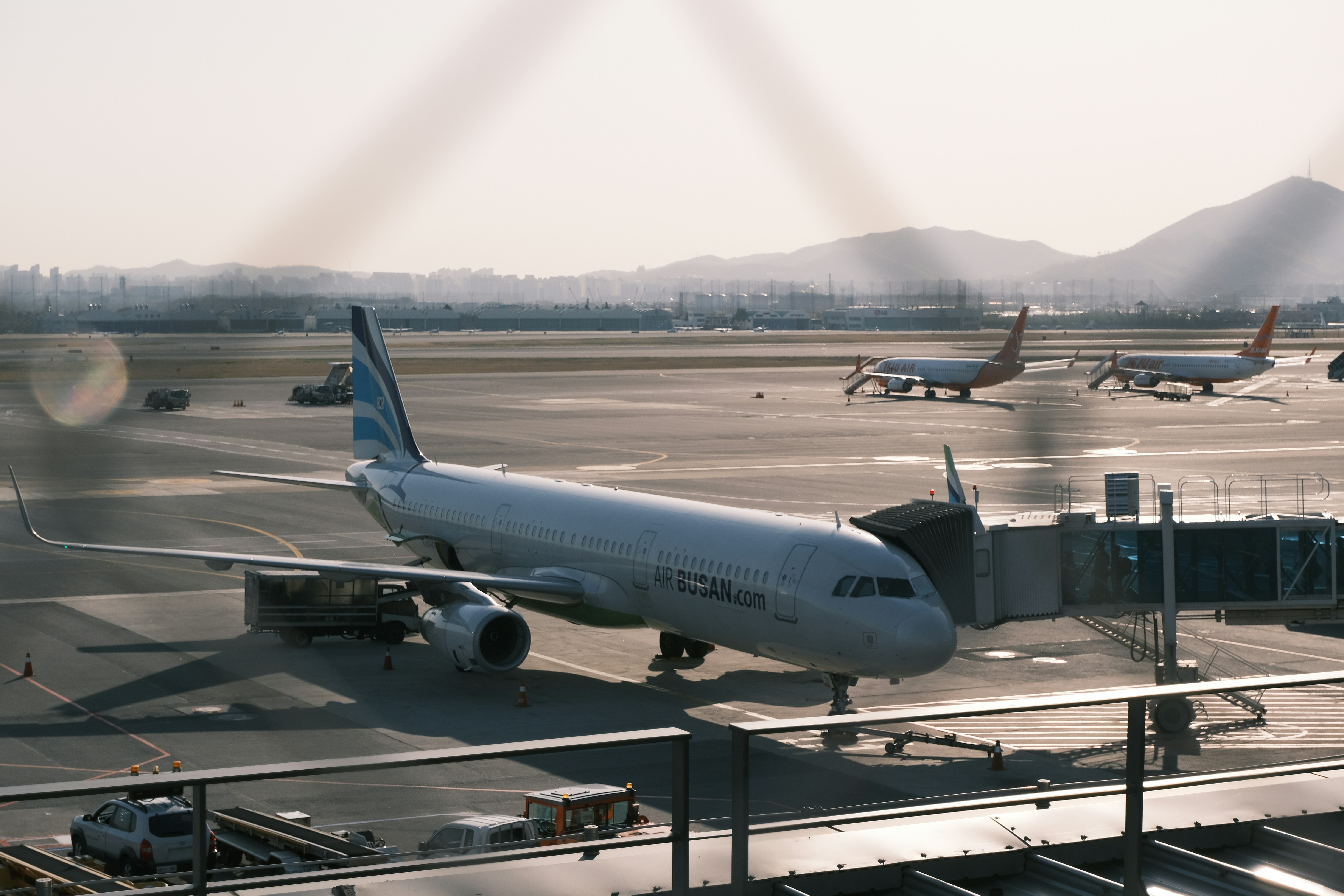
South Korea’s overseas travel and education policies evolved from strict state control to full liberalization by the late 1980s, reflecting broader economic growth and rising public demand for openness. Before 1985, studying abroad required government permission and was limited to a small elite, while overseas leisure travel was largely prohibited until 1983. As Korea achieved sustained economic stability, the government fully liberalized overseas travel in 1989, triggering a 235% surge in outbound tourism. Subsequent reforms throughout the 1990s–2000s expanded financial freedoms—lifting remittance restrictions, easing foreign exchange controls, and permitting overseas property investment—completing Korea’s transition to a globally mobile society.
#overseas travel liberalization #education abroad #foreign exchange reform #global mobility
For a significant period of its modern history, South Korea maintained stringent controls on its citizens traveling and studying abroad, reflecting a policy focused on managing capital and talent outflow. Over time, driven by profound economic growth and shifting public sentiment, the nation embarked on a path of gradual but decisive liberalization. This document explores this transformation, detailing the key milestones, policy shifts, and economic drivers that moved South Korea from a landscape of tight restriction to one of widespread freedom for its citizens to travel, study, and invest overseas.
The initial period of South Korea’s policy on overseas travel and study serves as a critical baseline from which all subsequent changes evolved. The government's approach was characterized by a strategic focus on controlling personal spending and managing the outflow of talent, permitting overseas opportunities primarily when they served national development goals.
Before 1985, the policy environment for Koreans wishing to study abroad was highly restrictive, with tight controls on the personal spending required for such endeavors. The government selectively permitted a small number of individuals to pursue education overseas at their own expense. In the 1970s, approximately 600 students per year were allowed to do so. However, by the mid-1980s, this number had increased to about 7,000 per year. A more significant step toward general travel liberalization occurred in January 1983, when overseas tours were permitted for the first time, albeit with certain restrictions still in place.
The policy concerning students studying abroad was influenced by the goal of obtaining the best education for those who are talented. This core motivation highlights that the government's initial caution was balanced with a desire to cultivate elite skills for national advancement. These early, tentative steps toward openness were precursors to the broader economic and social shifts that would soon accelerate the pace of change.
The transition to full liberalization was not a sudden event but a deliberate policy decision enabled by years of sustained economic growth and stability. This phase marked a pivotal moment when South Korea's economic success translated directly into expanded personal freedoms for its citizens.
The primary conditions for this shift were met by the late 1980s, setting the stage for a landmark policy change. Full liberalization of overseas tours occurred in 1989, after Korea had maintained a positive balance of payments for several years and living standards had risen. This decision to fully open the gates had an immediate and dramatic impact on tourism. In 1990, the year following liberalization, the number of tourists from Korea surged to 448,727, a remarkable 235 percent increase. This surge in leisure travel was so significant that tourists accounted for more than 50 percent of all Koreans traveling abroad during this period.
This travel boom had significant economic consequences. The nation’s balance of travel payment, which had shown a surplus in 1988, fell into deficits after 1991 as South Koreans spent more abroad.
The trend proved to be resilient; tourist numbers continued to climb, experiencing only a temporary fall in 1998 due to the Asian financial crisis. The success and popularity of travel liberalization paved the way for the government to take further action to ease related financial restrictions.
Following the successful liberalization of physical travel, subsequent policy changes addressed the financial aspects of overseas activity. These reforms were a logical extension of the initial opening, moving from the freedom of movement to the freedom of financial transaction, largely in response to widespread public demand for fewer restrictions.
Driven by this popular support, the government enacted a series of measures to further dismantle barriers. The key deregulations unfolded chronologically:
By the late 2000s, the series of reforms had resulted in a comprehensive liberalization of overseas travel and related financial activities, completing a decades-long policy evolution.

South Korea’s overseas travel and education policies evolved from strict state control to full liberalization by the late 1980s, reflecting broader economic growth and rising public demand for openness. Before 1985, studying abroad required government permission and was limited to a small elite, while overseas leisure travel was largely prohibited until 1983. As Korea achieved sustained economic stability, the government fully liberalized overseas travel in 1989, triggering a 235% surge in outbound tourism. Subsequent reforms throughout the 1990s–2000s expanded financial freedoms—lifting remittance restrictions, easing foreign exchange controls, and permitting overseas property investment—completing Korea’s transition to a globally mobile society.
#overseas travel liberalization #education abroad #foreign exchange reform #global mobility
For a significant period of its modern history, South Korea maintained stringent controls on its citizens traveling and studying abroad, reflecting a policy focused on managing capital and talent outflow. Over time, driven by profound economic growth and shifting public sentiment, the nation embarked on a path of gradual but decisive liberalization. This document explores this transformation, detailing the key milestones, policy shifts, and economic drivers that moved South Korea from a landscape of tight restriction to one of widespread freedom for its citizens to travel, study, and invest overseas.
The initial period of South Korea’s policy on overseas travel and study serves as a critical baseline from which all subsequent changes evolved. The government's approach was characterized by a strategic focus on controlling personal spending and managing the outflow of talent, permitting overseas opportunities primarily when they served national development goals.
Before 1985, the policy environment for Koreans wishing to study abroad was highly restrictive, with tight controls on the personal spending required for such endeavors. The government selectively permitted a small number of individuals to pursue education overseas at their own expense. In the 1970s, approximately 600 students per year were allowed to do so. However, by the mid-1980s, this number had increased to about 7,000 per year. A more significant step toward general travel liberalization occurred in January 1983, when overseas tours were permitted for the first time, albeit with certain restrictions still in place.
The policy concerning students studying abroad was influenced by the goal of obtaining the best education for those who are talented. This core motivation highlights that the government's initial caution was balanced with a desire to cultivate elite skills for national advancement. These early, tentative steps toward openness were precursors to the broader economic and social shifts that would soon accelerate the pace of change.
The transition to full liberalization was not a sudden event but a deliberate policy decision enabled by years of sustained economic growth and stability. This phase marked a pivotal moment when South Korea's economic success translated directly into expanded personal freedoms for its citizens.
The primary conditions for this shift were met by the late 1980s, setting the stage for a landmark policy change. Full liberalization of overseas tours occurred in 1989, after Korea had maintained a positive balance of payments for several years and living standards had risen. This decision to fully open the gates had an immediate and dramatic impact on tourism. In 1990, the year following liberalization, the number of tourists from Korea surged to 448,727, a remarkable 235 percent increase. This surge in leisure travel was so significant that tourists accounted for more than 50 percent of all Koreans traveling abroad during this period.
This travel boom had significant economic consequences. The nation’s balance of travel payment, which had shown a surplus in 1988, fell into deficits after 1991 as South Koreans spent more abroad.
The trend proved to be resilient; tourist numbers continued to climb, experiencing only a temporary fall in 1998 due to the Asian financial crisis. The success and popularity of travel liberalization paved the way for the government to take further action to ease related financial restrictions.
Following the successful liberalization of physical travel, subsequent policy changes addressed the financial aspects of overseas activity. These reforms were a logical extension of the initial opening, moving from the freedom of movement to the freedom of financial transaction, largely in response to widespread public demand for fewer restrictions.
Driven by this popular support, the government enacted a series of measures to further dismantle barriers. The key deregulations unfolded chronologically:
By the late 2000s, the series of reforms had resulted in a comprehensive liberalization of overseas travel and related financial activities, completing a decades-long policy evolution.

For a significant period of its modern history, South Korea maintained stringent controls on its citizens traveling and studying abroad, reflecting a policy focused on managing capital and talent outflow. Over time, driven by profound economic growth and shifting public sentiment, the nation embarked on a path of gradual but decisive liberalization. This document explores this transformation, detailing the key milestones, policy shifts, and economic drivers that moved South Korea from a landscape of tight restriction to one of widespread freedom for its citizens to travel, study, and invest overseas.
The initial period of South Korea’s policy on overseas travel and study serves as a critical baseline from which all subsequent changes evolved. The government's approach was characterized by a strategic focus on controlling personal spending and managing the outflow of talent, permitting overseas opportunities primarily when they served national development goals.
Before 1985, the policy environment for Koreans wishing to study abroad was highly restrictive, with tight controls on the personal spending required for such endeavors. The government selectively permitted a small number of individuals to pursue education overseas at their own expense. In the 1970s, approximately 600 students per year were allowed to do so. However, by the mid-1980s, this number had increased to about 7,000 per year. A more significant step toward general travel liberalization occurred in January 1983, when overseas tours were permitted for the first time, albeit with certain restrictions still in place.
The policy concerning students studying abroad was influenced by the goal of obtaining the best education for those who are talented. This core motivation highlights that the government's initial caution was balanced with a desire to cultivate elite skills for national advancement. These early, tentative steps toward openness were precursors to the broader economic and social shifts that would soon accelerate the pace of change.
The transition to full liberalization was not a sudden event but a deliberate policy decision enabled by years of sustained economic growth and stability. This phase marked a pivotal moment when South Korea's economic success translated directly into expanded personal freedoms for its citizens.
The primary conditions for this shift were met by the late 1980s, setting the stage for a landmark policy change. Full liberalization of overseas tours occurred in 1989, after Korea had maintained a positive balance of payments for several years and living standards had risen. This decision to fully open the gates had an immediate and dramatic impact on tourism. In 1990, the year following liberalization, the number of tourists from Korea surged to 448,727, a remarkable 235 percent increase. This surge in leisure travel was so significant that tourists accounted for more than 50 percent of all Koreans traveling abroad during this period.
This travel boom had significant economic consequences. The nation’s balance of travel payment, which had shown a surplus in 1988, fell into deficits after 1991 as South Koreans spent more abroad.
The trend proved to be resilient; tourist numbers continued to climb, experiencing only a temporary fall in 1998 due to the Asian financial crisis. The success and popularity of travel liberalization paved the way for the government to take further action to ease related financial restrictions.
Following the successful liberalization of physical travel, subsequent policy changes addressed the financial aspects of overseas activity. These reforms were a logical extension of the initial opening, moving from the freedom of movement to the freedom of financial transaction, largely in response to widespread public demand for fewer restrictions.
Driven by this popular support, the government enacted a series of measures to further dismantle barriers. The key deregulations unfolded chronologically:
By the late 2000s, the series of reforms had resulted in a comprehensive liberalization of overseas travel and related financial activities, completing a decades-long policy evolution.