

South Korea's e-Government evolved from a response to administrative inefficiency during rapid economic growth into a globally recognized digital government model. This report traces the journey through two major phases: Foundation (1970s–2016) and Digital Transformation (2016–present). Korea ranked first in the UN E-Government Development Index in 2010, 2012, and 2014, and first in the OECD Digital Government Index in 2019. The nation's success rests on three pillars: integrated e-Government systems (G2G, G2B, G4C), visionary leadership sustained across four decades, and robust ICT, financial, and administrative infrastructure.
#e-government #digital transformation #ICT policy #public service innovation
During the 1960s and 1970s, South Korea achieved a period of transformative economic growth, often referred to as the "Miracle on the Han River." Yet, behind this economic success, the modernization of its administrative procedures and public service delivery systems lagged significantly. This disparity between a modernizing economy and a traditional bureaucracy created increasing pressure for comprehensive reform.
In response, the Korean government adopted a strategic solution: an ambitious, Information and Communication Technology (ICT)-based e-Government initiative designed with a dual purpose — to enhance internal administrative efficiency through Government to Government (G2G) systems and to fundamentally improve the quality of public services for citizens (G4C) and businesses (G2B). The success of this strategy has been remarkable. According to the United Nations E-Government Survey, South Korea's ranking in the E-Government Development Index rose dramatically from fifteenth place in 2001 to first place in 2010 (United Nations, 2010; 2012; 2014), a position it successfully defended in 2012 and 2014 before ranking third in 2016. South Korea was also ranked first in the OECD's Digital Government Index in 2019.
South Korea's journey from a developing nation to a digital powerhouse was not accidental. Its success can be attributed to three critical factors: the advanced features of its integrated e-Government systems, the visionary and sustained leadership that drove the initiative across decades, and the robust infrastructure that formed its foundation. This report explores these pillars and traces how Korea's e-Government further evolved into a citizen-centric digital government in the era of digital transformation.
A core pillar of South Korea's e-Government strategy was its balanced and timely development of both internal administrative applications (back-office) and external public services (front-office). This dual focus created a virtuous feedback loop: internal efficiencies, such as faster data retrieval, directly improved the quality and speed of external services, which in turn drove citizen adoption and created demand for further internal improvements. This approach prevented the common pitfall of building systems that are either technologically advanced but disconnected from public needs, or popular but lacking robust administrative support.
Government to Government (G2G): The On-Nara System
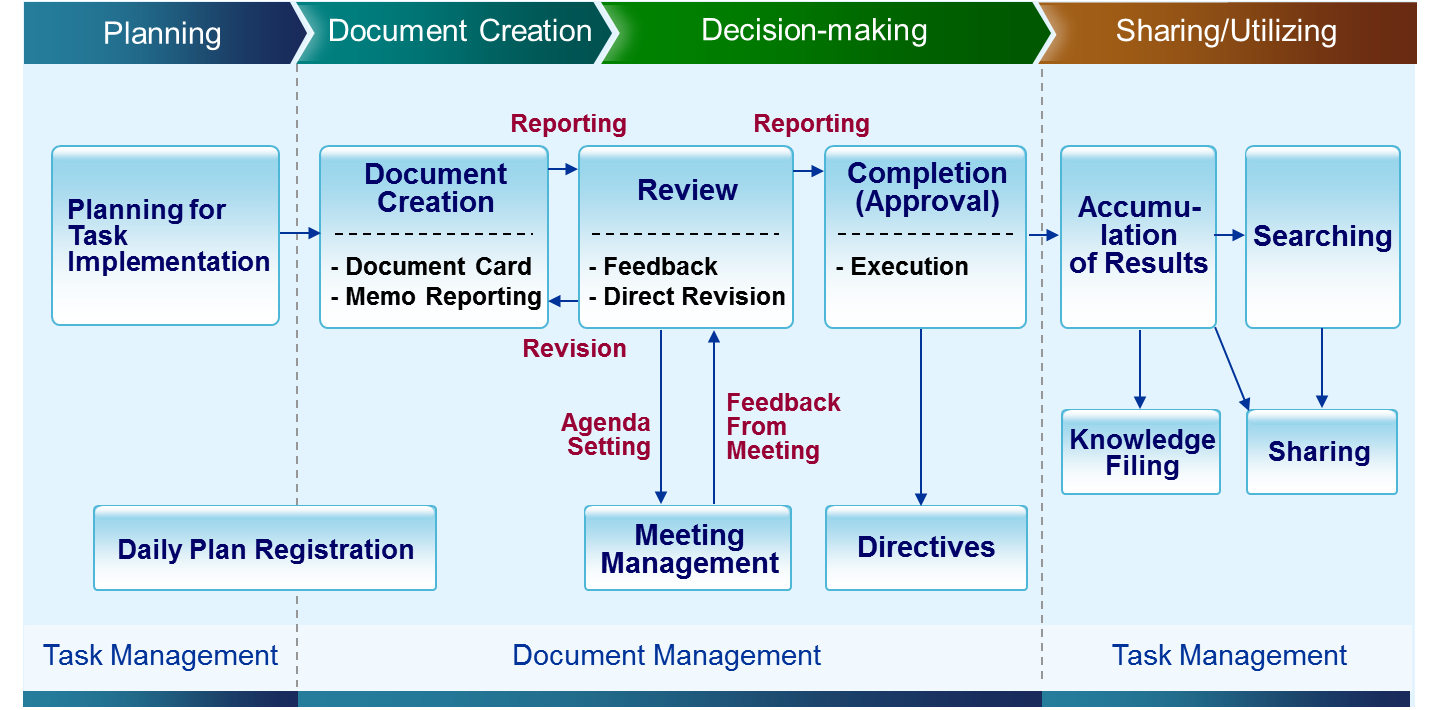
The On-Nara system is an exemplary G2G initiative designed to reform bureaucratic culture by enhancing transparency and accountability. Its core feature is a task planning system based on the Business Reference Model (BRM), which standardizes administrative processes. This standardization makes tasks transparent and less dependent on informal, opaque traditions, directly supporting the goal of cultural reform. The system enables officials to handle daily tasks entirely online, documenting and tracking the complete history of a task from creation to finalization and creating an environment of organizational learning.
Government to Business (G2B): KONEPS
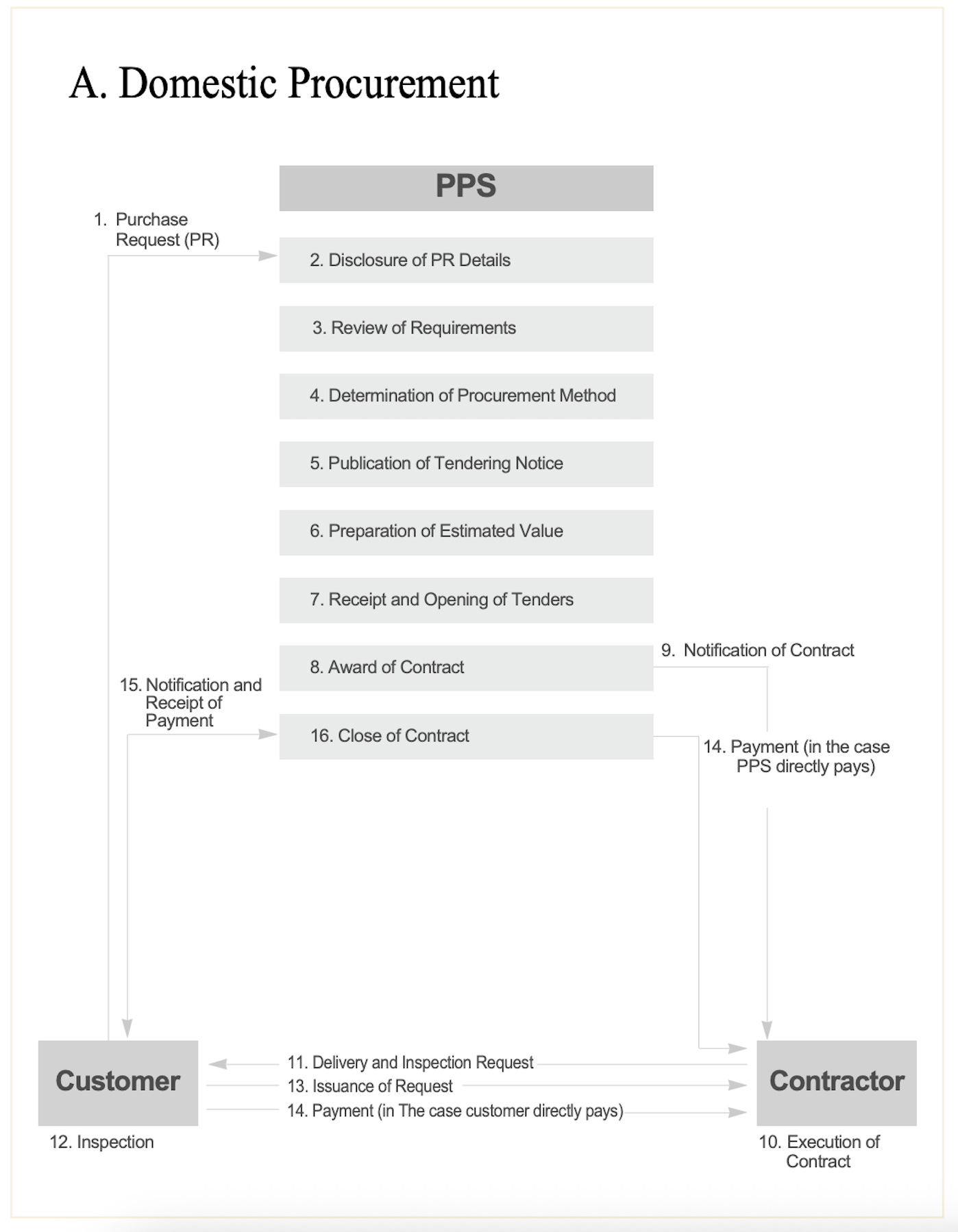
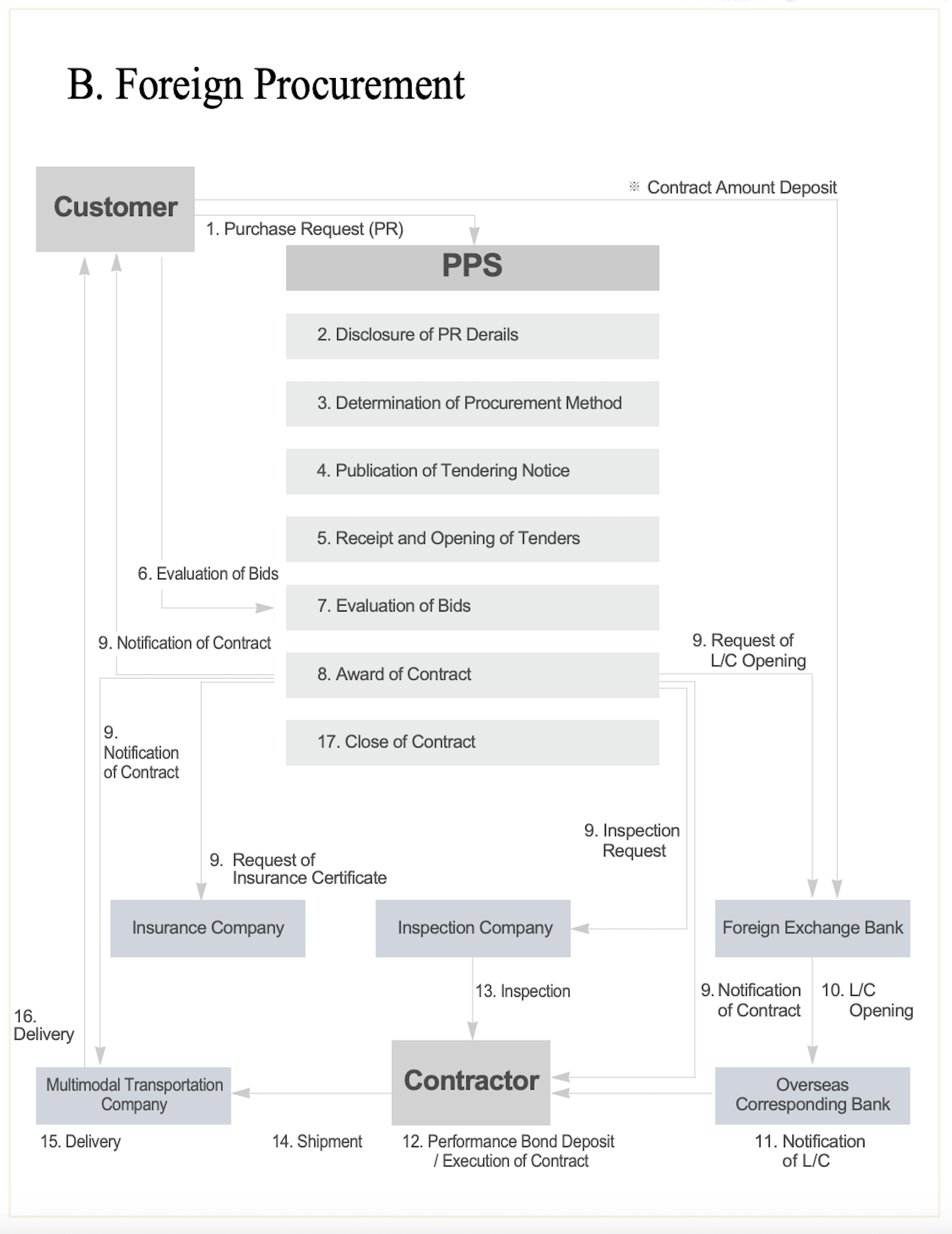
For businesses, the Korea Online E-Procurement System (KONEPS) serves as a powerful G2B platform. Introduced in 2002, KONEPS evolved from earlier platforms into an integrated, single-window portal for all public procurement. It provides a unified digital space where government organizations and private firms conduct every step of the procurement process electronically. All bidding information is accessible through KONEPS, and suppliers need only register once to participate in any public bid. This innovation has made the entire procurement process more organized, efficient, and transparent.
Government for Citizens (G4C): From Minwon 24 to Government 24
The Online Civil Appeal System (Minwon 24) empowered citizens by bringing public services directly to them. Built on a foundation of e-authentication, e-documents, and e-payment systems, it allowed individuals to access a wide range of services online. The government updated its legal framework to ensure that electronically issued documents hold the same legitimacy as their paper counterparts — a vital step in driving public trust and adoption.
This system later evolved into the Government 24 portal (gov.kr), the cornerstone of South Korea's digital service delivery today. Government 24 provides citizens with 24/7 online access, giving information on some 5,000 types of civil services, enabling online access to over 3,000 of them, and allowing the online issuance of 1,000 essential documents. This integrated portal consolidates services from central administrative agencies, public institutions, and local governments, dramatically reducing costs and inconvenience for citizens.
.png)
South Korea's e-Government is not the product of a single administration but the culmination of a long-term vision sustained for over four decades. This unwavering commitment from the nation's top leadership was a story of compounding investment, where each stage was a necessary prerequisite for the next.
Park Chung-hee Administration (1970s): Laying the Foundation
The journey began in the 1970s, when President Park Chung-hee's administration introduced the first five-year plan for administrative computerization, creating the initial layer of digital records. This was essential for the National Basic Information System (NBIS) project in the 1980s to digitize core databases like residence and vehicle registrations. Without these digitized assets, the high-speed broadband network built in the 1990s would have been an empty highway.
Kim Dae-jung Administration (Late 1990s): E-Government as National Agenda
A pivotal moment came after the 1997 Asian financial crisis, when the Kim Dae-jung administration established e-Government as a core component of its administrative reform program. President Kim created the Special Committee on E-Government (SCEG), which proposed the 11 cornerstone projects that became the system's blueprint. To ensure executive buy-in, he issued an order creating a Chief Information Officer (CIO) position in every national agency, making them directly responsible for their organization's information systems.
This vision was executed by key institutions. The National Computerization Agency (NCA), later renamed the National Information Society Agency (NIA), was instrumental in managing and implementing the e-Government projects. Acting as a coordinating body, the NCA worked in close collaboration with private IT companies to develop the targeted systems, translating high-level policy into functional reality. This deliberate, layered approach ensured that when the Kim Dae-jung administration declared e-Government a national agenda, it was building on a 30-year foundation, not starting from scratch.
.png)
Visionary leadership and advanced systems could only succeed because they were built upon a set of intentionally developed ICT, financial, and administrative infrastructures.
ICT Infrastructure
Recognizing that a digital government requires a digital highway, the government took a proactive role in building the nation's ICT backbone. The Korea Information Infrastructure (KII) Plan of 1994 exemplifies this approach. Rather than waiting for the private market, the government drove a coordinated effort with industry to construct a high-speed broadband network. This government-driven model established a robust, nationwide digital infrastructure that became the essential prerequisite for all subsequent e-Government services.
Financial Infrastructure
Large-scale, long-term projects require stable and predictable funding. To avoid reliance on fluctuating annual budgets, the Korean government established the National Information Promotion Fund in 1996, based on the Framework Act of National Informatization. This dedicated fund provided a secure source of capital for ICT infrastructure, e-Government development, and related R&D projects, ensuring that critical initiatives could proceed without interruption.
Administrative Infrastructure: The Residence Registration Number
Perhaps the most critical piece of administrative infrastructure is Korea's national identification system. Every citizen is assigned a unique 13-digit Residence Registration Number (RRN) at birth. Originally introduced in 1968 for security purposes, the RRN has become the essential "linchpin" for integrating disparate government databases. Because this unique identifier is used across all public agencies, it allows for the seamless merging of information related to an individual's residency, taxes, and welfare. Without this common linking point, the kind of integrated, citizen-centric services that define South Korea's e-Government would be nearly impossible to achieve.
Understanding the conceptual evolution from e-government to digital government is crucial for appreciating the strategic depth of modern public sector innovation. This transition is not merely semantic; it reflects a paradigm shift propelled by the broader forces of digital transformation.
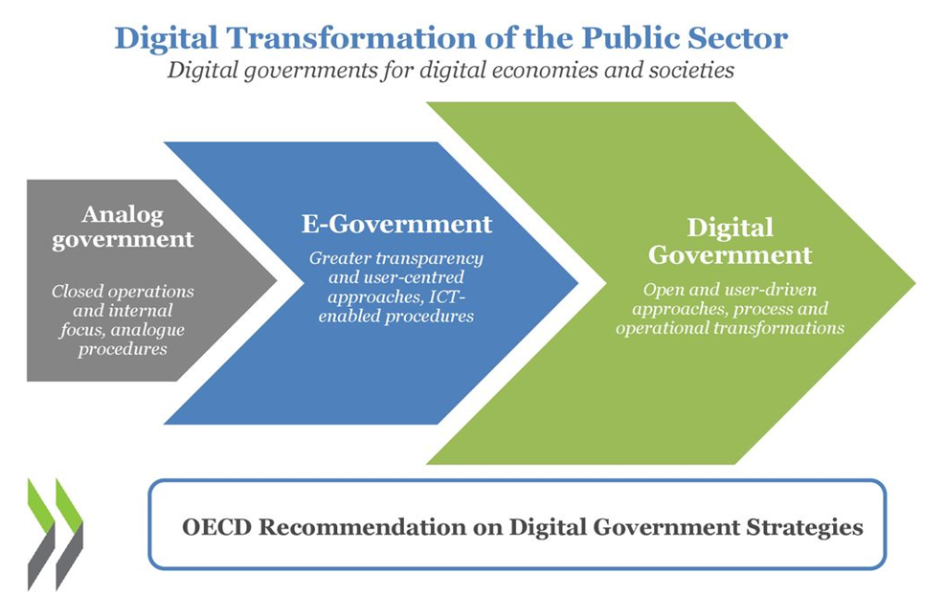
The OECD defines e-Government as governments using ICT, especially the internet, to achieve a better government. In contrast, Digital Government refers to a digital government ecosystem comprising government actors, non-governmental organizations, industry, civic associations, and individuals who use digital technology to create public value (OECD, 2014). The core difference is that digital government is an advanced, expanded concept that moves beyond the transactional focus of e-government. While e-government primarily used the internet to improve operational efficiency, digital government utilizes a broader suite of technologies — including social media, mobile platforms, big data analytics, and AI — to foster deeper interaction and enhance citizen participation. This represents a strategic move from providing generalized "citizen-oriented" services toward offering personalized, proactive, individual-oriented services.

In response to AI technologies and the digital transformation era, the South Korean government announced a series of strategic plans from 2016 to 2020 (Chung, 2020a).
E-Government 2020 Basic Plan (2016)
This plan set forth the vision of "Enjoy Your e-Government!" aiming to provide citizens with emotionally resonant services and build an advanced, intelligent administration. Its five core strategies included redesigning government services to be paperless and mobile, using intelligent information technology for predictive decision-making in disaster management, creating an e-government ecosystem that coexists with private industry by developing new services using AI, 3D printing, and drones, building a trust-based infrastructure including IoT platforms, and promoting South Korea's global leadership through international cooperation.
Digital Government Innovation Master Plan (2019)
With a vision of "a good world enabled by digitalization," this plan was a direct response to the era of AI and cloud-centric digital transformation. It outlined six priority tasks: reforming services for citizens, facilitating MyData in the public sector, improving platforms for citizen engagement, establishing a smart working environment, facilitating cloud and digital services, and establishing open data ecosystems.
COVID-19 Response Add-ons (2020)
In an agile response to the pandemic, the government revised its 2019 plan to address the urgent shift toward non-face-to-face interactions. Key add-ons focused on expanding "contact-less" services including mobile identification cards, and utilizing public data for data-driven administration, such as developing mask availability and contact tracing apps in collaboration with private companies.
Digital Inclusion Promotion Plan (2020)
Recognizing that rapid digital transformation could intensify the digital divide, this plan was established with the vision of "Realizing a digital inclusive world that everyone can enjoy together." Its four policy areas aimed to ensure no citizen is left behind by providing comprehensive digital capabilities and supporting vulnerable groups in easily using digital technologies.
South Korea's strategic policies translated into tangible, innovative public services that have reshaped citizen-government interactions.
Public MyData Service (2021)
Launched in February 2021, the Public MyData Service is a groundbreaking innovation that strengthens citizens' data sovereignty. This service empowers individuals to directly utilize their own administrative data, which is scattered across various public institutions, to apply for services without submitting numerous paper documents. Initially applied to eight services operated by six institutions, it streamlined applications for micro-enterprise funds, youth interview allowances, and bank credit loans. This not only streamlines application processes but also improves the efficiency and accuracy of administrative work, marking a decisive shift from document-oriented to data-oriented public services.
Public Secretary Service (2021)
The Public Secretary Service acts as a "virtual assistant for the public," delivering personalized and proactive notifications about important administrative tasks. Launched in April 2021, the service informs citizens about COVID-19 vaccination appointments, driver's license renewal dates, scholarship periods, and traffic fines. Citizens can receive alerts through popular mobile apps like KakaoTalk or Naver. This service is a representative example of a public-private partnership, leveraging the reach of private platforms to ensure citizens receive timely and essential information.
COVID-19 Vaccine Reservation System Improvement
In July 2021, the online COVID-19 vaccine reservation system was overwhelmed when millions of citizens tried to book appointments simultaneously. The government formed a public-private joint task force with 18 leading technology corporations. Through intense collaboration over just two weeks — a process that would normally take months — the team identified critical bottlenecks. A key optimization to the vaccination institute search function reduced the responding time from 2.58 seconds to a remarkable 0.004 seconds. This dramatic improvement enabled the system to handle simultaneous access from 12 million people in 10 minutes.
South Korea's transformation into a global digital government leader offers valuable lessons for other nations seeking to enhance administrative efficiency and improve public service quality.
1) Presidential Leadership as the Driving Force
Sustained political leadership is imperative. By positioning e-Government as a national agenda, South Korea's presidents guaranteed the mobilization of necessary resources. This top-down support was essential for overcoming bureaucratic resistance, coordinating across ministries, and driving complex, large-scale changes to existing organizational structures and practices. Critically, e-Government was pursued as an instrument for broader administrative and government reform, which secured political buy-in and created synergies with other national initiatives.
2) A Coordinated Promotion System
South Korea successfully employed a committee-based approach to drive digital government policy. Establishing committees separate from existing ministries created a powerful mechanism for cross-governmental coordination, deliberation, and policy formulation. This structure ensured that the functions of policy-making and implementation were effectively managed across different government bodies, supported by robust ICT governance to align efforts and resolve conflicts.
3) Foundational Infrastructure First
Success requires secured financial resources, and a dedicated mechanism like the National Information Promotion Fund ensures long-term stability for development. Equally vital is a unique national identification system. South Korea's Residence Registration Number acted as the linchpin that made data integration possible, enabling the creation of seamless, user-centric services.
4) From Government-Led to Partnership-Driven
Perhaps the most crucial lesson is the evolution from a government-led, supplier-oriented e-government model to a citizen-centered digital government framework. This shift recognized that the government could not, and should not, act alone. The success of recent innovations, like the vaccine reservation system overhaul, was built on public-private partnerships (PPP) that brought together the government, businesses, and citizens as joint participants.
5) Human and Organizational Factors
It is essential to develop strategies for overcoming inter-agency conflicts, particularly over data sharing. South Korea's unique "settlement after investment" approach allowed projects to advance without full initial consensus, preventing delays. Furthermore, prioritizing human resources development and providing sufficient user training are critical to ensure system adoption and avoid resistance.

South Korea's e-Government evolved from a response to administrative inefficiency during rapid economic growth into a globally recognized digital government model. This report traces the journey through two major phases: Foundation (1970s–2016) and Digital Transformation (2016–present). Korea ranked first in the UN E-Government Development Index in 2010, 2012, and 2014, and first in the OECD Digital Government Index in 2019. The nation's success rests on three pillars: integrated e-Government systems (G2G, G2B, G4C), visionary leadership sustained across four decades, and robust ICT, financial, and administrative infrastructure.
#e-government #digital transformation #ICT policy #public service innovation
During the 1960s and 1970s, South Korea achieved a period of transformative economic growth, often referred to as the "Miracle on the Han River." Yet, behind this economic success, the modernization of its administrative procedures and public service delivery systems lagged significantly. This disparity between a modernizing economy and a traditional bureaucracy created increasing pressure for comprehensive reform.
In response, the Korean government adopted a strategic solution: an ambitious, Information and Communication Technology (ICT)-based e-Government initiative designed with a dual purpose — to enhance internal administrative efficiency through Government to Government (G2G) systems and to fundamentally improve the quality of public services for citizens (G4C) and businesses (G2B). The success of this strategy has been remarkable. According to the United Nations E-Government Survey, South Korea's ranking in the E-Government Development Index rose dramatically from fifteenth place in 2001 to first place in 2010 (United Nations, 2010; 2012; 2014), a position it successfully defended in 2012 and 2014 before ranking third in 2016. South Korea was also ranked first in the OECD's Digital Government Index in 2019.
South Korea's journey from a developing nation to a digital powerhouse was not accidental. Its success can be attributed to three critical factors: the advanced features of its integrated e-Government systems, the visionary and sustained leadership that drove the initiative across decades, and the robust infrastructure that formed its foundation. This report explores these pillars and traces how Korea's e-Government further evolved into a citizen-centric digital government in the era of digital transformation.
A core pillar of South Korea's e-Government strategy was its balanced and timely development of both internal administrative applications (back-office) and external public services (front-office). This dual focus created a virtuous feedback loop: internal efficiencies, such as faster data retrieval, directly improved the quality and speed of external services, which in turn drove citizen adoption and created demand for further internal improvements. This approach prevented the common pitfall of building systems that are either technologically advanced but disconnected from public needs, or popular but lacking robust administrative support.
Government to Government (G2G): The On-Nara System
The On-Nara system is an exemplary G2G initiative designed to reform bureaucratic culture by enhancing transparency and accountability. Its core feature is a task planning system based on the Business Reference Model (BRM), which standardizes administrative processes. This standardization makes tasks transparent and less dependent on informal, opaque traditions, directly supporting the goal of cultural reform. The system enables officials to handle daily tasks entirely online, documenting and tracking the complete history of a task from creation to finalization and creating an environment of organizational learning.

Government to Business (G2B): KONEPS
For businesses, the Korea Online E-Procurement System (KONEPS) serves as a powerful G2B platform. Introduced in 2002, KONEPS evolved from earlier platforms into an integrated, single-window portal for all public procurement. It provides a unified digital space where government organizations and private firms conduct every step of the procurement process electronically. All bidding information is accessible through KONEPS, and suppliers need only register once to participate in any public bid. This innovation has made the entire procurement process more organized, efficient, and transparent.


Government for Citizens (G4C): From Minwon 24 to Government 24
The Online Civil Appeal System (Minwon 24) empowered citizens by bringing public services directly to them. Built on a foundation of e-authentication, e-documents, and e-payment systems, it allowed individuals to access a wide range of services online. The government updated its legal framework to ensure that electronically issued documents hold the same legitimacy as their paper counterparts — a vital step in driving public trust and adoption.
This system later evolved into the Government 24 portal (gov.kr), the cornerstone of South Korea's digital service delivery today. Government 24 provides citizens with 24/7 online access, giving information on some 5,000 types of civil services, enabling online access to over 3,000 of them, and allowing the online issuance of 1,000 essential documents. This integrated portal consolidates services from central administrative agencies, public institutions, and local governments, dramatically reducing costs and inconvenience for citizens.
.png)
South Korea's e-Government is not the product of a single administration but the culmination of a long-term vision sustained for over four decades. This unwavering commitment from the nation's top leadership was a story of compounding investment, where each stage was a necessary prerequisite for the next.
Park Chung-hee Administration (1970s): Laying the Foundation
The journey began in the 1970s, when President Park Chung-hee's administration introduced the first five-year plan for administrative computerization, creating the initial layer of digital records. This was essential for the National Basic Information System (NBIS) project in the 1980s to digitize core databases like residence and vehicle registrations. Without these digitized assets, the high-speed broadband network built in the 1990s would have been an empty highway.
Kim Dae-jung Administration (Late 1990s): E-Government as National Agenda
A pivotal moment came after the 1997 Asian financial crisis, when the Kim Dae-jung administration established e-Government as a core component of its administrative reform program. President Kim created the Special Committee on E-Government (SCEG), which proposed the 11 cornerstone projects that became the system's blueprint. To ensure executive buy-in, he issued an order creating a Chief Information Officer (CIO) position in every national agency, making them directly responsible for their organization's information systems.
This vision was executed by key institutions. The National Computerization Agency (NCA), later renamed the National Information Society Agency (NIA), was instrumental in managing and implementing the e-Government projects. Acting as a coordinating body, the NCA worked in close collaboration with private IT companies to develop the targeted systems, translating high-level policy into functional reality. This deliberate, layered approach ensured that when the Kim Dae-jung administration declared e-Government a national agenda, it was building on a 30-year foundation, not starting from scratch.
.png)
Visionary leadership and advanced systems could only succeed because they were built upon a set of intentionally developed ICT, financial, and administrative infrastructures.
ICT Infrastructure
Recognizing that a digital government requires a digital highway, the government took a proactive role in building the nation's ICT backbone. The Korea Information Infrastructure (KII) Plan of 1994 exemplifies this approach. Rather than waiting for the private market, the government drove a coordinated effort with industry to construct a high-speed broadband network. This government-driven model established a robust, nationwide digital infrastructure that became the essential prerequisite for all subsequent e-Government services.
Financial Infrastructure
Large-scale, long-term projects require stable and predictable funding. To avoid reliance on fluctuating annual budgets, the Korean government established the National Information Promotion Fund in 1996, based on the Framework Act of National Informatization. This dedicated fund provided a secure source of capital for ICT infrastructure, e-Government development, and related R&D projects, ensuring that critical initiatives could proceed without interruption.
Administrative Infrastructure: The Residence Registration Number
Perhaps the most critical piece of administrative infrastructure is Korea's national identification system. Every citizen is assigned a unique 13-digit Residence Registration Number (RRN) at birth. Originally introduced in 1968 for security purposes, the RRN has become the essential "linchpin" for integrating disparate government databases. Because this unique identifier is used across all public agencies, it allows for the seamless merging of information related to an individual's residency, taxes, and welfare. Without this common linking point, the kind of integrated, citizen-centric services that define South Korea's e-Government would be nearly impossible to achieve.
Understanding the conceptual evolution from e-government to digital government is crucial for appreciating the strategic depth of modern public sector innovation. This transition is not merely semantic; it reflects a paradigm shift propelled by the broader forces of digital transformation.
The OECD defines e-Government as governments using ICT, especially the internet, to achieve a better government. In contrast, Digital Government refers to a digital government ecosystem comprising government actors, non-governmental organizations, industry, civic associations, and individuals who use digital technology to create public value (OECD, 2014). The core difference is that digital government is an advanced, expanded concept that moves beyond the transactional focus of e-government. While e-government primarily used the internet to improve operational efficiency, digital government utilizes a broader suite of technologies — including social media, mobile platforms, big data analytics, and AI — to foster deeper interaction and enhance citizen participation. This represents a strategic move from providing generalized "citizen-oriented" services toward offering personalized, proactive, individual-oriented services.
In response to AI technologies and the digital transformation era, the South Korean government announced a series of strategic plans from 2016 to 2020 (Chung, 2020a).
E-Government 2020 Basic Plan (2016)
This plan set forth the vision of "Enjoy Your e-Government!" aiming to provide citizens with emotionally resonant services and build an advanced, intelligent administration. Its five core strategies included redesigning government services to be paperless and mobile, using intelligent information technology for predictive decision-making in disaster management, creating an e-government ecosystem that coexists with private industry by developing new services using AI, 3D printing, and drones, building a trust-based infrastructure including IoT platforms, and promoting South Korea's global leadership through international cooperation.
Digital Government Innovation Master Plan (2019)
With a vision of "a good world enabled by digitalization," this plan was a direct response to the era of AI and cloud-centric digital transformation. It outlined six priority tasks: reforming services for citizens, facilitating MyData in the public sector, improving platforms for citizen engagement, establishing a smart working environment, facilitating cloud and digital services, and establishing open data ecosystems.
COVID-19 Response Add-ons (2020)
In an agile response to the pandemic, the government revised its 2019 plan to address the urgent shift toward non-face-to-face interactions. Key add-ons focused on expanding "contact-less" services including mobile identification cards, and utilizing public data for data-driven administration, such as developing mask availability and contact tracing apps in collaboration with private companies.
Digital Inclusion Promotion Plan (2020)
Recognizing that rapid digital transformation could intensify the digital divide, this plan was established with the vision of "Realizing a digital inclusive world that everyone can enjoy together." Its four policy areas aimed to ensure no citizen is left behind by providing comprehensive digital capabilities and supporting vulnerable groups in easily using digital technologies.
South Korea's strategic policies translated into tangible, innovative public services that have reshaped citizen-government interactions.
Public MyData Service (2021)
Launched in February 2021, the Public MyData Service is a groundbreaking innovation that strengthens citizens' data sovereignty. This service empowers individuals to directly utilize their own administrative data, which is scattered across various public institutions, to apply for services without submitting numerous paper documents. Initially applied to eight services operated by six institutions, it streamlined applications for micro-enterprise funds, youth interview allowances, and bank credit loans. This not only streamlines application processes but also improves the efficiency and accuracy of administrative work, marking a decisive shift from document-oriented to data-oriented public services.
Public Secretary Service (2021)
The Public Secretary Service acts as a "virtual assistant for the public," delivering personalized and proactive notifications about important administrative tasks. Launched in April 2021, the service informs citizens about COVID-19 vaccination appointments, driver's license renewal dates, scholarship periods, and traffic fines. Citizens can receive alerts through popular mobile apps like KakaoTalk or Naver. This service is a representative example of a public-private partnership, leveraging the reach of private platforms to ensure citizens receive timely and essential information.
COVID-19 Vaccine Reservation System Improvement
In July 2021, the online COVID-19 vaccine reservation system was overwhelmed when millions of citizens tried to book appointments simultaneously. The government formed a public-private joint task force with 18 leading technology corporations. Through intense collaboration over just two weeks — a process that would normally take months — the team identified critical bottlenecks. A key optimization to the vaccination institute search function reduced the responding time from 2.58 seconds to a remarkable 0.004 seconds. This dramatic improvement enabled the system to handle simultaneous access from 12 million people in 10 minutes.
South Korea's transformation into a global digital government leader offers valuable lessons for other nations seeking to enhance administrative efficiency and improve public service quality.
1) Presidential Leadership as the Driving Force
Sustained political leadership is imperative. By positioning e-Government as a national agenda, South Korea's presidents guaranteed the mobilization of necessary resources. This top-down support was essential for overcoming bureaucratic resistance, coordinating across ministries, and driving complex, large-scale changes to existing organizational structures and practices. Critically, e-Government was pursued as an instrument for broader administrative and government reform, which secured political buy-in and created synergies with other national initiatives.
2) A Coordinated Promotion System
South Korea successfully employed a committee-based approach to drive digital government policy. Establishing committees separate from existing ministries created a powerful mechanism for cross-governmental coordination, deliberation, and policy formulation. This structure ensured that the functions of policy-making and implementation were effectively managed across different government bodies, supported by robust ICT governance to align efforts and resolve conflicts.
3) Foundational Infrastructure First
Success requires secured financial resources, and a dedicated mechanism like the National Information Promotion Fund ensures long-term stability for development. Equally vital is a unique national identification system. South Korea's Residence Registration Number acted as the linchpin that made data integration possible, enabling the creation of seamless, user-centric services.
4) From Government-Led to Partnership-Driven
Perhaps the most crucial lesson is the evolution from a government-led, supplier-oriented e-government model to a citizen-centered digital government framework. This shift recognized that the government could not, and should not, act alone. The success of recent innovations, like the vaccine reservation system overhaul, was built on public-private partnerships (PPP) that brought together the government, businesses, and citizens as joint participants.
5) Human and Organizational Factors
It is essential to develop strategies for overcoming inter-agency conflicts, particularly over data sharing. South Korea's unique "settlement after investment" approach allowed projects to advance without full initial consensus, preventing delays. Furthermore, prioritizing human resources development and providing sufficient user training are critical to ensure system adoption and avoid resistance.

During the 1960s and 1970s, South Korea achieved a period of transformative economic growth, often referred to as the "Miracle on the Han River." Yet, behind this economic success, the modernization of its administrative procedures and public service delivery systems lagged significantly. This disparity between a modernizing economy and a traditional bureaucracy created increasing pressure for comprehensive reform.
In response, the Korean government adopted a strategic solution: an ambitious, Information and Communication Technology (ICT)-based e-Government initiative designed with a dual purpose — to enhance internal administrative efficiency through Government to Government (G2G) systems and to fundamentally improve the quality of public services for citizens (G4C) and businesses (G2B). The success of this strategy has been remarkable. According to the United Nations E-Government Survey, South Korea's ranking in the E-Government Development Index rose dramatically from fifteenth place in 2001 to first place in 2010 (United Nations, 2010; 2012; 2014), a position it successfully defended in 2012 and 2014 before ranking third in 2016. South Korea was also ranked first in the OECD's Digital Government Index in 2019.
South Korea's journey from a developing nation to a digital powerhouse was not accidental. Its success can be attributed to three critical factors: the advanced features of its integrated e-Government systems, the visionary and sustained leadership that drove the initiative across decades, and the robust infrastructure that formed its foundation. This report explores these pillars and traces how Korea's e-Government further evolved into a citizen-centric digital government in the era of digital transformation.
A core pillar of South Korea's e-Government strategy was its balanced and timely development of both internal administrative applications (back-office) and external public services (front-office). This dual focus created a virtuous feedback loop: internal efficiencies, such as faster data retrieval, directly improved the quality and speed of external services, which in turn drove citizen adoption and created demand for further internal improvements. This approach prevented the common pitfall of building systems that are either technologically advanced but disconnected from public needs, or popular but lacking robust administrative support.
Government to Government (G2G): The On-Nara System
The On-Nara system is an exemplary G2G initiative designed to reform bureaucratic culture by enhancing transparency and accountability. Its core feature is a task planning system based on the Business Reference Model (BRM), which standardizes administrative processes. This standardization makes tasks transparent and less dependent on informal, opaque traditions, directly supporting the goal of cultural reform. The system enables officials to handle daily tasks entirely online, documenting and tracking the complete history of a task from creation to finalization and creating an environment of organizational learning.

Government to Business (G2B): KONEPS
For businesses, the Korea Online E-Procurement System (KONEPS) serves as a powerful G2B platform. Introduced in 2002, KONEPS evolved from earlier platforms into an integrated, single-window portal for all public procurement. It provides a unified digital space where government organizations and private firms conduct every step of the procurement process electronically. All bidding information is accessible through KONEPS, and suppliers need only register once to participate in any public bid. This innovation has made the entire procurement process more organized, efficient, and transparent.


Government for Citizens (G4C): From Minwon 24 to Government 24
The Online Civil Appeal System (Minwon 24) empowered citizens by bringing public services directly to them. Built on a foundation of e-authentication, e-documents, and e-payment systems, it allowed individuals to access a wide range of services online. The government updated its legal framework to ensure that electronically issued documents hold the same legitimacy as their paper counterparts — a vital step in driving public trust and adoption.
This system later evolved into the Government 24 portal (gov.kr), the cornerstone of South Korea's digital service delivery today. Government 24 provides citizens with 24/7 online access, giving information on some 5,000 types of civil services, enabling online access to over 3,000 of them, and allowing the online issuance of 1,000 essential documents. This integrated portal consolidates services from central administrative agencies, public institutions, and local governments, dramatically reducing costs and inconvenience for citizens.
.png)
South Korea's e-Government is not the product of a single administration but the culmination of a long-term vision sustained for over four decades. This unwavering commitment from the nation's top leadership was a story of compounding investment, where each stage was a necessary prerequisite for the next.
Park Chung-hee Administration (1970s): Laying the Foundation
The journey began in the 1970s, when President Park Chung-hee's administration introduced the first five-year plan for administrative computerization, creating the initial layer of digital records. This was essential for the National Basic Information System (NBIS) project in the 1980s to digitize core databases like residence and vehicle registrations. Without these digitized assets, the high-speed broadband network built in the 1990s would have been an empty highway.
Kim Dae-jung Administration (Late 1990s): E-Government as National Agenda
A pivotal moment came after the 1997 Asian financial crisis, when the Kim Dae-jung administration established e-Government as a core component of its administrative reform program. President Kim created the Special Committee on E-Government (SCEG), which proposed the 11 cornerstone projects that became the system's blueprint. To ensure executive buy-in, he issued an order creating a Chief Information Officer (CIO) position in every national agency, making them directly responsible for their organization's information systems.
This vision was executed by key institutions. The National Computerization Agency (NCA), later renamed the National Information Society Agency (NIA), was instrumental in managing and implementing the e-Government projects. Acting as a coordinating body, the NCA worked in close collaboration with private IT companies to develop the targeted systems, translating high-level policy into functional reality. This deliberate, layered approach ensured that when the Kim Dae-jung administration declared e-Government a national agenda, it was building on a 30-year foundation, not starting from scratch.
.png)
Visionary leadership and advanced systems could only succeed because they were built upon a set of intentionally developed ICT, financial, and administrative infrastructures.
ICT Infrastructure
Recognizing that a digital government requires a digital highway, the government took a proactive role in building the nation's ICT backbone. The Korea Information Infrastructure (KII) Plan of 1994 exemplifies this approach. Rather than waiting for the private market, the government drove a coordinated effort with industry to construct a high-speed broadband network. This government-driven model established a robust, nationwide digital infrastructure that became the essential prerequisite for all subsequent e-Government services.
Financial Infrastructure
Large-scale, long-term projects require stable and predictable funding. To avoid reliance on fluctuating annual budgets, the Korean government established the National Information Promotion Fund in 1996, based on the Framework Act of National Informatization. This dedicated fund provided a secure source of capital for ICT infrastructure, e-Government development, and related R&D projects, ensuring that critical initiatives could proceed without interruption.
Administrative Infrastructure: The Residence Registration Number
Perhaps the most critical piece of administrative infrastructure is Korea's national identification system. Every citizen is assigned a unique 13-digit Residence Registration Number (RRN) at birth. Originally introduced in 1968 for security purposes, the RRN has become the essential "linchpin" for integrating disparate government databases. Because this unique identifier is used across all public agencies, it allows for the seamless merging of information related to an individual's residency, taxes, and welfare. Without this common linking point, the kind of integrated, citizen-centric services that define South Korea's e-Government would be nearly impossible to achieve.
Understanding the conceptual evolution from e-government to digital government is crucial for appreciating the strategic depth of modern public sector innovation. This transition is not merely semantic; it reflects a paradigm shift propelled by the broader forces of digital transformation.
The OECD defines e-Government as governments using ICT, especially the internet, to achieve a better government. In contrast, Digital Government refers to a digital government ecosystem comprising government actors, non-governmental organizations, industry, civic associations, and individuals who use digital technology to create public value (OECD, 2014). The core difference is that digital government is an advanced, expanded concept that moves beyond the transactional focus of e-government. While e-government primarily used the internet to improve operational efficiency, digital government utilizes a broader suite of technologies — including social media, mobile platforms, big data analytics, and AI — to foster deeper interaction and enhance citizen participation. This represents a strategic move from providing generalized "citizen-oriented" services toward offering personalized, proactive, individual-oriented services.

In response to AI technologies and the digital transformation era, the South Korean government announced a series of strategic plans from 2016 to 2020 (Chung, 2020a).
E-Government 2020 Basic Plan (2016)
This plan set forth the vision of "Enjoy Your e-Government!" aiming to provide citizens with emotionally resonant services and build an advanced, intelligent administration. Its five core strategies included redesigning government services to be paperless and mobile, using intelligent information technology for predictive decision-making in disaster management, creating an e-government ecosystem that coexists with private industry by developing new services using AI, 3D printing, and drones, building a trust-based infrastructure including IoT platforms, and promoting South Korea's global leadership through international cooperation.
Digital Government Innovation Master Plan (2019)
With a vision of "a good world enabled by digitalization," this plan was a direct response to the era of AI and cloud-centric digital transformation. It outlined six priority tasks: reforming services for citizens, facilitating MyData in the public sector, improving platforms for citizen engagement, establishing a smart working environment, facilitating cloud and digital services, and establishing open data ecosystems.
COVID-19 Response Add-ons (2020)
In an agile response to the pandemic, the government revised its 2019 plan to address the urgent shift toward non-face-to-face interactions. Key add-ons focused on expanding "contact-less" services including mobile identification cards, and utilizing public data for data-driven administration, such as developing mask availability and contact tracing apps in collaboration with private companies.
Digital Inclusion Promotion Plan (2020)
Recognizing that rapid digital transformation could intensify the digital divide, this plan was established with the vision of "Realizing a digital inclusive world that everyone can enjoy together." Its four policy areas aimed to ensure no citizen is left behind by providing comprehensive digital capabilities and supporting vulnerable groups in easily using digital technologies.
South Korea's strategic policies translated into tangible, innovative public services that have reshaped citizen-government interactions.
Public MyData Service (2021)
Launched in February 2021, the Public MyData Service is a groundbreaking innovation that strengthens citizens' data sovereignty. This service empowers individuals to directly utilize their own administrative data, which is scattered across various public institutions, to apply for services without submitting numerous paper documents. Initially applied to eight services operated by six institutions, it streamlined applications for micro-enterprise funds, youth interview allowances, and bank credit loans. This not only streamlines application processes but also improves the efficiency and accuracy of administrative work, marking a decisive shift from document-oriented to data-oriented public services.
Public Secretary Service (2021)
The Public Secretary Service acts as a "virtual assistant for the public," delivering personalized and proactive notifications about important administrative tasks. Launched in April 2021, the service informs citizens about COVID-19 vaccination appointments, driver's license renewal dates, scholarship periods, and traffic fines. Citizens can receive alerts through popular mobile apps like KakaoTalk or Naver. This service is a representative example of a public-private partnership, leveraging the reach of private platforms to ensure citizens receive timely and essential information.
COVID-19 Vaccine Reservation System Improvement
In July 2021, the online COVID-19 vaccine reservation system was overwhelmed when millions of citizens tried to book appointments simultaneously. The government formed a public-private joint task force with 18 leading technology corporations. Through intense collaboration over just two weeks — a process that would normally take months — the team identified critical bottlenecks. A key optimization to the vaccination institute search function reduced the responding time from 2.58 seconds to a remarkable 0.004 seconds. This dramatic improvement enabled the system to handle simultaneous access from 12 million people in 10 minutes.
South Korea's transformation into a global digital government leader offers valuable lessons for other nations seeking to enhance administrative efficiency and improve public service quality.
1) Presidential Leadership as the Driving Force
Sustained political leadership is imperative. By positioning e-Government as a national agenda, South Korea's presidents guaranteed the mobilization of necessary resources. This top-down support was essential for overcoming bureaucratic resistance, coordinating across ministries, and driving complex, large-scale changes to existing organizational structures and practices. Critically, e-Government was pursued as an instrument for broader administrative and government reform, which secured political buy-in and created synergies with other national initiatives.
2) A Coordinated Promotion System
South Korea successfully employed a committee-based approach to drive digital government policy. Establishing committees separate from existing ministries created a powerful mechanism for cross-governmental coordination, deliberation, and policy formulation. This structure ensured that the functions of policy-making and implementation were effectively managed across different government bodies, supported by robust ICT governance to align efforts and resolve conflicts.
3) Foundational Infrastructure First
Success requires secured financial resources, and a dedicated mechanism like the National Information Promotion Fund ensures long-term stability for development. Equally vital is a unique national identification system. South Korea's Residence Registration Number acted as the linchpin that made data integration possible, enabling the creation of seamless, user-centric services.
4) From Government-Led to Partnership-Driven
Perhaps the most crucial lesson is the evolution from a government-led, supplier-oriented e-government model to a citizen-centered digital government framework. This shift recognized that the government could not, and should not, act alone. The success of recent innovations, like the vaccine reservation system overhaul, was built on public-private partnerships (PPP) that brought together the government, businesses, and citizens as joint participants.
5) Human and Organizational Factors
It is essential to develop strategies for overcoming inter-agency conflicts, particularly over data sharing. South Korea's unique "settlement after investment" approach allowed projects to advance without full initial consensus, preventing delays. Furthermore, prioritizing human resources development and providing sufficient user training are critical to ensure system adoption and avoid resistance.